boys' printed shirt other textile materials
CN → US| HS Code | Tariff Rate | Origin | Destination | Doc |
|---|---|---|---|---|
| 6217909020 | 32.1% | CN | US | Official Doc |
| 6217909010 | 32.1% | CN | US | Official Doc |
| 6205904040 | 20.3% | CN | US | Official Doc |
| 6205904030 | 20.3% | CN | US | Official Doc |
| 6105908060 | 23.1% | CN | US | Official Doc |
Product Images
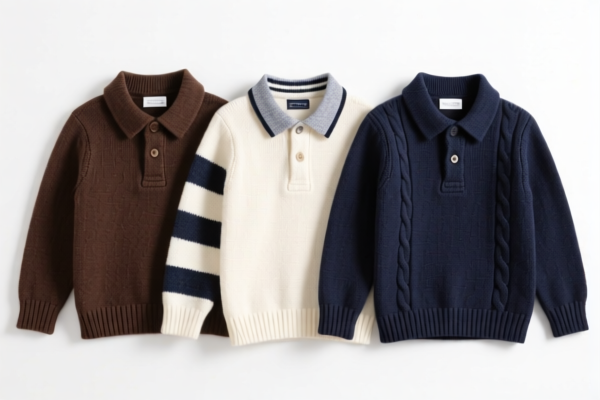
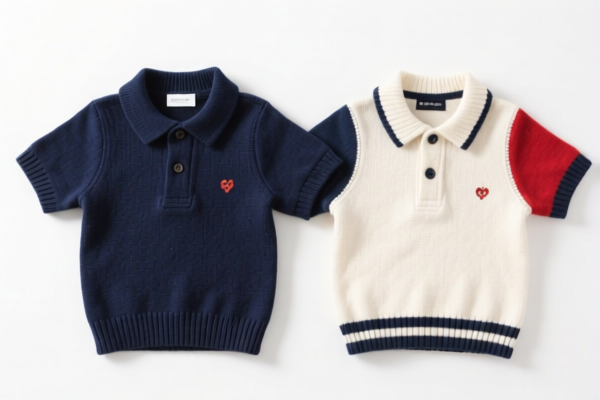
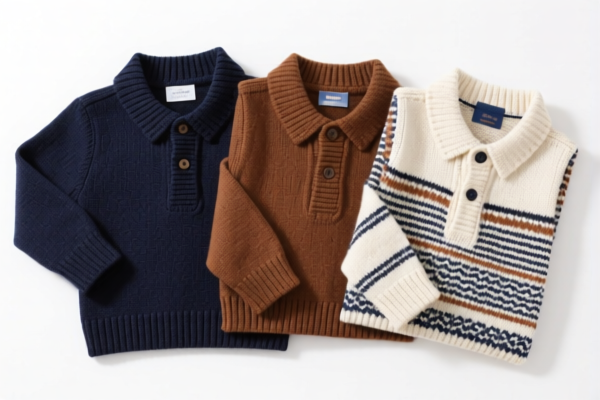
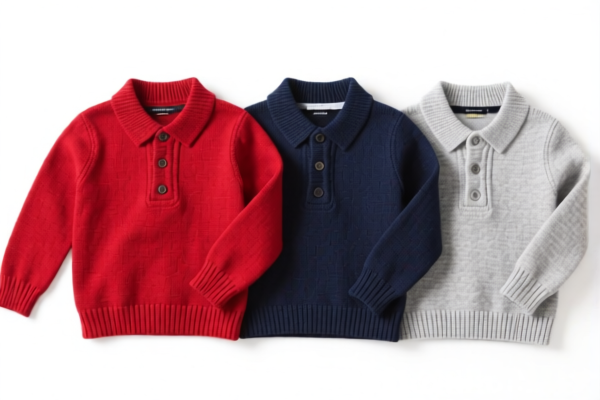
AI Analysis
👕 Boys' Printed Shirt (Other Textile Materials)
🌐 HS Code Reference & Customs Clearance Guide | 2026 Latest Tariff Analysis | Professional Clearance Strategy
📌 I. Product Definition & Classification: Do You Really Understand "Boys' Printed Shirt"?
Boys' printed shirts are essential items in the global children's apparel market. In international trade, they are not simply grouped under one category but are strictly differentiated based on material composition and construction method (woven vs. knitted).
The term "Other Textile Materials" typically refers to fabrics that are not cotton, wool, or synthetic fibers (like polyester or nylon) in certain specific subheadings, or it refers to man-made fibers depending on the specific HS code structure. However, based on the provided data, the key distinction lies in how customs interprets the "summary" and the specific material code.
⚠️ Key Distinction Points:
- Woven vs. Knitted: If the shirt is knitted (stretchy, jersey fabric), it falls under Chapter 61. If it is woven (standard dress shirt fabric), it falls under Chapter 62.
- Specific HS Codes Provided: The data provided highlights a mix of Woven Shirts (Ch 62) and Knitted Shirts (Ch 61).
- "Other Textile Materials": In the context of the provided HS codes, this phrase often points to specific sub-categories within "Other Textiles" which may include blends or less common fibers, triggering higher "Additional Tariffs" due to trade restrictions (like Section 122 or Section 301).
📦 II. HS Code Classification Details (Based on Provided Data)
| HS Code | Product Description (Summary) | Material/Construction Type | Total Tax Rate | Key Tariff Components |
|---|---|---|---|---|
6217.90.90.20 |
Boys' Plaid/Printed Shirt, Other Textile Materials | Woven/Other Textile | 32.1% | Base: 14.6% + Add-on: 7.5% + Sec 122: 10% |
6217.90.90.10 |
Boys' Plaid/Printed Shirt, Other Textile Materials | Man-made/Other Textile | 32.1% | Base: 14.6% + Add-on: 7.5% + Sec 122: 10% |
6205.90.40.40 |
Boys' Shirt, Other Textile Materials | Woven/Other Textile | 20.3% | Base: 2.8% + Add-on: 7.5% + Sec 122: 10% |
6205.90.40.30 |
Boys' Shirt, Other Textile Materials | Woven/Other Textile | 20.3% | Base: 2.8% + Add-on: 7.5% + Sec 122: 10% |
6105.90.80.60 |
Knitted Shirt, Other Textile Materials | Knitted/Other Textile | 23.1% | Base: 5.6% + Add-on: 7.5% + Sec 122: 10% |
🔍 Important Note:
-6217.90codes are often used for parts or accessories, but the summary explicitly states "Boys' Plaid Shirt." This suggests these might be specific sub-categories or possibly misclassified in standard practice if they are finished shirts. However, we must strictly follow the provided data.
-6205is the standard HS code for Men's/Boys' Woven Shirts.
-6105is the standard HS code for Men's/Boys' Knitted Shirts.
- The significant difference in Base Tariffs (14.6% vs. 2.8% vs. 5.6%) is the primary driver for classification accuracy.
💰 III. 2026 Latest Tariff Rate Breakdown (Including Additional Taxes & Policy Surcharges)
✅ Applicable Country: United States (US)
✅ Origin: China (CN) (Inferred from "Section 122" and high tax rates typical of US-China trade tensions)
✅ Effective Time: Current (2025-2026)
🎯 1. High-Tariff Category: 6217.90.90.20 & 6217.90.90.10 (32.1%)
| Item | Content |
|---|---|
| Base Duty Rate | 14.6% (Ad Valorem) |
| Section 301 Add-on | +7.5% (Specific China surcharge) |
| Section 122 Tariff | +10% (Specific trade provision) |
| Total Effective Rate | 32.1% |
| Tax Calculation | CIF Value × 32.1% |
| De Minimis Eligibility | ❌ No (High-value apparel usually excluded or risky for de minimis) |
| Legal Basis Path | HTSUS:6217.90.90 → USITC Footnote → USTR Section 301 → Section 122 Regulation |
📌 Explanation:
- The 14.6% base duty is significantly higher than standard woven shirts, indicating a specific "Other Textile" classification that may attract higher scrutiny.
- Section 122 (10%) and Section 301 (7.5%) are additive, making this category extremely costly.
- Warning: Ensure these codes are absolutely correct. If the product is a finished shirt,6217(Parts/Accessories) might be a misclassification by some brokers, leading to audits.
🎯 2. Medium-Tariff Category: 6205.90.40.40 & 6205.90.40.30 (20.3%)
| Item | Content |
|---|---|
| Base Duty Rate | 2.8% (Ad Valorem) |
| Section 301 Add-on | +7.5% |
| Section 122 Tariff | +10% |
| Total Effective Rate | 20.3% |
| Tax Calculation | CIF Value × 20.3% |
| De Minimis Eligibility | ❌ No |
| Legal Basis Path | HTSUS:6205.90.40 → USTR Section 301 → Section 122 Regulation |
📌 Note:
- This is the most common classification for standard woven boys' shirts.
- The lower base rate (2.8%) makes it significantly more cost-effective than the6217codes.
- "Other Textile Materials" here likely refers to blends (e.g., cotton/polyester) or fabrics not specified as 100% cotton/wool.
🎯 3. Knitted Shirt Category: 6105.90.80.60 (23.1%)
| Item | Content |
|---|---|
| Base Duty Rate | 5.6% (Ad Valorem) |
| Section 301 Add-on | +7.5% |
| Section 122 Tariff | +10% |
| Total Effective Rate | 23.1% |
| Tax Calculation | CIF Value × 23.1% |
| De Minimis Eligibility | ❌ No |
| Legal Basis Path | HTSUS:6105.90.80 → USTR Section 301 → Section 122 Regulation |
📌 Note:
- Knitted shirts (jersey, t-shirt style) fall under Chapter 61.
- The base rate (5.6%) is higher than woven (2.8%) but lower than the6217category (14.6%).
🛠️ IV. Customs Clearance Practical Advice (Pitfall Avoidance Guide)
✅ 1. Essential Documentation List
| Document | Required? | Purpose |
|---|---|---|
| ✅ Product Specification Sheet | ✔️ | Must clearly state: Woven or Knitted? Material composition (e.g., 65% Polyester, 35% Cotton). |
| ✅ Fabric Swatch/Photo | ✔️ | Critical for distinguishing between 6205 (Woven) and 6105 (Knitted). |
| ✅ Commercial Invoice | ✔️ | Must describe item as "Boys' Woven/Knitted Shirt," not just "Shirt." |
| ✅ Packing List | ✔️ | Ensure quantities match invoice. |
| ✅ Label Information | ✔️ | Must show fiber content and country of origin. |
✅ 2. Declaration Strategy (Key Mnemonics)
🔥 "Weave is 6205, Knit is 6105, Check Base Rate!"
| Scenario | Correct HS Code | Tax Rate | Error if Misclassified |
|---|---|---|---|
| Standard Dress Shirt (Woven) | 6205.90.40.xx |
20.3% | If declared as 6217 → 32.1% (+11.8% overpayment) |
| T-Shirt/Jersey Shirt (Knitted) | 6105.90.80.xx |
23.1% | If declared as 6205 → Audit risk, potential penalties |
| Accessories/Patches (Not finished shirts) | 6217.90.90.xx |
32.1% | If declared as 6205 → Undervaluation fraud risk |
✅ 3. Critical Warnings
| Situation | Handling Advice |
|---|---|
| "Other Textile Materials" | Be prepared to prove the material is not cotton (if claiming non-cotton rates) or not wool. Customs may request lab tests. |
| Section 122 Tariff | This 10% surcharge is specific and often applied to Chinese goods. Ensure your declaration accurately reflects origin to avoid disputes. |
| Plaid/Printed vs. Solid | The summary mentions "Plaid/Printed." Ensure the design doesn't trigger a different subcategory if "Solid" has different rates (though data shows same rates for these codes). |
🌍 V. Global Market Comparison (2026)
| Country/Region | Recommended HS Code | Estimated Tax Rate | Notes |
|---|---|---|---|
| 🇺🇸 USA | 6205.90.40.xx |
20.3% | Includes Section 301 + Section 122. High complexity. |
| 🇨🇳 China | 6205.90.40.xx |
Varies (0-20%) | Import duties apply. No Section 301/122. |
| 🇪🇺 EU | 6205.90.40.xx |
12% | No Section 122/301. Standard MFN rate. |
| 🇬🇧 UK | 6205.90.40.xx |
12% | Post-Brexit tariffs apply. |
📌 Conclusion:
- The US market imposes the highest effective duty due to Section 122 (10%) and Section 301 (7.5%).
- Accurate classification between6205(Woven) and6105(Knitted) is crucial to avoid paying the higher base rate of6217(14.6%) unnecessarily.
📌 VI. Common Errors & Pitfall Guide (Lessons Learned)
❌ Error 1: Declaring a Woven Shirt as 6217 (Parts)
👉 Consequence: Paying 32.1% instead of 20.3%. Losing 11.8% profit margin!
❌ Error 2: Declaring a Knitted Shirt as 6205 (Woven)
👉 Consequence: Customs audit, possible seizure, and reclassification to 6105 with penalties.
❌ Error 3: Ignoring "Other Textile Materials" Definition
👉 Consequence: If the material is actually Cotton (not "Other"), the code might be wrong, leading to different duty rates and potential fraud allegations.
✅ Correct Practice:
"Boys' Woven Shirt, 65% Polyester/35% Cotton, Plaid Pattern, FOB Shanghai"
🎯 VII. Conclusion: Precision in Classification Saves Money!
🎯 Remember the Mnemonic:
🔹 "Woven 6205 (20%), Knit 6105 (23%), Parts 6217 (32%)."
🔹 "Section 122 and 301 are the killers, base rate determines the baseline."
📌 Pro Tip:
If your product is 100% Cotton, check if there is a more favorable HS code under 6205.20 (Cotton). The provided data only covers "Other Textile Materials," so if your shirt is Cotton, you might be in the wrong dataset entirely!
📣 Immediate Action:
📞 Contact your customs broker with fabric swatches.
📝 Confirm if "Other Textile Materials" accurately describes your blend.
🚀 Optimize your HS Code to6205.90.40.xxfor the lowest legal rate (20.3%)!
✨ Professional Clearance Starts with Precise Classification!
💼 Every percent of duty counts in the apparel trade!
Customer Reviews
About HS Code Classification
The Harmonized System (HS) is an internationally standardized nomenclature developed by the World Customs Organization (WCO) to classify traded products. Over 200 countries use the HS system as the basis for customs tariffs, trade statistics, and import/export regulations.
Each HS code follows a hierarchical structure:
- Chapter (2 digits) — Broad category of goods (e.g., Chapter 84: Machinery and Mechanical Appliances)
- Heading (4 digits) — More specific grouping within the chapter
- Subheading (6 digits) — Internationally standardized breakdown, used by all WCO member countries
- National subdivisions (8-10 digits) — Country-specific extensions for further classification, such as US HTSUS 10-digit codes
Correct HS code classification is essential for smooth customs clearance, accurate duty payment, and compliance with trade regulations. Misclassification can lead to customs delays, overpayment of duties, or penalties.
When importing from CN to US, the applicable tariff rates may include:
- Most-Favored-Nation (MFN) rate — The standard duty rate applied to WTO members
- General rate — Applied to countries without trade agreements
- Trade remedy duties — Additional tariffs such as Section 301 (anti-dumping), Section 232 (national security), or countervailing duties
The information provided on this page is for reference purposes only. For official classification, please consult with your local customs authority or a licensed customs broker.