boys' silk sport trousers
CN → US| HS Code | Tariff Rate | Origin | Destination | Doc |
|---|---|---|---|---|
| 6203490730 | 17.5% | CN | US | Official Doc |
| 6203490720 | 17.5% | CN | US | Official Doc |
| 6104194000 | 18.4% | CN | US | Official Doc |
| 6103107000 | 10.9% | CN | US | Official Doc |
| 6103494010 | 18.4% | CN | US | Official Doc |
Product Images
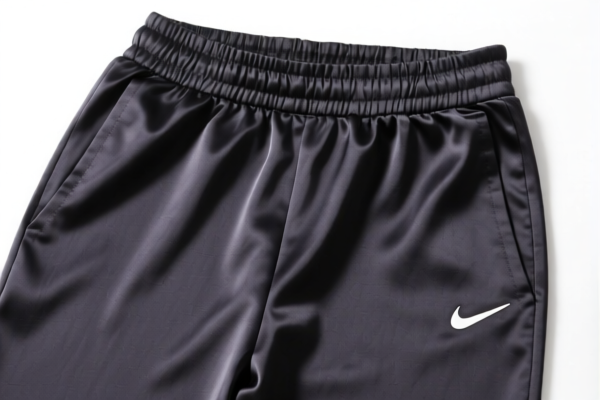
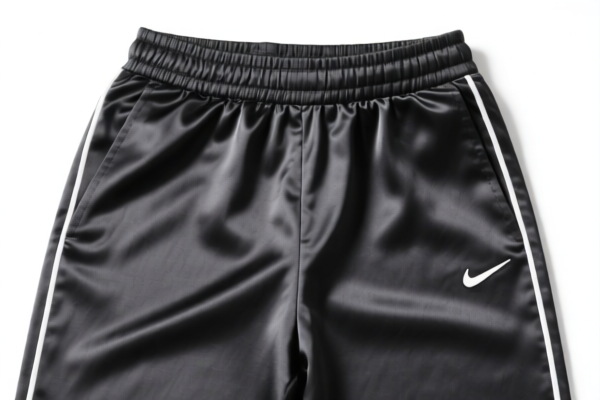
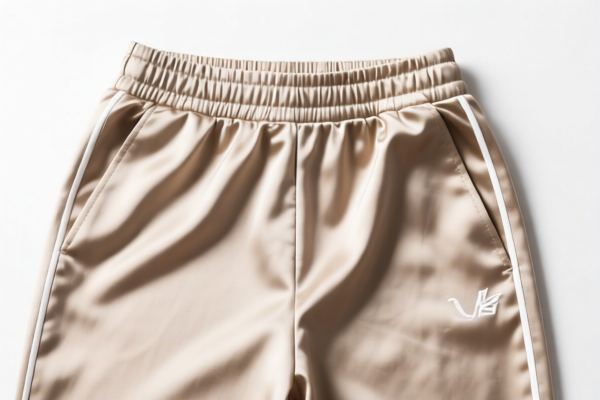

AI Analysis
👖 Boys' Silk Sport Trousers (HS Code Analysis & Customs Clearance Guide)
🌐 HS Code Reference & Customs Strategy | 2026 Latest Tariff Breakdown | Professional Clearance Tactics
📌 I. Product Definition & Classification: Understanding "Boys' Silk Sport Trousers"
"Boys' Silk Sport Trousers" refer to lower-body garments designed for male children/adolescents, primarily made of silk or containing silk, intended for outdoor, athletic, or leisure activities. In international trade, these products are typically classified under Chapter 61 (Knitted/Crocheted) or Chapter 62 (Non-Knitted/Woven), depending on the manufacturing method.
Key Distinction Factors: * Knitted/Crocheted (Ch. 61): Stretchable, breathable, often used for sweatpants or active wear. * Woven (Ch. 62): Structured, formal, or outdoor-ready (e.g., windbreakers, trekking pants).
⚠️ Critical Classification Point:
- If the fabric is knitted and contains ≥70% silk → Likely 6104.19.40.00 or 6103.49.40.10.
- If the fabric is woven and intended for outdoor sports → Likely 6203.49.07.30 or 6203.49.07.20.
- If it’s a knitted casual suit/set with silk content → Likely 6103.10.70.00.
📦 II. HS Code Classification Details (2026 Authoritative Mapping)
Based on the provided data, here are the specific HS Codes applicable to "Boys' Silk Sport Trousers":
| HS Code | Product Description | Key Characteristics | Material Requirement | Application Scenario |
|---|---|---|---|---|
6203.49.07.30 |
Silk Men’s/Boys’ Outdoor Trousers | Outerwear form, woven | Pure Silk (Silk) | Outdoor sports, trekking, windproof wear |
6203.49.07.20 |
Silk Men’s/Boys’ Outdoor Trousers | Pants form, woven | Silk | General outdoor use, casual sports |
6104.19.40.00 |
Silk Sportswear Sets | Knitted/Crocheted Suit | ≥70% Silk | Knitted active wear sets (top + bottom) |
6103.10.70.00 |
Silk Sportswear Sets | Knitted/Crocheted Suit/Casual | Contains Silk | Knitted casual sets with silk components |
6103.49.40.10 |
Silk Sportswear (Pants) | Knitted/Crocheted Garment | ≥70% Silk or Silk Waste | Knitted silk pants for sports/leisure |
🔍 Important Note:
- Ch. 62 (6203.xxxx) applies to woven trousers (non-stretchy structure).
- Ch. 61 (6103.xxxx/6104.xxxx) applies to knitted trousers (stretchy structure).
- "Boys" generally falls under men’s/boys’ categories in HS classification (Heading 6203/6103).
- "Sport" is not a standalone HS category; it influences the use description but not the core classification unless it’s a specific "sports suit" (Ch. 61).
💰 III. 2026 Latest Tariff Rate Breakdown (Including Additional Taxes)
✅ Applicable Country: United States (US)
✅ Origin: China (CN)
✅ Effective Date: 2025-11-10 onwards
🎯 1. 6203.49.07.30 & 6203.49.07.20 – Woven Silk Trousers (Outdoor)
| Item | Detail |
|---|---|
| Base Tariff | 0.0% |
| Section 301 / Additional Tariff | 7.5% |
| Section 122 Tariff | 10.0% |
| Total Tariff Rate | 17.5% |
| Calculation Basis | CIF Value × 17.5% |
| De Minimis Exemption | ❌ Not Eligible (Due to Section 122 and 301) |
| Legal Path | IEEPA:122 → USITC:6203.49.07 → FOOTNOTE:301 |
📌 Explanation:
- Base Tariff 0%: Standard MFN rate for woven men’s/boys’ trousers of silk.
- 7.5% Additional Tariff: Likely from Section 301 or specific USITC footnote for textile imports from China.
- 10% Section 122 Tariff: Specific surcharge on certain textile/apparel imports.
- Total 17.5%: This is a high-duty category for woven silk goods from China.
🎯 2. 6104.19.40.00 & 6103.49.40.10 – Knitted Silk Sportswear (≥70% Silk)
| Item | Detail |
|---|---|
| Base Tariff | 0.9% |
| Section 301 / Additional Tariff | 7.5% |
| Section 122 Tariff | 10.0% |
| Total Tariff Rate | 18.4% |
| Calculation Basis | CIF Value × 18.4% |
| De Minimis Exemption | ❌ Not Eligible |
| Legal Path | IEEPA:122 → USITC:6104.19.40 / 6103.49.40 → FOOTNOTE:301 |
📌 Explanation:
- Base Tariff 0.9%: Slightly higher than woven silk due to knitted classification.
- 7.5% Additional Tariff: Same Section 301 rate.
- 10% Section 122 Tariff: Same surcharge.
- Total 18.4%: Higher than woven due to base rate difference. Knitted silk sportswear is taxed more heavily.
🎯 3. 6103.10.70.00 – Knitted Silk Sportswear Sets (Casual)
| Item | Detail |
|---|---|
| Base Tariff | 0.9% |
| Section 301 / Additional Tariff | 0.0% |
| Section 122 Tariff | 10.0% |
| Total Tariff Rate | 10.9% |
| Calculation Basis | CIF Value × 10.9% |
| De Minimis Exemption | ❌ Not Eligible (Due to Section 122) |
| Legal Path | IEEPA:122 → USITC:6103.10.70 |
📌 Explanation:
- Base Tariff 0.9%: Standard for knitted casual suits.
- 0.0% Additional Tariff: Key Advantage! This item is exempt from the 7.5% Section 301 surcharge.
- 10% Section 122 Tariff: Still applies.
- Total 10.9%: Lowest duty rate among all options. Ideal for cost optimization.
🛠️ IV. Customs Clearance Practical Advice (Best Practices & Pitfalls)
✅ 1. Required Documentation Checklist
| Document | Mandatory | Notes |
|---|---|---|
| ✅ Commercial Invoice | ✔️ | Must specify "Boys' Silk Trousers" and HS Code |
| ✅ Packing List | ✔️ | Detail fabric composition (e.g., "100% Silk" vs. "70% Silk") |
| ✅ Certificate of Origin (CO) | ✔️ | Required for Section 122 and 301 determination |
| ✅ Product Photos | ✔️ | Show garment type (woven vs. knitted), labels, and care tags |
| ✅ Fabric Composition Test Report | ✔️ | Critical for distinguishing Ch. 61 vs. Ch. 62 and silk percentage |
| ✅ Brand Authorization | ✔️ | If branded, to avoid IP seizures |
✅ 2. Declaration Tips (Key Mnemonics)
🔥 “Woven Go 62, Knitted Go 61; Silk % Matters, Sport Type Helps!”
| Scenario | Correct HS Code | Reason |
|---|---|---|
| Woven, Outdoor, 100% Silk | 6203.49.07.30 / 6203.49.07.20 |
Woven structure + outdoor use |
| Knitted, ≥70% Silk, Sport Set | 6104.19.40.00 |
Knitted suit + high silk content |
| Knitted, Casual Suit, Silk Blend | 6103.10.70.00 |
Knitted casual suit + lower silk content |
| Knitted, ≥70% Silk, Pants Only | 6103.49.40.10 |
Knitted pants + high silk content |
✅ 3. Special Considerations
| Issue | Recommendation |
|---|---|
| Fabric Composition Error | If declared as 100% silk but test shows 50%, severe penalties apply. Ensure accurate labeling. |
| "Sport" vs. "Casual" | Misclassifying casual wear as sportswear may trigger additional scrutiny. Use consistent product descriptions. |
| Section 122 Exemptions | No current exemptions for China-origin textile goods under Section 122. Plan for 10% minimum. |
| De Minimis (Section 321) | NOT APPLICABLE. Due to Section 301 and 122, de minimis ($800) exemption is denied. Full duties apply. |
🌍 V. Global Market Comparison (2026)
| Country/Region | Recommended HS Code | Total Duty Rate | Notes |
|---|---|---|---|
| 🇺🇸 United States | Varies by Type | 10.9% – 18.4% | Highest due to Section 301 + 122 |
| 🇨🇳 China | 6203.49.07 / 6104.19 | ~5-10% | Import duties apply, no Section 122 |
| 🇪🇺 European Union | 6203.49 / 6104.19 | 12-16% | VAT (19-27%) additional, no Section 122 |
| 🇬🇧 United Kingdom | 6203.49 / 6104.19 | 12-16% | Post-Brexit tariffs, no US-style surcharges |
| 🇯🇵 Japan | 6203.49 / 6104.19 | 10-12% | Lower base rates, no additional tariffs |
📌 Conclusion:
- USA is the most expensive market for Chinese-made silk sportswear due to Section 301 + 122.
- EU/UK/JP have lower duties but higher VAT.
- Cost Optimization Tip: Use6103.10.70.00if your product is a knitted casual suit with silk content, as it avoids the 7.5% Section 301 surcharge.
📌 VI. Common Mistakes & Pitfalls (Lessons Learned)
❌ Mistake 1: Declaring woven trousers as knitted (6103.10.70.00) to avoid Section 301
👉 Consequence: Customs inspection reveals woven structure → Back taxes + fines + delays.
❌ Mistake 2: Ignoring Section 122
👉 Consequence: Assuming 7.5% is the only additional tariff → Underpayment by 10%.
❌ Mistake 3: Mislabeling "Silk" content
👉 Consequence: If actual silk content is <70%, 6104.19.40.00 becomes invalid → Reclassification to higher duty.
❌ Mistake 4: Assuming De Minimis applies
👉 Consequence: Shipments <$800 still face full duties due to Section 301/122 → Unexpected costs for small parcels.
✅ Correct Practice:
"Boys' Silk Sport Trousers, Woven, 100% Silk, for Outdoor Use, Model XYZ, Landed Cost: $10, Duty: 17.5%, Total Landed: $11.75"
🎯 VII. Conclusion: Precision in Classification, Savings in Cost
🎯 Key Takeaway:
🔹 "Woven = 62, Knitted = 61; Silk % = Duty Determiner; Section 122 = Always Apply."
🔹 "6103.10.70.00is your best friend for lower duties (10.9%), but only if it’s a knitted casual suit."
🔹 "No De Minimis for China-origin silk sportswear in the US – plan for 10-18% duties."
📌 Pro Tip:
If your silk trousers are knitted, casual, and contain silk, classify under 6103.10.70.00 to save 7.5% in tariffs.
For outdoor woven trousers, accept 17.5% as standard.
Always provide fabric composition reports to prevent misclassification.
📣 Immediate Action:
📞 Consult your customs broker with product samples and fabric tests.
📄 Apply for HS Code Pre-Ruling if unsure about woven vs. knitted classification.
🚀 Optimize your supply chain by leveraging the 10.9% tariff tier where possible.
✨ Professional Customs Clearance Starts with Accurate Classification!
💼 Every Percent Saved in Duties is Pure Profit!
Customer Reviews
About HS Code Classification
The Harmonized System (HS) is an internationally standardized nomenclature developed by the World Customs Organization (WCO) to classify traded products. Over 200 countries use the HS system as the basis for customs tariffs, trade statistics, and import/export regulations.
Each HS code follows a hierarchical structure:
- Chapter (2 digits) — Broad category of goods (e.g., Chapter 84: Machinery and Mechanical Appliances)
- Heading (4 digits) — More specific grouping within the chapter
- Subheading (6 digits) — Internationally standardized breakdown, used by all WCO member countries
- National subdivisions (8-10 digits) — Country-specific extensions for further classification, such as US HTSUS 10-digit codes
Correct HS code classification is essential for smooth customs clearance, accurate duty payment, and compliance with trade regulations. Misclassification can lead to customs delays, overpayment of duties, or penalties.
When importing from CN to US, the applicable tariff rates may include:
- Most-Favored-Nation (MFN) rate — The standard duty rate applied to WTO members
- General rate — Applied to countries without trade agreements
- Trade remedy duties — Additional tariffs such as Section 301 (anti-dumping), Section 232 (national security), or countervailing duties
The information provided on this page is for reference purposes only. For official classification, please consult with your local customs authority or a licensed customs broker.