boys' underwear bamboo fiber fabric
CN → US| HS Code | Tariff Rate | Origin | Destination | Doc |
|---|---|---|---|---|
| 5311003090 | 10.0% | CN | US | Official Doc |
| 6107120010 | 32.4% | CN | US | Official Doc |
| 6207199010 | 28.0% | CN | US | Official Doc |
| 6207199030 | 20.5% | CN | US | Official Doc |
Product Images
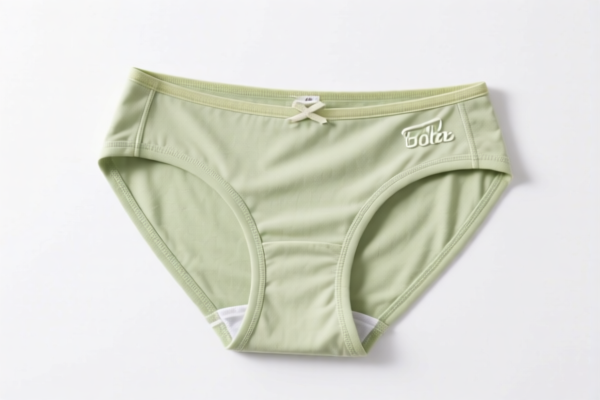
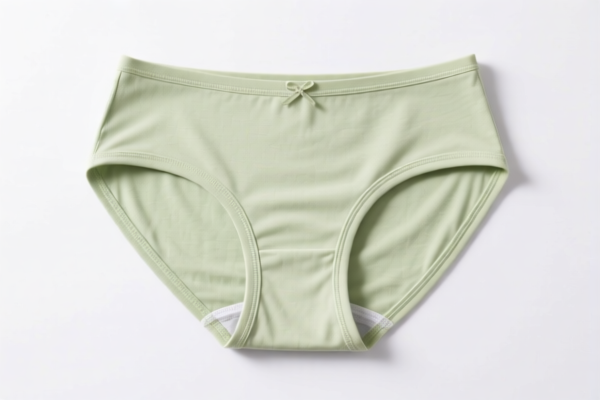
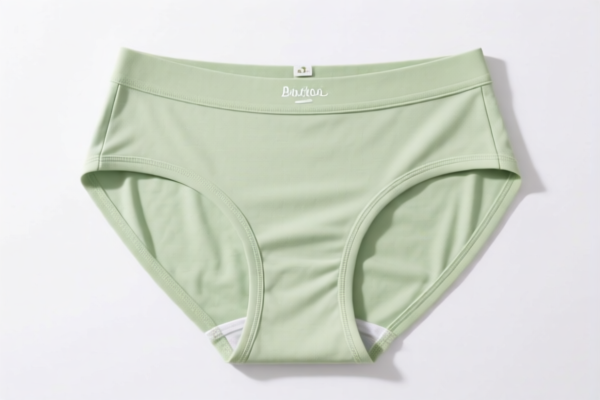
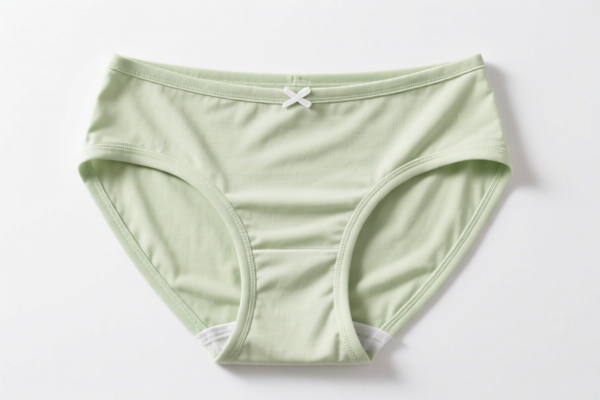
AI Analysis
🧵 Boys' Underwear Made of Bamboo Fiber
🌐 HS Code Classification & Customs Clearance Guide | 2026 Updated Tariff Analysis | Pro Tips for Exporters & Importers
📌 One Product, Multiple HS Codes — Why the Difference?
Bamboo fiber boys’ underwear may seem like a simple product — but in international trade, the exact HS code can make or break your customs clearance, tax burden, and delivery timeline.
This guide breaks down why this product is classified under four different HS codes, what each one means, how the taxes are calculated, and how to avoid costly mistakes.
🔍 Key Insight:
The difference lies in the fiber type, form (fabric vs. finished garment), and intended use — not just the material.
Even a small change in description can shift your tariff from 10% to 32.4%.
📦 HS Code Breakdown: 4 Possible Classifications (2026 Update)
| HS Code | Product Description | Key Classification Factors | Tax Rate |
|---|---|---|---|
5311.00.30.90 |
Bamboo fiber boys' underwear, made of plant-based fiber, as a woven fabric garment | ✅ Plant fiber (not synthetic) ✅ Finished clothing item ✅ Not specifically for men |
10.0% |
6107.12.00.10 |
Bamboo fiber boys' underwear, intended for boys, made of man-made or regenerated fiber | ✅ Man-made fiber (e.g., rayon from bamboo) ✅ For boys (not adult males) ✅ Specifically for underwear |
32.4% |
6207.19.90.10 |
Bamboo fiber boys' underwear, as men’s underwear, made of man-made fiber | ✅ Formally classified as "men’s underwear" ✅ Man-made fiber ✅ No specific mention of "boys" |
28.0% |
6207.19.90.30 |
Bamboo fiber boys' underwear, for men, made of textile material | ✅ General textile fiber ✅ Used as men’s underwear ✅ No mention of man-made fiber |
20.5% |
⚠️ Critical Note:
- Same product, different HS codes, different taxes.
- "Bamboo fiber" ≠ "plant fiber" — in customs, bamboo is often treated as regenerated/man-made fiber (like rayon), not natural plant fiber.
💰 2026 Tariff Breakdown: What’s Behind the Tax?
✅ Applicable Country: United States (US)
✅ Origin: China (CN)
✅ Effective Date: November 10, 2025 (inclusive)
🎯 1. 5311.00.30.90 — Plant Fiber, Woven Garment (Lowest Tax)
| Tax Component | Rate | Explanation |
|---|---|---|
| Base Duty | 0.0% | Standard tariff for plant fiber fabrics |
| Additional Duty (Section 301) | 0.0% | Not applied to this category |
| Section 122 Duty (China-Related) | 10.0% | Imposed under U.S. Trade Act of 1974, Section 122, targeting Chinese-origin goods |
| Total Tax | 10.0% | CIF × 10% |
📌 Why This Code?
- Only applies if you prove the bamboo fiber is natural plant fiber (e.g., via lab test, fiber analysis).
- If your material is rayon from bamboo, this code does NOT apply.
🎯 2. 6107.12.00.10 — Man-Made Fiber, For Boys (Highest Tax)
| Tax Component | Rate | Explanation |
|---|---|---|
| Base Duty | 14.9% | Standard for man-made fiber under 6107.12 |
| Additional Duty (Section 301) | 7.5% | From U.S. Trade Act 301, targeting Chinese goods |
| Section 122 Duty (China-Related) | 10.0% | Same as above — applies to all Chinese-origin goods |
| Total Tax | 32.4% | CIF × 32.4% |
📌 Why This Code?
- Used when the product is clearly for boys, made of man-made fiber, and not for adult males.
- Most common for children’s clothing lines — but highest tax.
🎯 3. 6207.19.90.10 — Men’s Underwear, Man-Made Fiber (Moderate Tax)
| Tax Component | Rate | Explanation |
|---|---|---|
| Base Duty | 10.5% | For "other men’s underwear" under 6207.19 |
| Additional Duty (Section 301) | 7.5% | Applies to Chinese goods |
| Section 122 Duty (China-Related) | 10.0% | Applies to all Chinese-origin goods |
| Total Tax | 28.0% | CIF × 28.0% |
📌 Why This Code?
- Used when the product is marketed as "men’s underwear", even if worn by boys.
- No "boys" mention in description → assumed adult use → higher base duty.
🎯 4. 6207.19.90.30 — Men’s Underwear, General Textile (Lowest of the High-Tax Codes)
| Tax Component | Rate | Explanation |
|---|---|---|
| Base Duty | 10.5% | Same as above |
| Additional Duty (Section 301) | 0.0% | Not applied — because the fiber is not specifically man-made |
| Section 122 Duty (China-Related) | 10.0% | Still applies to Chinese origin |
| Total Tax | 20.5% | CIF × 20.5% |
📌 Why This Code?
- Used when the fiber is not clearly man-made (e.g., described as "textile material" or "natural fiber").
- No Section 301 duty — big savings if you can avoid the "man-made" label.
🛠️ Pro Customs Clearance Tips (Real-World Advice)
✅ 1. Document Checklist (Must-Have)
| Document | Why It Matters |
|---|---|
| ✅ Product Specification Sheet | Must state: fiber type, manufacturing process, intended age group |
| ✅ Fiber Test Report (Lab Certificate) | Prove if bamboo is natural plant fiber or regenerated man-made fiber |
| ✅ High-Res Product Photos (with label) | Show size, brand, gender labeling, fiber content |
| ✅ Commercial Invoice | Must include: "Boys' Underwear, Bamboo Fiber, Woven Fabric" — be precise |
| ✅ Certificate of Origin (CO) | Required for tariff eligibility |
| ✅ Packing List | Confirm no split shipment (e.g., underwear + accessories) |
✅ 2. 申报策略: How to Lower Your Tax
🔥 "Label Right, Tax Low — One Word Can Save 12%!"
| Scenario | Correct HS Code | Tax | How to Optimize |
|---|---|---|---|
| Fiber is natural plant fiber | 5311.00.30.90 |
10.0% | Use "plant fiber", not "bamboo fiber" in description |
| Product is for boys, man-made fiber | 6107.12.00.10 |
32.4% | Avoid "men’s" or "adult" terms |
| Product is marketed as men’s, man-made | 6207.19.90.10 |
28.0% | Use "for men" only if intended for adult use |
| Product is general textile, no man-made claim | 6207.19.90.30 |
20.5% | Use "textile material", not "man-made fiber" |
📌 Pro Tip:
- Do NOT say "bamboo rayon" — that triggers man-made fiber classification.
- Say "bamboo fiber (natural plant-based)" — if you can prove it.
✅ 3. Special Cases & Risk Zones
| Situation | Action |
|---|---|
| Bamboo fiber is rayon (viscose) | Must use 6107.12.00.10 → 32.4% tax |
| Product labeled "boys’" but used by teens | Still 6107.12.00.10 → 32.4% |
| No fiber type mentioned | Risk of misclassification → higher audit risk |
| Shipment split into "underwear + packaging" | All items taxed separately → risk of 89.5%+ total tax |
🌍 Global Customs Comparison (2026)
| Country | Recommended HS Code | Tariff | Certification | Notes |
|---|---|---|---|---|
| 🇺🇸 USA | 6107.12.00.10 or 5311.00.30.90 |
10.0% – 32.4% | None (but lab report helps) | China-origin = 10% Section 122 duty |
| 🇨🇳 China | 6107.12.00.10 |
5% | CCC | No extra duties |
| 🇪🇺 EU | 6107.12.00.10 |
0% (if CE) | CE, REACH | No 301/122 duties |
| 🇦🇺 Australia | 6107.12.00.10 |
5% | RCM | No extra duties |
| 🇯🇵 Japan | 6107.12.00.10 |
0% | PSE | No extra duties |
📌 Insight:
- USA is the only market with 301 + 122 duties on Chinese goods.
- If you export to the US, HS code choice is critical.
🚨 Common Mistakes (And How to Avoid Them)
❌ Mistake 1: Using “bamboo fiber” in invoice → triggers man-made fiber classification
👉 Fix: Use “natural bamboo fiber (plant-based)” + lab report
❌ Mistake 2: Labeling as “men’s underwear” for boys
👉 Fix: Use “boys’ underwear” or “youth” — avoid adult terms
❌ Mistake 3: Splitting shipment (e.g., underwear + box + tags)
👉 Fix: Ship as one unit — avoid 89.5%+ tax on accessories
❌ Mistake 4: Not providing fiber test report
👉 Fix: Get a third-party lab test — can save 12%+ tax
🎯 Final Verdict: How to Win the Tax Game
🔥 "Label Smart, Prove Natural, Avoid ‘Man-Made’ — Your Tax Can Drop from 32.4% to 10.0%!"
✅ Best Strategy for US Importers:
Use
5311.00.30.90if you can prove natural plant fiber → only 10% tax
Use6207.19.90.30if you can’t prove natural → 20.5% (better than 32.4%)
📌 Action Steps: What You Should Do Now
- 🔬 Get a fiber analysis report — confirm if your bamboo is natural plant fiber or man-made (rayon)
- 📄 Rewrite your commercial invoice — use "natural bamboo fiber" or "textile material"
- 📸 Take clear photos — show label, size, fiber content
- 📞 Contact a customs broker — apply for advance ruling on HS code
- 🚀 Export with confidence — avoid delays, audits, and overpayment!
📣 Don’t Let Tax Rules Cost You Profits!
💼 Your product’s label is your tax shield.
📊 One word can save you thousands.
✨ Pro Tip:
If your bamboo fiber is from Vietnam, India, or Thailand, you may avoid Section 122 duty — 0% extra on top of base tariff.
📌 Final Quote:
"In customs, the truth is in the words.
Say ‘natural’ — pay 10%.
Say ‘man-made’ — pay 32.4%.
Choose wisely."
💼 Your success starts with accurate classification.
🚀 Export with confidence — because every detail counts.
Customer Reviews
About HS Code Classification
The Harmonized System (HS) is an internationally standardized nomenclature developed by the World Customs Organization (WCO) to classify traded products. Over 200 countries use the HS system as the basis for customs tariffs, trade statistics, and import/export regulations.
Each HS code follows a hierarchical structure:
- Chapter (2 digits) — Broad category of goods (e.g., Chapter 84: Machinery and Mechanical Appliances)
- Heading (4 digits) — More specific grouping within the chapter
- Subheading (6 digits) — Internationally standardized breakdown, used by all WCO member countries
- National subdivisions (8-10 digits) — Country-specific extensions for further classification, such as US HTSUS 10-digit codes
Correct HS code classification is essential for smooth customs clearance, accurate duty payment, and compliance with trade regulations. Misclassification can lead to customs delays, overpayment of duties, or penalties.
When importing from CN to US, the applicable tariff rates may include:
- Most-Favored-Nation (MFN) rate — The standard duty rate applied to WTO members
- General rate — Applied to countries without trade agreements
- Trade remedy duties — Additional tariffs such as Section 301 (anti-dumping), Section 232 (national security), or countervailing duties
The information provided on this page is for reference purposes only. For official classification, please consult with your local customs authority or a licensed customs broker.