boys' underwear modal fabric
CN → US| HS Code | Tariff Rate | Origin | Destination | Doc |
|---|---|---|---|---|
| 6207199010 | 28.0% | CN | US | Official Doc |
| 6207199030 | 28.0% | CN | US | Official Doc |
| 6107199000 | 23.1% | CN | US | Official Doc |
| 6107120010 | 32.4% | CN | US | Official Doc |
| 6117909075 | 32.1% | CN | US | Official Doc |
Product Images
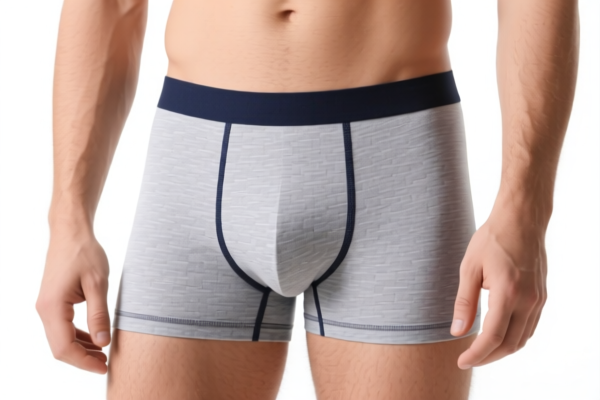
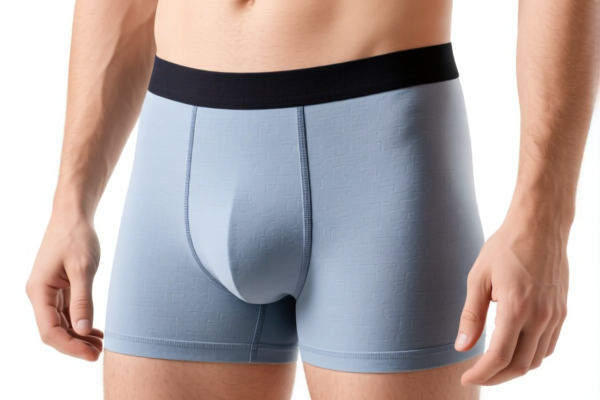
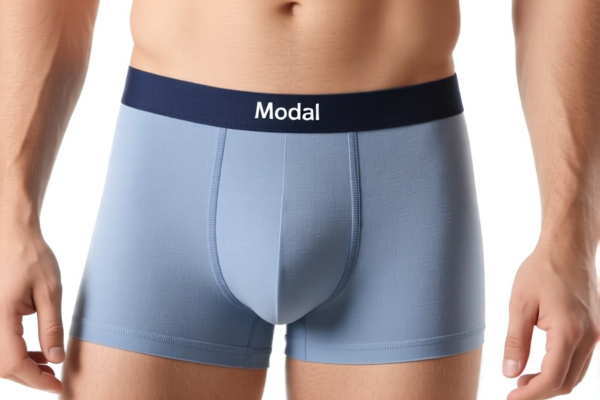
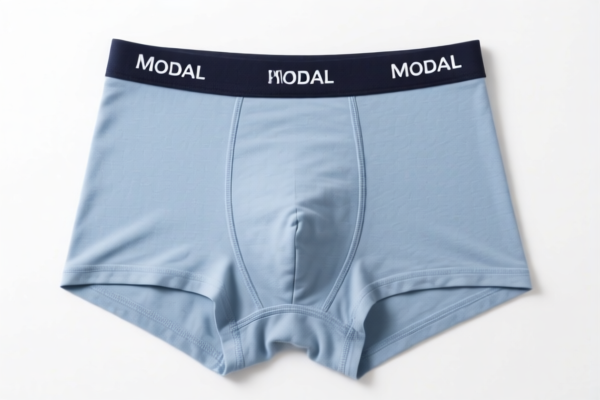
AI Analysis
👙 Boys' Underwear (Modal Fabric)
🌐 HS Code Reference & Customs Clearance Guide | 2026 Latest Tariff Analysis | Professional Strategy
📌 I. Product Definition & Classification: Do You Really Understand "Boys' Underwear"?
Boys' underwear, specifically those made from Modal fabric, is a specialized category in international trade. Modal is a type of viscose rayon (artificial/regenerated fiber) made from beech tree pulp. It is known for its softness, breathability, and durability.
In the HS Code system, the classification depends heavily on two factors: 1. Weaving Method: Is the fabric Knitted or Woven? 2. Material Composition: Modal is classified as Artificial Fiber (Regenerated Cellulosic Fiber).
⚠️ Key Distinction Point:
- If the underwear is Knitted (elastic, stretchy, typical for underwear) → It falls under Chapter 61 (Articles of Apparel and Clothing Accessories, Knitted or Crocheted).
- If the underwear is Woven (less common for stretch underwear, but possible for specific styles) → It falls under Chapter 62 (Articles of Apparel and Clothing Accessories, Not Knitted or Crocheted).
📦 II. HS Code Classification Details (2026 Latest Tariff Authority Comparison)
| HS Code | Product Description | Applicability | Weaving Type | Material Logic |
|---|---|---|---|---|
6107.19.90.00 |
Boys' Underwear, Other, Other Textile Materials | Common for Knitted Modal Underwear | ✅ Knitted | Modal = Artificial Fiber (Regenerated) |
6107.12.00.10 |
Boys' Underwear, Knitted/Crocheted, Of Artificial Fiber | Direct Fit for Modal (Artificial Fiber) | ✅ Knitted | Modal = Artificial Fiber |
6207.19.90.10 |
Boys' Underwear, Of Artificial Fiber | Woven Modal Underwear (Less Common) | ❌ Woven | Modal = Artificial Fiber |
6207.19.90.30 |
Boys' Underwear, Other Textile Materials | Woven Modal (if classified as "Other") | ❌ Woven | Modal = Textile Material |
6117.90.90.75 |
Other Made-Up Clothing Accessories, Knitted | Parts/Accessories (e.g., Waistbands, Decorations) | ✅ Knitted | Modal = Artificial Fiber |
🔍 Critical Reminder:
- Knitted vs. Woven: Most boys' underwear is knitted. If you submit a woven HS Code (6207) for knitted goods, customs will reject it.
- Modal = Artificial Fiber: In HS Code terms, Modal is not natural fiber (cotton/wool) but Artificial/Regenerated Fiber. This affects the sub-heading (e.g.,.12vs.19).
💰 III. 2026 Latest Tariff Rate Breakdown (Including Additional Taxes & Policy Surcharges)
✅ Applicable Country: United States (US)
✅ Origin: China (CN)
✅ Effective Time: From November 10, 2025 (including subsequent imports)
🎯 1. 6107.12.00.10 – Boys' Underwear, Knitted, Of Artificial Fiber (Best Fit for Modal)
| Item | Content |
|---|---|
| Base Duty Rate | 14.9% |
| Section 301 Additional Duty | +7.5% |
| Section 301 Clause 122 Duty | +10% |
| Total Duty Rate | 32.4% |
| Tax Calculation | CIF Value × 32.4% |
| De Minimis Eligibility | ❌ No (deny_de_minimis) |
| Legal Basis Path | USITC:6107.12.00.10 → Section 301: 7.5% → Clause 122: 10% |
📌 Explanation:
- This is the most accurate code for knitted boys' underwear made of Modal (Artificial Fiber).
- The total tax burden is high (32.4%) due to the combination of base duty and multiple US trade measures.
🎯 2. 6107.19.90.00 – Boys' Underwear, Other, Other Textile Materials (Alternative for Knitted)
| Item | Content |
|---|---|
| Base Duty Rate | 5.6% |
| Section 301 Additional Duty | +7.5% |
| Section 301 Clause 122 Duty | +10% |
| Total Duty Rate | 23.1% |
| Tax Calculation | CIF Value × 23.1% |
| De Minimis Eligibility | ❌ No |
| Legal Basis Path | USITC:6107.19.90.00 → Section 301: 7.5% → Clause 122: 10% |
📌 Explanation:
- This code applies if the customs authority classifies Modal under "Other Textile Materials" rather than "Artificial Fiber" specifically.
- Lower base duty (5.6%) makes this a potentially cheaper option if accepted by customs.
🎯 3. 6207.19.90.10 / 6207.19.90.30 – Boys' Underwear, Woven (Only for Woven Modal)
| Item | Content |
|---|---|
| Base Duty Rate | 10.5% |
| Section 301 Additional Duty | +7.5% |
| Section 301 Clause 122 Duty | +10% |
| Total Duty Rate | 28.0% |
| Tax Calculation | CIF Value × 28.0% |
| De Minimis Eligibility | ❌ No |
📌 Explanation:
- Only use these if your product is woven (non-stretch).
- If your Modal underwear is knitted but you declare it as woven, you risk misclassification penalties.
🎯 4. 6117.90.90.75 – Other Made-Up Clothing Accessories (Parts Only)
| Item | Content |
|---|---|
| Base Duty Rate | 14.6% |
| Section 301 Additional Duty | +7.5% |
| Section 301 Clause 122 Duty | +10% |
| Total Duty Rate | 32.1% |
| Tax Calculation | CIF Value × 32.1% |
📌 Explanation:
- This code is for parts or accessories (e.g., waistbands, labels, or incomplete pieces), NOT for complete underwear.
- Do not use this for finished underwear.
🛠️ IV. Customs Clearance Practical Advice (Real-World Pitfall Guide)
✅ 1. Required Documentation Checklist (No Exceptions)
| Document | Mandatory | Notes |
|---|---|---|
| ✅ Product Specification Sheet | ✔️ | Must include: Knitted/Woven status, Modal content (%), Size, Gender (Boys) |
| ✅ Fabric Composition Certificate | ✔️ | Prove Modal is Artificial Fiber (Viscose/Regenerated Cellulosic) |
| ✅ Product Photos (Label & Front/Back) | ✔️ | Clearly show "100% Modal" or "Modal Blend" tag |
| ✅ Commercial Invoice | ✔️ | Describe as "Boys' Knitted Underwear, Modal Fabric" |
| ✅ Packing List | ✔️ | List items per box; no hidden components |
| ✅ Third-Party Test Report | ✔️ | Oeko-Tex, REACH, or CPSIA (if for children under 12 in US) |
✅ 2. Declaration Tips (Key Mantra)
🔥 "Knitted is Key, Modal is Artificial, Don't Split, Declare Whole!"
| Scenario | Correct Declaration | Wrong Action |
|---|---|---|
| Finished Knitted Underwear | 6107.12.00.10 or 6107.19.90.00 |
Declare as "Fabric" → 45%+ risk |
| Knitted Underwear + Packaging | Declare as Whole Item | Split into "Underwear" + "Polybag" → Higher tax |
| Woven Underwear (Rare) | 6207.19.90.10 |
Declare as Knitted → Rejection |
| Underwear Parts (Waistbands) | 6117.90.90.75 |
Declare as Finished Underwear → Misclassification |
✅ 3. Special Cases Handling
| Situation | Recommendation |
|---|---|
| OEM Custom Branding | Provide client order + design sheet; avoid "Generic" labels |
| Children's Apparel (Age <12) | Must comply with CPSIA (Lead/Phthalates). Provide tracking label. |
| Modal Blend (e.g., 95% Modal, 5% Spandex) | Still classified under Artificial Fiber (6107.12) if Modal is dominant |
| Sample Shipments | Still subject to full duties; no de minimis exemption for China-origin goods |
🌍 V. Global Market Clearance Comparison (2026 Latest)
| Country/Region | Recommended HS Code | Duty Rate (China Origin) | Certification Required | Notes |
|---|---|---|---|---|
| 🇺🇸 USA | 6107.12.00.10 |
32.4% | CPSIA, Oeko-Tex | High tariffs due to Section 301 + Clause 122 |
| 🇨🇳 China | 6107.12.00.10 |
5% | None | Low domestic duty |
| 🇪🇺 EU | 6107.12.00.10 |
8% | REACH, CE (if applicable) | No additional US-style tariffs |
| 🇦🇺 Australia | 6107.12.00.10 |
5% | WEEE (if electronic, N/A here) | Standard textile duty |
| 🇯🇵 Japan | 6107.12.00.10 |
9% | JIS | No additional tariffs |
📌 Conclusion:
- USA has the highest effective duty rate (32.4%) for boys' modal underwear due to multiple surcharges.
- EU and Asia have significantly lower rates (5-9%), making them more cost-effective markets.
- China Origin is key: Any duty advantage disappears if goods are transshipped from Vietnam/Mexico without substantial transformation.
📌 VI. Common Mistakes & Pitfall Guide (Lessons Learned)
❌ Mistake 1: Declaring Knitted Underwear as Woven (6207)
👉 Consequence: Customs rejects shipment, delays clearance, or fines for misclassification.
❌ Mistake 2: Ignoring Modal's Classification as "Artificial Fiber"
👉 Consequence: Using "Cotton" codes (6107.11) leads to underpayment and back-taxes.
❌ Mistake 3: Splitting Packaging as Separate Items
👉 Consequence: Polybags or boxes declared separately → Higher total duty (up to 89.5% for accessories).
❌ Mistake 4: Failing to Provide CPSIA Compliance for Children's Wear
👉 Consequence: Border detention in the US. Children's underwear must meet strict chemical and labeling standards.
✅ Correct Approach:
"Boys' Knitted Underwear, 95% Modal (Artificial Fiber), 5% Spandex, Oeko-Tex Certified, CPSIA Compliant, Model XYZ"
🎯 VII. Conclusion: Professional Declaration, Time-Saving, Cost-Effective!
🎯 Remember the Mantra:
🔹 "Knitted = Chapter 61, Modal = Artificial Fiber, USA = 32.4%, EU = 8%!"
🔹 "HS Code Determines Duty, Misclassification Costs Thousands!"
📌 Pro Tip:
If your Modal underwear is originating from Vietnam, Mexico, or Thailand (with substantial transformation), you may qualify for IEEPA Exemptions or lower US tariffs.
Consider applying for an Advance Ruling from US Customs to confirm the correct HS Code before shipping.
📣 Immediate Action:
📞 Contact a Professional Broker + Provide Fabric Certificate + Apply for HS Code Advance Ruling
🚀 Ensure your Modal Underwear Clears Customs Smoothly, Reduces Costs, and Maximizes Profit!
✨ Professional Clearance Starts with Accurate Classification!
💼 Every Cent Saved is Worth the Precision!
Customer Reviews
About HS Code Classification
The Harmonized System (HS) is an internationally standardized nomenclature developed by the World Customs Organization (WCO) to classify traded products. Over 200 countries use the HS system as the basis for customs tariffs, trade statistics, and import/export regulations.
Each HS code follows a hierarchical structure:
- Chapter (2 digits) — Broad category of goods (e.g., Chapter 84: Machinery and Mechanical Appliances)
- Heading (4 digits) — More specific grouping within the chapter
- Subheading (6 digits) — Internationally standardized breakdown, used by all WCO member countries
- National subdivisions (8-10 digits) — Country-specific extensions for further classification, such as US HTSUS 10-digit codes
Correct HS code classification is essential for smooth customs clearance, accurate duty payment, and compliance with trade regulations. Misclassification can lead to customs delays, overpayment of duties, or penalties.
When importing from CN to US, the applicable tariff rates may include:
- Most-Favored-Nation (MFN) rate — The standard duty rate applied to WTO members
- General rate — Applied to countries without trade agreements
- Trade remedy duties — Additional tariffs such as Section 301 (anti-dumping), Section 232 (national security), or countervailing duties
The information provided on this page is for reference purposes only. For official classification, please consult with your local customs authority or a licensed customs broker.