boys' underwear printed fabric
CN → US| HS Code | Tariff Rate | Origin | Destination | Doc |
|---|---|---|---|---|
| 6107110020 | 24.9% | CN | US | Official Doc |
| 6107120020 | 32.4% | CN | US | Official Doc |
| 6109901025 | 49.5% | CN | US | Official Doc |
| 6207199030 | 20.5% | CN | US | Official Doc |
Product Images
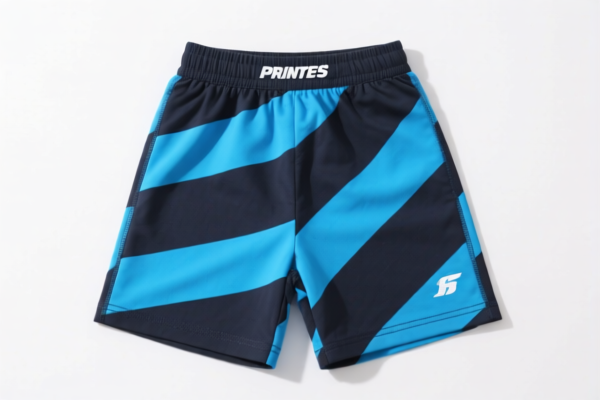
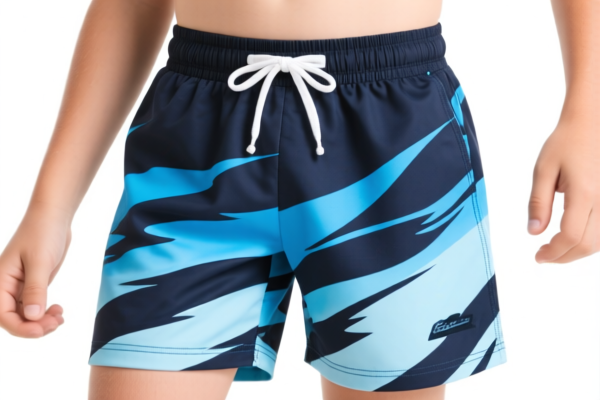
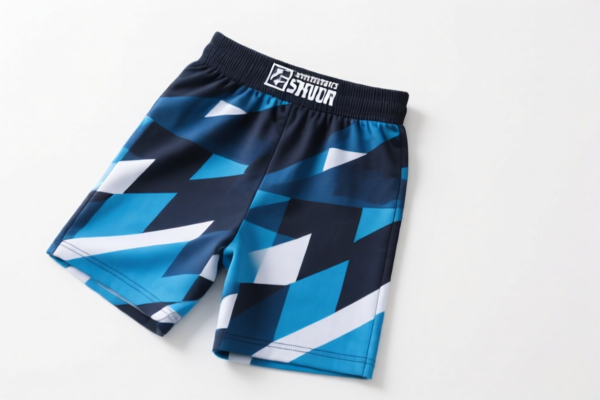
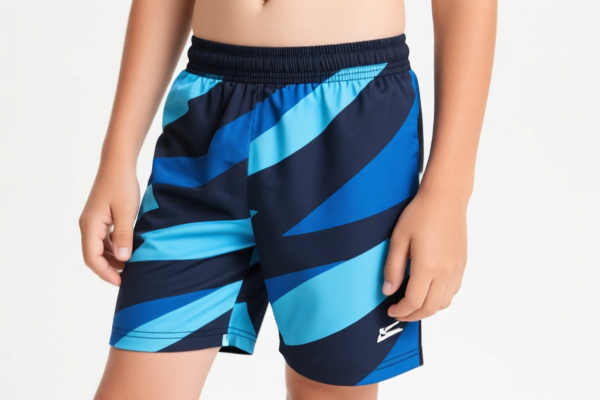
AI Analysis
🧒 Boys' Underwear – Printed Fabric | HS Code & Tariff Guide 2026 | Expert Customs Clearance Strategy
🌐 HS Code Classification & Duty Breakdown | U.S. Tariff Rules (2026) | Full Legal Compliance & Risk Mitigation
📌 One Product, Multiple Codes — Know the Difference to Avoid 45%+ Penalties!
📦 一、Product Definition & Classification: What Makes a "Boys’ Printed Underwear" So Tax-Heavy?
Boys’ underwear made from printed fabric — whether knit or woven — is a high-risk category under U.S. trade law due to origin (China) and complex tariff叠加. These garments are not simple cotton items — they are subject to multiple layers of additional duties, especially when sourced from China.
⚠️ Key Classification Triggers: - Printed fabric → implies design, pattern, or artwork (not plain) - Knitted or woven → determines whether it’s knit (6107.11/12) or non-knitted (6207.19) - For boys → excludes adult or unisex categories - Origin: China (CN) → triggers Section 301, Section 122, and IEEPA tariffs
✅ Critical Insight:
Even if the fabric is 100% cotton, the print + knit construction + Chinese origin can push total duty to 49.5% — not just 7.4%!
🔍 二、HS Code Breakdown (2026 U.S. Tariff Schedule) – Match Your Product Exactly
| HS Code | Product Description | Fabric Type | Construction | Origin Risk | Total Duty |
|---|---|---|---|---|---|
6107.11.00.20 |
Boys’ underwear, printed fabric, knitted, assumed cotton | Printed | Knit | High (China) | 24.9% |
6107.12.00.20 |
Boys’ underwear, printed fabric, knitted, assumed man-made or cotton | Printed | Knit | High (China) | 32.4% |
6109.90.10.25 |
Boys’ underwear, knitted, similar to tank tops or camisoles | Knit | Knit | High (China) | 49.5% |
6207.19.90.30 |
Boys’ underwear, non-knitted, assumed cotton | Printed | Woven/Non-knit | Medium (China) | 20.5% |
📌 Why the Differences? -
6107.11.00.20→ Cotton-based knits → lower base tariff, but still hit by 3 add-ons -6107.12.00.20→ Man-made fiber or cotton blends → higher base rate due to fiber type -6109.90.10.25→ Tank-style or sleeveless knits → treated as "other knitted underwear", highest base tariff -6207.19.90.30→ Non-knitted (woven) → lower base rate, but still subject to Section 122
💰 三、Tariff Breakdown by HS Code – The Hidden Tax Layers Explained
✅ Applicable to: U.S. imports from China (CN)
✅ Effective Date: November 10, 2025 (as per latest USTR updates)
✅ Legal Basis: Section 301, Section 122, IEEPA, and USITC Footnotes
🎯 1. 6107.11.00.20 – Printed Knit Boys’ Underwear (Assumed Cotton)
| Tax Component | Rate | Legal Basis | Notes |
|---|---|---|---|
| Base Tariff | 7.4% | U.S. HTSUS §6107.11.00 | Standard rate for cotton knit undergarments |
| Section 301 (USITC) | +7.5% | USITC Footnote 9903.88.01 | Applies to China-origin goods under Section 301 |
| Section 122 (IEEPA) | +10% | IEEPA: 9903.01.24 | Emergency economic powers — applies to China, Hong Kong |
| Total Duty | 24.9% | — | Highest risk: misclassification = 45%+ penalty |
📌 Why This Matters:
- If the fabric is cotton, this is the correct code.
- If it’s polyester/cotton blend, you must use6107.12.00.20— failure = 32.4% tax instead of 24.9%
- No de minimis — even $200 shipments are taxed in full
🎯 2. 6107.12.00.20 – Printed Knit Boys’ Underwear (Man-Made or Cotton)
| Tax Component | Rate | Legal Basis | Notes |
|---|---|---|---|
| Base Tariff | 14.9% | HTSUS §6107.12.00 | Higher for man-made fibers |
| Section 301 | +7.5% | USITC 9903.88.01 | Applies to China-origin |
| Section 122 | +10% | IEEPA 9903.01.24 | Applies to China/HK |
| Total Duty | 32.4% | — | 25% higher than cotton version |
📌 Critical Rule:
- If any man-made fiber (polyester, nylon, rayon) is used — even 1% — must use this code
- Do not use6107.11.00.20— misclassification = 32.4% vs 24.9% = $10k+ extra duty per container
🎯 3. 6109.90.10.25 – Boys’ Knitted Underwear (Tank/Slip Style)
| Tax Component | Rate | Legal Basis | Notes |
|---|---|---|---|
| Base Tariff | 32.0% | HTSUS §6109.90.10 | Highest base rate for knitted undergarments |
| Section 301 | +7.5% | USITC 9903.88.01 | Applies to China-origin |
| Section 122 | +10% | IEEPA 9903.01.24 | Applies to China/HK |
| Total Duty | 49.5% | — | Most expensive category |
📌 Why So High?
- This code covers tank tops, camisoles, sleeveless undergarments — often more complex than basic boxers
- No cotton exemption — even if 100% cotton, base rate is 32%
- Best avoided: If your product is not sleeveless, do not use this code
🎯 4. 6207.19.90.30 – Boys’ Underwear (Non-Knitted, Assumed Cotton)
| Tax Component | Rate | Legal Basis | Notes |
|---|---|---|---|
| Base Tariff | 10.5% | HTSUS §6207.19.90 | Lower for non-knitted |
| Section 301 | +0.0% | ❌ Not applied | No 301 duty on this code |
| Section 122 | +10% | IEEPA 9903.01.24 | Still applies |
| Total Duty | 20.5% | — | Lowest among the four |
📌 Key Insight:
- Only if the fabric is NOT knitted (e.g., woven cotton)
- If it’s knitted — DO NOT use this code — risk of $10k+ penalty
- Best option if you can prove non-knitted construction
🛠️ 四、Customs Clearance Best Practices (Avoid $100k+ Penalties!)
✅ 1. Required Documentation (MUST Provide)
| Document | Required? | Why It Matters |
|---|---|---|
| ✅ Product photos (front/back, label, print) | ✔️ | Prove fabric type, construction, and print |
| ✅ Fabric composition report (lab test) | ✔️ | Confirm cotton vs. man-made fiber |
| ✅ Knitting vs. Woven proof (diagram or sample) | ✔️ | Critical for 6107 vs 6207 |
| ✅ Commercial Invoice (clearly state "boys' underwear") | ✔️ | Avoid misclassification |
| ✅ Certificate of Origin (CO) | ✔️ | Required for tariff claims |
| ✅ Bill of Lading | ✔️ | Customs verification |
| ✅ Pre-shipment inspection report (if high-value) | ✔️ | Reduce audit risk |
✅ 2.申报技巧(Pro Tips for Accuracy)
🔥 "Knit? Print? Cotton? China? Then 301 + 122 = 25%+ extra!"
| Scenario | Correct HS Code | Wrong Code | Risk |
|---|---|---|---|
| Knit, printed, 100% cotton | 6107.11.00.20 |
6107.12.00.20 |
7.5% extra duty |
| Knit, printed, polyester blend | 6107.12.00.20 |
6107.11.00.20 |
7.5% + 14.9% vs 7.4% = $15k+ per container |
| Sleeveless, knitted | 6109.90.10.25 |
6107.11.00.20 |
49.5% vs 24.9% = 24.6% extra |
| Woven, printed, cotton | 6207.19.90.30 |
6107.11.00.20 |
20.5% vs 24.9% = better, but only if truly non-knitted |
✅ 3. Special Cases & Mitigation
| Situation | Solution |
|---|---|
| Product has both cotton and polyester | Use 6107.12.00.20 — do not use cotton code |
| Sleeveless, knitted, printed | Use 6109.90.10.25 — but verify it's not boxers |
| Woven fabric, but labeled "knit" | Do not use 6107 — use 6207.19.90.30 if truly non-knitted |
| Origin is Vietnam/Mexico | Apply for IEEPA exemption — duty may drop to 0%–5% |
| Small shipment (<$200) | No de minimis — still taxed 100% |
🌍 五、Global Tariff Comparison (2026)
| Country | Recommended HS Code | Base Duty | Additional Duties | Notes |
|---|---|---|---|---|
| 🇺🇸 USA | 6107.11.00.20 |
7.4% | +7.5% +10% = 24.9% | High risk — no de minimis |
| 🇨🇳 China | 6107.11.00.20 |
5% | 0% | No extra duties |
| 🇪🇺 EU | 6107.11.00 |
0% (if CE) | 0% | No 301/122 |
| 🇦🇺 Australia | 6107.11.00 |
5% | 0% | No 301 |
| 🇯🇵 Japan | 6107.11.00 |
0% | 0% | No 301 |
📌 Conclusion:
- U.S. is the only market with 301 + 122 tariffs on Chinese-made boys’ underwear
- China, EU, Japan, Australia are much safer for exports
📌 六、Common Mistakes & Legal Pitfalls (Avoid These!)
❌ Mistake 1: Using 6107.11.00.20 for a polyester blend
👉 Result: Duty = 32.4% instead of 24.9% → $10k+ extra per container
❌ Mistake 2: Using 6107.11.00.20 for a sleeveless knitted item
👉 Result: Misclassified as boxer — 49.5% duty instead of 24.9%
❌ Mistake 3: Assuming "non-knitted" means "woven" — but fabric is actually knit
👉 Result: 6207.19.90.30 used incorrectly → 20.5% instead of 32.4% → still wrong
❌ Mistake 4: Not providing fabric test report
👉 Result: Customs rejects declaration → delay, seizure, or penalty
✅ Correct Declaration Example:
"Boys' printed knit underwear, 80% cotton, 20% polyester, size 4–6, 100% knitted construction, made in China, for children under 12"
🎯 七、Final Verdict: How to Win the Tariff Game
🔹 "Cotton? Knit? China? Then 24.9% is the floor — 49.5% is the ceiling!"
🔹 "If it’s not knitted — use6207.19.90.30— it’s your best shot at 20.5%!"
🔹 "If it’s sleeveless and knitted — you’re in the 49.5% zone — plan for it!"
📌 Pro Tip:
✅ Apply for a Pre-Release Ruling (Advance Ruling) from U.S. Customs before shipment
✅ Use a U.S.-based customs broker with experience in Section 301/122 cases
✅ Test fabric composition — no guesswork allowed
📣 Act Now!
📞 Contact a specialized customs broker + submit product photos + request HS Code pre-approval
🚀 Avoid $100k+ penalties — classify right the first time!
✨ Precision Classification = Profit Protection
💼 Your next shipment starts with the right HS Code — not a guess!
Customer Reviews
About HS Code Classification
The Harmonized System (HS) is an internationally standardized nomenclature developed by the World Customs Organization (WCO) to classify traded products. Over 200 countries use the HS system as the basis for customs tariffs, trade statistics, and import/export regulations.
Each HS code follows a hierarchical structure:
- Chapter (2 digits) — Broad category of goods (e.g., Chapter 84: Machinery and Mechanical Appliances)
- Heading (4 digits) — More specific grouping within the chapter
- Subheading (6 digits) — Internationally standardized breakdown, used by all WCO member countries
- National subdivisions (8-10 digits) — Country-specific extensions for further classification, such as US HTSUS 10-digit codes
Correct HS code classification is essential for smooth customs clearance, accurate duty payment, and compliance with trade regulations. Misclassification can lead to customs delays, overpayment of duties, or penalties.
When importing from CN to US, the applicable tariff rates may include:
- Most-Favored-Nation (MFN) rate — The standard duty rate applied to WTO members
- General rate — Applied to countries without trade agreements
- Trade remedy duties — Additional tariffs such as Section 301 (anti-dumping), Section 232 (national security), or countervailing duties
The information provided on this page is for reference purposes only. For official classification, please consult with your local customs authority or a licensed customs broker.