boys' windproof knitted or crochet leather blend jacket
CN → US| HS Code | Tariff Rate | Origin | Destination | Doc |
|---|---|---|---|---|
| 6201906960 | 21.7% | CN | US | Official Doc |
| 6113009025 | 24.6% | CN | US | Official Doc |
| 6101301000 | 23.1% | CN | US | Official Doc |
| 6113001005 | 21.3% | CN | US | Official Doc |
| 6201904960 | 21.7% | CN | US | Official Doc |
Product Images
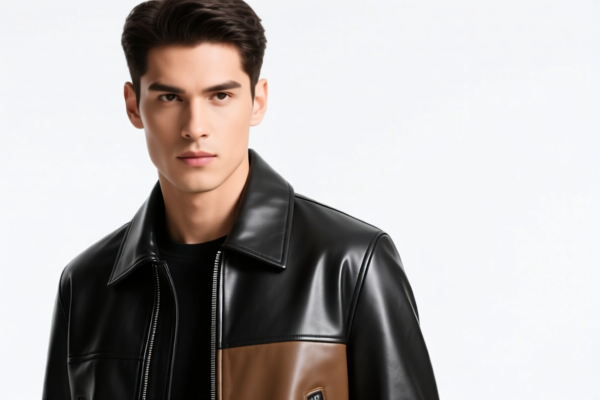
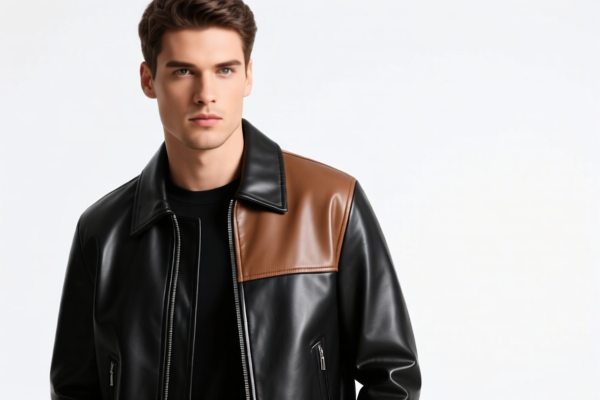
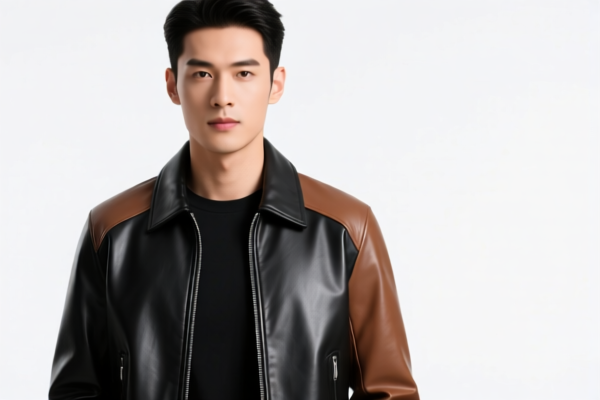

AI Analysis
👕 Boys' Windproof Knitted or Crochet Leather Blend Jacket
🌐 HS Code Reference & Customs Clearance Guide | 2026 Latest Tariff Analysis | Professional通关 Strategy
📌 1. Product Definition & Classification: Do You Really Understand "Leather Blend Jackets"?
A Boys' Windproof Knitted or Crochet Leather Blend Jacket is a children's outerwear garment. In international trade, classification is complex because it sits at the intersection of three categories: Fabric Composition (Knitted vs. Woven), Material (Leather vs. Textile), and Function (Windproof/Outerwear).
Key Classification Dilemmas:
- Knitted/Crochet (Chapter 61) vs. Woven (Chapter 62): Is the leather blended with knitted yarns (e.g., fleece lining) or woven synthetic fabrics?
- Leather Content: Does it meet the threshold for "Leather Articles" or is it treated as "Textile Outerwear with Leather Details"?
- Windproof Feature: Does this push it into a specific "Windbreaker" sub-category, or does it remain general outerwear?
⚠️ Critical Distinction:
- If the primary structure is Knitted/Crochet and leather is blended in → Chapter 61
- If the primary structure is Woven (even if labeled "windproof") → Chapter 62
- Misclassification Risk: Declaring a knitted item as woven (or vice versa) leads to significant duty differences and potential penalties.
📦 2. HS Code Classification Details (2026 Latest Tariff Authority Comparison)
Based on the provided data, here are the five potential HS Codes and their logical justifications:
| HS Code | Product Description & Logic | Tax Rate (Total) | Tax Detail Breakdown |
|---|---|---|---|
6201.90.69.60 |
Boys' Windproof Jacket, Leather Blend, Woven. Fits the "fallback" logic for non-cotton, non-wool, non-synthetic fiber outerwear. | 21.7% | Base: 4.2% + Section 301: 7.5% + Section 122: 10% |
6113.00.90.25 |
Boys' Jacket, Leather Blend, Knitted/Crochet. Classified under "Other" articles of apparel, knitted/crocheted. | 24.6% | Base: 7.1% + Section 301: 7.5% + Section 122: 10% |
6101.30.10.00 |
Boys' Jacket, Leather Blend, Knitted/Crochet. Specifically fits "Man-made fibers containing ≥25% leather" or similar knitted outerwear logic. | 23.1% | Base: 5.6% + Section 301: 7.5% + Section 122: 10% |
6113.00.10.05 |
Boys' Jacket, Knitted/Crochet, Leather Blend with Covering Properties. No conflict with general knitted outerwear rules. | 21.3% | Base: 3.8% + Section 301: 7.5% + Section 122: 10% |
6201.90.49.60 |
Boys' Windproof Jacket, Leather Blend, Woven. Fits the "fallback" logic for non-cotton/non-wool/non-synthetic woven outerwear. | 21.7% | Base: 4.2% + Section 301: 7.5% + Section 122: 10% |
🔍 Key Insight:
- Cheapest Option:6113.00.10.05(21.3%) — Requires proving the item is knitted/crochet with specific covering properties.
- Most Common "Fallback" Options:6201.90.69.60and6201.90.49.60(21.7%) — Used when the jacket doesn't fit specific woven categories.
- Highest Risk/Rate:6113.00.90.25(24.6%) — Higher base tariff for "Other" knitted articles.
💰 3. 2026 Latest Tariff Rate Breakdown (Including Surtaxes & Policy Add-ons)
✅ Applicable Country: United States (US)
✅ Origin: China (CN)
✅ Effective Date: Post-November 2025 (including Section 122 and 301 tariffs)
🎯 1. 6113.00.10.05 — Boys' Knitted Jacket, Leather Blend (Lowest Rate)
| Item | Content |
|---|---|
| Base Tariff | 3.8% (ad valorem) |
| Section 301 Surtax | +7.5% (Trade Act of 1974, Section 301) |
| Section 122 Surtax | +10% (Section 122 of the Trade Facilitation and Trade Enforcement Act) |
| Total Rate | 21.3% |
| Tax Calculation | CIF Value × 21.3% |
| De Minimis Eligibility | ❌ No (Deny de minimis for China-origin apparel under current enforcement) |
| Legal Basis Path | HTSUS:6113.00.10.05 → Section 301: 7.5% → Section 122: 10% |
📌 Explanation:
- Base 3.8%: Standard MFN rate for knitted boys' outerwear.
- Section 301 (7.5%): Applied to textile/apparel products from China.
- Section 122 (10%): Additional duty to offset unfair trade practices.
- Total 21.3%: The most favorable rate if the item qualifies as knitted with specific properties.
🎯 2. 6101.30.10.00 — Boys' Knitted Jacket, Leather Blend (≥25% Leather?)
| Item | Content |
|---|---|
| Base Tariff | 5.6% |
| Section 301 Surtax | +7.5% |
| Section 122 Surtax | +10% |
| Total Rate | 23.1% |
| Tax Calculation | CIF Value × 23.1% |
| De Minimis Eligibility | ❌ No |
| Legal Basis Path | HTSUS:6101.30.10.00 → Section 301: 7.5% → Section 122: 10% |
📌 Note:
- Higher base rate (5.6%) compared to6113.00.10.05.
- Often applied if the leather content meets a specific threshold (e.g., ≥25%) or if the product is classified under specific synthetic/knitted blends.
🎯 3. 6113.00.90.25 — Boys' Knitted Jacket, "Other" (Highest Rate)
| Item | Content |
|---|---|
| Base Tariff | 7.1% |
| Section 301 Surtax | +7.5% |
| Section 122 Surtax | +10% |
| Total Rate | 24.6% |
| Tax Calculation | CIF Value × 24.6% |
| De Minimis Eligibility | ❌ No |
| Legal Basis Path | HTSUS:6113.00.90.25 → Section 301: 7.5% → Section 122: 10% |
📌 Warning:
- This is a "catch-all" category for knitted articles not specified elsewhere.
- Highest total duty (24.6%). Avoid if a more specific knitted classification applies.
🎯 4. & 5. Woven Options (6201.90.69.60 & 6201.90.49.60)
| Item | Content |
|---|---|
| Base Tariff | 4.2% |
| Section 301 Surtax | +7.5% |
| Section 122 Surtax | +10% |
| Total Rate | 21.7% |
| Tax Calculation | CIF Value × 21.7% |
| De Minimis Eligibility | ❌ No |
| Legal Basis Path | HTSUS:6201.90.x.x → Section 301: 7.5% → Section 122: 10% |
📌 Note:
- These are "fallback" classifications for woven boys' outerwear.
- Total rate is 21.7%, slightly higher than the best knitted option but lower than the highest knitted option.
- Use only if the jacket is definitively woven (not knitted/crochet).
🛠️ 4. Customs Clearance Practical Advice (Real-World Pitfall Guide)
✅ 1. Document Checklist (Mandatory)
| Document | Required | Description |
|---|---|---|
| ✅ Product Spec Sheet | ✔️ | Material composition (e.g., 70% Polyester, 30% Leather), construction method (Knitted vs. Woven). |
| ✅ Fabric Swatch/Test Report | ✔️ | Third-party lab test confirming "Knitted/Crochet" vs. "Woven". Critical for Chapter 61 vs. 62. |
| ✅ Product Photos (Clear) | ✔️ | Front, back, inside lining, tags showing material content. |
| ✅ Commercial Invoice | ✔️ | Must state: "Boys' Windproof Knitted Jacket, Leather Blend." |
| ✅ Packing List | ✔️ | Item count, weight, dimensions. |
| ✅ Origin Certificate | ✔️ | If applicable, but note: China origin triggers surtaxes. |
✅ 2. Declaration Tips (Key Mantras)
🔥 "Knit vs. Woven is Life: Misclassify, Pay More!"
| Scenario | Correct Declaration | Wrong Declaration |
|---|---|---|
| Jacket is Knitted/Fleece-lined | 6113.00.10.05 or 6101.30.10.00 |
Misdeclare as Woven (6201...) → Audit risk |
| Jacket is Woven (Windbreaker style) | 6201.90.69.60 or 6201.90.49.60 |
Misdeclare as Knitted → Audit risk |
| Leather Content ≥25% | Consider 6101.30.10.00 |
Misclassify as general textile → Higher base rate |
| "Other" Knitted Article | 6113.00.90.25 |
Use only if no specific fit → Highest rate |
✅ 3. Special Handling Cases
| Scenario | Handling Advice |
|---|---|
| Mixed Materials (e.g., Leather + Cotton) | Must provide material breakdown by weight. If leather is >5%, different rules may apply. |
| Windproof Treatment | If the windproof layer is a separate membrane (e.g., Gore-Tex), ensure it's described as part of the outerwear. |
| Children's Safety Regulations | Ensure compliance with CPSC (Flammability, Cords & Drawstrings). Non-compliance leads to seizure, not just duty issues. |
| Section 122 & 301 Applicability | Both surtaxes apply to China-origin apparel. No exemption for small batches. |
🌍 5. Global Market Comparison (2026 Latest)
| Country/Region | Recommended HS Code | Total Duty (China Origin) | Certification Required | Notes |
|---|---|---|---|---|
| 🇺🇸 USA | 6113.00.10.05 (Best Case) |
21.3% - 24.6% | CPSC, Flammability | High surtaxes (301 + 122). |
| 🇨🇳 China | 6113.00.10.05 |
~8-12% | CCC (if applicable) | No 301/122 surtaxes. |
| 🇪🇺 EU | 6113.00.10.05 |
12% | CE, REACH | No Section 301/122. |
| 🇬🇧 UK | 6113.00.10.05 |
12% | UKCA, REACH | Post-Brexit rules apply. |
| 🇨🇦 Canada | 6113.00.10.05 |
17.5% | CBSA Declaration | No US-style surtaxes. |
📌 Conclusion:
- USA is the most expensive market for China-origin children's jackets due to Section 301 (7.5%) and Section 122 (10%).
- Total duty ranges from 21.3% to 24.6%, depending on precise classification.
- EU/UK/Canada are more favorable, with no additional political surtaxes.
📌 6. Common Mistakes & Pitfall Guide (Lessons Learned)
❌ Mistake 1: Declaring a Knitted jacket as Woven to avoid specific sub-rules.
👉 Consequence: Customs may reclassify to a higher-tariff code or impose penalties for misdeclaration.
❌ Mistake 2: Ignoring Section 122 (10%) and Section 301 (7.5%).
👉 Consequence: Underpayment of duties → Back taxes + Interest + Penalties.
❌ Mistake 3: Not providing Material Composition Breakdown.
👉 Consequence: Customs cannot determine if leather content ≥25% → Delayed clearance or audit.
❌ Mistake 4: Using "Jacket" as the only description.
👉 Consequence: Vague descriptions lead to "Best Judgment" classification by customs, often resulting in higher duties.
✅ Correct Approach:
"Boys' Knitted Windproof Jacket, Outer Layer: 70% Polyester Knit, 30% Leather Blend. Lining: Polyester. Model: XYZ. CPSC Compliant."
🎯 7. Conclusion: Precision Classification, Cost Savings, Compliance
🎯 Key Takeaways:
🔹 "Knitted vs. Woven" determines Chapter 61 vs. 62.
🔹 "Leather Content" affects Base Tariff (3.8% vs. 5.6% vs. 7.1%).
🔹 "Section 301 + Section 122" adds 17.5% to every duty.
🔹 Best Rate:6113.00.10.05(21.3%).
🔹 Worst Rate:6113.00.90.25(24.6%).
📌 Pro Tip:
If your product qualifies for Chapter 61 (Knitted), always aim for 6113.00.10.05 or 6101.30.10.00 to minimize base tariffs. Avoid "Other" categories (6113.00.90.25) unless absolutely necessary.
📣 Immediate Action:
📞 Consult with a licensed customs broker.
📄 Submit a Binding Ruling Request to US CBP for definitive HS Code classification.
🚀 Save up to 3.3% by choosing the optimal HS Code!
✨ Professional Clearance, Starting with Accurate Classification!
💼 Every Percentage Point Counts!
Customer Reviews
About HS Code Classification
The Harmonized System (HS) is an internationally standardized nomenclature developed by the World Customs Organization (WCO) to classify traded products. Over 200 countries use the HS system as the basis for customs tariffs, trade statistics, and import/export regulations.
Each HS code follows a hierarchical structure:
- Chapter (2 digits) — Broad category of goods (e.g., Chapter 84: Machinery and Mechanical Appliances)
- Heading (4 digits) — More specific grouping within the chapter
- Subheading (6 digits) — Internationally standardized breakdown, used by all WCO member countries
- National subdivisions (8-10 digits) — Country-specific extensions for further classification, such as US HTSUS 10-digit codes
Correct HS code classification is essential for smooth customs clearance, accurate duty payment, and compliance with trade regulations. Misclassification can lead to customs delays, overpayment of duties, or penalties.
When importing from CN to US, the applicable tariff rates may include:
- Most-Favored-Nation (MFN) rate — The standard duty rate applied to WTO members
- General rate — Applied to countries without trade agreements
- Trade remedy duties — Additional tariffs such as Section 301 (anti-dumping), Section 232 (national security), or countervailing duties
The information provided on this page is for reference purposes only. For official classification, please consult with your local customs authority or a licensed customs broker.