boys' winter bathrobe
CN → US| HS Code | Tariff Rate | Origin | Destination | Doc |
|---|---|---|---|---|
| 6207997520 | 24.9% | CN | US | Official Doc |
| 6207911000 | 25.9% | CN | US | Official Doc |
| 6114303060 | 32.4% | CN | US | Official Doc |
| 6114200055 | 28.3% | CN | US | Official Doc |
| 6114909070 | 15.6% | CN | US | Official Doc |
Product Images
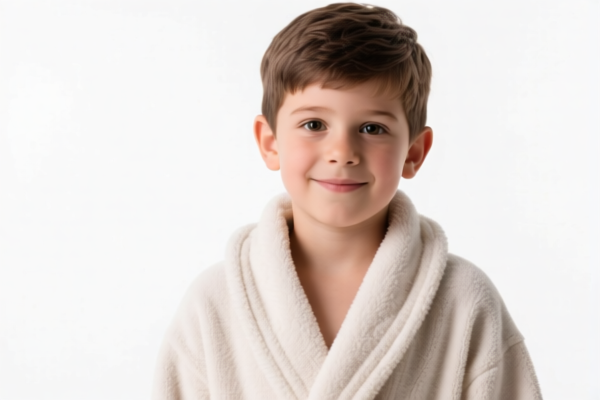
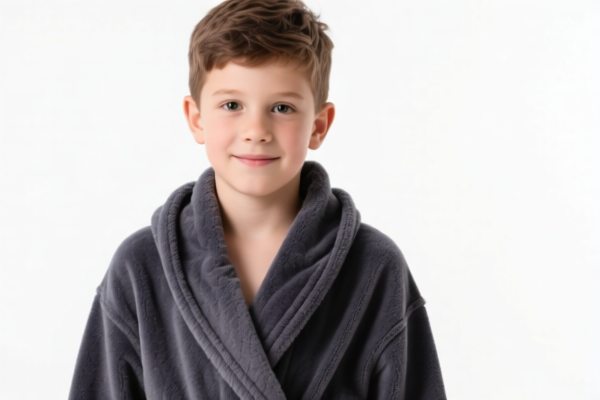
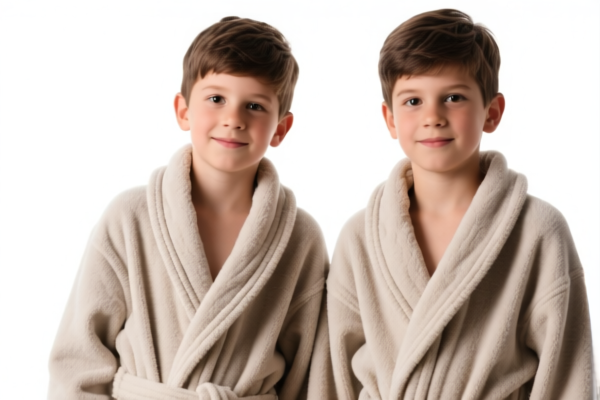
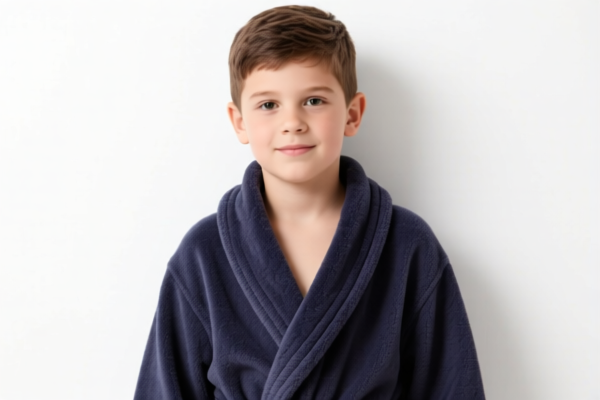
AI Analysis
👶 Boys' Winter Bathrobes (Nightwear & Loungewear)
🌐 HS Code Reference & Customs Clearance Guide | 2024/2025 Latest Tariff Analysis | Professional Clearance Strategy
📌 I. Product Definition & Classification: What Exactly is a "Boys' Winter Bathrobe"?
Boys' bathrobes (often categorized as nightgowns, sleepwear, or robes) are loose-fitting garments designed for wearing before bed or after bathing. In international trade, their classification depends heavily on two critical factors: 1. Fabric Composition: Cotton vs. Synthetic (Man-made fibers) vs. Blends. 2. Knitted vs. Woven: Are they made of knitted fabric (stretchy, like t-shirts) or woven fabric (structured, like shirts)?
⚠️ Key Distinction Point:
- "Boys' Sleepwear/Nightgowns" (often loose, nightgown-style) → Typically Chapter 61 (Knitted) or Chapter 62 (Woven) depending on fabric. - "Bathrobes" (heavy, terry cloth, wrap-style) → Often Chapter 61 if knitted, Chapter 62 if woven. - Material Matters: Cotton has different base rates than synthetic fibers.
📦 II. HS Code Classification Details (Based on Provided Data)
Based on the provided <DATA>, here are the precise classifications for Boys' Winter Bathrobes/Nightwear:
| HS Code | Product Description & Material | Classification Logic | Total Tax Rate |
|---|---|---|---|
6207.99.75.20 |
Boys' Nightgowns/Robes, Material: Non-wool synthetic fibers or Cotton (Inferred Non-Wool) | Woven garment; falls under "Other men's boys' nightwear". Note: Data suggests this specific code applies to non-wool synthetics or specific cotton blends not covered by the pure cotton code below. | 24.9% |
6207.91.10.00 |
Boys' Nightgowns, Material: Cotton | Woven garment; Pure cotton nightwear for boys. This is the standard code for woven cotton sleepwear. | 25.9% |
6114.30.30.60 |
Men's Bathrobes, Material: Man-made Fibers (Synthetic) | Knitted or crocheted garment; Synthetic fibers (e.g., polyester, nylon). Note: Although labeled "Men's," this code is often used for unisex or adult-sized boys' robes if not specifically classified under "Boys' Nightwear." | 32.4% |
6114.20.00.55 |
Men's Bathrobes, Material: Cotton | Knitted or crocheted garment; Cotton bathrobes. Higher base tax than synthetic for this specific knitted category. | 28.3% |
6114.90.90.70 |
Boys' Mixed Fiber Bathrobes, Material: Mixed/Blended Fibers | Knitted or crocheted; Other textiles (blends). This is the "catch-all" for knitted robes made of mixed materials. | 15.6% |
🔍 Important Clarification:
- Codes 6207.xxxxxxxx generally refer to Woven garments (like traditional cotton nightshirts or woven robes). - Codes 6114.xxxxxxxx generally refer to Knitted/Crocheted garments (like fleece-lined or terry cloth knitted robes). - The data distinguishes between "Boys' Nightwear" (6207) and "Men's/General Bathrobes" (6114). If the item is clearly labeled "Boys' Nightgown," 6207 is preferred. If it is a "Bathrobe" (especially knitted), 6114 is likely.
💰 III. Detailed Tariff Breakdown (2024/2025)
✅ Applicable Region: United States (US)
✅ Origin: China (CN)
✅ Effective Dates: Various (See details below)
🎯 1. 6207.91.10.00 & 6207.99.75.20 (Woven Nightwear)
| Item | Content |
|---|---|
| Basic Tariff | 8.4% - 14.9% (Varies by material) |
| Section 301 Tariff (USITC) | 7.5% (For 6207.91.10.00) or 0.0% (For 6207.99.75.20) |
| Section 122 Tariff (IEEPA) | +10% (Applicable to China-origin goods, effective Nov 2024) |
| Total Tax Rate | 25.9% (for Cotton Woven) 24.9% (for Non-Wool Synthetic/Cotton Blend) |
| De Minimis Exemption | ❌ Not Eligible (Section 301 and 122 tariffs apply regardless of value) |
| Legal Basis | IEEPA:9903.01.24 (Section 122) + USITC:301 (Section 301) |
📌 Explanation:
- Section 122 (10%): A new tariff targeting imports from China, effective November 2024. Applies to almost all textile/apparel categories. - Section 301 (7.5% or 0%): Depends on the specific sub-heading. For pure cotton woven nightwear (6207.91), it is 7.5%. For other woven nightwear (6207.99), it is 0%. - Result: Total burden is 24.9% - 25.9%.
🎯 2. 6114.30.30.60 (Knitted Synthetic Bathrobes)
| Item | Content |
|---|---|
| Basic Tariff | 14.9% |
| Section 301 Tariff | +7.5% |
| Section 122 Tariff | +10% |
| Total Tax Rate | 32.4% |
| De Minimis Exemption | ❌ Not Eligible |
| Legal Basis | IEEPA:9903.01.24 + USITC:301 |
📌 Warning: This is the highest tax rate in the dataset. Knitted synthetic bathrobes face a heavy combined tariff.
🎯 3. 6114.20.00.55 (Knitted Cotton Bathrobes)
| Item | Content |
|---|---|
| Basic Tariff | 10.8% |
| Section 301 Tariff | +7.5% |
| Section 122 Tariff | +10% |
| Total Tax Rate | 28.3% |
| De Minimis Exemption | ❌ Not Eligible |
| Legal Basis | IEEPA:9903.01.24 + USITC:301 |
🎯 4. 6114.90.90.70 (Knitted Mixed Fiber Bathrobes)
| Item | Content |
|---|---|
| Basic Tariff | 5.6% |
| Section 301 Tariff | +0.0% |
| Section 122 Tariff | +10% |
| Total Tax Rate | 15.6% |
| De Minimis Exemption | ❌ Not Eligible |
| Legal Basis | IEEPA:9903.01.24 only |
💡 Cost Saving Alert: This code has the lowest total tax rate (15.6%). If your boys' bathrobe is knitted and made of mixed fibers (e.g., Cotton/Polyester blend), this is the most cost-effective classification.
🛠️ IV. Customs Clearance Practical Advice (Avoid Pitfalls)
✅ 1. Documentation Checklist (Mandatory)
| Document | Required? | Note |
|---|---|---|
| ✅ Commercial Invoice | ✔️ | Must clearly state: "Boys' Nightgown/Bathrobe", Material Composition (e.g., 100% Cotton, 50/50 Blend), Quantity, Value. |
| ✅ Packing List | ✔️ | Detail contents per box. Avoid mixing different HS Codes in one shipment if possible. |
| ✅ Product Photos | ✔️ | Front, back, label, and fabric close-up. Crucial for determining Knitted vs. Woven. |
| ✅ Label Information | ✔️ | Must show fiber content (e.g., "Cotton 100%") and country of origin ("Made in China"). |
| ✅ Certificate of Origin | ✔️ | Required for Section 122 tariff verification. |
| ❌ De Minimis Claim (Section 321) | ❌ | DO NOT CLAIM for values > $800 or if classified under these HS Codes. Section 122 tariffs nullify de minimis exemptions for these items from China. |
✅ 2. Classification Strategy (Key Tips)
🔥 "Fabric & Structure Dictate Code!"
| Scenario | Recommended HS Code | Reason |
|---|---|---|
| Knitted Robe, Mixed Fabric | 6114.90.90.70 |
Lowest Tax (15.6%). If the robe is knitted (stretchy) and not 100% cotton or 100% synthetic, use this. |
| Knitted Robe, Cotton | 6114.20.00.55 |
Higher tax (28.3%). Only use if fabric is truly 100% Cotton and knitted. |
| Knitted Robe, Synthetic | 6114.30.30.60 |
Highest tax (32.4%). Avoid if possible. Consider blending to qualify for 6114.90.90.70. |
| Woven Nightgown, Cotton | 6207.91.10.00 |
Standard for woven cotton sleepwear. Tax: 25.9%. |
| Woven Nightgown, Other | 6207.99.75.20 |
Tax: 24.9%. Slightly lower than pure cotton woven. |
⚠️ Critical Note:
- "Boys' Nightwear" (6207) vs. "Bathrobes" (6114): If the item is a heavy, terry-cloth bathrobe, it is more likely a 6114 classification (Knitted) than a 6207 (Woven). However, if it is a light, woven cotton robe, it falls under 6207. - Material Composition: A 60% Cotton / 40% Polyester blend is not "Cotton" (which usually requires >50-85% depending on rules). It is "Mixed Fibers" →6114.90.90.70(15.6% tax). This is the smartest classification strategy!
✅ 3. Special Cases
| Situation | Advice |
|---|---|
| Sample Shipments | Even samples are subject to Section 122 tariffs. Do not send "free samples" without declaring value. |
| Gifts | If value < $800, it might qualify for de minimis, but if declared as commercial goods, it does not. For consistent imports, declare fully. |
| Mixed Containers | If shipping with non-covered goods, ensure proper segregation. Section 122 applies only to covered goods from China. |
🌍 V. Global Market Comparison (Brief Overview)
| Market | Recommended HS Code | Estimated Tax | Notes |
|---|---|---|---|
| 🇺🇸 USA | 6114.90.90.70 |
15.6% | Best option due to Section 122. Avoid 6114.30 (32.4%). |
| 🇨🇳 China (Import) | Varies | Low (~0-5%) | Standard MFN rates. No Section 122/301. |
| 🇪🇺 EU | 6114/6207 | ~4-12% | No Section 122. Standard tariffs apply. |
| 🇬🇧 UK | 6114/6207 | ~4-12% | Post-Brexit tariffs similar to EU. |
| 🇨🇦 Canada | 6114/6207 | ~17-19% | High base tariff, but no Section 122. |
📌 Conclusion:
- The US market is the most challenging due to Section 122 (10%) and Section 301 tariffs. - Strategy: Use Knitted Mixed-Fiber classifications (6114.90.90.70) to minimize costs. - Avoid: Knitted 100% Synthetic Bathrobes (6114.30.30.60) due to the 32.4% total tax.
📌 VI. Common Mistakes & Pitfalls
❌ Mistake 1: Claiming De Minimis (Section 321) for shipments from China.
👉 Result: Denied. Section 122 tariffs explicitly remove de minimis eligibility for many textile/apparel categories. Expect 10-32% tax on all shipments.
❌ Mistake 2: Misclassifying Knitted Bathrobes as Woven Nightwear (6207).
👉 Result: Penalty. If customs determines the fabric is knitted, they will reclassify to 6114, potentially applying higher tariffs and fines.
❌ Mistake 3: Ignoring "Section 122" in cost calculations.
👉 Result: Under-quoting. Assuming only standard duties leads to unexpected 10% surcharge on top of Section 301.
❌ Mistake 4: Labeling "Bathrobe" when it's a "Nightgown" (or vice versa) without material clarity.
👉 Result: Delays. Customs may hold the shipment for further inspection to determine fabric composition.
✅ Correct Approach:
"Declare 'Boys' Knitted Bathrobe, Mixed Fiber, 60% Cotton/40% Polyester' under HS Code
6114.90.90.70to secure the 15.6% total tax rate."
🎯 VII. Conclusion: Smart Classification Saves Money!
🎯 Key Takeaways:
🔹 Lowest Tax:
6114.90.90.70(15.6%) → Knitted, Mixed Fibers.
🔹 Highest Tax:6114.30.30.60(32.4%) → Knitted, Synthetic Fibers.
🔹 No De Minimis: All shipments from China are subject to Section 122 (10%) and Section 301.
🔹 Action: Adjust fabric composition to "Mixed Fiber" if possible, and ensure correct "Knitted" vs "Woven" classification.
📌 Pro Tip:
Before shipping, request a sample to determine if the fabric is knitted or woven. Then, check the exact fiber content. A simple blend can drop your tax rate from 32.4% to 15.6%!
✨ Professional Customs Clearance, Starting with Accurate Classification!
💼 Your Every Cent Counts – Optimize Your Tariff Strategy Today!
Customer Reviews
About HS Code Classification
The Harmonized System (HS) is an internationally standardized nomenclature developed by the World Customs Organization (WCO) to classify traded products. Over 200 countries use the HS system as the basis for customs tariffs, trade statistics, and import/export regulations.
Each HS code follows a hierarchical structure:
- Chapter (2 digits) — Broad category of goods (e.g., Chapter 84: Machinery and Mechanical Appliances)
- Heading (4 digits) — More specific grouping within the chapter
- Subheading (6 digits) — Internationally standardized breakdown, used by all WCO member countries
- National subdivisions (8-10 digits) — Country-specific extensions for further classification, such as US HTSUS 10-digit codes
Correct HS code classification is essential for smooth customs clearance, accurate duty payment, and compliance with trade regulations. Misclassification can lead to customs delays, overpayment of duties, or penalties.
When importing from CN to US, the applicable tariff rates may include:
- Most-Favored-Nation (MFN) rate — The standard duty rate applied to WTO members
- General rate — Applied to countries without trade agreements
- Trade remedy duties — Additional tariffs such as Section 301 (anti-dumping), Section 232 (national security), or countervailing duties
The information provided on this page is for reference purposes only. For official classification, please consult with your local customs authority or a licensed customs broker.