children's plate set
CN → US| HS Code | Tariff Rate | Origin | Destination | Doc |
|---|---|---|---|---|
| 8215200000 | 0.0% | CN | US | Official Doc |
| 6911103710 | 25.5% | CN | US | Official Doc |
| 4419901100 | 15.3% | CN | US | Official Doc |
| 4419909100 | 20.7% | CN | US | Official Doc |
| 8215100000 | 0.0% | CN | US | Official Doc |
Product Images
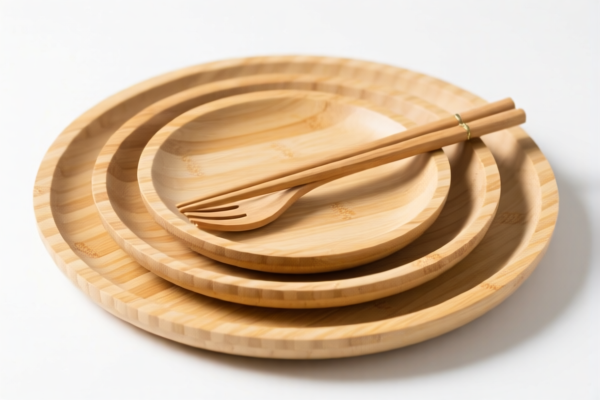
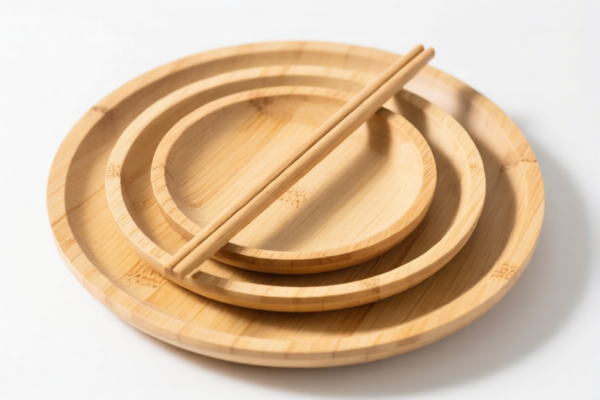
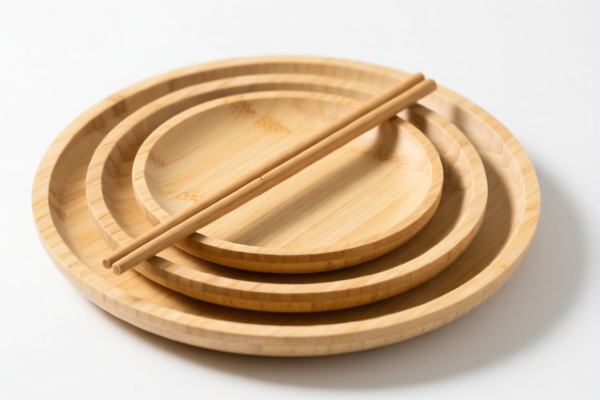
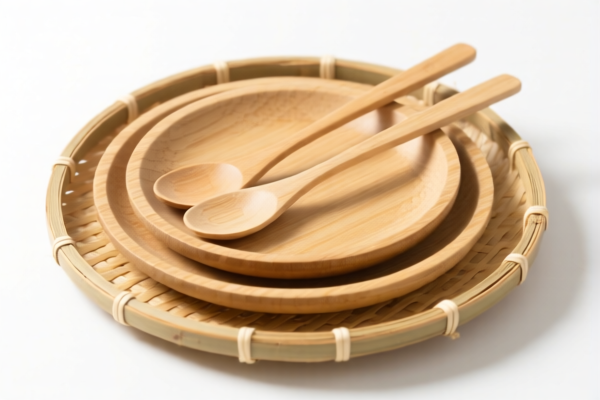
AI Analysis
🍽️ Children's Plate Set (Tableware Sets)
🌐 HS Code Reference & Customs Clearance Guide | 2026 Latest Tariff Analysis | Professional Clearance Strategy
Product Name: Children's Plate Set
Category: Tableware / Kitchenware Sets
Key Consideration: Classification depends heavily on the primary material of the set. Since the input is a "Set," customs apply the General Rules of Interpretation (GRI) 3(b), classifying the item by the component that gives it its essential character (usually the material with the highest duty rate or the principal component).
Based on the available data, here are the four most probable HS Code classifications, ranging from low to high risk/cost.
📦 Two, HS Code Classification Details (2026 Latest Tariff Authority Cross-Reference)
| HS Code | Product Description | Material Assumption | Duty Rate Logic | Total Tax (Est.) |
|---|---|---|---|---|
4419.90.11.00 |
Wooden tableware & kitchen utensils | Wood (Assumed) | Base: 5.3% Add-on: 0% Sec 122: 10% |
15.3% |
6911.10.37.10 |
Ceramic tableware (Other than bone china) | Ceramic (Assumed) | Base: 8.0% Add-on: 7.5% Sec 122: 10% |
25.5% |
4419.90.91.00 |
Other wooden tableware (Fallback/Other) | Wood (Assumed) | Base: 3.2% Add-on: 7.5% Sec 122: 10% |
20.7% |
8215.20.00.00 |
Tableware sets, non-precious metal | Metal (Stainless Steel/Iron) | Base: Highest Rate in Set Add-on: 25.0% Sec 122: 10% |
Highest Rate + 35.0% |
8215.10.00.00 |
Tableware sets, non-precious metal (Other) | Metal (Assumed) | Base: Highest Rate in Set Add-on: 7.5% Sec 122: 10% |
Highest Rate + 17.5% |
🔍 Key Distinction Point:
- Wooden Sets: If the set is primarily wood, it falls under Chapter 44.4419.90.11.00offers the lowest total tax (15.3%) if it qualifies as specific wooden tableware.
- Ceramic Sets: If the plates are ceramic, it falls under Chapter 69.6911.10.37.10results in a 25.5% total tax.
- Metal Sets: If the set is stainless steel or other non-precious metal, it falls under Chapter 82. The duty is calculated based on the highest rate among the items in the set, plus significant add-ons, potentially reaching 35%+ total tax depending on the specific metal item with the highest base rate.
💰 Three, 2026 Latest Tariff Rate Detailed Explanation (Including Surcharges, Policy Add-ons)
✅ Applicable Country: United States (US)
✅ Origin: China (CN) (Inferred from "122 Section" tariffs which are typical US-China trade restrictions)
✅ Effective Time: 2025/2026 Period
🎯 1. 4419.90.11.00 — Wooden Tableware (Lowest Risk)
| Item | Content |
|---|---|
| Base Tariff | 5.3% |
| Additional Tariff (301 Sec) | 0.0% |
| Section 122 Tariff | 10.0% |
| Total Tax Rate | 15.3% |
| Tax Calculation | CIF Value × 15.3% |
| De Minimis Eligibility | ✅ Yes (Generally applicable for small shipments under $800, subject to current regulations) |
| Legal Basis Path | USITC:4419.90.11.00 → SECTION:122 |
📌 Explanation:
- This is the most cost-effective classification if the product is indeed wooden.
- No Section 301 additional duty applies, only the standard Section 122 tariff.
- Critical Check: Ensure the product is clearly defined as "Wood" in the commercial invoice. If it contains metal fittings or ceramic parts, customs may reclassify it.
🎯 2. 6911.10.37.10 — Ceramic Tableware (Medium Risk)
| Item | Content |
|---|---|
| Base Tariff | 8.0% |
| Additional Tariff (301 Sec) | 7.5% |
| Section 122 Tariff | 10.0% |
| Total Tax Rate | 25.5% |
| Tax Calculation | CIF Value × 25.5% |
| De Minimis Eligibility | ✅ Yes (Usually applicable) |
| Legal Basis Path | USITC:6911.10.37.10 → SECTION:122 |
📌 Explanation:
- Ceramic is a common material for children's plates (shatter-resistant ceramic).
- Subject to 7.5% additional duty (likely from USITC footnote for specific ceramics or general trade war measures).
- Total cost is significantly higher than wood but lower than some metal sets.
🎯 3. 4419.90.91.00 — Other Wooden Tableware (Fallback)
| Item | Content |
|---|---|
| Base Tariff | 3.2% |
| Additional Tariff (301 Sec) | 7.5% |
| Section 122 Tariff | 10.0% |
| Total Tax Rate | 20.7% |
| Tax Calculation | CIF Value × 20.7% |
| De Minimis Eligibility | ✅ Yes |
| Legal Basis Path | USITC:4419.90.91.00 → SECTION:122 |
📌 Explanation:
- This is a "catch-all" for wooden tableware that doesn't fit the specific4419.90.11.00description.
- Higher base tax than11.00but lower than ceramic.
- Use this if the wooden set has unusual shapes or composite materials that don't fit the specific "wooden tableware" definition of11.00.
🎯 4. 8215.20.00.00 — Metal Tableware Sets (Highest Risk)
| Item | Content |
|---|---|
| Base Tariff | The rate of duty applicable to that article in the set subject to the highest rate of duty |
| Additional Tariff (301 Sec) | 25.0% |
| Section 122 Tariff | 10.0% |
| Total Tax Rate | Highest Rate in Set + 35.0% |
| Tax Calculation | CIF Value × (Highest Base Rate + 35%) |
| De Minimis Eligibility | ❌ Check Specifics (Often restricted for certain metal goods) |
| Legal Basis Path | USITC:8215.20.00.00 → SECTION:122 → SECTION:301 |
📌 Explanation:
- This is the most dangerous classification for cost purposes.
- Rule: In a set, if there are multiple items (e.g., a metal fork, a wooden plate, a plastic spoon), the duty is calculated on the component with the highest duty rate. If any part is high-duty metal, the entire set is taxed at that high rate.
- Add-ons: A massive 25% additional duty applies, plus the standard 10% Section 122 tariff.
- Recommendation: Avoid this classification if possible. If the set contains metal, ensure the non-metal parts are dominant in value/weight, or consider separating the shipments.
🛠️ Four, Customs Clearance Practical Advice (Battle-Tested Pitfall Avoidance Guide)
✅ 1. Document Checklist (Must-Haves)
| Document | Required | Explanation |
|---|---|---|
| ✅ Product Specification Sheet | ✔️ | Must clearly state Material Composition (e.g., "100% Bamboo," "Stoneware Ceramic," "304 Stainless Steel"). |
| ✅ Product Photos | ✔️ | Clear images of the entire set and individual items to show material texture. |
| ✅ Commercial Invoice | ✔️ | Must describe the item as "Children's Wooden Tableware Set" or "Ceramic Plate Set," not generic "Household Goods." |
| ✅ Packing List | ✔️ | List quantities and weights per item. |
| ✅ Certificate of Origin (CO) | ✔️ | Critical for proving origin (China) to apply correct Section 122 tariffs. |
✅ 2. Declaration Tips (Key Mantra)
🔥 "Material First, Set Second, Don't Mix Metals!"
| Scenario | Correct Declaration | Wrong Practice |
|---|---|---|
| Wooden Set | HS 4419.90.11.00 Desc: "Children's Wooden Plate Set" |
Declaring as "Plastic" or "Ceramic" → False Declaration Risk |
| Ceramic Set | HS 6911.10.37.10 Desc: "Children's Ceramic Plate Set" |
Declaring as "Plastic" → Rescission & Penalties |
| Mixed Material Set | Separate Shipments if possible | Mixing Metal & Wood in one HS Code → Audit Trigger |
| Metal Set | HS 8215.20.00.00 Desc: "Stainless Steel Tableware Set" |
Under-declaring value → Fraud Risk |
✅ 3. Special Handling Cases
| Situation | Handling Advice |
|---|---|
| Bamboo Products | Bamboo is often classified under Chapter 44 (Wood). Ensure it is marketed as "Bamboo Wood" to qualify for 4419.90.11.00 (15.3% tax) instead of Chapter 46 or 71. |
| Plastic Components | If the set has plastic handles or non-slip pads, ensure the wood/ceramic/metal part gives the set its essential character. If plastic is dominant, it may fall under Chapter 39 (Plastics), which has different tariff structures. |
| Children's Safety Certification | For the US market, ensure CPSIA (Consumer Product Safety Improvement Act) compliance. While not a tariff issue, non-compliance can lead to customs hold/seizure regardless of HS Code. |
| Set Composition | If the set contains a metal knife/fork and a wooden plate, customs may assess the entire set at the metal rate (higher duty). Consider separating metal cutlery into a different shipment if possible. |
🌍 Five, Global Market Comparison (2026 Latest)
| Country/Region | Recommended HS Code | Est. Tariff (China Origin) | Certification Required | Notes |
|---|---|---|---|---|
| 🇺🇸 USA | 4419.90.11.00 (Wood) |
15.3% | CPSIA, Prop 65 | Most competitive rate for wooden sets. |
| 🇺🇸 USA | 6911.10.37.10 (Ceramic) |
25.5% | CPSIA, Lead/Cadmium Test | Higher tax due to Section 301 add-on. |
| 🇪🇺 EU | 4419.90.91 (Wood) |
0% | FSC, REACH | No tariffs on wooden tableware from China (under certain conditions). |
| 🇬🇧 UK | 4419.90.91 (Wood) |
0% | UKCA, REACH | Post-Brexit, generally low tariffs on basic tableware. |
| 🇨🇳 China | 4419.90.11.00 |
5.3% | CCC (if applicable) | Export from China has low import tax domestically, but export duties may apply. |
📌 Conclusion:
- USA is the most complex due to Section 122 and potential Section 301 add-ons.
- Wooden sets (4419) are the most tariff-efficient for the US market among the options provided.
- Metal sets (8215) should be avoided in single shipments due to the "highest rate in set" rule and high add-ons.
📌 Six, Common Errors & Pitfall Guide (Lessons Learned)
❌ Error 1: Declaring a wooden set with metal rivets as "Plastic"
👉 Consequence: Customs reclassifies to Metal (8215) → 35%+ tax + penalties.
❌ Error 2: Not declaring Material Composition in the invoice
👉 Consequence: Customs assigns a default higher duty rate (e.g., "Other tableware") → Unnecessary overpayment.
❌ Error 3: Mixing Ceramic and Plastic in one HS Code
👉 Consequence: If Plastic is dominant, it may fall under Chapter 39. If Ceramic is dominant, Chapter 69. Misclassification leads to CIQ inspections and delays.
❌ Error 4: Ignoring Children's Product Safety (CPSIA)
👉 Consequence: Even with correct HS Code, the shipment can be detained by CBP for lack of compliance documents.
✅ Correct Practice:
"Children's Wooden Tableware Set, 100% Bamboo, Includes: 1 Plate, 1 Bowl, 1 Spoon. Model: KID-SET-01. CPSIA Compliant."
🎯 Seven, Conclusion: Professional Declaration, Cost Savings, Efficient Clearance!
🎯 Remember the Mantra:
🔹 "Material is King: Wood = 15.3%, Ceramic = 25.5%, Metal = 35%+!"
🔹 "Separate Sets if Mixed: Don't let a metal fork ruin your wood tax!"
🔹 "Declare Accurately: One Code per Material, Save Money, Sleep Well!"
📌 Pro Tip:
If your product is Bamboo, ensure it is declared as "Wood" (Chapter 44) and not "Grass" (Chapter 46) to secure the 15.3% tariff rate in the US.
Recommend Applying for an Advance Ruling from CBP if the material composition is ambiguous.
📣 Immediate Action:
📞 Contact a Professional Customs Broker
📄 Provide Material Composition Sheet
🚀 Ensure CPSIA Compliance for Children's Products
✨ Professional Clearance Starts with Accurate Classification!
💼 Your Every Dollar of Tariff is Worth Saving!
Customer Reviews
About HS Code Classification
The Harmonized System (HS) is an internationally standardized nomenclature developed by the World Customs Organization (WCO) to classify traded products. Over 200 countries use the HS system as the basis for customs tariffs, trade statistics, and import/export regulations.
Each HS code follows a hierarchical structure:
- Chapter (2 digits) — Broad category of goods (e.g., Chapter 84: Machinery and Mechanical Appliances)
- Heading (4 digits) — More specific grouping within the chapter
- Subheading (6 digits) — Internationally standardized breakdown, used by all WCO member countries
- National subdivisions (8-10 digits) — Country-specific extensions for further classification, such as US HTSUS 10-digit codes
Correct HS code classification is essential for smooth customs clearance, accurate duty payment, and compliance with trade regulations. Misclassification can lead to customs delays, overpayment of duties, or penalties.
When importing from CN to US, the applicable tariff rates may include:
- Most-Favored-Nation (MFN) rate — The standard duty rate applied to WTO members
- General rate — Applied to countries without trade agreements
- Trade remedy duties — Additional tariffs such as Section 301 (anti-dumping), Section 232 (national security), or countervailing duties
The information provided on this page is for reference purposes only. For official classification, please consult with your local customs authority or a licensed customs broker.