children's underwear
CN → US| HS Code | Tariff Rate | Origin | Destination | Doc |
|---|---|---|---|---|
| 6209909000 | 20.3% | CN | US | Official Doc |
| 6111305070 | 33.5% | CN | US | Official Doc |
| 6107199000 | 23.1% | CN | US | Official Doc |
| 6209205050 | 26.8% | CN | US | Official Doc |
| 6111206070 | 25.6% | CN | US | Official Doc |
Product Images
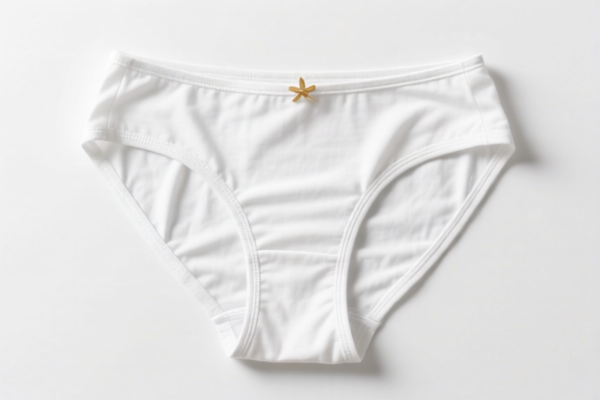
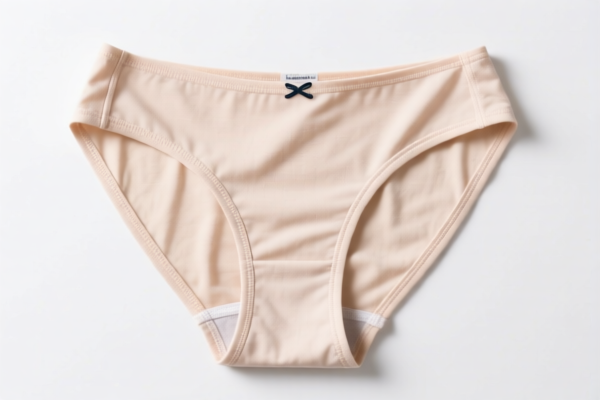
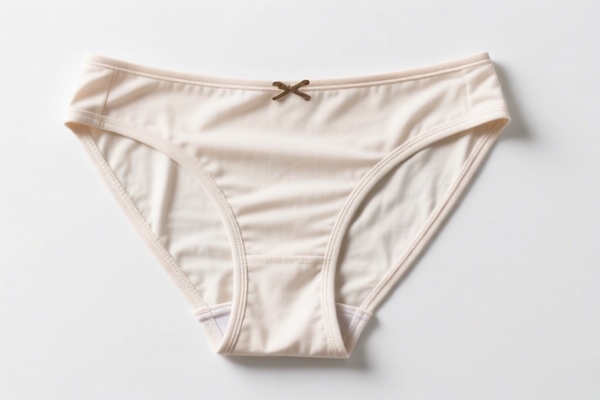
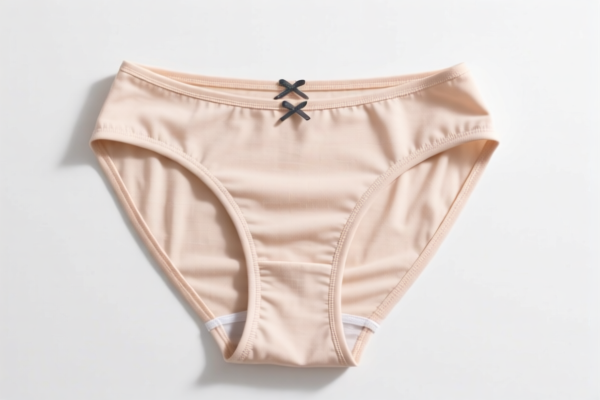
AI Analysis
🧸 Children's Underwear (Infant & Toddler Knit/Woven Apparel)
🌐 HS Code Classification & Customs Clearance Guide | 2026 Trade Compliance & Tax Analysis
📌 I. Product Definition: What Exactly is "Children's Underwear"?
In international trade, "Children's Underwear" is not a single monolithic category. It is strictly divided based on fabric composition (Cotton vs. Synthetic) and manufacturing technique (Knitted vs. Woven). The distinction is critical because Chinese textile exports to the US face varying levels of punitive tariffs depending on these technical details.
Key Distinctions: * Knitted (Chapter 61): Stretchy, looped fabric (e.g., T-shirt style bodysuits, leggings). Generally lower base duty but subject to specific sub-headings. * Woven (Chapter 62): Non-stretch, structured fabric (e.g., button-up undershirts, woven shorts). Often taxed differently than knits. * Material Matters: "Cotton" vs. "Synthetic Fibers" triggers different tariff rates under US Trade Acts (Section 301/122).
⚠️ Critical Warning:
- "Jacquard Fabric" (提花面料): If the fabric has a raised pattern woven into it, it may be classified under "Jacquard" sub-headings, which often carry higher duties or specific restrictions.
- Age Group: Definitions for "Infant" vs. "Children" (usually under 14 years) matter for Chapter 61 vs. 62 classification.
📦 II. HS Code Classification Matrix (2026 Latest Tariff Schedule)
Based on the provided data, here are the five possible HS Codes for Children's Underwear, sorted by Total Effective Tax Rate (Low to High) to help you optimize costs.
| HS Code | Product Description | Fabric Type | Manufacturing | Total Tax Rate | Key Characteristic |
|---|---|---|---|---|---|
| 6209.90.90.00 | Other Textile Material Infant Apparel | Other Textile | Woven | 20.3% | Lowest total tax. "Other" category. |
| 6107.19.90.00 | Knitted Boys' Underwear | Knitted | Knit | 23.1% | Specific to Boys. High base duty (5.6%). |
| 6111.20.60.70 | Cotton Infant Apparel (Other) | Cotton | Knit | 25.6% | Cotton base. Moderate base duty (8.1%). |
| 6209.20.50.50 | Cotton Infant Apparel (Other) | Cotton | Woven | 26.8% | Cotton woven. Higher base duty (9.3%). |
| 6111.30.50.70 | Synthetic Fiber Infant Apparel | Synthetic | Knit | 33.5% | HIGHEST TAX. Synthetic base + High base duty (16%). |
💰 III. Detailed Tax Breakdown & Legal Basis
✅ Applicable Jurisdiction: United States (US)
✅ Origin: China (CN)
✅ Effective Date: Current Trade War Measures (Section 301 & Proposed 122 Clauses)
🎯 1. The "Low Tax" Option: 6209.90.90.00
- Total Rate: 20.3%
- Breakdown:
- Base Duty: 2.8% (Low entry barrier)
- Section 301 Tariff: 7.5% (Standard Chinese punitive tariff)
- Section 122 Tariff: 10% (Targeted tariff on specific textile categories)
- Why it’s cheap: "Other textile materials" implies a less common fiber blend or non-standard classification, resulting in a minimal base duty.
- Strategy: If your fabric is not pure cotton or synthetic polyester, consider if it fits this "Other" category to save ~13% compared to synthetics.
🎯 2. The "Boys' Specific" Option: 6107.19.90.00
- Total Rate: 23.1%
- Breakdown:
- Base Duty: 5.6%
- Section 301 Tariff: 7.5%
- Section 122 Tariff: 10%
- Note: This code is specific to Knitted Boys' Underwear. If your product is gender-neutral or for girls, this code may be rejected by US CBP.
🎯 3. The "Cotton" Options: 6111.20.60.70 & 6209.20.50.50
- Total Rates: 25.6% (Knit) & 26.8% (Woven)
- Breakdown:
- Base Duty: 8.1% (Knit) / 9.3% (Woven)
- Section 301 Tariff: 7.5%
- Section 122 Tariff: 10%
- Analysis: Cotton is a sensitive agricultural commodity. The US protects domestic cotton growers with higher base duties than "other" materials. Choose this only if your product is 100% Cotton.
🎯 4. The "Expensive" Option: 6111.30.50.70
- Total Rate: 33.5%
- Breakdown:
- Base Duty: 16.0% (Very High)
- Section 301 Tariff: 7.5%
- Section 122 Tariff: 10%
- Why it’s expensive: Synthetic fibers (Polyester, Nylon, Spandex blends) are heavily taxed to protect US domestic manufacturing and due to environmental/dumping concerns. Base duty is 16% alone!
- Strategy: Avoid this code if possible. If you must sell synthetic underwear, ensure the "Jacquard" nature is correctly declared, but expect the highest cost.
🛠️ IV. Customs Clearance Practical Advice (Risk Mitigation)
✅ 1. Critical Documentation Requirements
| Document | Purpose | Tip |
|---|---|---|
| Fiber Content Label | Proves "Cotton" vs. "Synthetic" | Must match HS Code exactly. Discrepancy = Seizure. |
| Fabric Swatch | Verifies Knit vs. Woven | Provide a clear photo of the fabric edge/loop. |
| Jacquard Declaration | Confirms Pattern Type | If "Jacquard," specify if it is pre-woven or printed. |
| Age Specification | Infant vs. Child | "Infant" (under 2) vs. "Child" (2-14) changes Chapter 61 vs 62. |
| Commercial Invoice | Value Declaration | Clearly state "Children's Underwear, Knitted, Cotton." |
✅ 2. Classification Strategy & Pitfalls
| Scenario | Correct Action | Risk if Wrong |
|---|---|---|
| Product is 100% Cotton, Knitted | Use 6111.20.60.70 (25.6%) |
Misclassifying as Synthetic (6111.30...) adds 7.9% tax. |
| Product is Polyester Blend | Use 6111.30.50.70 (33.5%) |
No good alternative. Ensure "Synthetic" is declared. |
| Product is "Other" Fabric | Try 6209.90.90.00 (20.3%) |
If rejected as "Cotton," tax jumps to 26.8%. |
| Garment is a Bodysuit (Onesie) | Classify as Underwear (6111/6209) |
Misclassifying as "Other Clothing" may trigger different duties. |
✅ 3. Section 122 Tariff Nuance
⚠️ Note on "122 Clauses": The data mentions a 10% Section 122 Tariff. This is likely referring to new or proposed trade measures targeting specific textile categories.
- Action: Verify if Section 122 applies to your specific fiber content. Some "Other Textile" codes might be exempt from Section 122 if they fall outside the targeted list, potentially lowering the total rate below 20.3%. Consult a customs broker to confirm Section 122 applicability.
🌍 V. Global Market Comparison (2026)
| Market | HS Code Trend | Effective Tax Rate (China Origin) | Key Requirement |
|---|---|---|---|
| 🇺🇸 USA | Chapter 61/62 | 20.3% – 33.5% | High tariffs + Section 301/122. Strict fiber labeling. |
| 🇨🇳 China | Same HS Codes | ~5-15% | Lower base duties. No punitive tariffs. |
| 🇪🇺 EU | Similar HS Codes | 0-4% (if GSP/EBA eligible) | No Section 301 tariffs. But strict REACH/Safety standards. |
| 🇨🇦 Canada | Chapter 61/62 | 10-15% | CUSMA/USMCA may offer 0% if manufactured in North America. |
📌 VI. Common Mistakes & "Blood and Tears" Lessons
❌ Mistake 1: Calling all "Kids' Clothes" "Underwear."
👉 Result: If it's pajamas, it's Chapter 61/62 but under "Sleepwear" codes, which may have different tariff rates. Misclassification leads to retroactive tax + penalties.
❌ Mistake 2: Ignoring the "Jacquard" definition.
👉 Result: If you declare "Printed" but it's actually "Jacquard Woven," CBP may reclassify it to a higher duty code, adding 5-10% to the cost.
❌ Mistake 3: Assuming "Cotton" is always cheaper.
👉 Result: Synthetic (6111.30...) has a 16% base duty, while "Other Textile" (6209.90...) has only 2.8%. Sometimes non-cotton blends are cheaper to import!
🎯 VII. Conclusion & Action Plan
🎯 Final Recommendation:
1. Identify Fabric Precisely: Is it Cotton, Synthetic, or "Other"?
2. Check the Construction: Knitted (Stretchy) or Woven?
3. Select the Lowest Tax HS Code:
- Best Case: 6209.90.90.00 (20.3%)
- Worst Case: 6111.30.50.70 (33.5%)
4. Apply for Pre-Ruling: Before shipping, submit samples to US CBP for an Advance Ruling to lock in the HS Code and avoid surprise tariffs at the port.
📣 Immediate Action:
📞 Contact your customs broker today.
📄 Provide a detailed product spec sheet including fiber content %, knit/woven structure, and age range.
🚀 Optimize your supply chain by choosing "Other Textile" materials if possible to save up to 13% in taxes!
✨ Pro Tip:
If you are shipping to the US, consider Section 321 De Minimis (under $800) if you have enough suppliers, as it allows duty-free entry for small packages. However, large commercial shipments will face the full tax burden outlined above.
💼 Accurate Classification Saves Money. Precision Clears Customs Faster.
Customer Reviews
About HS Code Classification
The Harmonized System (HS) is an internationally standardized nomenclature developed by the World Customs Organization (WCO) to classify traded products. Over 200 countries use the HS system as the basis for customs tariffs, trade statistics, and import/export regulations.
Each HS code follows a hierarchical structure:
- Chapter (2 digits) — Broad category of goods (e.g., Chapter 84: Machinery and Mechanical Appliances)
- Heading (4 digits) — More specific grouping within the chapter
- Subheading (6 digits) — Internationally standardized breakdown, used by all WCO member countries
- National subdivisions (8-10 digits) — Country-specific extensions for further classification, such as US HTSUS 10-digit codes
Correct HS code classification is essential for smooth customs clearance, accurate duty payment, and compliance with trade regulations. Misclassification can lead to customs delays, overpayment of duties, or penalties.
When importing from CN to US, the applicable tariff rates may include:
- Most-Favored-Nation (MFN) rate — The standard duty rate applied to WTO members
- General rate — Applied to countries without trade agreements
- Trade remedy duties — Additional tariffs such as Section 301 (anti-dumping), Section 232 (national security), or countervailing duties
The information provided on this page is for reference purposes only. For official classification, please consult with your local customs authority or a licensed customs broker.