children's underwear modal fabric
CN → US| HS Code | Tariff Rate | Origin | Destination | Doc |
|---|---|---|---|---|
| 6107199000 | 23.1% | CN | US | Official Doc |
| 6109901090 | 49.5% | CN | US | Official Doc |
| 6109901070 | 49.5% | CN | US | Official Doc |
| 6108299000 | 30.8% | CN | US | Official Doc |
| 6108920025 | 33.5% | CN | US | Official Doc |
Product Images
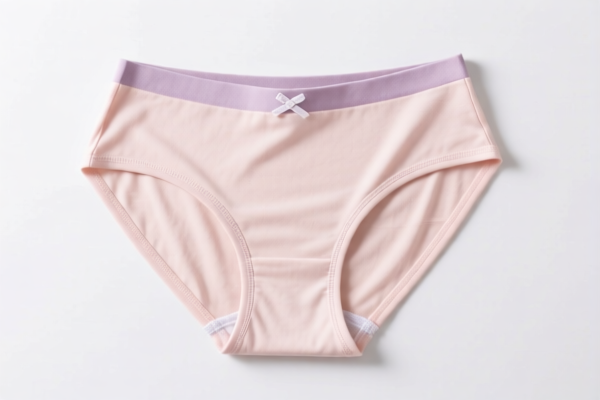
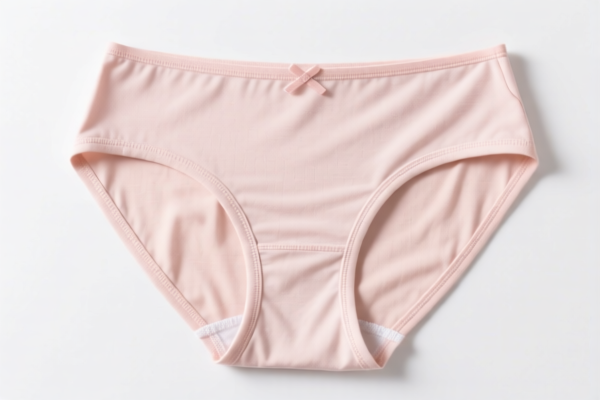
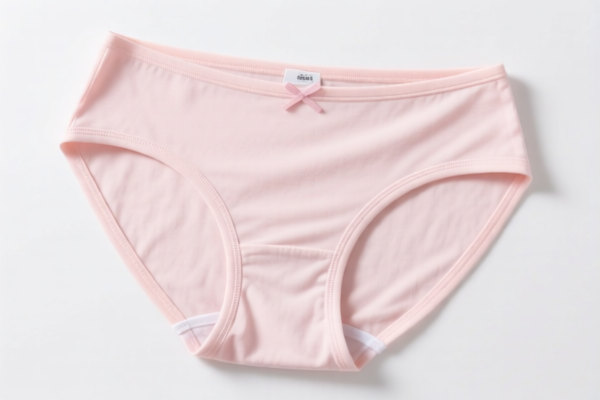
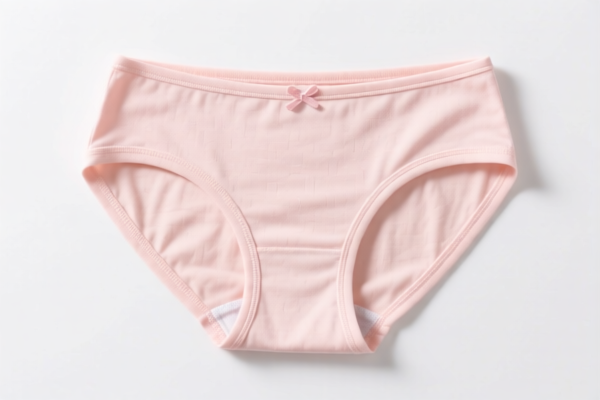
AI Analysis
🧸 Children's Modal Underwear (Children's Underwear Modal Fabric)
🌐 HS Code Reference & Customs Clearance Guide | 2026 Latest Tariff Analysis | Professional Customs Strategy
📌 I. Product Definition & Classification: Do You Really Understand "Modal Underwear"?
Children's modal underwear refers to intimate apparel for children, primarily made from modal fabric (a type of regenerated cellulose fiber, often classified under "Man-made Fibers"). In international trade, the correct HS Code classification is critical because modal is considered a man-made fiber, not natural cotton or wool, which significantly impacts tariff rates and duty structures.
⚠️ Key Distinction Points:
- If the product is knitted (most common for underwear) and made of man-made fibers (modal), it typically falls under Chapter 61.
- If the product is woven (less common for underwear but possible for specific styles), it may fall under Chapter 62.
- Note on Modal: Modal is a type of viscose/rayon family, classified as man-made fibers (specifically, artificial fibers). Therefore, it does NOT qualify as "cotton" or "natural fibers" unless blended with a significant amount of natural fiber that changes the essential character (which is rare for pure modal underwear).
📦 II. HS Code Classification Details (Based on Provided Data)
| HS Code | Product Description | Applicable Scenario | Total Tax Rate |
|---|---|---|---|
6107.19.90.00 |
Children's modal underwear, knitted, other textile materials | General children's knitted underwear (other than specified in 6107.11/12/13/14) | 23.1% |
6109.90.10.90 |
Children's modal underwear, other textile materials, artificial fiber underwear | Artificial fiber-based children's underwear (broad category) | 49.5% |
6109.90.10.70 |
Children's modal underwear, knitted underwear, artificial fiber material | Knitted artificial fiber underwear (specific sub-category) | 49.5% |
6108.29.90.00 |
Children's modal underwear, made of other textile materials | Other textile materials (non-specified) | 30.8% |
6108.92.00.25 |
Children's modal underwear, knitted/fabric category, artificial fiber material | Knitted/fabric-style artificial fiber underwear | 33.5% |
🔍 Important Note:
- All these codes include Additional Duties (Section 301, Section 122, etc.).
- The base tariff varies significantly (from 5.6% to 32.0%), but the total effective rate includes additional U.S. tariffs.
- Modal = Artificial Fiber → This is the key factor driving higher base rates in some codes (e.g., 32.0% base for 6109.90.10.xx).
💰 III. 2026 Latest Tariff Rate Breakdown (Including Additional Duties & Policy Surcharges)
✅ Applicable Country: United States (US)
✅ Country of Origin: China (CN)
✅ Effective Date: November 10, 2025 (and subsequent imports)
🎯 1. 6107.19.90.00 — Children's Modal Underwear, Knitted, Other Textile Materials
| Item | Content |
|---|---|
| Base Tariff | 5.6% |
| Section 301 Additional Tariff | +7.5% |
| Section 122 Tariff | +10% |
| Total Effective Rate | 23.1% |
| Tax Calculation | CIF Value × 23.1% |
| De Minimis Exemption Available? | ❌ No (deny_de_minimis) |
| Legal Authority Path | Section 301 → Section 122 → USITC:6107.19.90.00 |
📌 Explanation:
- This is the lowest effective rate among the provided options.
- Suitable for general knitted children's underwear made of modal or other unspecified textile materials.
- Key Advantage: Lower base tariff (5.6%) makes this the most cost-effective option if the product fits this description.
🎯 2. 6109.90.10.90 — Children's Modal Underwear, Artificial Fiber Underwear
| Item | Content |
|---|---|
| Base Tariff | 32.0% |
| Section 301 Additional Tariff | +7.5% |
| Section 122 Tariff | +10% |
| Total Effective Rate | 49.5% |
| Tax Calculation | CIF Value × 49.5% |
| De Minimis Exemption Available? | ❌ No (deny_de_minimis) |
| Legal Authority Path | Section 301 → Section 122 → USITC:6109.90.10.90 |
📌 Explanation:
- Highest effective rate among the options.
- Applies to broad categories of artificial fiber underwear.
- Caution: Only use this code if the product clearly fits the "artificial fiber underwear" definition and no more specific code applies.
🎯 3. 6109.90.10.70 — Children's Modal Underwear, Knitted, Artificial Fiber
| Item | Content |
|---|---|
| Base Tariff | 32.0% |
| Section 301 Additional Tariff | +7.5% |
| Section 122 Tariff | +10% |
| Total Effective Rate | 49.5% |
| Tax Calculation | CIF Value × 49.5% |
| De Minimis Exemption Available? | ❌ No (deny_de_minimis) |
| Legal Authority Path | Section 301 → Section 122 → USITC:6109.90.10.70 |
📌 Explanation:
- Same high rate as above, but more specific to knitted artificial fiber items.
- Use only if the product is explicitly knitted and falls under this sub-category.
🎯 4. 6108.29.90.00 — Children's Modal Underwear, Other Textile Materials
| Item | Content |
|---|---|
| Base Tariff | 13.3% |
| Section 301 Additional Tariff | +7.5% |
| Section 122 Tariff | +10% |
| Total Effective Rate | 30.8% |
| Tax Calculation | CIF Value × 30.8% |
| De Minimis Exemption Available? | ❌ No (deny_de_minimis) |
| Legal Authority Path | Section 301 → Section 122 → USITC:6108.29.90.00 |
📌 Explanation:
- Moderate rate (30.8%).
- Applies when the material is "other textile materials" not covered by more specific sub-headings.
- Suitable for non-specified textile compositions.
🎯 5. 6108.92.00.25 — Children's Modal Underwear, Knitted/Fabric, Artificial Fiber
| Item | Content |
|---|---|
| Base Tariff | 16.0% |
| Section 301 Additional Tariff | +7.5% |
| Section 122 Tariff | +10% |
| Total Effective Rate | 33.5% |
| Tax Calculation | CIF Value × 33.5% |
| De Minimis Exemption Available? | ❌ No (deny_de_minimis) |
| Legal Authority Path | Section 301 → Section 122 → USITC:6108.92.00.25 |
📌 Explanation:
- Moderate-high rate (33.5%).
- Applies to knitted/fabric-style artificial fiber underwear.
- Use if the product is explicitly marketed or structured as "knitted/fabric" under artificial fiber rules.
🛠️ IV. Customs Clearance Practical Advice (Real-World Pitfall Avoidance Guide)
✅ 1. Required Documentation Checklist (None Can Be Omitted)
| Document | Required | Explanation |
|---|---|---|
| ✅ Product Specification Sheet | ✔️ | Includes fabric composition (e.g., 95% Modal, 5% Spandex), size, style, gender |
| ✅ Fabric Composition Certificate | ✔️ | Must confirm Modal = Artificial Fiber |
| ✅ Product Photos (with labels) | ✔️ | Clear view of label, care instructions, brand |
| ✅ Third-Party Test Reports | ✔️ | CPSIA (if for US children's products), OEKO-TEX, etc. |
| ✅ Commercial Invoice | ✔️ | Clearly state "Children's Underwear, Modal, Knitted" |
| ✅ Packing List | ✔️ | Detail items per carton, weight, dimensions |
| ✅ Country of Origin Certificate (CO) | ✔️ | If not China, may qualify for preferential rates |
✅ 2. Declaration Tips (Key Mnemonics)
🔥 "Modal is Artificial, Not Cotton! Declare Correctly or Pay Double!"
| Scenario | Correct Declaration | Incorrect Practice |
|---|---|---|
| Pure modal underwear (knitted) | 6107.19.90.00 or 6108.92.00.25 |
Misdeclare as "Cotton Underwear" → Higher Rate + Penalty |
| Modal + Cotton Blend | Determine essential character → May change HS Code | Assume blend = natural fiber → Wrong Rate |
| Children's pajamas vs. underwear | Underwear = 6107/6108; Pajamas = 6107.11/6107.12 |
Confuse categories → Audit Risk |
| Adult vs. Children's | Must specify "Children's" | Fail to specify → Wrong Code + Duty |
✅ 3. Special Situation Handling
| Situation | Handling Advice |
|---|---|
| OEM/Custom Orders | Provide design specs + fabric swatches to prove modal composition |
| Blended Fabrics (e.g., Modal/Cotton) | If cotton > modal, may classify under natural fiber codes → Lower Rates? |
| Children's Product Safety (CPSIA) | Ensure compliance with lead, phthalate limits; provide CPC (Children's Product Certificate) |
| Section 301/122 Exemptions | Check if product qualifies for exclusion lists (rare for apparel) |
🌍 V. Global Market Customs Comparison (2026 Latest)
| Country/Region | Recommended HS Code | Tariff Rate | Certification Requirements | Notes |
|---|---|---|---|---|
| 🇺🇸 United States | 6107.19.90.00 |
23.1% (China) | CPSIA + OEKO-TEX | High additional duties apply |
| 🇨🇳 China | 6107.19.90.00 |
~5-8% | CCC (if applicable) | Lower base rates, no 301/122 |
| 🇪🇺 European Union | 6108.29.90 |
~0-4% | CE + REACH | No additional duties |
| 🇬🇧 United Kingdom | 6108.29.90 |
~0-4% | UKCA + REACH | Post-Brexit rules apply |
| 🇯🇵 Japan | 6108.29.90 |
~0-8% | FSC | Varies by material |
📌 Conclusion:
- US imports face the highest effective tariffs due to Section 301 and Section 122.
- EU/UK/Japan have much lower or zero base tariffs for modal underwear.
- Strategy: If targeting the US, consider blending modal with cotton (if allowed) or sourcing from non-China countries to avoid additional duties.
📌 VI. Common Errors & Pitfall Guide (Blood Lessons)
❌ Error 1: Declaring modal underwear as "Cotton Underwear"
👉 Consequence: Misclassification → Back Duties + Fines
❌ Error 2: Ignoring children's product safety (CPSIA)
👉 Consequence: Detention at Border + Recall Risk
❌ Error 3: Using generic description "Underwear" without specifying "Children's" or "Modal"
👉 Consequence: Customs flags → Delay + Inspection
❌ Error 4: Assuming de minimis (800 USD) applies
👉 Consequence: Denied Entry — Apparel from China is explicitly excluded from de minimis
✅ Correct Practice:
"Children's Knitted Underwear, 95% Modal / 5% Spandex, CPSIA Compliant, Model XYZ, Made in China"
🎯 VII. Conclusion: Professional Declaration Saves Costs!
🎯 Remember These Rules:
🔹 "Modal = Artificial Fiber → Higher Base Tariff!"
🔹 "Children's Apparel = No De Minimis Exemption!"
🔹 "CPSIA is Mandatory for US Market!"
🔹 "Select the Most Specific HS Code to Avoid Penalties!"
📌 Pro Tip:
If your modal underwear is originating from Vietnam, Bangladesh, or India, you may avoid Section 301/122 tariffs, reducing total duty to Base Tariff Only (e.g., 5.6%-16%).
Recommend applying for Advance Ruling with U.S. Customs and Border Protection (CBP) for final classification confirmation.
📣 Immediate Action Required:
📞 Contact a Licensed Customs Broker + Provide Fabric Composition + Apply for HS Code Advance Ruling
🚀 Ensure smooth customs clearance, reduce costs, and maximize profits!
✨ Professional Customs Clearance Starts with Accurate Classification!
💼 Every Dollar Saved is a Dollar Earned!
Customer Reviews
About HS Code Classification
The Harmonized System (HS) is an internationally standardized nomenclature developed by the World Customs Organization (WCO) to classify traded products. Over 200 countries use the HS system as the basis for customs tariffs, trade statistics, and import/export regulations.
Each HS code follows a hierarchical structure:
- Chapter (2 digits) — Broad category of goods (e.g., Chapter 84: Machinery and Mechanical Appliances)
- Heading (4 digits) — More specific grouping within the chapter
- Subheading (6 digits) — Internationally standardized breakdown, used by all WCO member countries
- National subdivisions (8-10 digits) — Country-specific extensions for further classification, such as US HTSUS 10-digit codes
Correct HS code classification is essential for smooth customs clearance, accurate duty payment, and compliance with trade regulations. Misclassification can lead to customs delays, overpayment of duties, or penalties.
When importing from CN to US, the applicable tariff rates may include:
- Most-Favored-Nation (MFN) rate — The standard duty rate applied to WTO members
- General rate — Applied to countries without trade agreements
- Trade remedy duties — Additional tariffs such as Section 301 (anti-dumping), Section 232 (national security), or countervailing duties
The information provided on this page is for reference purposes only. For official classification, please consult with your local customs authority or a licensed customs broker.