children's underwear other materials, cotton fabric
CN → US| HS Code | Tariff Rate | Origin | Destination | Doc |
|---|---|---|---|---|
| 6208913020 | 28.7% | CN | US | Official Doc |
| 5208216090 | 46.5% | CN | US | Official Doc |
| 5208118090 | 45.5% | CN | US | Official Doc |
| 5209316035 | 43.4% | CN | US | Official Doc |
| 5209210035 | 17.7% | CN | US | Official Doc |
Product Images
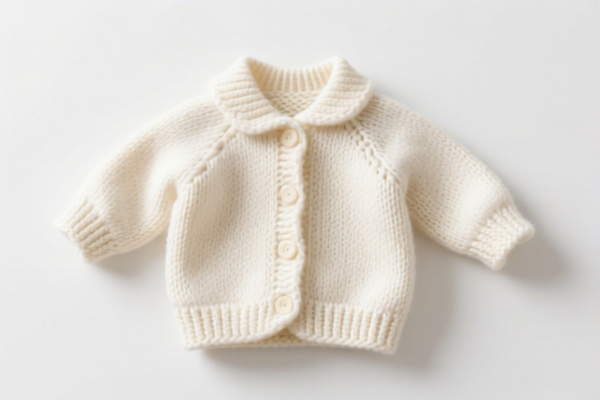
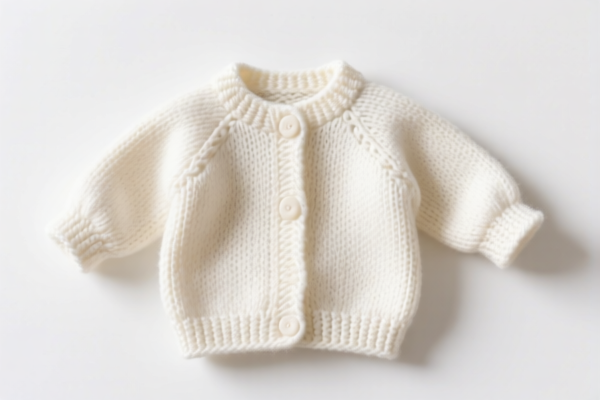
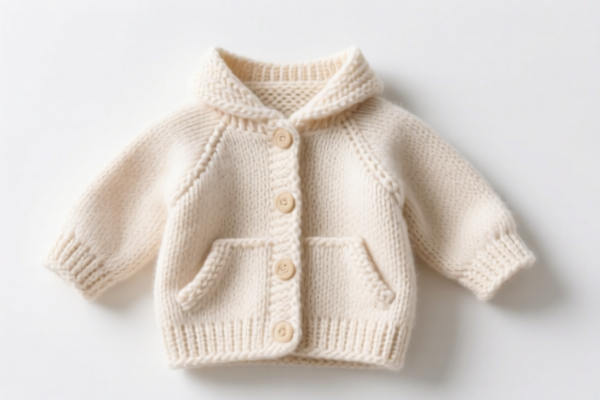

AI Analysis
🧒👦 Children's Underwear (Other Materials, Cotton Fabric)
🌐 HS Code Reference & Customs Clearance Guide | 2026 Updated Tariff Analysis | Professional Import Strategy
📌 One, Product Definition & Classification: Do You Really Understand "Children’s Underwear"?
Children’s underwear is a vital category in the global apparel trade, especially for baby and toddler wear. In international customs classification, "children’s underwear" is subdivided based on:
- Material composition (e.g., cotton, polyester, blends)
- Fabric form (e.g., woven, knitted)
- Intended use (e.g., innerwear, sleepwear, casual wear)
- Age group (typically under 12 years)
⚠️ Key Differentiator:
- If the product is pure cotton fabric, woven, and used as underwear (not a finished garment), it may be classified under textile fabric rather than apparel.
- If it's a finished, wearable item (e.g., cotton briefs with elastic waistband), it falls under apparel.
📦 Two, HS Code Classification Details (2026 Updated Tariff Authority)
| HS Code | Product Description | Applicable Scenario | Material Form | Finished Garment? |
|---|---|---|---|---|
6208.91.30.20 |
Children’s underwear, other materials, cotton fabric, pure cotton, suitable for innerwear | Pure cotton children’s briefs, non-elastic, woven, for infants/toddlers | Woven fabric | ✅ Yes (finished garment) |
5208.21.60.90 |
Pure cotton underwear fabric, woven, 100% cotton, for innerwear | Raw fabric roll for making children’s underwear | Woven fabric | ❌ No (not finished) |
5208.11.80.90 |
Pure cotton underwear fabric, cotton content ≥95%, woven, for innerwear | High-cotton-content woven fabric, used in children’s apparel production | Woven fabric | ❌ No |
5209.31.60.35 |
Cotton underwear fabric, cotton ≥85%, woven, for innerwear | Partially cotton fabric, suitable for innerwear production | Woven fabric | ❌ No |
5209.21.00.35 |
Cotton fabric, cotton ≥85%, woven, for non-consumer use | Industrial-grade cotton fabric, not for final sale to consumers | Woven fabric | ❌ No |
🔍 Critical Insight:
-6208.91.30.20applies only to finished, wearable children’s cotton underwear — not raw fabric.
- The other four codes apply to fabric rolls or materials used in manufacturing, not end-use garments.
💰 Three, 2026 Updated Tariff Breakdown (With附加 Taxes & Policy Clauses)
✅ Applicable Country: United States (US)
✅ Origin: China (CN)
✅ Effective Date: November 10, 2025 (including subsequent imports)
🎯 1. 6208.91.30.20 — Children’s Underwear, Other Materials, Cotton Fabric (Finished Garment)
| Item | Detail |
|---|---|
| Base Tariff | 11.2% (ad valorem) |
| Section 301 Additional Duty | +7.5% (from USITC, under Section 301 of Trade Act) |
| Section 122 (IEEPA) Additional Duty | +10.0% (from International Emergency Economic Powers Act) |
| Total Effective Tariff | 28.7% |
| Tax Calculation | CIF Value × 28.7% |
| De Minimis Threshold | ❌ Not eligible (denied under US law) |
| Legal Basis Path | IEEPA:9903.01.25 → IEEPA:9903.01.24 → USITC:6208.91.30.20 → FOOTNOTE:9903.88.01 |
📌 Explanation:
- Section 301 (7.5%): Imposed due to China’s alleged unfair trade practices (IP theft, forced tech transfer).
- IEEPA (10%): Enacted under national emergency powers for strategic trade control.
- Total 28.7% — moderate but significant, especially for high-volume shipments.
🎯 2. 5208.21.60.90 — Pure Cotton Underwear Fabric, 100% Cotton, Woven (Raw Material)
| Item | Detail |
|---|---|
| Base Tariff | 11.5% |
| Section 301 Additional Duty | +25.0% |
| IEEPA (Section 122) Additional Duty | +10.0% |
| Total Effective Tariff | 46.5% |
| Tax Calculation | CIF Value × 46.5% |
| De Minimis Threshold | ❌ Not eligible |
| Legal Basis Path | IEEPA:9903.01.25 → IEEPA:9903.01.24 → USITC:5208.21.60.90 → FOOTNOTE:9903.88.01 |
📌 Why So High?
- Raw cotton fabric is treated as industrial input under U.S. trade policy.
- 25% Section 301 applies due to China’s dominance in textile manufacturing.
- IEEPA 10% adds strategic trade control layer.
- Total 46.5% — extremely high, one of the highest in the textile sector.
🎯 3. 5208.11.80.90 — Pure Cotton Underwear Fabric, ≥95% Cotton, Woven (Raw Material)
| Item | Detail |
|---|---|
| Base Tariff | 10.5% |
| Section 301 Additional Duty | +25.0% |
| IEEPA (Section 122) Additional Duty | +10.0% |
| Total Effective Tariff | 45.5% |
| Tax Calculation | CIF Value × 45.5% |
| De Minimis Threshold | ❌ Not eligible |
| Legal Basis Path | IEEPA:9903.01.25 → IEEPA:9903.01.24 → USITC:5208.11.80.90 → FOOTNOTE:9903.88.01 |
📌 Note:
- Even with 95%+ cotton, the fabric is still treated as high-risk textile input.
- No distinction made for “near-pure” cotton — all face 25% Section 301.
🎯 4. 5209.31.60.35 — Cotton Fabric, ≥85% Cotton, Woven (Raw Material)
| Item | Detail |
|---|---|
| Base Tariff | 8.4% |
| Section 301 Additional Duty | +25.0% |
| IEEPA (Section 122) Additional Duty | +10.0% |
| Total Effective Tariff | 43.4% |
| Tax Calculation | CIF Value × 43.4% |
| De Minimis Threshold | ❌ Not eligible |
| Legal Basis Path | IEEPA:9903.01.25 → IEEPA:9903.01.24 → USITC:5209.31.60.35 → FOOTNOTE:9903.88.01 |
📌 Key Point:
- 85% cotton qualifies as "cotton fabric" under U.S. customs rules.
- Still subject to 25% Section 301 — no exemption for partial cotton content.
🎯 5. 5209.21.00.35 — Cotton Fabric, ≥85% Cotton, Woven, Non-Consumer Use
| Item | Detail |
|---|---|
| Base Tariff | 7.7% |
| Section 301 Additional Duty | +0.0% (no additional duty) |
| IEEPA (Section 122) Additional Duty | +10.0% |
| Total Effective Tariff | 17.7% |
| Tax Calculation | CIF Value × 17.7% |
| De Minimis Threshold | ✅ Eligible (if value ≤ $800) |
| Legal Basis Path | IEEPA:9903.01.25 → IEEPA:9903.01.24 → USITC:5209.21.00.35 → FOOTNOTE:9903.88.01 |
📌 Critical Advantage:
- No Section 301 duty (0%) — because it’s non-consumer use (e.g., industrial fabric, for factory use).
- Only 10% IEEPA applies.
- 17.7% total — significantly lower than other cotton fabric codes.
- De minimis applies — ideal for small shipments.
🛠️ Four, Customs Clearance Best Practices (Pro Tips to Avoid Penalties)
✅ 1. Required Documentation (Must-Have Checklist)
| Document | Required? | Purpose |
|---|---|---|
| ✅ Product Specification Sheet | ✔️ | Detail fabric content, weight, width, GSM |
| ✅ Fabric Test Report (Cotton %) | ✔️ | Prove ≥85% or 100% cotton |
| ✅ Commercial Invoice | ✔️ | Clearly state "Children’s Cotton Underwear" or "Cotton Fabric for Innerwear" |
| ✅ Packing List | ✔️ | Show quantity, weight, packaging type |
| ✅ Certificate of Origin (CO) | ✔️ | Required for tariff claims |
| ✅ Bill of Lading / Air Waybill | ✔️ | For customs clearance |
| ✅ Sample Fabric Swatch | ✔️ | For physical verification (if requested) |
✅ 2.申报技巧 (Key Rules to Remember)
🔥 "Garment vs Fabric — One Word Changes Everything!"
| Scenario | Correct HS Code | Wrong Code | Result |
|---|---|---|---|
| Finished cotton briefs for kids | 6208.91.30.20 |
5208.21.60.90 |
28.7% vs 46.5% → Save 17.8% |
| Raw cotton fabric roll | 5208.21.60.90 |
6208.91.30.20 |
46.5% vs 28.7% → Pay 17.8% more |
| Fabric for industrial use | 5209.21.00.35 |
5208.21.60.90 |
17.7% vs 46.5% → Save 28.8% |
✅ Pro Tip:
- Use precise product names:
- For garments: “Children’s Cotton Underwear, Woven, 100% Cotton, for Ages 0-6”
- For fabric: “Cotton Fabric, 100% Cotton, Woven, for Innerwear Production, Non-Consumer Use”
✅ 3. Special Cases & Risk Mitigation
| Situation | Recommended Action |
|---|---|
| OEM order with custom design | Provide design sketches + fabric specs to avoid misclassification |
| Fabric used in third-party manufacturing | Declare as non-consumer use → qualify for 5209.21.00.35 |
| Small shipment (≤$800) | Use 5209.21.00.35 → de minimis applies → 0% duty |
| Fabric with 85% cotton, but not 100% | Still apply 5209.31.60.35 → 43.4% — no relief |
| Shipment from Vietnam/Mexico | May qualify for IEEPA exemption → 0% additional duty |
🌍 Five, Global Market Comparison (2026)
| Country/Region | Recommended HS Code | Tariff | Certification | Notes |
|---|---|---|---|---|
| 🇺🇸 United States | 6208.91.30.20 |
28.7% | CBP, FTC | High duty, no de minimis |
| 🇨🇳 China | 6208.91.30.20 |
5% | CCC, RoHS | No extra taxes |
| 🇪🇺 EU | 6208.91.30.20 |
0% (if CE) | CE, REACH | No additional tariffs |
| 🇦🇺 Australia | 6208.91.30.20 |
5% | RCM | No extra duty |
| 🇯🇵 Japan | 6208.91.30.20 |
0% | PSE | No additional taxes |
📌 Takeaway:
- U.S. is the only market with 28.7%+ effective tariff on children’s cotton underwear.
- China, EU, Japan, Australia offer much lower or zero tariffs.
📌 Six, Common Mistakes & How to Avoid Them (Learn from Others’ Errors)
❌ Mistake 1: Declaring finished underwear as “cotton fabric”
👉 Result: Tax jumps from 28.7% → 46.5% → overpay 17.8%
❌ Mistake 2: Using “cotton fabric” for a garment shipment
👉 Result: Customs may reject or delay — risk of seizure
❌ Mistake 3: Not providing cotton content proof
👉 Result: Customs may apply default tariff or penalty
❌ Mistake 4: Ignoring de minimis for small fabric shipments
👉 Result: Pay 17.7% on $500 shipment — not worth it!
✅ Correct Approach:
Use precise language, prove cotton content, declare correct use, and leverage de minimis when possible.
🎯 Seven, Final Verdict: Accurate Classification = Profit Protection
🎯 Remember the Rule of Thumb:
🔹 "Garment = 28.7%, Fabric = 43%–46.5%, Industrial Fabric = 17.7%"
🔹 "One wrong word → 17% more in duty!"
📌 Pro Tip:
✅ Apply for a Pre-Approval Ruling (Advance Ruling) from U.S. Customs (CBP) before shipment.
✅ Use Vietnam/Mexico as origin if possible — can avoid Section 301 + IEEPA.
📣 Act Now!
📞 Contact a customs broker with textile expertise
🚀 Submit product photos, specs, and fabric test reports
🎯 Get your HS Code pre-approved — avoid delays, fines, and overpayment!
✨ Smart Clearance Starts with Smart Classification!
💼 Your product’s fate is in the HS Code — get it right the first time!
Customer Reviews
About HS Code Classification
The Harmonized System (HS) is an internationally standardized nomenclature developed by the World Customs Organization (WCO) to classify traded products. Over 200 countries use the HS system as the basis for customs tariffs, trade statistics, and import/export regulations.
Each HS code follows a hierarchical structure:
- Chapter (2 digits) — Broad category of goods (e.g., Chapter 84: Machinery and Mechanical Appliances)
- Heading (4 digits) — More specific grouping within the chapter
- Subheading (6 digits) — Internationally standardized breakdown, used by all WCO member countries
- National subdivisions (8-10 digits) — Country-specific extensions for further classification, such as US HTSUS 10-digit codes
Correct HS code classification is essential for smooth customs clearance, accurate duty payment, and compliance with trade regulations. Misclassification can lead to customs delays, overpayment of duties, or penalties.
When importing from CN to US, the applicable tariff rates may include:
- Most-Favored-Nation (MFN) rate — The standard duty rate applied to WTO members
- General rate — Applied to countries without trade agreements
- Trade remedy duties — Additional tariffs such as Section 301 (anti-dumping), Section 232 (national security), or countervailing duties
The information provided on this page is for reference purposes only. For official classification, please consult with your local customs authority or a licensed customs broker.