diy缝纫材料
CN → US| HS Code | Tariff Rate | Origin | Destination | Doc |
|---|---|---|---|---|
| 5204200000 | 39.4% | CN | US | Official Doc |
| 5204190000 | 39.4% | CN | US | Official Doc |
| 5609004000 | 38.9% | CN | US | Official Doc |
| 5609001000 | 37.9% | CN | US | Official Doc |
| 9605000000 | 18.1% | CN | US | Official Doc |
| 9605000000 | 18.1% | CN | US | Official Doc |
Product Images
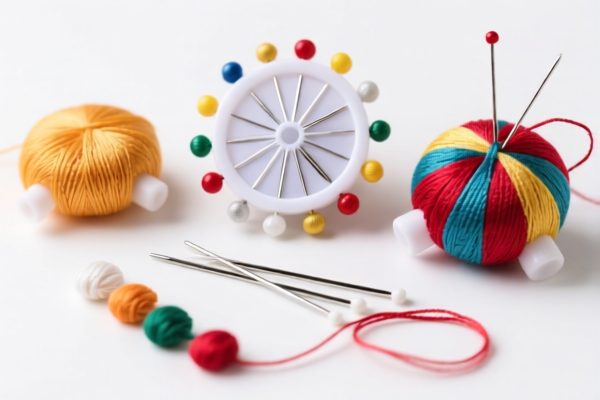
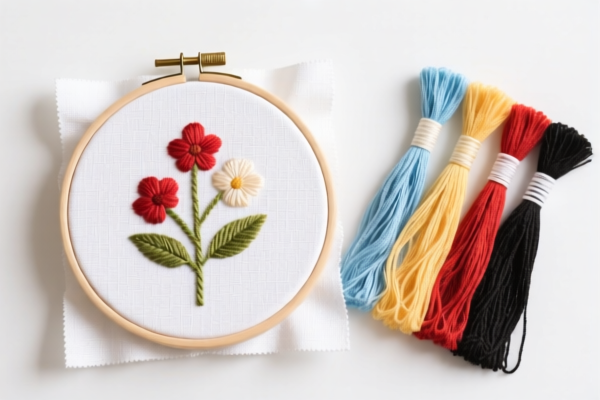
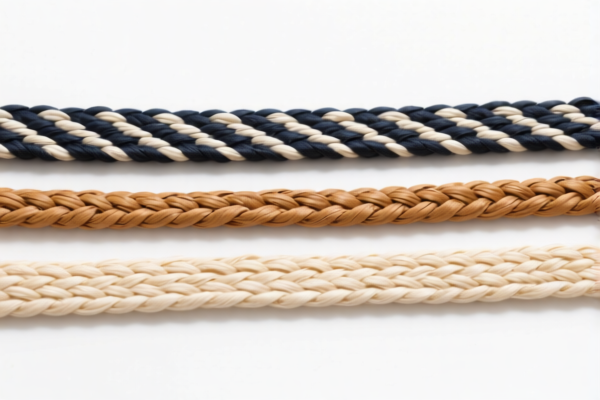
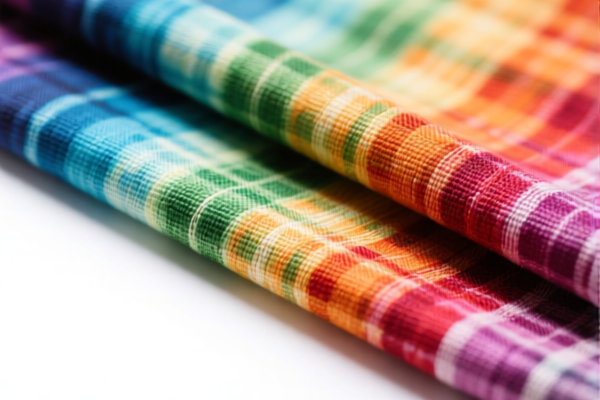
AI Analysis
🧵 DIY Sewing Kits – Complete HS Code & Tariff Guide for 2026 | Expert Customs Clearance Strategy
🌐 HS Code Reference & Customs Clearance Handbook | 2026 Updated Tariff Breakdown | Pro-Level Import Planning
📦 One: Product Definition & Classification – What Exactly Is a “DIY Sewing Kit”?
A DIY Sewing Kit is a pre-assembled travel or hobby package containing essential sewing tools and materials, designed for personal crafting, hobbyists, or on-the-go repairs. It typically includes:
- Sewing needles (various sizes)
- Threads (cotton, polyester, silk)
- Scissors or seam rippers
- Pins, thimbles, measuring tape
- Thread cutters, bobbins, or small repair patches
- Optional: small fabric swatches, pattern cards, or storage pouch
⚠️ Key Classification Principle:
- If items are packaged together as a ready-to-use set for casual or travel use → Classified as a "set" under 9605.00.00.00
- If sold individually or in bulk (e.g., loose thread spools, single needles) → Not a kit, may fall under different categories (e.g., 5208, 5111)
🔍 Two: HS Code Classification Details (2026 Official Tariff Matchup)
| HS Code | Product Description | Typical Use Case | Is It a Pre-Packaged Set? |
|---|---|---|---|
9605.00.00.00 |
DIY sewing kits, travel sewing sets, hobby tool kits – includes needles, thread, tools, and accessories in one package | Home crafting, travel, gifts, educational kits | ✅ Yes – packaged as a set |
5111.90.90.00 |
Other woven fabrics – non-specific, used as a catch-all for textile materials not covered elsewhere | Fabric rolls, remnants, craft fabric | ❌ No – not a kit, but raw material |
5208.39.80.90 |
Cotton or cotton-containing woven fabrics – for sewing, embroidery, or craft use | DIY fabric for projects, patchwork, quilting | ❌ No – fabric only, not a kit |
5208.49.80.90 |
Cotton or mixed-fiber woven fabrics – similar to above | Craft fabrics, blends, lightweight textiles | ❌ No – fabric only |
5111.11.70.60 |
Woven fabrics of wool or fine animal hair – e.g., merino, cashmere | Luxury sewing projects, high-end garments | ❌ No – fabric only, not a kit |
🔍 Critical Insight:
Only packaged kits with multiple sewing tools and materials in one set qualify for9605.00.00.00.
Raw fabrics (even if used for sewing) are not considered "kits" and must be classified under textile-specific codes (5111, 5208).
💰 Three: 2026 Updated Tariff Breakdown (US Market – China Origin)
✅ Target Country: United States (US)
✅ Origin: China (CN)
✅ Effective Date: November 10, 2025 (inclusive)
🎯 1. 9605.00.00.00 – DIY Sewing Travel Kits (Pre-Packaged Sets)
| Item | Detail |
|---|---|
| Base Tariff | 8.1% (ad valorem) |
| Section 301 (USITC) Additional Duty | +0% (no 301 tariff on this code) |
| Section 122 (IEEPA) Emergency Tariff | +10% (applies to goods from China under IEEPA) |
| Total Effective Tariff | 18.1% |
| Tax Calculation | CIF Value × 18.1% |
| De Minimis Threshold | ❌ Not eligible (denied under IEEPA rules) |
| Legal Basis Path | IEEPA:9903.01.25 → IEEPA:9903.01.24 → 9605.00.00.00 → FOOTNOTE:9903.88.01 |
📌 Explanation:
- 8.1% base tariff applies to general sewing tool sets. - 10% IEEPA tariff is applied due to China origin, per the International Emergency Economic Powers Act. - No Section 301 (USITC) additional duty – this code is exempt from the 25% 301 tariff. - Total: 18.1% – relatively low compared to textiles.
🎯 2. 5111.90.90.00 – Other Woven Fabrics (General Textile Catch-All)
| Item | Detail |
|---|---|
| Base Tariff | 25.0% |
| Section 301 (USITC) Additional Duty | +25.0% |
| Section 122 (IEEPA) Emergency Tariff | +10% |
| Total Effective Tariff | 60.0% |
| Tax Calculation | CIF Value × 60% |
| De Minimis Threshold | ❌ Not eligible |
| Legal Basis Path | IEEPA:9903.01.25 → IEEPA:9903.01.24 → USITC:5111.90.90.00 → FOOTNOTE:9903.88.01 |
📌 Explanation:
- 25% base tariff on general woven fabrics. - 25% Section 301 tariff – due to China origin under USITC Footnote 9903.88.01. - 10% IEEPA tariff – emergency measure on Chinese goods. - Total: 60% – extremely high, one of the highest tariffs in the textile category.
🎯 3. 5208.39.80.90 – Cotton or Cotton-Containing Woven Fabrics
| Item | Detail |
|---|---|
| Base Tariff | 12.5% |
| Section 301 (USITC) Additional Duty | +25.0% |
| Section 122 (IEEPA) Emergency Tariff | +10% |
| Total Effective Tariff | 47.5% |
| Tax Calculation | CIF Value × 47.5% |
| De Minimis Threshold | ❌ Not eligible |
| Legal Basis Path | IEEPA:9903.01.25 → IEEPA:9903.01.24 → USITC:5208.39.80.90 → FOOTNOTE:9903.88.01 |
📌 Explanation:
- 12.5% base on cotton fabrics. - 25% 301 tariff applies due to China origin. - 10% IEEPA on top. - Total: 47.5% – still very high, but lower than wool or general fabrics.
🎯 4. 5208.49.80.90 – Cotton or Mixed-Fiber Woven Fabrics
| Item | Detail |
|---|---|
| Base Tariff | 14.7% |
| Section 301 (USITC) Additional Duty | +25.0% |
| Section 122 (IEEPA) Emergency Tariff | +10% |
| Total Effective Tariff | 49.7% |
| Tax Calculation | CIF Value × 49.7% |
| De Minimis Threshold | ❌ Not eligible |
| Legal Basis Path | IEEPA:9903.01.25 → IEEPA:9903.01.24 → USITC:5208.49.80.90 → FOOTNOTE:9903.88.01 |
📌 Explanation:
- Slightly higher base rate due to mixed fibers. - Same 25% 301 + 10% IEEPA. - Total: 49.7% – nearly 50% tariff – extremely costly.
🎯 5. 5111.11.70.60 – Woven Fabrics of Wool or Fine Animal Hair
| Item | Detail |
|---|---|
| Base Tariff | 25.0% |
| Section 301 (USITC) Additional Duty | +25.0% |
| Section 122 (IEEPA) Emergency Tariff | +10% |
| Total Effective Tariff | 60.0% |
| Tax Calculation | CIF Value × 60% |
| De Minimis Threshold | ❌ Not eligible |
| Legal Basis Path | IEEPA:9903.01.25 → IEEPA:9903.01.24 → USITC:5111.11.70.60 → FOOTNOTE:9903.88.01 |
📌 Explanation:
- Wool fabrics are treated the same as general textiles under 301 and IEEPA. - 60% total tariff – same as5111.90.90.00– extremely high.
🛠️ Four: Customs Clearance Best Practices (Pro Tips to Avoid Penalties)
✅ 1. Required Documentation (Must-Have List)
| Document | Required? | Notes |
|---|---|---|
| ✅ Commercial Invoice | ✔️ | Clearly state: “DIY Sewing Travel Kit, Pre-Packaged, Includes Needles, Thread, Scissors, Pins” |
| ✅ Packing List | ✔️ | Show contents, quantities, packaging type |
| ✅ Product Photos (with label) | ✔️ | Show the packaging – is it a set? |
| ✅ Bill of Lading / Air Waybill | ✔️ | For shipment tracking |
| ✅ Certificate of Origin (CO) | ✔️ | If claiming preferential treatment (e.g., from Vietnam, Mexico) |
| ✅ Product Specifications / Catalog | ✔️ | Prove it's a kit, not loose items |
| ✅ Third-Party Test Reports | ✔️ | If applicable (e.g., flammability, chemical safety) |
✅ 2.申报技巧 (Key Tips for Accurate Classification)
🔥 "Kit vs. Fabric – The 18.1% vs. 60% Rule!"
| Scenario | Correct HS Code | Wrong Code | Result |
|---|---|---|---|
| Sewing kit in a travel pouch with thread, needle, scissors | 9605.00.00.00 |
5208.39.80.90 |
Save 41.9% |
| Loose cotton fabric rolls (no tools) | 5208.39.80.90 |
9605.00.00.00 |
Pay 47.5% instead of 12.5% |
| Wool fabric for a craft project | 5111.11.70.60 |
9605.00.00.00 |
Pay 60% instead of 25% |
| Kit with fabric swatches + thread + needle | 9605.00.00.00 |
5208.39.80.90 |
Save 35% |
✅ Pro Tip:
If your product contains fabric, but is packaged as a kit, still use9605.00.00.00– as long as it’s a complete set.
✅ 3. Special Cases & Solutions
| Situation | Recommended Action |
|---|---|
| Kit includes fabric scraps | Declare as 9605.00.00.00 – if packaged as a set |
| Kit sold with a pattern card | Still 9605.00.00.00 – pattern is part of the kit |
| Fabric sold separately | Use 5208.39.80.90 or 5111.11.70.60 – no 301 exemption |
| Origin from Vietnam/Mexico | Apply for IEEPA exemption → 0% tariff on 9605.00.00.00 |
| High-value kits | Apply for Advance Ruling (Pre-Approval) to lock in tariff rate |
🌍 Five: Global Customs Comparison (2026)
| Country | Recommended HS Code | Tariff | Certification | Notes |
|---|---|---|---|---|
| 🇺🇸 USA | 9605.00.00.00 |
18.1% (China) | None (FCC/CE optional) | IEEPA applies |
| 🇨🇳 China | 9605.00.00.00 |
5% | CCC (if electronic) | No extra tariffs |
| 🇪🇺 EU | 9605.00.00.00 |
0% (if CE) | CE, RoHS | No 301/IEEPA |
| 🇦🇺 Australia | 9605.00.00.00 |
5% | RCM | No extra duties |
| 🇯🇵 Japan | 9605.00.00.00 |
0% | PSE | No extra tariffs |
📌 Key Takeaway:
- The USA is the only market with high tariffs on sewing kits (18.1%) due to IEEPA. - All other major markets are low-tariff – ideal for export.
📌 Six: Common Mistakes & How to Avoid Them (Avoid Costly Errors!)
❌ Mistake 1: Treating a fabric roll as a DIY kit
👉 Result: Pay 47.5% instead of 18.1% → massive overpayment
❌ Mistake 2: Not proving the kit nature (e.g., no photos, no packaging)
👉 Result: Customs may reclassify as fabric → 60% tariff
❌ Mistake 3: Using "Sewing Thread" or "Fabric" as product name
👉 Result: No indication of "kit" → incorrect HS Code
✅ Correct Product Name Example:
“DIY Travel Sewing Kit – Includes 5 Needles, 10 Thread Spools, Scissors, Pins, Thimble, and Pouch – Pre-Packaged Set”
🎯 Seven: Final Verdict – Win the Tariff Game!
✅ If it’s a kit → use
9605.00.00.00→ 18.1%
✅ If it’s fabric → use textile code → 47.5%–60%
✅ If from Vietnam/Mexico → 0% IEEPA → 8.1% only
✅ Always document packaging & contents
📣 Act Now: Secure Your Profit Margin!
📞 Contact a Customs Broker + Submit product photos + Apply for HS Code Pre-Ruling
🚀 Save thousands in tariffs – avoid surprise charges!
✨ Smart Exporting Starts with Smart Classification!
💼 Your product’s value isn’t just in the materials – it’s in the correct HS Code!
Customer Reviews
About HS Code Classification
The Harmonized System (HS) is an internationally standardized nomenclature developed by the World Customs Organization (WCO) to classify traded products. Over 200 countries use the HS system as the basis for customs tariffs, trade statistics, and import/export regulations.
Each HS code follows a hierarchical structure:
- Chapter (2 digits) — Broad category of goods (e.g., Chapter 84: Machinery and Mechanical Appliances)
- Heading (4 digits) — More specific grouping within the chapter
- Subheading (6 digits) — Internationally standardized breakdown, used by all WCO member countries
- National subdivisions (8-10 digits) — Country-specific extensions for further classification, such as US HTSUS 10-digit codes
Correct HS code classification is essential for smooth customs clearance, accurate duty payment, and compliance with trade regulations. Misclassification can lead to customs delays, overpayment of duties, or penalties.
When importing from CN to US, the applicable tariff rates may include:
- Most-Favored-Nation (MFN) rate — The standard duty rate applied to WTO members
- General rate — Applied to countries without trade agreements
- Trade remedy duties — Additional tariffs such as Section 301 (anti-dumping), Section 232 (national security), or countervailing duties
The information provided on this page is for reference purposes only. For official classification, please consult with your local customs authority or a licensed customs broker.