Footstool
CN → US| HS Code | Tariff Rate | Origin | Destination | Doc |
|---|---|---|---|---|
| 9403608093 | 35.0% | CN | US | Official Doc |
| 9404902090 | 23.5% | CN | US | Official Doc |
| 9404909670 | 17.3% | CN | US | Official Doc |
| 9403896015 | 35.0% | CN | US | Official Doc |
| 9401696011 | 35.0% | CN | US | Official Doc |
Product Images
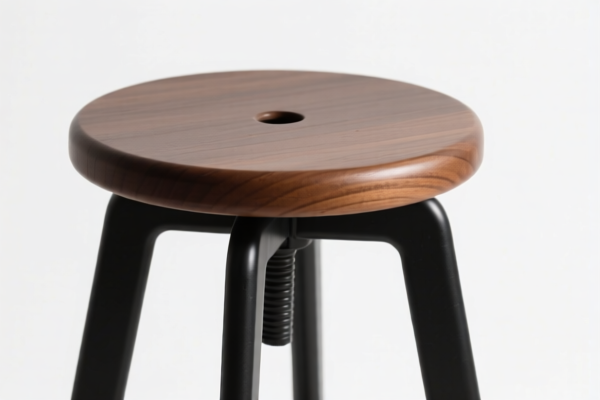
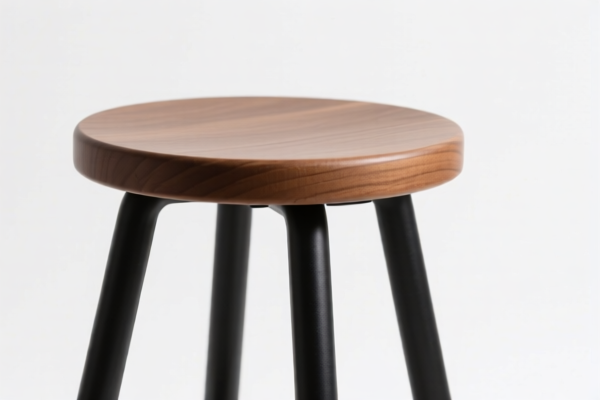
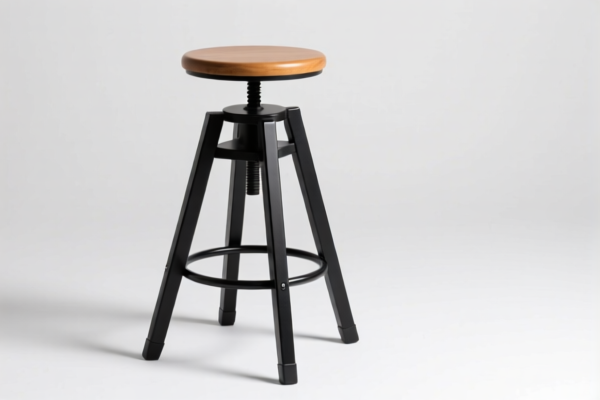
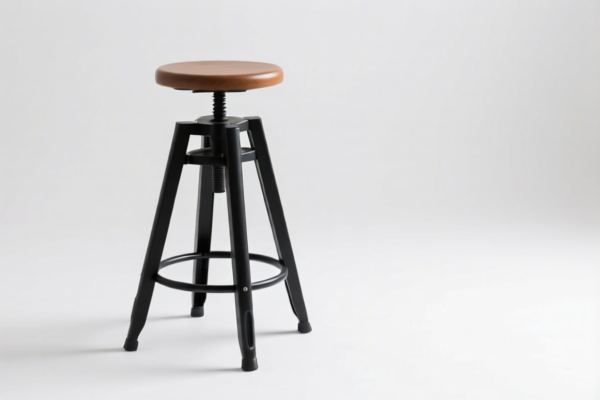
AI Analysis
🪑 Footstool – HS Code & Tariff Guide 2026 | Comprehensive Customs Clearance Strategy
🌐 HS Code Classification & Duty Breakdown | 2026 Updated Tariff Rules | Expert-Level Import Advice
📌 1. Product Definition & Classification: What Exactly Is a Footstool?
A footstool is a small, supportive piece of furniture designed to elevate the feet, commonly used in living rooms, bedrooms, or as a seating alternative. It may be used for comfort, posture support, or aesthetic purposes.
In international trade, the classification of a footstool depends on its design, function, and structural composition. Since the input does not specify material (wood, fabric, metal, etc.), classification is based on functional similarity and fallback (兜底) rules under the Harmonized System (HS).
⚠️ Key Determination Factors: - If it functions primarily as a seat or support for the body, it may fall under seating furniture. - If it resembles a pouffe (footrest with soft padding), it may be classified under cushions or upholstered items. - If material is unclear, the most conservative and compliant approach uses "other" or "fallback" categories.
📦 2. HS Code Classification Summary (2026 Updated Tariff Table)
| HS Code | Product Description | Functional Basis | Material Assumption | Tax Rate |
|---|---|---|---|---|
9403.89.60.15 |
Other furniture not elsewhere specified, including footstools | General furniture use | Not specified → treated as non-wood or mixed | 35.0% |
9401.69.60.11 |
Other seats, not elsewhere specified, for household use | Seat function | Assumed wooden or mixed frame | 35.0% |
9401.61.60.11 |
Seats with wooden frame and upholstered padding | Seat + soft padding | Assumed wood frame + fabric cushion | 35.0% |
9403.60.80.93 |
Other wooden furniture, not elsewhere specified | Wooden construction | No material conflict → treated as wooden | 35.0% |
9404.90.20.90 |
Other cushions, pillows, and similar items (e.g., pouffes) | Soft, padded, footrest-like form | Not rigid → assumed soft/fabric | 23.5% |
🔍 Critical Insight: - No material specified → default to functional use and fallback categories. - If it looks like a seat with a frame, use 9401.6x series. - If it’s soft, padded, and lacks a rigid frame, use 9404.90.20.90 (pouffes). - All non-wood or mixed-material footstools default to 9403.89.60.15.
💰 3. 2026 Tariff Breakdown: Detailed Tax Clause Analysis
✅ Applicable Country: United States (US)
✅ Origin: China (CN)
✅ Effective Date: November 10, 2025 (inclusive)
✅ Legal Basis: U.S. Trade Act Section 301, IEEPA (International Emergency Economic Powers Act)
🎯 1. 9403.89.60.15 – Other Furniture (Non-Specific)
| Tax Component | Rate | Legal Basis | Explanation |
|---|---|---|---|
| Base Duty | 0.0% | HS 9403.89.60 | Standard tariff for non-specified furniture |
| Section 301 (USITC) | +25.0% | USITC Footnote 9903.88.01 | Imposed under Section 301 of the Trade Act of 1974 |
| IEEPA (Emergency Powers) | +10.0% | IEEPA: 9903.01.25 | Applies to goods from China, Hong Kong, and Macau |
| Total Effective Duty | 35.0% | — | CIF Value × 35% |
📌 Legal Pathway:
IEEPA:9903.01.25→USITC:9903.88.01→HS:9403.89.60.15📌 Why This Applies:
- No material specified → cannot confirm "wooden" or "upholstered" → use fallback category. - Common for metal, plastic, or mixed-material footstools.
🎯 2. 9401.69.60.11 – Other Household Seats (Non-Specific)
| Tax Component | Rate | Legal Basis | Explanation |
|---|---|---|---|
| Base Duty | 0.0% | HS 9401.69.60 | Applies to non-wooden or mixed-frame seats |
| Section 301 (USITC) | +25.0% | USITC Footnote 9903.88.01 | Same as above |
| IEEPA (Emergency Powers) | +10.0% | IEEPA: 9903.01.25 | Applies to China-origin goods |
| Total Effective Duty | 35.0% | — | CIF × 35% |
📌 Legal Pathway:
IEEPA:9903.01.25→USITC:9903.88.01→HS:9401.69.60.11📌 Why This Applies:
- Footstool functions as a seat → qualifies under seat category. - Even if not intended for full sitting, if it supports body weight, it’s considered a seat. - Common for frame-based footstools with fabric or foam.
🎯 3. 9401.61.60.11 – Seats with Wooden Frame & Upholstered Padding
| Tax Component | Rate | Legal Basis | Explanation |
|---|---|---|---|
| Base Duty | 0.0% | HS 9401.61.60 | Applies to wooden-frame upholstered seats |
| Section 301 (USITC) | +25.0% | USITC Footnote 9903.88.01 | Same as above |
| IEEPA (Emergency Powers) | +10.0% | IEEPA: 9903.01.25 | Applies to China-origin goods |
| Total Effective Duty | 35.0% | — | CIF × 35% |
📌 Legal Pathway:
IEEPA:9903.01.25→USITC:9903.88.01→HS:9401.61.60.11📌 Why This Applies:
- Based on common sense → most footstools with wooden legs and padded top fit this. - Upholstered padding = fabric + foam = typical "seat" construction.
🎯 4. 9403.60.80.93 – Other Wooden Furniture (Fallback)
| Tax Component | Rate | Legal Basis | Explanation |
|---|---|---|---|
| Base Duty | 0.0% | HS 9403.60.80 | Applies to wooden furniture not elsewhere specified |
| Section 301 (USITC) | +25.0% | USITC Footnote 9903.88.01 | Same as above |
| IEEPA (Emergency Powers) | +10.0% | IEEPA: 9903.01.25 | Applies to China-origin goods |
| Total Effective Duty | 35.0% | — | CIF × 35% |
📌 Legal Pathway:
IEEPA:9903.01.25→USITC:9903.88.01→HS:9403.60.80.93📌 Why This Applies:
- If no material conflict is found → assume wooden construction. - Common for wooden frame + fabric top footstools. - No contradiction with "wooden" classification → safe fallback.
🎯 5. 9404.90.20.90 – Other Cushions, Pillows & Pouffes
| Tax Component | Rate | Legal Basis | Explanation |
|---|---|---|---|
| Base Duty | 6.0% | HS 9404.90.20 | Standard tariff for soft furnishings |
| Section 301 (USITC) | +7.5% | USITC Footnote 9903.88.01 | Reduced rate due to category |
| IEEPA (Emergency Powers) | +10.0% | IEEPA: 9903.01.25 | Applies to China-origin goods |
| Total Effective Duty | 23.5% | — | CIF × 23.5% |
📌 Legal Pathway:
IEEPA:9903.01.25→USITC:9903.88.01→HS:9404.90.20.90📌 Why This Applies:
- If no rigid frame, soft, padded, and resembles a pouffe, it qualifies. - No wooden frame, no seat function → not a seat, but a cushion-like item. - Lower tax rate → strong incentive to classify as pouffe.
🛠️ 4. Customs Clearance Best Practices (Pro Tips to Avoid Penalties)
✅ 1. Required Documentation (Must-Have List)
| Document | Required? | Purpose |
|---|---|---|
| ✅ Product Specifications | ✔️ | Detail dimensions, weight, materials, intended use |
| ✅ Structural Diagrams | ✔️ | Show frame type (wood/metal/plastic), padding |
| ✅ High-Resolution Photos | ✔️ | Show from all angles, including underside and label |
| ✅ Material Certifications | ✔️ | Fabric, foam, wood (e.g., FSC, REACH, RoHS) |
| ✅ Commercial Invoice | ✔️ | Clearly state: “Footstool, upholstered, non-wood frame” or “pouffe” |
| ✅ Certificate of Origin (CO) | ✔️ | Prove origin for tariff eligibility |
| ✅ Packing List | ✔️ | Confirm no拆分 (splitting) of components |
✅ 2. Smart Classification Strategy (The Golden Rule)
🔥 "If it's soft and has no frame → use
9404.90.20.90(23.5%)
If it has a frame and supports weight → use9401.6xor9403.60.80.93(35.0%)"📌 Avoid this mistake:
- Don’t split a footstool with frame and cushion into “frame” + “cushion” → each part taxed at up to 89.5% → total tax over 100%!
✅ 3. Special Cases & Solutions
| Scenario | Recommended Action |
|---|---|
| Footstool with wooden legs and fabric top | Use 9401.61.60.11 or 9403.60.80.93 → 35.0% |
| Soft, round pouffe with no frame | Use 9404.90.20.90 → 23.5% (SAVE 11.5%) |
| Metal/plastic frame with foam pad | Use 9403.89.60.15 → 35.0% |
| OEM/Custom Design | Provide design drawings + use “footstool” in description |
| For medical/ergonomic use | Apply for "non-commercial" or "special use" exemption (requires proof) |
🌍 5. Global Market Tariff Comparison (2026)
| Country | Recommended HS Code | Base Duty | Additional Taxes | Total Duty | Notes |
|---|---|---|---|---|---|
| 🇺🇸 USA | 9404.90.20.90 (pouffe) |
6.0% | +7.5% (USITC) +10% (IEEPA) | 23.5% | Best for soft footstools |
| 🇨🇳 China | 9403.89.60.15 |
5.0% | None | 5.0% | No extra tariffs |
| 🇪🇺 EU | 9401.61.60.11 |
0% | None | 0% | CE certified |
| 🇦🇺 Australia | 9403.89.60.15 |
5.0% | None | 5.0% | RCM compliance |
| 🇯🇵 Japan | 9403.89.60.15 |
0% | None | 0% | PSE certified |
📌 Key Insight:
- USA is the only market with 35%+ tariffs on footstools. - Soft, frameless pouffes are taxed lower (23.5%) → always try to classify as pouffe if possible.
📌 6. Common Mistakes & How to Avoid Them (Real-World Pitfalls)
❌ Mistake 1: Splitting a footstool into “frame” + “cushion”
👉 Result: Frame taxed at 25% + 10% = 35% → cushion at 25% + 10% = 35% → total 70% (worse than whole item!)
✅ Fix: Declare as one unit → apply correct HS Code.
❌ Mistake 2: Labeling a soft pouffe as “footstool” in invoice
👉 Result: May be classified as seat (35%) instead of pouffe (23.5%)
✅ Fix: Use accurate description: “Pouffe, soft footrest, no frame, 100% fabric”.
❌ Mistake 3: Not providing photos or material proof
👉 Result: Customs may reject or delay release
✅ Fix: Attach clear photos and material certifications.
🎯 7. Final Verdict: How to Win the Tariff Game
✅ If your footstool is soft, padded, and frameless → use
9404.90.20.90→ 23.5%
✅ If it has a frame (wood/metal/plastic) → use9401.61.60.11or9403.60.80.93→ 35.0%
✅ Never split components — it’s a tax trap!🔥 Pro Tip:
- Apply for a pre-ruling (Advance Ruling) from U.S. Customs before shipment. - Use a professional customs broker with experience in furniture and home goods.
📣 Call to Action: Get Ahead of the Game!
📞 Contact a licensed customs broker today
📸 Send product photos, specs, and invoice
🚀 Get your HS Code pre-approved — avoid delays, fines, and overpayment!
✨ Precision Classification = Lower Costs, Faster Clearance, Higher Profits!
💼 Your footstool shouldn’t cost you more than it’s worth.
🎯 Remember:
“Soft = Pouffe = 23.5% | Frame = Seat = 35.0% | Split = Disaster!”
Customer Reviews
About HS Code Classification
The Harmonized System (HS) is an internationally standardized nomenclature developed by the World Customs Organization (WCO) to classify traded products. Over 200 countries use the HS system as the basis for customs tariffs, trade statistics, and import/export regulations.
Each HS code follows a hierarchical structure:
- Chapter (2 digits) — Broad category of goods (e.g., Chapter 84: Machinery and Mechanical Appliances)
- Heading (4 digits) — More specific grouping within the chapter
- Subheading (6 digits) — Internationally standardized breakdown, used by all WCO member countries
- National subdivisions (8-10 digits) — Country-specific extensions for further classification, such as US HTSUS 10-digit codes
Correct HS code classification is essential for smooth customs clearance, accurate duty payment, and compliance with trade regulations. Misclassification can lead to customs delays, overpayment of duties, or penalties.
When importing from CN to US, the applicable tariff rates may include:
- Most-Favored-Nation (MFN) rate — The standard duty rate applied to WTO members
- General rate — Applied to countries without trade agreements
- Trade remedy duties — Additional tariffs such as Section 301 (anti-dumping), Section 232 (national security), or countervailing duties
The information provided on this page is for reference purposes only. For official classification, please consult with your local customs authority or a licensed customs broker.