girl's sweater
CN → US| HS Code | Tariff Rate | Origin | Destination | Doc |
|---|---|---|---|---|
| 6104220080 | 0.0% | CN | US | Official Doc |
| 6104230040 | 0.0% | CN | US | Official Doc |
| 6110202020 | 34.0% | CN | US | Official Doc |
| 6110190080 | 33.5% | CN | US | Official Doc |
Product Images
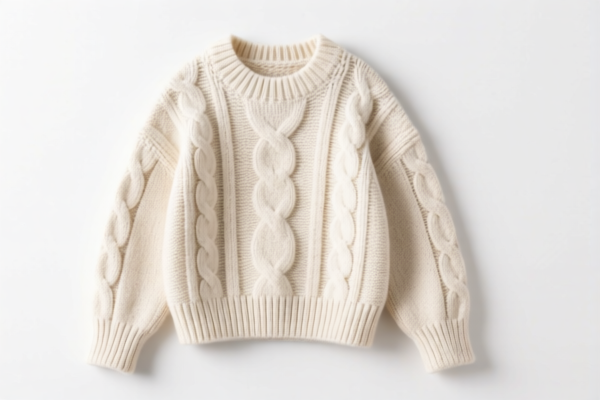
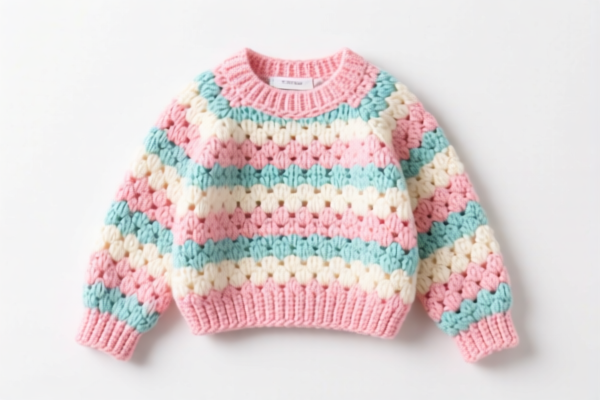

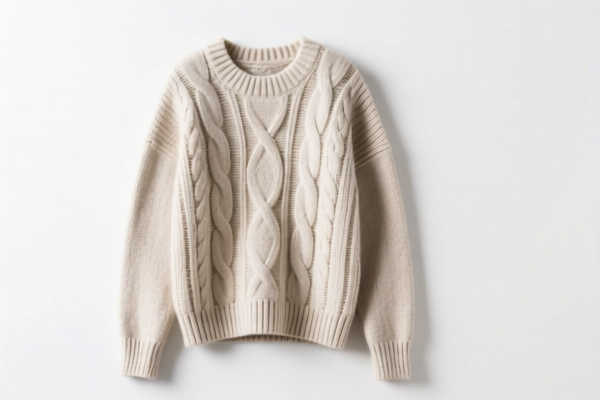
AI Analysis
👗 Girl's Sweater (Knitted/Hand-knitted Garments)
🌐 HS Code Reference & Customs Clearance Guide | 2026 Latest Tariff Analysis | Professional Strategy for Apparel Imports
📌 I. Product Definition & Classification: What Exactly is a "Girl's Sweater"?
In international trade, "girl's sweaters" are broadly categorized under Chapter 61 (Articles of apparel and clothing accessories, knitted or crocheted). The specific HS code depends on: 1. Fiber Material (Wool, Cotton, Synthetic) 2. Garment Type (Suit, Coat, Vest, Cardigan, Pullover) 3. Target Demographic (Girl's vs. Boy's vs. Unisex)
⚠️ Key Distinction:
- Material is King: 600-series codes (Wool/Fine Animal Hair) differ significantly from 6100-series (Synthetic) and 6110-series (Cotton/Other). - Style Matters: "Suit" (set of items) vs. "Single Garment" affects tax calculation rules.
📦 II. HS Code Classification Details (Based on Provided Data)
| HS Code | Product Description | Material Inference | Key Characteristics |
|---|---|---|---|
| 6104.22.00.80 | Girl's Knitted Suit/Ensemble (e.g., Cardigan + Skirt) | Cotton or Wool | Fits the "suit" category; tax calculated per item if separated. |
| 6104.23.00.40 | Girl's Knitted Suit/Ensemble (Synthetic) | Synthetic Fibers (Non-Wool) | Fits the "suit" category; tax calculated per item if separated. |
| 6110.20.20.20 | Girl's Knitted Sweater (Pullover/Top) | Cotton | Single garment; specific to cotton fiber content. |
| 6110.19.00.80 | Girl's Knitted Sweater (Pullover/Top) | Wool or Fine Animal Hair | Single garment; premium fiber content (Cashmere, Alpaca, etc.). |
🔍 Critical Clarification:
- Codes 6104.22.00.80 and 6104.23.00.40 refer to "Suits" (ensembles), meaning the tax rate is applied as if each garment were declared separately. - Codes 6110.20.20.20 and 6110.19.00.80 refer to single sweaters, where the tax is applied to the whole garment value.
💰 III. 2026 Tariff Rate Breakdown (Detailed Tax Analysis)
✅ Applicable Region: United States (US)
✅ Origin: China (CN)
✅ Effective Date: 2026 (Based on provided data)
🎯 1. 6104.22.00.80 & 6104.23.00.40 (Girl's Knitted Suits/Ensembles)
⚠️ Special Tax Rule: These codes trigger a specific calculation rule: "The rate applicable to each garment in the ensemble if separately declared."
| Tax Component | Rate / Rule | Description |
|---|---|---|
| Base Duty | Variable | Calculated based on the individual garment's tax rate (e.g., if the jacket is 20% and the skirt is 10%, the rate is applied to each). |
| Section 301 / "122 Clause" (Additional Tariff) | +10% | A specific punitive tariff often applied to Chinese apparel under Section 301 or "122"条款. |
| Section 232 / "7.5% Additional Tariff" | +7.5% | A supplemental tariff layer (likely related to steel/aluminum or specific trade action). |
| Combined Total Rate | Base + 17.5% | Total = (Base Rate of Individual Item) + 17.5% |
| Calculation Example | If Base Rate is 10% | Total = 10% + 17.5% = 27.5% |
📌 Explanation:
- Base Duty: Depends on the specific fiber of the individual piece in the suit. - Total Burden: You must pay the standard duty PLUS 7.5% (Section 232) PLUS 10% (122 Clause) = +17.5% extra. - Strategy: If selling a suit, the "per item" rule means the tax base is potentially higher if the individual items have high base rates.
🎯 2. 6110.20.20.20 (Girl's Knitted Sweater - Cotton)
| Tax Component | Rate | Description |
|---|---|---|
| Base Duty | 16.5% | Standard MFN (Most Favored Nation) duty for cotton knitted sweaters. |
| Section 301 / "122 Clause" | +10% | Additional punitive tariff. |
| Section 232 | +7.5% | Additional tariff. |
| Total Tax Rate | 34.0% | 16.5% + 10% + 7.5% = 34.0% |
📌 Calculation:
- CIF Value × 34.0% = Total Duty Payable. - This is a fixed high rate due to the combination of base duty and the two additional tariffs.
🎯 3. 6110.19.00.80 (Girl's Knitted Sweater - Wool/Fine Animal Hair)
| Tax Component | Rate | Description |
|---|---|---|
| Base Duty | 16.0% | Slightly lower base duty for wool/fine animal hair compared to cotton. |
| Section 301 / "122 Clause" | +10% | Additional punitive tariff. |
| Section 232 | +7.5% | Additional tariff. |
| Total Tax Rate | 33.5% | 16.0% + 10% + 7.5% = 33.5% |
📌 Calculation:
- CIF Value × 33.5% = Total Duty Payable. - Note: Even though wool is often considered a premium fiber, the high additional tariffs make it nearly as expensive as cotton in terms of total duty.
🛠️ IV. Customs Clearance Practical Advice (Avoid Pitfalls)
✅ 1. Material Declaration is Crucial
| Mistake | Consequence | Correct Action |
|---|---|---|
| "Textile" (Generic) | 海关无法判断,导致归类错误或延误 | Specific: "100% Cotton" or "100% Merino Wool" |
| "Knitted Shirt" | May be misclassified as 6104 (Suit) instead of 6110 (Sweater) | Specific: "Pullover Sweater" or "Cardigan" |
| "Suit" vs. "Set" | If a set is sold, but declared as separate items, tax rules change | Honest: Declare as "Set" (Ensemble) if sold together |
🔥 Pro Tip: For HS Code 6104.xx.xx, ensure the packaging clearly shows a "suit" or "ensemble." If it's a sweater + pants sold separately, declare them individually under 6110 codes to avoid the complex "per item" calculation confusion.
✅ 2. Tax Strategy & Cost Planning
🚨 Warning: The 17.5% (10% + 7.5%) extra tax applies to ALL entries in this dataset. - Cotton Sweaters: 34% Total - Wool Sweaters: 33.5% Total - Suits: Base + 17.5%
Action Plan: 1. Negotiate Pricing: With a ~34% tariff, your landed cost increases significantly. Adjust FOB/CIF prices accordingly. 2. Material Mix: If possible, use blended fibers that might fall into a different sub-category (consult a tariff expert), though 6110 covers most knitted tops. 3. Pre-Arrival Ruling: If dealing with "Suits" (6104), request a Section 301 Exclusion if available, as the 122 Clause is a heavy burden.
✅ 3. Documentation Checklist
| Document | Why It Matters |
|---|---|
| Fiber Content Label | Must match HS Code (e.g., "100% Wool" for 6110.19) |
| Packaging Photos | Prove if it's a "Suit" (ensemble) or "Single Garment" |
| Commercial Invoice | Must list "Girl's Knitted Sweater" clearly, not just "Apparel" |
| Country of Origin | Confirms eligibility for Section 301/122 penalties |
🌍 V. Global Market Comparison (2026 Snapshot)
| Region | Recommended HS Code | Total Duty Estimate | Note |
|---|---|---|---|
| 🇺🇸 USA | 6110.20.20.20 or 6110.19.00.80 |
34.0% / 33.5% | High due to Section 301 & 122 Clause |
| 🇪🇺 EU | 6110.20 / 6110.19 | ~5-12% | No "122 Clause"; lower base duties |
| 🇨🇦 Canada | 6110.20 / 6110.19 | ~10-15% | CUSMA agreement may reduce base duty |
| 🇯🇵 Japan | 6110.20 / 6110.19 | ~15-18% | Standard MFN rates apply |
📌 Conclusion: The US market currently imposes the highest tax burden (33.5% - 34.0%) on Girl's Sweaters due to the layered additional tariffs. Exporters must factor this into pricing models immediately.
📌 VI. Common Errors & Solutions
❌ Error 1: Declaring a "Cotton Sweater" as "Wool" to save tax.
👉 Result: Seizure, penalty, and potential fraud investigation.
✅ Fix: Always match the physical fiber content to the HS Code.
❌ Error 2: Treating a "Suit" (6104) as a single "Sweater" (6110) to avoid complex tax.
👉 Result: Customs will reclassify and charge higher "suit" rates or penalties.
✅ Fix: Declare suits as "Ensembles" and use the "per item" tax rule correctly.
❌ Error 3: Ignoring the "122 Clause" (10% + 7.5%).
👉 Result: Unexpected cash flow issues when filing the final duty payment.
✅ Fix: Include +17.5% in your cost calculation sheet immediately.
🎯 VII. Final Verdict: Strategic Shipping Advice
🔥 "Garment Tax is a Triangle: Fiber + Type + Penalty"
- For Cotton (6110.20.20.20): Expect 34% total. High cost, consider sourcing alternative materials if possible.
- For Wool (6110.19.00.80): Expect 33.5% total. Slightly cheaper base, but still very high.
- For Suits (6104.xx): Calculate the Base Rate of Each Item + 17.5%. This is often the most complex to declare.
Immediate Action:
📞 Contact your Customs Broker: Ask for a Section 301 Exclusion search.
📄 Update Your Incoterms: Ensure CIF pricing includes the 34% tariff buffer.
📦 Audit Your Labels: Ensure fiber content (Cotton vs. Wool) is 100% accurate to avoid misclassification.
✨ Smart Trade, Precise Classification!
💼 Don't let hidden tariffs eat your margins – know your HS Code!
Customer Reviews
About HS Code Classification
The Harmonized System (HS) is an internationally standardized nomenclature developed by the World Customs Organization (WCO) to classify traded products. Over 200 countries use the HS system as the basis for customs tariffs, trade statistics, and import/export regulations.
Each HS code follows a hierarchical structure:
- Chapter (2 digits) — Broad category of goods (e.g., Chapter 84: Machinery and Mechanical Appliances)
- Heading (4 digits) — More specific grouping within the chapter
- Subheading (6 digits) — Internationally standardized breakdown, used by all WCO member countries
- National subdivisions (8-10 digits) — Country-specific extensions for further classification, such as US HTSUS 10-digit codes
Correct HS code classification is essential for smooth customs clearance, accurate duty payment, and compliance with trade regulations. Misclassification can lead to customs delays, overpayment of duties, or penalties.
When importing from CN to US, the applicable tariff rates may include:
- Most-Favored-Nation (MFN) rate — The standard duty rate applied to WTO members
- General rate — Applied to countries without trade agreements
- Trade remedy duties — Additional tariffs such as Section 301 (anti-dumping), Section 232 (national security), or countervailing duties
The information provided on this page is for reference purposes only. For official classification, please consult with your local customs authority or a licensed customs broker.