girl's winter dress
CN → US| HS Code | Tariff Rate | Origin | Destination | Doc |
|---|---|---|---|---|
| 6204423060 | 25.9% | CN | US | Official Doc |
| 6204423050 | 25.9% | CN | US | Official Doc |
| 6104420020 | 29.0% | CN | US | Official Doc |
Product Images
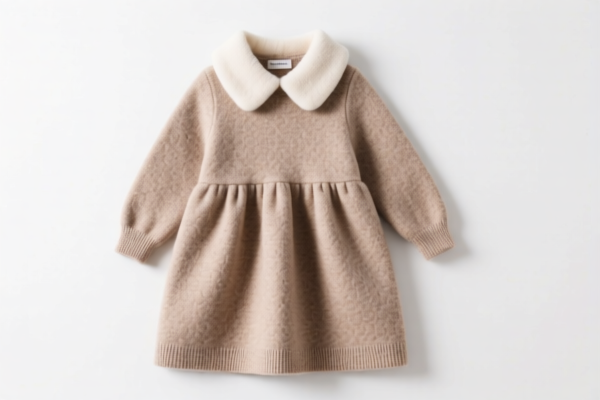
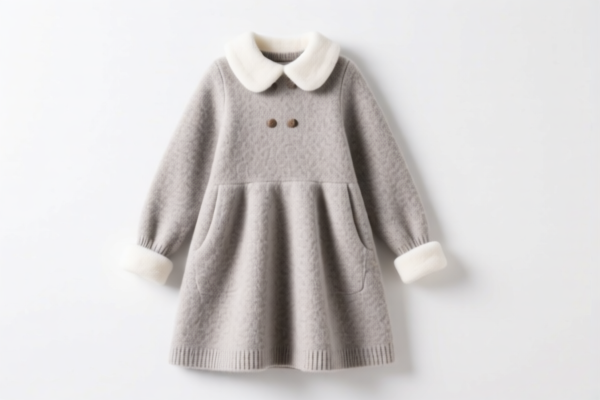
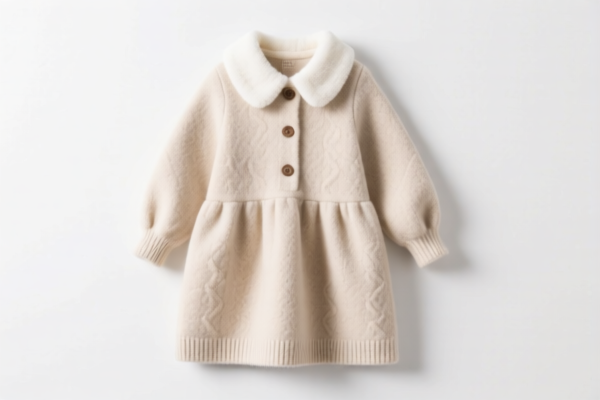
AI Analysis
👗 Girl's Winter Dress (Cotton Girls' Dresses)
🌐 HS Code Reference & Customs Clearance Guide | 2026 Latest Tariff Analysis | Professional Clearance Strategy
📌 I. Product Definition & Classification: Do You Really Understand "Girl's Winter Dress"?
A "Girl's Winter Dress" in the context of international trade (specifically under the provided data) refers to Cotton Girls' Dresses. Despite the term "winter," the classification is driven by material composition and garment construction, not just seasonal wear.
In international trade, these are generally categorized into two main structural types:
- Outerwear Dresses (Chapter 62): Woven fabrics, typically treated as outer garments. This includes classic A-line dresses, shirt dresses, or structured cotton dresses.
- Knitted/Crocheted Dresses (Chapter 61): Knitted or crocheted fabrics, often used for more flexible, casual, or body-hugging styles.
⚠️ Critical Distinction Point:
- If the dress is Woven (not knitted) → It falls under Chapter 62 (6204.42...)
- If the dress is Knitted → It falls under Chapter 61 (6104.42...)
- Material is Key: All items in the provided data are 100% Cotton.
📦 II. HS Code Classification Details (2026 Latest Tariff Authority Comparison)
Based on the provided data <DATA>, here are the specific HS Codes and their tax implications. Note that while the product summary is identical ("Cotton Girls' Dress"), the HS Code prefix changes the tariff burden due to different regulatory treatments.
| HS Code | Product Description | Structure/Fabric Type | Total Tax Rate | Tax Breakdown |
|---|---|---|---|---|
6204.42.30.60 |
Cotton Girls' Dress | Woven Cotton | 25.9% | Base: 8.4% + Section 301: 7.5% + Section 122: 10% |
6204.42.30.50 |
Cotton Girls' Dress | Woven Cotton | 25.9% | Base: 8.4% + Section 301: 7.5% + Section 122: 10% |
6104.42.00.20 |
Cotton Girls' Dress | Knitted/Crocheted Cotton | 29.0% | Base: 11.5% + Section 301: 7.5% + Section 122: 10% |
🔍 Key Insight:
- Woven (6204) vs. Knitted (6104): The knitted version (6104.42.00.20) has a higher base tariff (11.5%) compared to the woven versions (8.4%).
- Total Cost Impact: The knitted dress incurs 3.1% more in total duties than the woven dress due to the higher base rate, despite having the same additional penalties.
💰 III. 2026 Latest Tariff Rate Breakdown (Including Surcharges & Policy Add-ons)
✅ Applicable Country: United States (US)
✅ Origin: China (CN) (Implied by "Section 122" and high combined rates)
✅ Effective Time: Current 2026 Tariff Structure
🎯 1. Woven Cotton Dresses (6204.42.30.60 / 6204.42.30.50)
| Item | Content |
|---|---|
| Base Tariff | 8.4% (Ad Valorem) |
| Section 301 Surcharge | +7.5% (USITC Footnote 9903.88.01 / Trade Act) |
| Section 122 Tariff | +10% (Specific provision for certain textile/apparel imports) |
| Total Effective Rate | 25.9% |
| Tax Calculation | CIF Value × 25.9% |
| De Minimis Exemption? | ❌ NO (Cannot use Section 321 de minimis for these specific codes due to high scrutiny and surcharges) |
| Legal Basis Path | HTSUS:6204.42.30 → USITC:Section 301 → Section 122 Regulation |
📌 Explanation:
- The 8.4% base is the standard Most Favored Nation (MFN) rate for women's/girls' woven cotton dresses.
- The 7.5% is part of the ongoing Section 301 retaliatory tariffs on Chinese goods.
- The 10% is a specific "Section 122" tariff, often applied to sensitive textile categories or specific trade remedy measures.
- Total 25.9% is a significant cost factor that must be priced into the FOB/CIF terms.
🎯 2. Knitted Cotton Dresses (6104.42.00.20)
| Item | Content |
|---|---|
| Base Tariff | 11.5% (Ad Valorem) |
| Section 301 Surcharge | +7.5% |
| Section 122 Tariff | +10% |
| Total Effective Rate | 29.0% |
| Tax Calculation | CIF Value × 29.0% |
| De Minimis Exemption? | ❌ NO |
| Legal Basis Path | HTSUS:6104.42.00 → USITC:Section 301 → Section 122 Regulation |
📌 Note:
- Knitted garments often have slightly higher base duties due to different manufacturing classifications.
- The additional surcharges (7.5% + 10%) remain identical to the woven category.
- Higher Base Rate Alert: Choosing6104over6204increases your duty cost by 3.1% of the CIF value.
🛠️ IV. Customs Clearance Practical Advice (Real-World Pitfall Guide)
✅ 1. Documentation Checklist (Mandatory)
| Document | Required | Explanation |
|---|---|---|
| ✅ Commercial Invoice | ✔️ | Must explicitly state "Cotton Girls' Dress" and specify Woven or Knitted. |
| ✅ Packing List | ✔️ | List items by size/color. Ensure no mixed HS codes in one shipment if possible to avoid complex audits. |
| ✅ Fabric Composition Label | ✔️ | Must show "100% Cotton" clearly. Mislabeling (e.g., saying "Polyester") will lead to severe penalties and reclassification. |
| ✅ Product Photos | ✔️ | Front, back, and close-up of the fabric weave (to prove woven vs. knitted). |
| ✅ Origin Certificate | ✔️ | Crucial for verifying Country of Origin (China) to apply correct surcharges. |
| ✅ Customs Bond | ✔️ | Continuous bond recommended for frequent imports. |
✅ 2. Declaration Tips (Critical Mnemonic)
🔥 "Fabric Defines Code, Section 122 Adds Ten, Section 301 Adds Seven, Base Rate Makes the Difference!"
| Situation | Correct Declaration | Wrong Action |
|---|---|---|
| Woven Cotton Dress | 6204.42.30.60 or 6204.42.30.50 |
Misdeclare as Knitted (6104) → Overpaying or Underpaying depending on audit |
| Knitted Cotton Dress | 6104.42.00.20 |
Misdeclare as Woven (6204) → Risk of 3.1% underpayment penalty if caught |
| Mixed Material | Must declare main fiber | Claiming "Cotton" when it's 60% Cotton/40% Polyester → Incorrect Base Rate |
| Sample vs. Bulk | Mark as "Commercial Sample" if applicable | Declaring samples as bulk cargo → No tax benefit for samples, but risks delays |
✅ 3. Special Cases & Handling
| Scenario | Handling Advice |
|---|---|
| OEM/Custom Design | Provide design sketches. Ensure the "dress" shape is distinct from a "top" or "jumpsuit." |
| Age Specification | Clearly state "For Girls" (not women's). 6204.42 is specifically for girls/infants. Misclassification into Women's HS codes (6204.42 for women is different) can lead to errors. |
| Seasonal Labeling | Do NOT label as "Winter Wear" in a way that suggests heavy insulation (which might change classification). "Winter Dress" here means seasonal fashion, not thermal underwear. |
| De Minimis Strategy | Avoid Section 321. With rates >25%, using de minimis ($800 exemption) is risky and often blocked for textile/surcharge items. Use formal entry. |
🌍 V. Global Market Comparison (2026 Latest)
| Country/Region | Recommended HS Code | Tariff Rate | Certification | Notes |
|---|---|---|---|---|
| 🇺🇸 USA | 6204.42.30.60 / 6104.42.00.20 |
25.9% - 29.0% | CPSIA (Child Safety), Prop 65 | High tariffs due to Section 301 & 122. |
| 🇨🇳 China | 6204.42 / 6104.42 |
9% - 12% | CCC (if applicable) | Lower base rate, no Section 301/122. |
| 🇪🇺 EU | 6204.42 / 6104.42 |
12% - 15% | REACH, CPSR (Cosmetic) | No Section 301 surcharges. |
| 🇬🇧 UK | 6204.42 / 6104.42 |
12% - 15% | UKCA | Post-Brexit rules apply. |
📌 Conclusion:
- The USA is the most expensive market due to the叠加 (stacking) of Base Tariff + Section 301 + Section 122.
- Woven (6204) is cheaper than Knitted (6104) in the US by 3.1%.
- EU/UK have lower total rates but stricter chemical safety standards (REACH).
📌 VI. Common Mistakes & Pitfalls (Lessons Learned)
❌ Mistake 1: Confusing "Woven" and "Knitted"
👉 Consequence: If you declare a knitted dress as woven, the base rate differs. If audited, you will face underpayment penalties and potential seizure.
👉 Fix: Check the fabric weave. Knitted = loops (stretchy); Woven = interlaced (structured).
❌ Mistake 2: Ignoring Section 122 Tariffs
👉 Consequence: Assuming only Section 301 (7.5%) applies. The 10% Section 122 is often overlooked, leading to unexpected bills at customs.
👉 Fix: Always add 10% to your cost calculation for these specific HS codes.
❌ Mistake 3: Mislabeling Age Group
👉 Consequence: Declaring "Girls' Dress" but using Women's HS codes (or vice versa).
👉 Fix: Use the correct subheadings for Girls/Infants (6104.42 or 6204.42 specific sub-codes).
✅ Correct Declaration Example:
"COTTON GROWN GIRLS' WOVEN DRESS, 100% COTTON, COLOR RED, SIZE 6-7, MODEL XYZ, COMPLY WITH CPSIA"
🎯 VII. Conclusion: Professional Clearance, Cost Savings!
🎯 Remember the Golden Rule:
🔹 "Woven is Cheaper (8.4% Base), Knitted is Costlier (11.5% Base). Both Pay 301 (7.5%) and 122 (10%). Total: 25.9% vs 29.0%."
🔹 "Don't let fabric structure decide your profit margin. Know your weave!"
📌 Pro Tip:
If you are importing large volumes, consider Advance Rulings with CBP (Customs and Border Protection) to confirm the exact HS code for your specific garment construction. This avoids unexpected audits and ensures you are paying the correct 25.9% or 29.0% and not overpaying due to conservative declarations.
📣 Immediate Action:
📞 Consult your freight forwarder + Provide fabric swatches + Verify Section 122 applicability
🚀 Ensure your CPSIA compliance is in place to avoid detention for child safety issues.
✨ Professional clearance starts with precise classification!
💼 Your every cent of duty is worth calculating!
Customer Reviews
About HS Code Classification
The Harmonized System (HS) is an internationally standardized nomenclature developed by the World Customs Organization (WCO) to classify traded products. Over 200 countries use the HS system as the basis for customs tariffs, trade statistics, and import/export regulations.
Each HS code follows a hierarchical structure:
- Chapter (2 digits) — Broad category of goods (e.g., Chapter 84: Machinery and Mechanical Appliances)
- Heading (4 digits) — More specific grouping within the chapter
- Subheading (6 digits) — Internationally standardized breakdown, used by all WCO member countries
- National subdivisions (8-10 digits) — Country-specific extensions for further classification, such as US HTSUS 10-digit codes
Correct HS code classification is essential for smooth customs clearance, accurate duty payment, and compliance with trade regulations. Misclassification can lead to customs delays, overpayment of duties, or penalties.
When importing from CN to US, the applicable tariff rates may include:
- Most-Favored-Nation (MFN) rate — The standard duty rate applied to WTO members
- General rate — Applied to countries without trade agreements
- Trade remedy duties — Additional tariffs such as Section 301 (anti-dumping), Section 232 (national security), or countervailing duties
The information provided on this page is for reference purposes only. For official classification, please consult with your local customs authority or a licensed customs broker.