girls' cotton down windbreaker
CN → US| HS Code | Tariff Rate | Origin | Destination | Doc |
|---|---|---|---|---|
| 6201304000 | 16.2% | CN | US | Official Doc |
| 6202307000 | 23.7% | CN | US | Official Doc |
| 6114200060 | 28.3% | CN | US | Official Doc |
| 6202402010 | 45.2% | CN | US | Official Doc |
| 6204335020 | 44.8% | CN | US | Official Doc |
Product Images
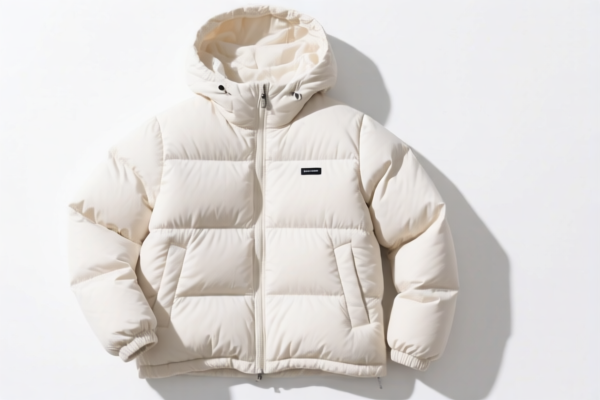
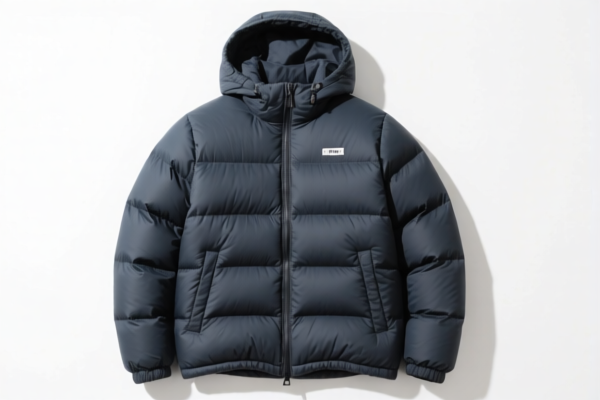
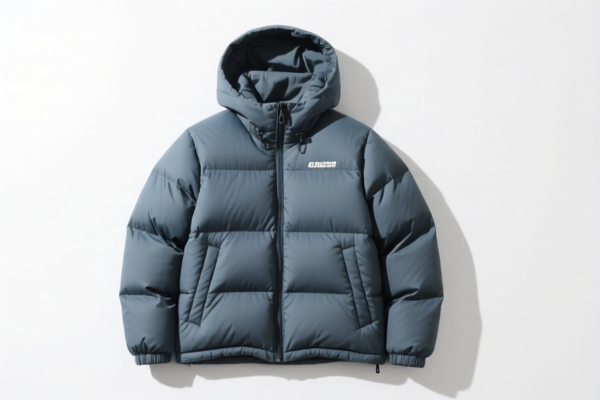
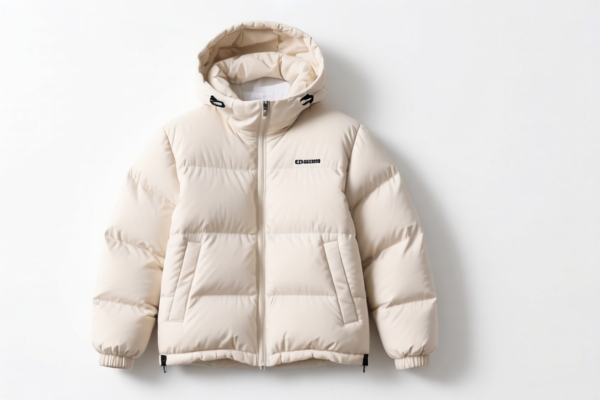
AI Analysis
🧥 Girls' Cotton Down Windbreaker: HS Code Classification & US Import Tax Strategy (2026)
🌐 HS Code Reference & Customs Clearance Guide | Latest 2026 Tariff Analysis | Professional Clearance Strategy
📌 I. Product Definition & Classification: What Exactly is a "Girls' Cotton Down Windbreaker"?
This product is a hybrid outerwear item, creating a classification challenge between woven outerwear, knitted outerwear, and apparel materials. To determine the correct HS Code, we must analyze three key factors provided in the <DATA>:
- Material: "Cotton" (implies natural fiber) vs. "Cotton/Down" (often implies a blend or lining). Note: The data focuses on "Cotton" variations.
- Structure: "Windbreaker" (usually implies woven fabric, non-knitted) vs. "Knitted/Hooked" (if made of jersey/fleece).
- User: "Girls" (Child vs. Adult). This is the critical differentiator between HS Chapter 62 (Woven) and Chapter 61 (Knitted).
⚠️ Key Distinction Point:
- If the garment is Woven (traditional windbreaker fabric) and made of Cotton/Cotton-Blend → It falls under Chapter 62.
- If the garment is Knitted (e.g., soft-shell, fleece-style) and made of Cotton → It falls under Chapter 61.
- If it contains Synthetic Fibers (polyester/nylon) instead of pure cotton → Different subheadings apply.
📦 II. HS Code Classification Details (Based on Provided Data)
The <DATA> provides 5 specific HS Codes. Below is the breakdown of why each code applies and its tax implications.
| HS Code | Product Description & Summary | Material/Structure Match | Total Tax Rate (US) |
|---|---|---|---|
6201.30.40.00 |
Men's/Boys' Cotton-Polyester Windbreaker Note: Data summary says "Cotton-Poly Windbreaker". While the user asked for "Girls'", this code represents the Woven, Cotton-Poly Blend category. |
Woven, Cotton/Poly Blend | 16.2% |
6202.30.70.00 |
Girls'/Women's Pure Cotton Windbreaker (Woven) Matches: Pure Cotton, Girls' Use, Woven Windbreaker Shape. |
Woven, 100% Cotton, Girls | 23.7% |
6114.20.00.60 |
Girls'/Women's Pure Cotton Windbreaker (Knitted) Matches: Pure Cotton, Knitted/Hooked, Girls' Use. |
Knitted, 100% Cotton, Girls | 28.3% |
6202.40.20.10 |
Girls' Trench Coat/Windbreaker (Man-Made Fibers) Matches: Girls' Use, Outerwear, Artificial/Synthetic Fiber. |
Woven, Synthetic, Girls | 45.2% |
6204.33.50.20 |
Girls' Trench Coat/Windbreaker (Synthetic) Matches: Girls' Use, Outerwear, Synthetic Fiber. |
Woven, Synthetic, Girls | 44.8% |
🔍 Critical Analysis for "Girls' Cotton Down Windbreaker": 1. "Down" Filling: The provided HS Codes do not explicitly mention "Down" (feathers). In US customs, if the outer shell is cotton, the garment is classified by the outer shell material, not the filling, unless it's a "down jacket" specifically classified under 61.01/62.01 with specific lining rules. However, the data provided focuses on Woven/Knitted distinctions. 2. "Cotton" vs. "Synthetic": If the windbreaker is truly 100% Cotton (woven), it falls under
6202.30.70.00. 3. "Windbreaker" vs. "Trench": If the material is Synthetic (e.g., Polyester shell, even if inner is cotton), it jumps to6202.40.20.10or6204.33.50.20, which have much higher taxes.
💰 III. 2026 Latest Tariff Rate Breakdown (With Surtaxes & Policy Add-ons)
✅ Applicable Country: United States (US)
✅ Country of Origin: China (CN) (Implied by "122 Section" and "6.2% Base" which aligns with US-China trade data)
✅ Effective Date: Current (Post-2025 Adjustments)
🎯 1. 6202.30.70.00 — Girls' Pure Cotton Woven Windbreaker
The most likely code for a "Girls' Cotton Windbreaker" if woven.
| Item | Content |
|---|---|
| Base Tariff | 6.2% (MFN Rate) |
| Section 301 Surtax | 7.5% (Additional US Tariff on Chinese Goods) |
| Section 122 Tariff | 10% (Emergency Tariff on Specific Apparel from China) |
| Total Effective Rate | 23.7% |
| Tax Calculation | CIF Value × 23.7% |
| De Minimis Exemption? | ❌ No (Value usually exceeds $800 threshold for apparel, or apparel is excluded from 321a in some cases) |
| Legal Authority | HTSUS 6202.30.70.00 + Section 301 Footnotes + Section 122 |
📌 Explanation:
- 6.2% is the standard Most Favored Nation (MFN) duty for cotton women's/girls' woven coats.
- 7.5% is the Section 301 tariff, which applies to most Chinese apparel.
- 10% is the Section 122 tariff, a special provision allowing the President to impose duties up to 50% on essential items (including apparel) to reduce the trade deficit.
- Total: 23.7% is significant and must be included in cost calculations.
🎯 2. 6114.20.00.60 — Girls' Pure Cotton Knitted Windbreaker
If the "Windbreaker" is actually a soft-shell or knitted jersey style.
| Item | Content |
|---|---|
| Base Tariff | 10.8% |
| Section 301 Surtax | 7.5% |
| Section 122 Tariff | 10% |
| Total Effective Rate | 28.3% |
| Tax Calculation | CIF Value × 28.3% |
| De Minimis Exemption? | ❌ No |
| Legal Authority | HTSUS 6114.20.00.60 + Section 301 + Section 122 |
📌 Explanation:
- Knitted garments often have higher base tariffs (10.8%) than woven ones (6.2%) due to different manufacturing classifications.
- The 10% Section 122 tariff applies here too, making the total cost even higher than the woven version.
🎯 3. 6202.40.20.10 & 6204.33.50.20 — Girls' Windbreaker (Synthetic/Man-Made)
If the "Cotton" in the prompt is a misnomer, or if the shell is Polyester/Nylon.
| Item | Content |
|---|---|
| Base Tariff | 27.7% (for 6202.40.20.10) or 27.3% (for 6204.33.50.20) |
| Section 301 Surtax | 7.5% |
| Section 122 Tariff | 10% |
| Total Effective Rate | 45.2% or 44.8% |
| Tax Calculation | CIF Value × ~45% |
| De Minimis Exemption? | ❌ No |
📌 Warning:
- If your "Cotton" windbreaker actually has a Synthetic Outer Shell (e.g., Poly-cotton blend >50% synthetic, or 100% Polyester), the base tariff skyrockets from 6.2% to ~27.7%.
- Combined with Section 301 and 122, the total tax is ~45%. This is almost double the tax for pure cotton woven goods.
🛠️ IV. Customs Clearance Practical Advice (Avoid Pitfalls)
✅ 1. Documentation Checklist (Essential for Clearance)
| Document | Required? | Purpose |
|---|---|---|
| ✅ Commercial Invoice | ✔️ | Must clearly state: "Girls' Woven Windbreaker, 100% Cotton, Filled with Down" |
| ✅ Packing List | ✔️ | Detail weight and quantity |
| ✅ Product Specification Sheet | ✔️ | Crucial: Must confirm Fiber Content of the Outer Shell (e.g., "Outer: 100% Cotton, Woven; Lining: 100% Polyester; Filling: 90% Duck Down") |
| ✅ Label/Tag Photo | ✔️ | Must show care label with fiber content and country of origin |
| ✅ Bill of Lading/Air Waybill | ✔️ | For freight details |
✅ 2. Declaration Strategy (Key Mnemonics)
🔥 "Shell Defines, Fill Ignored, Knit vs. Woven, Check the %!"
| Scenario | Correct Declaration | Incorrect Declaration | Risk |
|---|---|---|---|
| Woven Cotton Shell | 6202.30.70.00 |
6114.20.00.60 |
Penalty for misclassification; lower tax claimed |
| Knitted Cotton Shell | 6114.20.00.60 |
6202.30.70.00 |
Penalty; higher tax claimed (may trigger audit) |
| Synthetic Shell | 6202.40.20.10 |
6202.30.70.00 |
Major Penalty: Underpayment of ~21.5% tax |
| Mixed Fiber (e.g., 60% Poly, 40% Cotton) | Classify as Synthetic (6202.40...) |
Classify as Cotton (6202.30...) |
Major Penalty: Tax jumps from 23.7% to 45.2% |
⚠️ Critical Note on "Cotton Down":
- If the garment is a Down Jacket (puffer style), ensure the Outer Shell material is correctly declared.
- If the outer shell is 100% Cotton, use6202.30.70.00(if woven).
- If the outer shell is Polyester (common for windbreakers to be water-resistant), use6202.40.20.10. Do not declare as Cotton if it's not!
✅ 3. Special Circumstances Handling
| Situation | Recommendation |
|---|---|
| "Down" vs. "Windbreaker" | If it's a puffer jacket, it's still classified by the outer fabric. The "Down" is internal. |
| Cotton-Poly Blend | If the blend is <50% cotton, it's classified as Synthetic. If >50% cotton, it may be classified as Cotton (check HTSUS notes). |
| Section 122 Exemption? | Currently, most apparel is subject to Section 122. Verify if your specific product type is exempt (unlikely for standard windbreakers). |
| Pre-Ruling (Advance Ruling) | Highly Recommended. If you have a new style, apply for an CBP Advance Ruling to lock in the HS Code and tax rate. |
🌍 V. Global Market Comparison (2026)
| Market | Recommended HS Code (Cotton Woven) | Base Tariff | US Surtax (Section 301) | Section 122 | Total Tax (China Origin) | Notes |
|---|---|---|---|---|---|---|
| 🇺🇸 USA | 6202.30.70.00 |
6.2% | 7.5% | 10% | 23.7% | High tax burden. Plan pricing accordingly. |
| 🇨🇳 China | 6202.30.70.00 |
10-15% | N/A | N/A | ~10-15% | Exported from China, so import duty applies to US, not China. |
| 🇪🇺 EU | 6202.30.70 |
~12% | 0% (GSP not available) | N/A | ~12% | No Section 122 or 301 equivalent. Lower tax than US. |
| 🇬🇧 UK | 6202.30.70 |
~12% | 0% | N/A | ~12% | Similar to EU post-Brexit. |
| 🇨🇦 Canada | 6202.30.70 |
17.5% | 0% (CUSMA) | N/A | 0% (if Canadian/Mexican origin) | 0% if made in Canada/Mexico. High tax if from China. |
📌 Conclusion:
- The US market is the most expensive for Chinese-origin cotton windbreakers due to Section 301 (7.5%) and Section 122 (10%).
- Total tax of 23.7% for pure cotton woven goods vs. 45% for synthetic.
- Material composition is the single most important factor in cost control.
📌 VI. Common Mistakes & Pitfalls (Blood Lessons)
❌ Mistake 1: Declaring a Polyester windbreaker as Cotton
👉 Result: Tax drops from 45.2% to 23.7%. Customs will audit, leading to back taxes + penalties (up to 30% of value) and potential seizure.
❌ Mistake 2: Ignoring the Section 122 Tariff
👉 Result: If you only budget for MFN + Section 301 (13.7%), but not Section 122 (10%), you will be underpaid by 10% on every shipment.
❌ Mistake 3: Confusing Knitted vs. Woven
👉 Result:
- Knitted (6114) has a higher base tax (10.8%) than Woven (6202, 6.2%).
- Misclassifying a woven garment as knitted can lead to delays for inspection.
❌ Mistake 4: Not declaring "Girls'" correctly
👉 Result: Adult codes (6201 for men, 6204 for women) have different tax rates. Misclassification leads to wrong duty assessment.
✅ Correct Approach:
"Girls' Woven Windbreaker, Outer Shell: 100% Cotton, Filling: Duck Down, Model: XYZ, Made in China"
🎯 VII. Conclusion: Professional Declaration, Save Costs!
🎯 Remember the Mantra:
🔹 "Shell Material Rules All, Fill is Hidden, Check for Cotton, Avoid Synthetic Tax!"
🔹 "Section 122 Adds 10%, Don't Forget It!"
🔹 "Woven Cotton = 23.7%, Synthetic = 45%!"
📌 Pro Tip:
If you are importing large volumes, consider supply chain diversification.
- Vietnam/Mexico/Thailand: May avoid Section 301 and Section 122 tariffs if they meet Rules of Origin.
- Action: Request a Free Trade Agreement (FTA) certificate if sourcing from countries with US trade agreements (e.g., USMCA for Mexico/Canada).
📣 Immediate Action:
📞 Contact your Customs Broker with the exact fiber content of the outer shell.
📝 Request an Advance Ruling if this is a new product style.
🚀 Optimize your supply chain to avoid the 45% tax trap by ensuring pure cotton outer shells if targeting the US market.
✨ Professional Customs Clearance Starts with Accurate Classification!
💼 Every percentage point in tax matters! Calculate Precisely!
Customer Reviews
About HS Code Classification
The Harmonized System (HS) is an internationally standardized nomenclature developed by the World Customs Organization (WCO) to classify traded products. Over 200 countries use the HS system as the basis for customs tariffs, trade statistics, and import/export regulations.
Each HS code follows a hierarchical structure:
- Chapter (2 digits) — Broad category of goods (e.g., Chapter 84: Machinery and Mechanical Appliances)
- Heading (4 digits) — More specific grouping within the chapter
- Subheading (6 digits) — Internationally standardized breakdown, used by all WCO member countries
- National subdivisions (8-10 digits) — Country-specific extensions for further classification, such as US HTSUS 10-digit codes
Correct HS code classification is essential for smooth customs clearance, accurate duty payment, and compliance with trade regulations. Misclassification can lead to customs delays, overpayment of duties, or penalties.
When importing from CN to US, the applicable tariff rates may include:
- Most-Favored-Nation (MFN) rate — The standard duty rate applied to WTO members
- General rate — Applied to countries without trade agreements
- Trade remedy duties — Additional tariffs such as Section 301 (anti-dumping), Section 232 (national security), or countervailing duties
The information provided on this page is for reference purposes only. For official classification, please consult with your local customs authority or a licensed customs broker.