girls' romper
CN → US| HS Code | Tariff Rate | Origin | Destination | Doc |
|---|---|---|---|---|
| 6111206070 | 25.6% | CN | US | Official Doc |
| 6104621030 | 27.8% | CN | US | Official Doc |
| 6209205050 | 26.8% | CN | US | Official Doc |
| 6111206020 | 25.6% | CN | US | Official Doc |
| 6209205030 | 26.8% | CN | US | Official Doc |
Product Images
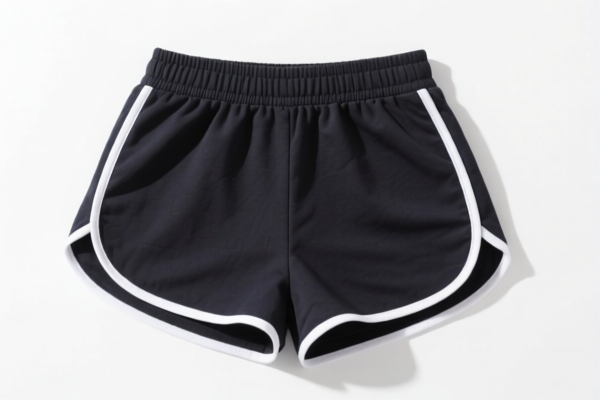
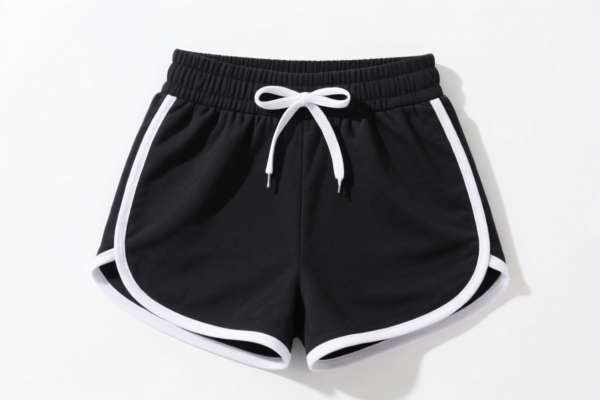
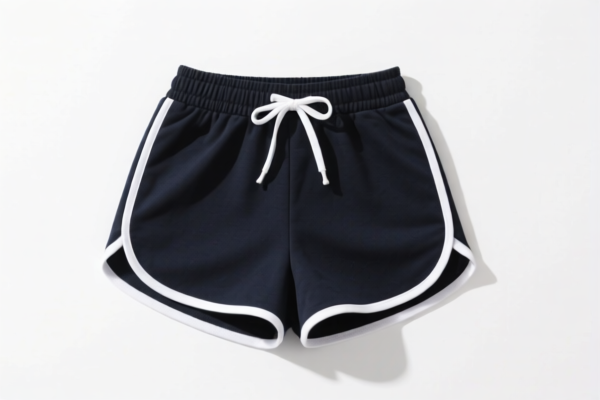
AI Analysis
👗 Girls' Romper (Cotton Knitted/Woven)
🌐 HS Code Reference & Customs Clearance Guide | 2026 Latest Tariff Breakdown | Professional Compliance Strategy
📌 Part 1: Product Definition & Classification Logic: What is a "Girls' Romper"?
A Romper is a one-piece garment consisting of a top and shorts/bloomers, typically worn by infants, toddlers, or young girls. In international trade (specifically US Customs), the classification depends heavily on two factors:
1. Material & Construction: Is it Knitted (e.g., jersey, ribbed knit) or Woven (e.g., cotton poplin, linen blend)?
2. Age Group: Is it classified as Infant/Toddler (usually under 2 years) or Girls' Children (older than 2 years)?
⚠️ Key Distinction Point:
- If the romper is Knitted and for Infants/Toddlers (typically size 0-24M): It falls under Chapter 61 (Knitted), specifically 6111.
- If the romper is Knitted for Older Girls (>2 years): It falls under Chapter 61 (Knitted), specifically 6104.
- If the romper is Woven (for any age): It falls under Chapter 62 (Woven), specifically 6209 (Infant) or 6104/6204 (Children).
📦 Part 2: HS Code Classification Details (Based on Provided Data)
The following HS Codes are derived strictly from the provided data context for Cotton Girls' Rompers. Note that USHTS codes are 10-digit.
| HS Code | Product Description | Logical Basis | Age/Category |
|---|---|---|---|
6111.20.60.70 |
Cotton Knitted Girls' Romper | Classified under Infant/Toddler knitwear. "6111" indicates knitted baby garments. | 🍼 Infant/Toddler (≤2 yrs) |
6104.62.10.30 |
Cotton Girls' Romper (Woven/Knit inferred) | Fallback category based on cotton and "girls" attributes. Likely represents a broader "Girls' Clothing" category if not explicitly infant. | 👧 Older Girls (>2 yrs) |
6209.20.50.50 |
Cotton Woven Infant/Toddler Romper | "6209" indicates Woven baby garments. Specific to infants/toddlers made of cotton. | 🍼 Infant/Toddler (Woven) |
6111.20.60.20 |
Cotton Knitted Girls' Romper | Another valid Infant/Toddler knitwear code. Similar to .70, falls under the same logic. | 🍼 Infant/Toddler (Knitted) |
6209.20.50.30 |
Cotton Woven Infant/Toddler Romper | Specific Woven infant category. No conflict with functional wear. | 🍼 Infant/Toddler (Woven) |
🔍 Critical Insight:
- Knitted (Chapter 61) vs. Woven (Chapter 62) is the primary differentiator.
- Infant (6111/6209) vs. Girls/Children (6104/6204) is the secondary differentiator.
- If your romper is knitted and for babies, use 6111. If woven and for babies, use 6209. If for older girls, use 6104.
💰 Part 3: 2026 Tariff Rate Breakdown (China Origin to USA)
✅ Applicable Country: United States (US)
✅ Origin: China (CN)
✅ Effective Date: Rates apply to imports from China under current trade policies.
🎯 1. Infant/Toddler Knitted Rompers (HS: 6111.20.60.70 / 6111.20.60.20)
| Item | Detail |
|---|---|
| Base Tariff Rate | 8.1% (General Rate) |
| Section 301 Additional Tariff | +7.5% |
| Section 122 Tariff (TEA) | +10% (Trade Enforcement Act) |
| Total Effective Tax Rate | 25.6% |
| Calculation Basis | CIF Value × 25.6% |
| De Minimis Exemption | ❌ Not Applicable (Section 301 and 122 tariffs typically void $800 de minimis exemption for these categories) |
| Legal Path | USITC:6111.20.60 → Section 301: Footnote 9903.88.01 → TEA: Section 122 |
📌 Explanation:
- The 8.1% base rate is standard for knitted baby garments.
- The 7.5% is the Section 301 "China-specific" tariff.
- The 10% is an additional tariff under recent trade enforcement measures.
- Total: 25.6%. This is a moderate-to-high burden compared to non-China origins.
🎯 2. Girls' Romper (Fallback/General Child Category) (HS: 6104.62.10.30)
| Item | Detail |
|---|---|
| Base Tariff Rate | 10.3% (General Rate) |
| Section 301 Additional Tariff | +7.5% |
| Section 122 Tariff (TEA) | +10% |
| Total Effective Tax Rate | 27.8% |
| Calculation Basis | CIF Value × 27.8% |
| De Minimis Exemption | ❌ Not Applicable |
| Legal Path | USITC:6104.62.10 → Section 301 → TEA |
📌 Explanation:
- This code carries a slightly higher base rate (10.3%) than infant codes.
- The additional tariffs remain the same.
- Total: 27.8%. This is the highest tariff among the listed options.
🎯 3. Infant/Toddler Woven Rompers (HS: 6209.20.50.50 / 6209.20.50.30)
| Item | Detail |
|---|---|
| Base Tariff Rate | 9.3% (General Rate) |
| Section 301 Additional Tariff | +7.5% |
| Section 122 Tariff (TEA) | +10% |
| Total Effective Tax Rate | 26.8% |
| Calculation Basis | CIF Value × 26.8% |
| De Minimis Exemption | ❌ Not Applicable |
| Legal Path | USITC:6209.20.50 → Section 301 → TEA |
📌 Explanation:
- Woven infant garments have a base rate of 9.3%.
- Total: 26.8%. This is in the middle range.
🛠️ Part 4: Customs Clearance Practical Advice
✅ 1. Documentation Checklist (Essential for Avoiding Delays)
| Document | Required? | Purpose |
|---|---|---|
| ✅ Product Specification Sheet | ✔️ | Must specify: Material (100% Cotton?), Construction (Knitted/Woven?), Age Range (Infant vs. Girls?). |
| ✅ Size Chart & Sample Photos | ✔️ | To prove it is indeed a "Romper" (one-piece) and not a "Set" (top + separate shorts). |
| ✅ Care Label Content | ✔️ | Must match the material composition declared (e.g., "100% Cotton"). |
| ✅ Commercial Invoice | ✔️ | Clear description: "Girls' Cotton Knitted Romper, Model XYZ". |
| ✅ Packing List | ✔️ | Total value, weight, quantity. |
✅ 2. Classification Strategy (Key Tips)
🔥 Golden Rule: "Material First, Age Second."
| Scenario | Correct HS Code Family | Risk if Misclassified |
|---|---|---|
| Knitted, Baby (≤2 yrs) | 6111.xxxxxx.xx |
If misclassified as Girls' (6104), base rate increases from 8.1% to 10.3% (+2.2% extra tax). |
| Knitted, Girls (>2 yrs) | 6104.xxxxxx.xx |
If misclassified as Infant, it may be questioned if size exceeds infant limits. |
| Woven, Baby | 6209.xxxxxx.xx |
Knitted and Woven are mutually exclusive. Wrong chapter = 100% misclassification penalty. |
| Woven, Girls | 6204.xxxxxx.xx |
(Note: Not in provided data, but common for older girls. Ensure you have the correct 10-digit code). |
✅ 3. Special Considerations
| Situation | Recommendation |
|---|---|
| "Romper" vs. "Coverall" | If the garment has long legs and buttons to the neck, it might be classified as a Coverall (often higher duty). Ensure the item is clearly "shorts/tank" style for Romper classification. |
| Mixed Materials | If the romper has cotton but 5% elastane, the 60%+ rule applies. Cotton is dominant, so it stays in Chapter 61/62. |
| Section 122 Tariff | This 10% tariff is non-negotiable for most Chinese goods. Do not assume it is waived. |
🌍 Part 5: Global Market Comparison (2026 Snapshot)
| Market | Recommended HS Code (Example) | Total Tax (China Origin) | Key Requirement |
|---|---|---|---|
| 🇺🇸 USA | 6111.20.60.70 (Infant Knit) |
25.6% | CPSC Safety Certification (Flammability, Small Parts) |
| 🇪🇺 EU | 6111.20 (NTHS) |
~12-16% | CE Mark, REACH Compliance, GOTS (if organic) |
| 🇨🇳 China | 6111.20.90.90 |
~10-15% | CCC (if applicable), GB Standards |
| 🇬🇧 UK | 6111.20 |
~12-16% | UKCA Mark, Post-Brexit Rules of Origin |
📌 USA-Specific Note:
- CPSC (Consumer Product Safety Commission) clearance is mandatory for infant clothing.
- Failure to provide Children’s Product Certificate (CPC) will result in customs hold or deportation.
- Flammability Testing (16 CFR 1610/1615) is required.
📌 Part 6: Common Mistakes & Pitfalls
❌ Mistake 1: Calling a "Knitted" romper "Woven" to avoid higher base rates.
👉 Consequence: Customs will inspect fabric weave. If found knitted, back taxes + penalties.
❌ Mistake 2: Misidentifying Age Group.
👉 Consequence: If a romper is size 2T (2 years old), classifying it as Infant (6111) is risky. It should be 6104 (Girls'). Misclassification leads to duty underpayment penalties.
❌ Mistake 3: Ignoring Section 122 Tariff.
👉 Consequence: Budgeting for only 15.6% tax (Base + 301) but facing 25.6%. Cash flow crisis.
✅ Correct Approach:
"100% Cotton Knitted Girls' Romper, Size 6-12M, Compliant with CPSC 16 CFR 1610, Made in China."
🎯 Part 7: Conclusion
🎯 Summary of Tax Burden (China Origin to USA):
- Lowest Tax: 6111.20.60.70 / 6111.20.60.20 → 25.6% (Infant Knitted)
- Middle Tax: 6209.20.50.50 / 6209.20.50.30 → 26.8% (Infant Woven)
- Highest Tax: 6104.62.10.30 → 27.8% (Girls' General)
📌 Strategic Advice:
1. Verify Age: If the romper is for toddlers/infants, strictly use 6111 (knit) or 6209 (woven) for the lowest base rate.
2. Material Proof: Keep fabric test reports handy to prove "Knitted" vs. "Woven".
3. Compliance: Ensure CPSC compliance for infant wear to avoid customs holds beyond just tariff issues.
4. Costing: Factor in the 25.6%-27.8% total landed duty cost when pricing from China.
✨ Professional Clearance Starts with Accurate Classification!
💼 Every Percent of Tariff Counts!
Customer Reviews
About HS Code Classification
The Harmonized System (HS) is an internationally standardized nomenclature developed by the World Customs Organization (WCO) to classify traded products. Over 200 countries use the HS system as the basis for customs tariffs, trade statistics, and import/export regulations.
Each HS code follows a hierarchical structure:
- Chapter (2 digits) — Broad category of goods (e.g., Chapter 84: Machinery and Mechanical Appliances)
- Heading (4 digits) — More specific grouping within the chapter
- Subheading (6 digits) — Internationally standardized breakdown, used by all WCO member countries
- National subdivisions (8-10 digits) — Country-specific extensions for further classification, such as US HTSUS 10-digit codes
Correct HS code classification is essential for smooth customs clearance, accurate duty payment, and compliance with trade regulations. Misclassification can lead to customs delays, overpayment of duties, or penalties.
When importing from CN to US, the applicable tariff rates may include:
- Most-Favored-Nation (MFN) rate — The standard duty rate applied to WTO members
- General rate — Applied to countries without trade agreements
- Trade remedy duties — Additional tariffs such as Section 301 (anti-dumping), Section 232 (national security), or countervailing duties
The information provided on this page is for reference purposes only. For official classification, please consult with your local customs authority or a licensed customs broker.