girls' warm bib onesie
CN → US| HS Code | Tariff Rate | Origin | Destination | Doc |
|---|---|---|---|---|
| 6114200046 | 28.3% | CN | US | Official Doc |
| 6114303054 | 32.4% | CN | US | Official Doc |
| 6111305010 | 33.5% | CN | US | Official Doc |
| 6209303010 | 33.5% | CN | US | Official Doc |
| 6111301000 | 45.7% | CN | US | Official Doc |
Product Images
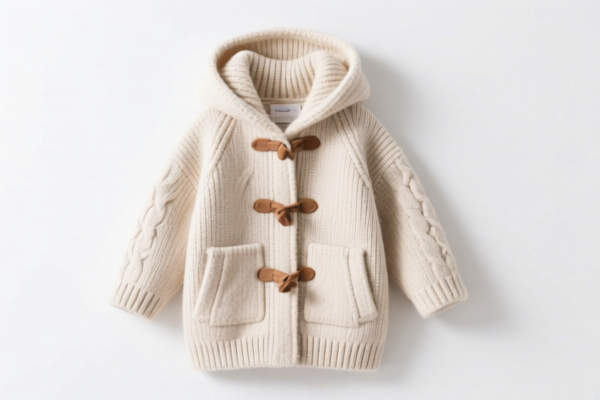
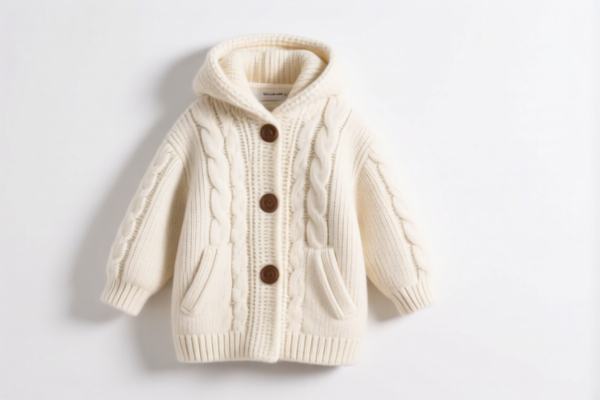
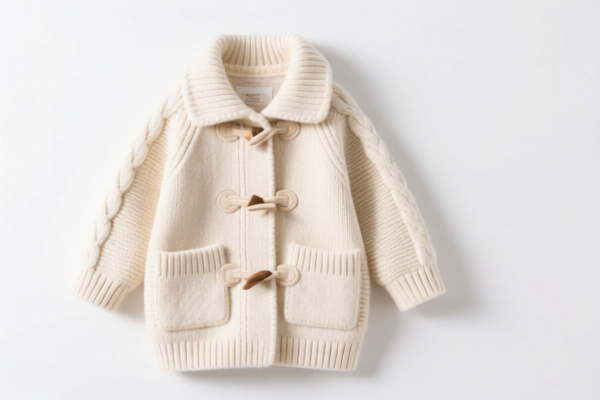

AI Analysis
👶 Girls' Warm Bib Onesie 🧸
🌐 HS Code Classification & Customs Clearance Guide | 2026 Tax Analysis | Strategic Compliance Strategy
📌 I. Product Definition: What Exactly is a "Warm Bib Onesie"?
A "Girls' Warm Bib Onesie" is a specialized infant/toddler garment that combines the coverage of a onesie (bodysuit) with the protective function of a bib. It is typically designed for cold weather ("Warm") and features a built-in bib area to protect against spills or drool.
Key Characteristics for Classification: * Knitted or Crocheted vs. Woven: Most onesies are knitted (Chapter 61). However, if the construction uses non-knitted fabric (woven), it falls under Chapter 62. * Age Group: Designed for infants/children. * Function: Protection (Bib) + Wear (Onesie). * Material: Often blends of cotton, synthetic fibers (polyester/nylon), or synthetic blends.
⚠️ Critical Distinction:
- If the item is knitted and classified as a specific "baby garment" or "other clothing," it may fall under 6111 (Knitted/Crocheted Baby Garments) or 6114 (Other knitted garments).
- If it is woven, it likely falls under 6209 (Woven Baby Garments).
- The "Bib" aspect does not change the primary classification as a garment but may influence the specific sub-heading based on material and exact form.
📦 II. HS Code Classification Details (2026 Latest Tariff Schedule)
Based on the provided data, there are 5 potential HS Codes for this product. The correct code depends on the fabric composition and manufacturing process (knitted vs. woven).
| HS Code | Product Description & Rationale | Material Focus | Key Classification Logic |
|---|---|---|---|
6114.20.00.46 |
Girls' Warm Protective Onesie | Cotton or Synthetic Fiber | Knitted garment not elsewhere specified. "Protective" and "Warm" attributes align with this general knitted category. |
6114.30.30.54 |
Girls' Warm Protective Onesie | Synthetic or Artificial Fiber | Knitted garment made from synthetic fibers (e.g., polyester fleece for warmth). |
6111.30.50.10 |
Onesie (Baby/Child Garment) | Synthetic Fiber | Knitted/crocheted baby garments. "Onesie" is a classic baby garment form. Warmth achieved via synthetic fiber construction. |
6209.30.30.10 |
Onesie (Baby/Child Garment) | Synthetic Fiber or Cotton Blend | Woven baby garments. If the onesie is woven (less common for stretchy onesies but possible for structured bibs), this applies. |
6111.30.10.00 |
Girls' Warm Bib Overalls/Bibs | Fiber/Textile | Knitted baby garments specifically identified as bibs or overalls. This code has the highest base tariff due to specific duty rates. |
🔍 Selection Guide:
- Knitted? Look at 6114 or 6111.
- Woven? Look at 6209.
- Highest Warmth/Specific "Bib" Form? May trigger 6111.30.10.00 if deemed a specific bib/overall hybrid.
- Material Check: Synthetic fibers often push toward 6114.30 or 6111.30 variants.
💰 III. 2026 Latest Tariff Rate Breakdown (Detailed Tax Clauses)
✅ Applicable Country: United States (US)
✅ Origin: China (CN)
✅ Effective Time: Current tariff structure including Section 301 and Section 232/122 implications.
🎯 1. 6114.20.00.46 – Knitted/Crocheted Other Clothing (Cotton/Synthetic)
| Item | Content |
|---|---|
| Base Tariff | 10.8% (Ad Valorem) |
| Section 301 Tariff | +7.5% (Additional duty on Chinese goods) |
| Section 122 Tariff | +10% (Specific textile/apparel additional duty) |
| Total Tax Rate | 28.3% |
| Tax Calculation | CIF Value × 28.3% |
| De Minimis Exemption | ❌ Not Applicable (Textiles under these codes generally do not qualify for de minimis if value exceeds threshold or if specifically excluded by trade remedy) |
| Legal Basis | Base HTSUS → USITC Section 301 List → USITC Section 122 Footnote |
📌 Explanation:
- 10.8%: Standard Most Favored Nation (MFN) rate for "Other knitted or crocheted garments."
- 7.5%: Section 301 additional duty.
- 10%: Section 122 additional duty (applies to certain apparel/textiles from China).
- Total: 28.3%. This is a moderate-high tariff for apparel.
🎯 2. 6114.30.30.54 – Knitted/Crocheted Other Clothing (Synthetic/Ap)
| Item | Content |
|---|---|
| Base Tariff | 14.9% (Ad Valorem) |
| Section 301 Tariff | +7.5% |
| Section 122 Tariff | +10% |
| Total Tax Rate | 32.4% |
| Tax Calculation | CIF Value × 32.4% |
| De Minimis Exemption | ❌ Not Applicable |
| Legal Basis | Base HTSUS (Synthetic fibers) → USITC Section 301 → USITC Section 122 |
📌 Note:
- Synthetic fibers often carry a higher base duty (14.9% vs 10.8%) due to domestic industry protections.
- Total: 32.4%.
🎯 3. 6111.30.50.10 – Knitted/Crocheted Baby Garments (Synthetic)
| Item | Content |
|---|---|
| Base Tariff | 16.0% (Ad Valorem) |
| Section 301 Tariff | +7.5% |
| Section 122 Tariff | +10% |
| Total Tax Rate | 33.5% |
| Tax Calculation | CIF Value × 33.5% |
| De Minimis Exemption | ❌ Not Applicable |
| Legal Basis | HTSUS 6111 (Baby Garments) → USITC Section 301 → USITC Section 122 |
📌 Critical Point:
- Baby garments (6111) often have higher base duties (16.0%) to protect domestic infant apparel manufacturers.
- Total: 33.5%.
🎯 4. 6209.30.30.10 – Woven Baby Garments (Synthetic/Cotton)
| Item | Content |
|---|---|
| Base Tariff | 16.0% (Ad Valorem) |
| Section 301 Tariff | +7.5% |
| Section 122 Tariff | +10% |
| Total Tax Rate | 33.5% |
| Tax Calculation | CIF Value × 33.5% |
| De Minimis Exemption | ❌ Not Applicable |
| Legal Basis | HTSUS 6209 (Woven Baby Garments) → USITC Section 301 → USITC Section 122 |
📌 Note:
- Woven baby garments (6209) are taxed similarly to knitted ones (6111) in terms of total impact due to high base rates.
- Total: 33.5%.
🎯 5. 6111.30.10.00 – Girls' Warm Bib Overalls (Specific Form)
| Item | Content |
|---|---|
| Base Tariff | 28.2% (Ad Valorem) |
| Section 301 Tariff | +7.5% |
| Section 122 Tariff | +10% |
| Total Tax Rate | 45.7% |
| Tax Calculation | CIF Value × 45.7% |
| De Minimis Exemption | ❌ Not Applicable |
| Legal Basis | HTSUS 6111 (Specific Bib/Overall subtype) → USITC Section 301 → USITC Section 122 |
⚠️ WARNING:
- This code has the HIGHEST BASE TARIFF (28.2%).
- Total: 45.7%. This is extremely costly and should only be used if the product is strictly defined as a "bib/overall" hybrid under this specific sub-heading. Misclassification here can lead to significant underpayment penalties.
🛠️ IV. Customs Clearance Practical Advice (Real-World Pitfall Guide)
✅ 1. Preparation Checklist (Non-Negotiable)
| Document | Required? | Explanation |
|---|---|---|
| ✅ Product Specs Sheet | ✔️ | Must detail: Knitted/Woven? Material % (Cotton/Synthetic)? Age Group? |
| ✅ Fabric Swatch/Composition | ✔️ | Customs may request fiber analysis to verify HS Code (6114 vs 6111 vs 6209). |
| ✅ Product Photos | ✔️ | Clear images showing the "Bib" feature, onesie fit, and closures (snaps/zippers). |
| ✅ Commercial Invoice | ✔️ | Must match HS Code. Describe as "Girls' Knitted Cotton Onesie with Bib." |
| ✅ Packing List | ✔️ | Ensure item count matches invoice. |
| ✅ Origin Certificate | ✔️ | If not China origin, may reduce Section 301 duties. |
✅ 2. Declaration Strategy (Key Mantra)
🔥 "Define the Knit, State the Fiber, Name the Use, Avoid the High Duty Trap!"
| Scenario | Correct Declaration | Wrong Declaration | Consequence |
|---|---|---|---|
| Knitted Onesie (Cotton) | 6114.20.00.46 |
6111.30.10.00 (Bib) |
Saves ~17.4% in tax (28.3% vs 45.7%) |
| Knitted Onesie (Synthetic) | 6114.30.30.54 |
6209.30.30.10 (Woven) |
Avoids penalty for misclassification |
| Baby-Specific (Infant) | 6111.30.50.10 |
6114.20.00.46 (General) |
If deemed "Baby Garment," 6111 is correct. |
| "Bib-Overall" Hybrid | 6111.30.10.00 |
6114.20.00.46 |
Risk of audit if "Bib" function is dominant |
✅ 3. Special Handling Tips
| Situation | Advice |
|---|---|
| OEM Custom Onesies | Provide design drawings showing the "Bib" integration. If it's a standard onesie with a printed bib, use 6114. If it's a structured bib-overall, use 6111.30.10.00. |
| Mixed Material | The principal material determines the code. If 50% Cotton, 50% Polyester, check the specific HTSUS notes. Often, synthetic dominates or cotton dominates depending on weight. |
| "Warm" Feature | Do not use "Warm" as a standalone descriptor. Specify the material (e.g., "Fleece-Lined," "Thermal") to justify the base rate. |
| De Minimis Risk | ❌ Do NOT rely on de minimis ($800) for these HS Codes. Textiles with Section 301/122 duties are strictly monitored. |
🌍 V. Global Market Comparison (2026 Latest)
| Country/Region | Recommended HS Code | Tariff (China Origin) | Certifications Required | Notes |
|---|---|---|---|---|
| 🇺🇸 USA | 6114.20.00.46 to 6111.30.10.00 |
28.3% – 45.7% | CPSIA, ASTM F963 | High tariffs due to Section 301 & 122. |
| 🇨🇳 China | 6114.20.00.46 |
~8-16% | CCC (if applicable) | Lower import tariffs for domestic production. |
| 🇪🇺 EU | 6111.30.50 |
8-12% | CE, REACH, OEKO-TEX | No Section 301/122 equivalent. |
| 🇬🇧 UK | 6111.30.50 |
8-12% | UKCA, REACH | Post-Brexit rules apply. |
| 🇨🇦 Canada | 6111.30.50 |
0-8% | CPSIA (if sold in US) | CUSMA may apply for US-origin goods. |
📌 Conclusion:
- The USA has the highest tariff burden for these items due to multiple layers of additional duties.
- Cost Optimization: Ensure the product is classified under 6114 (28.3-32.4%) rather than 6111.30.10.00 (45.7%) if structurally possible.
📌 VI. Common Mistakes & Pitfall Guide (Lessons Learned)
❌ Mistake 1: Classifying a standard onesie as a "Bib-Overall" (6111.30.10.00)
👉 Consequence: Tax jumps from ~28% to 45.7%.
💡 Fix: If the bib is just a print or small attached panel, use 6114.
❌ Mistake 2: Declaring as "Woven" (6209) when it is "Knitted" (6111/6114)
👉 Consequence: Customs audit, delay, and potential misclassification penalties.
💡 Fix: Provide fabric composition proof (Knitted vs Woven is a physical property).
❌ Mistake 3: Ignoring Section 122 and 301 Duties
👉 Consequence: Underpayment of 17.5% (7.5% + 10%).
💡 Fix: Always calculate Base + 7.5% + 10% for China-origin textile imports to the US.
❌ Mistake 4: Using "De Minimis" for shipments >$800 or including duties in LTL freight
👉 Consequence: Seizure or forced liquidation with penalties.
💡 Fix: File formal entry with accurate HS Code and duty payment.
✅ Correct Declaration Example:
"Girl's Knitted Cotton/Polyester Onesie with Integrated Bib, Cold Weather Style, Model XYZ, CPSIA Compliant."
🎯 VII. Conclusion: Precision Classification Saves Money!
🎯 Remember:
🔹 "Knitted? Check 6114 or 6111."
🔹 "Woven? Check 6209."
🔹 "Bib-Only? High Duty Risk (45.7%)."
🔹 "General Onesie? Lower Duty (28-33%)."
📌 Pro Tip:
If your product is a standard onesie with a small bib feature, argue for classification under 6114 (Other Knitted Garments) rather than 6111.30.10.00 (Specific Bib/Overall) to save ~17% in duties.
📣 Immediate Action:
📞 Consult a licensed customs broker for a Pre-Ruling on your specific product design.
📄 Ensure your supplier provides accurate Fiber Composition documents.
💰 Factor in 28.3% - 45.7% total duty in your cost model.
✨ Professional Customs Clearance Starts with Accurate Classification!
💼 Your Margin Depends on Your HS Code!
Customer Reviews
About HS Code Classification
The Harmonized System (HS) is an internationally standardized nomenclature developed by the World Customs Organization (WCO) to classify traded products. Over 200 countries use the HS system as the basis for customs tariffs, trade statistics, and import/export regulations.
Each HS code follows a hierarchical structure:
- Chapter (2 digits) — Broad category of goods (e.g., Chapter 84: Machinery and Mechanical Appliances)
- Heading (4 digits) — More specific grouping within the chapter
- Subheading (6 digits) — Internationally standardized breakdown, used by all WCO member countries
- National subdivisions (8-10 digits) — Country-specific extensions for further classification, such as US HTSUS 10-digit codes
Correct HS code classification is essential for smooth customs clearance, accurate duty payment, and compliance with trade regulations. Misclassification can lead to customs delays, overpayment of duties, or penalties.
When importing from CN to US, the applicable tariff rates may include:
- Most-Favored-Nation (MFN) rate — The standard duty rate applied to WTO members
- General rate — Applied to countries without trade agreements
- Trade remedy duties — Additional tariffs such as Section 301 (anti-dumping), Section 232 (national security), or countervailing duties
The information provided on this page is for reference purposes only. For official classification, please consult with your local customs authority or a licensed customs broker.