men's backpack
CN → US| HS Code | Tariff Rate | Origin | Destination | Doc |
|---|---|---|---|---|
| 4202923120 | 52.6% | CN | US | Official Doc |
| 4202321000 | 0.0% | CN | US | Official Doc |
| 4202329300 | 52.6% | CN | US | Official Doc |
Product Images
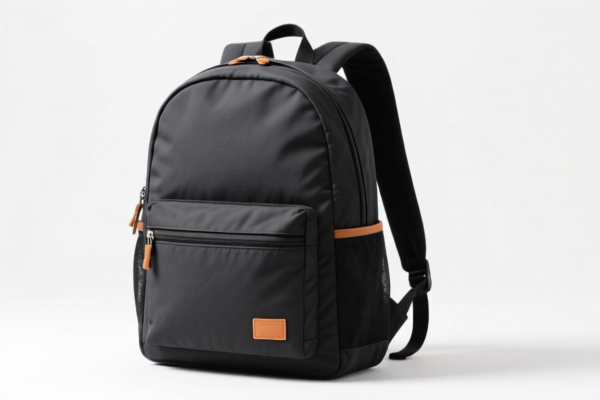
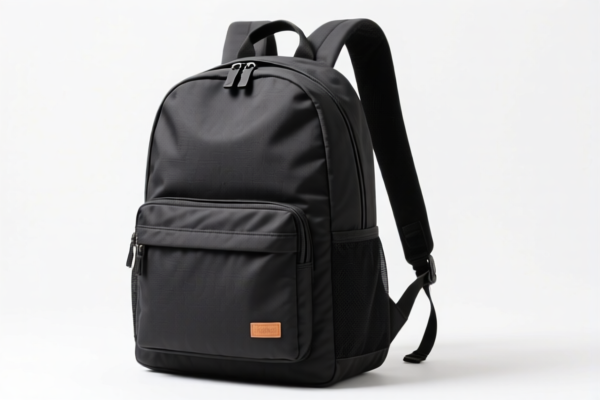
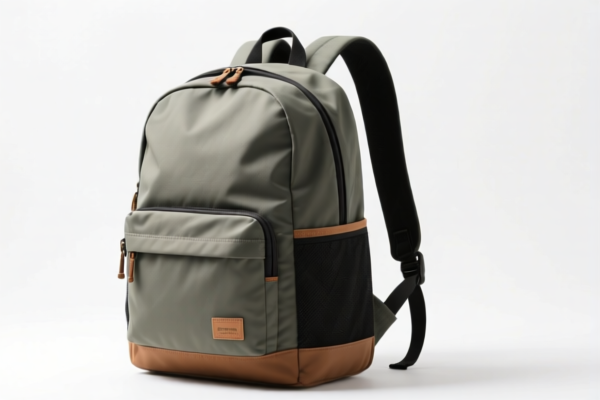
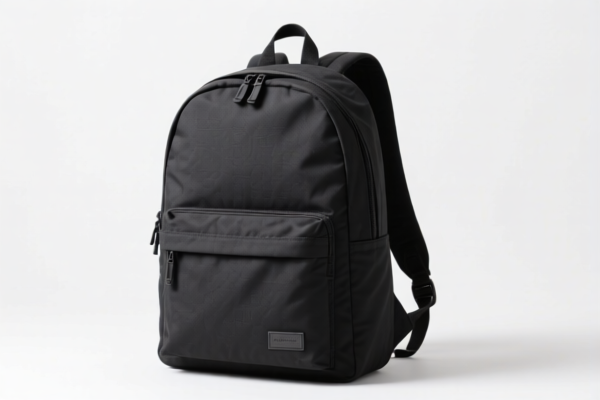
AI Analysis
🎒 Men's Backpack & Waist Pouches (Apparel Accessories)
🌐 HS Code Reference & Clearance Guide | 2026 Latest Tariff Analysis | Professional Customs Strategy
📌 I. Product Definition & Classification: Do You Know the Difference Between a "Backpack" and a "Waist Pouch"?
In international trade, "Men's Bags" are not a single category. They are strictly divided based on wearability, carrying method, and outer material. Misclassification here can lead to massive tariff discrepancies (e.g., 52.6% vs. 52.6% but different calculation bases, or specific duties vs. ad valorem).
According to the provided data, we are dealing with two distinct sub-categories: 1. Shoulder/Backpacks (Shoulder Bags): Designed to be carried on the shoulder or back. 2. Waist Pouches (Fanny Packs): Designed to be worn around the waist for hands-free carry.
⚠️ Key Distinction Point:
- If the bag is designed to be shoulder-slung or back-worn → It falls under Chapter 42, Heading 4202, typically subheading 4202.92 (Backpacks/Shoulder Bags).
- If the bag is designed to be worn around the waist → It falls under Chapter 42, Heading 4202, typically subheading 4202.32 (Waist Packs).
📦 II. HS Code Classification Details (2026 Latest Tariff Authority Comparison)
| HS Code | Product Description | Applicable Scenario | Total Tax Rate | Tax Detail Breakdown |
|---|---|---|---|---|
4202.92.31.20 |
Men's Backpack / Shoulder Bag: Outer surface made of textile materials (man-made fibers or cotton). Category: Backpack. | Daily commute, travel, student use, casual wear. | 52.6% | Base: 17.6%, Additional (Section 301): 25.0%, Section 122: 10% |
4202.32.93.00 |
Men's Waist Pouch: Outer surface made of textile materials (e.g., nylon, polyester, other man-made fibers). Category: Other - Man-made Fibers. | Gym, running, hiking, hands-free carrying. | 52.6% | Base: 17.6%, Additional (Section 301): 25.0%, Section 122: 10% |
4202.32.10.00 |
Men's Waist Pouch: General classification. Carrying manner fits the definition. Material: Textile or Plastic Sheets. | Generic waist packs, possibly with mixed materials or simpler construction. | 12.1¢/kg + 4.6% + 35.0% | Base: 12.1¢/kg + 4.6%, Additional (Section 301): 25.0%, Section 122: 10% |
🔍 Critical Reminder:
- Both4202.92.31.20(Backpack) and4202.32.93.00(Textile Waist Pouch) carry the same total ad valorem rate of 52.6%. However,4202.32.10.00(General Waist Pouch) has a complex mixed duty structure (Specific + Ad Valorem + Additional), which can result in different effective rates depending on the weight-to-value ratio. - Do not mix up "Backpack" (4202.92) with "Waist Pouch" (4202.32). While the final % might look similar in some cases, the legal definition and specific duty components differ significantly.
💰 III. 2026 Latest Tariff Rate Breakdown (Including Additional Duties & Policy Surcharges)
✅ Applicable Country: United States (US)
✅ Origin: China (CN)
✅ Effective Time: Including imports from 2025 onwards (current policy context)
🎯 1. 4202.92.31.20 —— Men's Backpack (Textile Outer Surface)
| Item | Content |
|---|---|
| Base Tariff | 17.6% (Ad Valorem) |
| Section 301 Additional Tariff | +25.0% (USITC Footnote 9903.88.01 context) |
| Section 122 Tariff | +10.0% (Targeted import restriction surcharge) |
| Total Effective Rate | 52.6% |
| Tax Calculation | CIF Value × 52.6% |
| De Minimis Exemption | ❌ Not Eligible (Section 301 and 122 duties generally deny de minimis for this classification) |
| Legal Basis Path | HTSUS:4202.92.31.20 → Section 301:9903.88.01 → Section 122: 10% surcharge |
📌 Explanation:
- The 17.6% is the standard Most Favored Nation (MFN) rate for textile-backed backpacks. - The 25.0% is the punitive tariff imposed under Section 301 of the Trade Act of 1974 on Chinese goods. - The 10.0% is a specific additional duty under Section 122 (often related to specific trade remedies or emergency tariffs). - Total: 52.6%. This is a high-cost entry point. Profit margins must account for this.
🎯 2. 4202.32.93.00 —— Men's Waist Pouch (Textile: Nylon/Polyester)
| Item | Content |
|---|---|
| Base Tariff | 17.6% (Ad Valorem) |
| Section 301 Additional Tariff | +25.0% |
| Section 122 Tariff | +10.0% |
| Total Effective Rate | 52.6% |
| Tax Calculation | CIF Value × 52.6% |
| De Minimis Exemption | ❌ Not Eligible |
| Legal Basis Path | HTSUS:4202.32.93.00 → Section 301 → Section 122 |
📌 Note:
- Despite being a "Waist Pouch," if the outer material is specified as textile (man-made fibers like nylon/polyester), it falls into the same high-tax bracket as backpacks. - Do not assume waist pouches are cheaper; material composition drives this rate.
🎯 3. 4202.32.10.00 —— Men's Waist Pouch (General/Mixed)
| Item | Content |
|---|---|
| Base Tariff | 12.1 ¢/kg + 4.6% (Mixed Specific/Ad Valorem) |
| Section 301 Additional Tariff | +25.0% (Ad Valorem equivalent applied to base) |
| Section 122 Tariff | +10.0% |
| Total Effective Rate | Complex: 12.1¢/kg + 4.6% + 25% + 10% |
| Tax Calculation | (Weight × 12.1¢) + (CIF × 4.6%) + (CIF × 25%) + (CIF × 10%) |
| De Minimis Exemption | ❌ Not Eligible (Due to 301/122 components) |
| Legal Basis Path | HTSUS:4202.32.10.00 → Section 301 → Section 122 |
📌 Warning:
- This code is dangerous for calculation. If the bag is heavy but low-value (e.g., thick canvas, heavy hardware), the 12.1¢/kg specific duty can explode the total cost. - Example: A $10 bag weighing 1kg would incur $0.12 specific + $4.60 ad val + $2.50 (301) + $1.00 (122) = ~$8.22 tax. Effective rate > 80%. - If the bag is light and high-value, the ad valorem components dominate, potentially aligning closer to the 40-50% range.
🛠️ IV. Customs Clearance Practical Advice (Real-World Pitfall Guide)
✅ 1. Required Documentation Checklist (Non-Negotiable)
| Document | Mandatory? | Description |
|---|---|---|
| ✅ Product Specifications | ✔️ | Must specify Outer Material (e.g., "100% Nylon," "Cotton Canvas"). This determines if it's 4202.32.93 vs 4202.32.10. |
| ✅ Material Composition Certificate | ✔️ | Detailed breakdown of lining, zippers, and outer shell. Crucial for proving "Man-made Fibers" vs. "Other." |
| ✅ Product Photos | ✔️ | Clear images showing how it is worn (Shoulder strap vs. Waist belt). Proves classification as Backpack vs. Waist Pouch. |
| ✅ Commercial Invoice | ✔️ | Must clearly state "Men's Backpack" or "Men's Waist Pouch" and unit price. |
| ✅ Packing List | ✔️ | Must include Net Weight and Gross Weight. Critical for 4202.32.10.00 specific duty calculation. |
| ✅ Country of Origin Cert | ✔️ | If not China, to check for FTA benefits (though Section 301/122 may still apply depending on source). |
✅ 2. Declaration Tips (Key Mantras)
🔥 “Material Defines Base, Carrying Style Defines Heading, Weight Matters for Mixed Duties!”
| Situation | Correct Declaration | Wrong Approach |
|---|---|---|
| Nylon Backpack | 4202.92.31.20Desc: "Men's Nylon Backpack" |
Misdeclare as Waist Pouch → Audit risk |
| Polyester Waist Pouch | 4202.32.93.00Desc: "Men's Poly Waist Pouch" |
Misdeclare as General Waist Pouch (4202.32.10.00) → May trigger specific duty scrutiny |
| Mixed Material Waist Pouch | 4202.32.10.00Desc: "Men's Waist Pouch, Textile/Plastic" |
Hide material composition → Seizure |
| Lightweight High-Value Pouch | 4202.32.10.00Ensure Weight is Accurate |
Overstate weight → Higher specific duty cost |
✅ 3. Special Circumstance Handling
| Situation | Handling Advice |
|---|---|
| OEM Custom Bags | Provide design specs proving the intended use (e.g., strap length for waist vs. shoulder). |
| Seasonal Items | Ensure classification doesn't change with accessories (e.g., adding a detachable shoulder strap doesn't turn a waist pouch into a backpack for customs purposes if primary design is waist). |
| Weight Discrepancy | For 4202.32.10.00, accurate weighing is critical. A 10% weight error can lead to significant duty adjustment penalties. |
🌍 V. Global Market Comparison (2026 Latest)
| Country/Region | Recommended HS Code | Tariff Impact | Certification | Notes |
|---|---|---|---|---|
| 🇺🇸 USA | 4202.92.31.20 / 4202.32.93.00 |
52.6% Total | None (General) | High barrier due to Section 301 & 122 |
| 🇪🇺 EU | 4202.92 / 4202.32 |
4% - 12% | CE (if safety gear) | No Section 301/122 equivalent |
| 🇨🇳 China | 4202.92 / 4202.32 |
15% - 20% | CCC (if applicable) | Import duty only |
| 🇬🇧 UK | 4202.92 / 4202.32 |
12% | None | Post-Brexit standard rates |
📌 Conclusion:
- The US market is significantly more expensive for textile-backed bags due to multiple layered tariffs (Base + 301 + 122). - European markets are far more competitive for this category. - Consider supply chain diversification (e.g., Vietnam, Bangladesh) to avoid Section 301/122 if targeting the US market.
📌 VI. Common Mistakes & Pitfalls (Lessons Learned)
❌ Mistake 1: Assuming all bags have the same tax rate.
👉 Result: Using 4202.32.10.00 for a heavy nylon pouch leads to specific duty spikes.
👉 Fix: Always calculate effective rate based on weight/value ratio for code 4202.32.10.00.
❌ Mistake 2: Misclassifying Waist Pouch as Backpack to avoid specific duties.
👉 Result: Customs audit finds the belt/waist design → Penalty + Back Taxes.
👉 Fix: Classify based on primary design intent and wearing style.
❌ Mistake 3: Ignoring Section 122.
👉 Result: Underquoting by 10% on CIF value.
👉 Fix: Factor in 10% Section 122 on ALL imports from China for these codes.
❌ Mistake 4: Vague Material Description.
👉 Result: Customs cannot determine if it's "Textile" (17.6%) or "Leather/Plastic" (different rate).
👉 Fix: Specify "Outer Surface: 100% Nylon" or "Cotton Canvas".
✅ Correct Declaration Example:
"Men's Backpack, Outer Material: 100% Polyester, Lining: Nylon, Zipper Closure, Model XYZ.
HS: 4202.92.31.20 | Tax: 52.6%."
🎯 VII. Conclusion: Professional Declaration, Cost Control, Efficiency!
🎯 Remember the Mantra:
🔹 "Backpack & Textile Waist Pouch = 52.6% Flat."
🔹 "General Waist Pouch = Watch Your Weight!"
🔹 "Section 301 + 122 = No De Minimis!"
📌 Pro Tip:
If you are exporting to the USA, consider:
1. Supplier Verification: Ensure no dual-use violations.
2. Pre-Ruling: Apply for a Binding Ruling with CBP if your product is on the borderline between 4202.32.93 and 4202.32.10.
3. Cost Modeling: Always model the 12.1¢/kg scenario for code 4202.32.10.00.
📣 Take Action:
📞 Contact a licensed customs broker.
📦 Provide material specs and photos immediately.
🚀 Clear the customs hurdle, protect your margin, and expand your market!
✨ Professional Clearance Starts with Precise Classification!
💼 Every percent of tax matters in the global supply chain!
Customer Reviews
About HS Code Classification
The Harmonized System (HS) is an internationally standardized nomenclature developed by the World Customs Organization (WCO) to classify traded products. Over 200 countries use the HS system as the basis for customs tariffs, trade statistics, and import/export regulations.
Each HS code follows a hierarchical structure:
- Chapter (2 digits) — Broad category of goods (e.g., Chapter 84: Machinery and Mechanical Appliances)
- Heading (4 digits) — More specific grouping within the chapter
- Subheading (6 digits) — Internationally standardized breakdown, used by all WCO member countries
- National subdivisions (8-10 digits) — Country-specific extensions for further classification, such as US HTSUS 10-digit codes
Correct HS code classification is essential for smooth customs clearance, accurate duty payment, and compliance with trade regulations. Misclassification can lead to customs delays, overpayment of duties, or penalties.
When importing from CN to US, the applicable tariff rates may include:
- Most-Favored-Nation (MFN) rate — The standard duty rate applied to WTO members
- General rate — Applied to countries without trade agreements
- Trade remedy duties — Additional tariffs such as Section 301 (anti-dumping), Section 232 (national security), or countervailing duties
The information provided on this page is for reference purposes only. For official classification, please consult with your local customs authority or a licensed customs broker.