men's bodysuit underwear
CN → US| HS Code | Tariff Rate | Origin | Destination | Doc |
|---|---|---|---|---|
| 6212900090 | 24.1% | CN | US | Official Doc |
| 6212900050 | 24.1% | CN | US | Official Doc |
| 6117809570 | 32.1% | CN | US | Official Doc |
| 6117909095 | 32.1% | CN | US | Official Doc |
| 6211325010 | 25.6% | CN | US | Official Doc |
Product Images
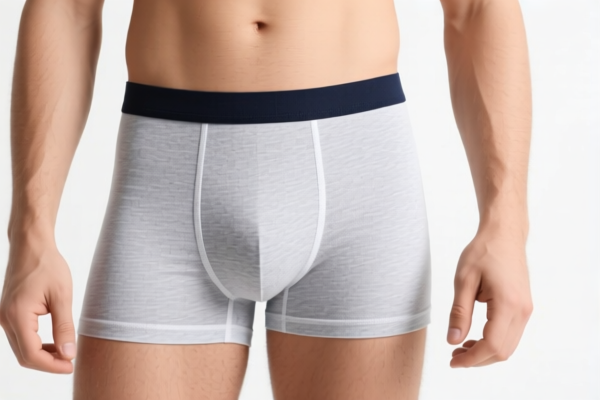
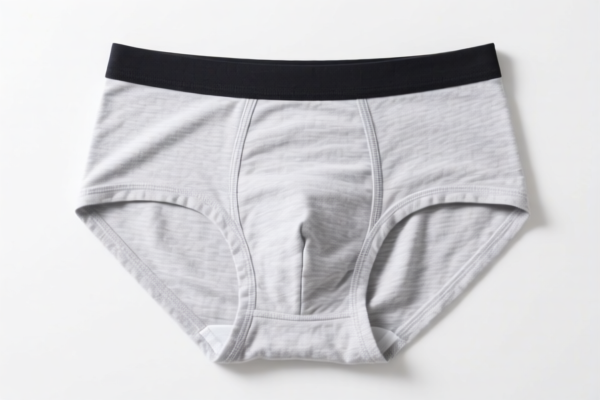
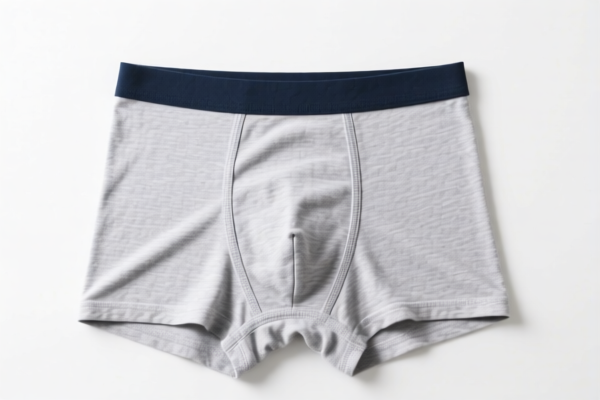
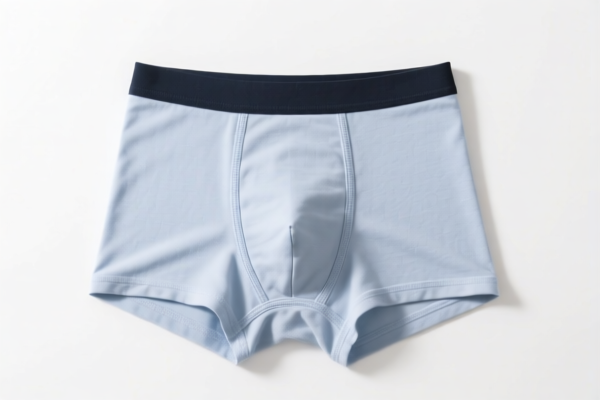
AI Analysis
👙 Men's Bodysuit Underwear (Men's情趣/连体内裤)
🌐 HS Code Reference & Customs Clearance Guide | 2026 Latest Tariff Analysis | Strategic Clearance Strategy
📌 I. Product Definition & Classification: Do You Really Understand "Men's Bodysuits"?
Men's bodysuit underwear, often categorized under "情趣" (erotic/lingerie) or functional athletic wear, is a complex product in international trade. Its classification hinges on two critical factors: 1. Material Composition: Is it made of cotton, synthetic fibers (polyester/nylon), or silk? 2. Form & Function: Is it a "vest/corset-like" garment, an "accessory/apparel," or a "sports suit"?
⚠️ Key Distinction Point:
- If the garment is cotton-based or has a sports function (breathable, athletic cut) → It often falls under 6211 (Men's/Sports) or 6117 (Other Made-up Clothing).
- If the garment is synthetic/nylon-based with a "form-fitting/corset" shape (common in erotic wear) → It often falls under 6212 (Girdles/Bodices) or 6117 (Accessories).
📦 II. HS Code Classification Details (2026 Latest Tariff Authority对照)
Based on the provided data, here are the 5 specific HS Codes for Men's Bodysuit Underwear, categorized by material and form.
| HS Code | Product Summary (English Translation) | Key Characteristics | Material |
|---|---|---|---|
| 6212.90.00.90 | Men's erotic bodysuit underwear; shape matches bodysuit | General "Bodysuit" form | Artificial fiber or Cotton |
| 6212.90.00.50 | Men's erotic bodysuit underwear; shape matches Corset/Suspenders | "Corset" or "Back-support" style | Silk or Synthetic fibers |
| 6117.80.95.70 | Men's erotic bodysuit underwear; form as Clothing Accessory/Apparel | Classified as "Accessory" | Synthetic Fiber |
| 6117.90.90.95 | Men's erotic bodysuit underwear; form as Ready-made Garment | General "Ready-made" classification | Cotton, Polyester, or Nylon |
| 6211.32.50.10 | Men's Sports Bodysuit; form as Bodysuit; use for Sports | Athletic/Sports specific | Cotton or Synthetic Fiber |
🔍 重点提醒 (Critical Reminder):
- 6212 vs. 6211:6212is typically for "girdles, brassieres, corsets, braces, suspenders, garters, and similar articles." If the item is marketed as "erotic/lace/shaping," it often goes here. If it is marketed as "sportswear," it goes to6211. - 6117 vs. 62xx:6117is for "Other made-up clothing accessories." If the item is seen as a "glove-like" or "accessory" rather than a primary garment, it may fall here. However,6212is more common for full-body shaping suits. - Material Matters: The base tariff rate changes significantly based on whether the material is Cotton (usually lower base rate) or Synthetic (higher base rate).
💰 III. 2026 Latest Tariff Rate Breakdown (Including Additional Taxes & Policy Surcharges)
✅ Applicable Country: United States (US)
✅ Origin: China (CN)
✅ Effective Date: 2025/2026 (Current Trade War Era)
🎯 1. 6212.90.00.90 & 6212.90.00.50 — The "Bodysuit/Corset" Category
These two codes share the same tax structure because they fall under similar HTSUS subheadings for non-cotton/silk bodysuits.
| Item | Detail |
|---|---|
| Base Tariff | 6.6% (Ad Valorem) |
| Section 301 Tariff | +7.5% (List 4B - Additional Tariffs on Chinese Goods) |
| Section 122 Tariff | +10% (Specific surcharge for certain apparel/textiles) |
| Total Tax Rate | 24.1% |
| Tax Calculation | CIF Value × 24.1% |
| De Minimis Exemption | ❌ Not Applicable (Section 321 de minimis usually excluded for Section 301/122 goods) |
| Legal Path | HTSUS:6212.90.00 → USITC Footnote → Section 301 List 4B → Section 122 Surcharge |
📌 Explanation:
- The 6.6% is the standard Most Favored Nation (MFN) duty. - The 7.5% is the standard Section 301 duty for many textile/apparel categories. - The 10% is the specific "Section 122" surcharge often applied to apparel imports from China. - Total 24.1% is a significant cost burden. Merchants must price accordingly.
🎯 2. 6117.80.95.70 & 6117.90.90.95 — The "Accessory/Ready-made" Category
These codes have a higher base tariff because they are often classified under "Other made-up clothing accessories" or specific synthetic blends, attracting a higher base rate.
| Item | Detail |
|---|---|
| Base Tariff | 14.6% (Ad Valorem) |
| Section 301 Tariff | +7.5% (List 4B - Additional Tariffs on Chinese Goods) |
| Section 122 Tariff | +10% (Specific surcharge for certain apparel/textiles) |
| Total Tax Rate | 32.1% |
| Tax Calculation | CIF Value × 32.1% |
| De Minimis Exemption | ❌ Not Applicable |
| Legal Path | HTSUS:6117.90/80.95 → USITC Footnote → Section 301 List 4B → Section 122 Surcharge |
📌 Note:
- The 14.6% base rate is much higher than the 6.6% in the 6212 category. - This means classifying your product as an "accessory" (6117) instead of a "bodysuit" (6212) could increase your total tax from 24.1% to 32.1%! - Strategic Advice: Always check if your product fits the "Corset/Bodysuit" definition (6212) rather than the generic "Accessory" definition (6117) to save ~8% in duties.
🎯 3. 6211.32.50.10 — The "Sports Bodysuit" Category
If the product is explicitly marketed as athletic wear (e.g., for gym, running, yoga), it falls under this code.
| Item | Detail |
|---|---|
| Base Tariff | 8.1% (Ad Valorem) |
| Section 301 Tariff | +7.5% (List 4B - Additional Tariffs on Chinese Goods) |
| Section 122 Tariff | +10% (Specific surcharge for certain apparel/textiles) |
| Total Tax Rate | 25.6% |
| Tax Calculation | CIF Value × 25.6% |
| De Minimis Exemption | ❌ Not Applicable |
| Legal Path | HTSUS:6211.32.50 → USITC Footnote → Section 301 List 4B → Section 122 Surcharge |
📌 Explanation:
- The base rate is 8.1%, which is between the 6212 (6.6%) and 6117 (14.6%) categories. - Total 25.6% is slightly higher than the 6212 category but lower than the 6117 category. - Strategic Advice: If your product has mesh panels, moisture-wicking fabric, and is sold in a "sportswear" context, using6211.32.50.10might be a viable middle-ground classification, but ensure you have proof of "sports use."
🛠️ IV. Customs Clearance Practical Advice (Battle-Tested Pitfall Avoidance)
✅ 1. Documentation Checklist (Non-negotiable)
| Document | Required | Explanation |
|---|---|---|
| ✅ Product Specification Sheet | ✔️ | Must clearly state: "Men's Bodysuit," Material % (e.g., 80% Nylon, 20% Spandex), and intended use (Lingerie vs. Sports). |
| ✅ Product Photos (Front/Back) | ✔️ | Show the shape. Is it a "corset" shape? Or a "one-piece suit"? |
| ✅ Commercial Invoice | ✔️ | Must match HS Code. If using 6212, describe as "Bodysuit." If using 6211, describe as "Sports Suit." |
| ✅ Origin Certificate | ✔️ | Proves Country of Origin (China). |
| ✅ Labeling/Tags | ✔️ | Clear care labels and country of origin marking are required for apparel. |
✅ 2. Classification Strategy (Key Mantra)
🔥 "Material Determines Base, Shape Determines Code, Use Determines Rate!"
| Scenario | Recommended HS Code | Total Tax | Reason |
|---|---|---|---|
| Erotic/Lace Shaping Suit (Nylon/Spandex) | 6212.90.00.90 | 24.1% | Best rate for "bodysuit" form. Lower base rate. |
| Erotic Corset/Suspenders | 6212.90.00.50 | 24.1% | Same as above, specific to corset shape. |
| General "Accessory" Bodysuit | 6117.90.90.95 | 32.1% | Avoid if possible! Highest base rate. |
| Sports Gym Suit (Cotton/Synthetic) | 6211.32.50.10 | 25.6% | Good middle ground if proven sports use. |
⚠️ Warning:
- Do NOT misdeclare a sports suit as an "accessory" (6117) to try to be fancy; the tax is higher. - Do NOT misdeclare an erotic bodysuit as "sports wear" (6211) if it has no athletic features; customs may reclassify it to6212(same tax) or penalize for false declaration. - The biggest risk is being misclassified into6117(32.1%) instead of6212(24.1%). Always argue for6212if the product is a "bodysuit."
✅ 3. Special Case Handling
| Situation | Clearance Advice |
|---|---|
| OEM Custom Lingerie | Provide design blueprints showing the "corset" or "bodysuit" structure to support 6212 classification. |
| Mixed Materials | If the item is 60% Cotton/40% Nylon, ensure the classification matches the dominant fiber or the specific subheading for "other materials." 6212 covers both. |
| "De Minimis" (Section 321) | ❌ Do not use de minimis for these HS Codes. Section 301 and Section 122 tariffs are explicitly excluded from de minimis exemptions. Shipments will be held and taxed at full rate. |
🌍 V. Global Market Comparison (2026)
| Country/Region | Recommended HS Code | Estimated Duty (China Origin) | Notes |
|---|---|---|---|
| 🇺🇸 USA | 6212.90.00.90 |
24.1% | High taxes due to Section 301 + 122. |
| 🇨🇳 China | 6212.90.00.90 |
~8-10% | Lower import duties into China. |
| 🇪🇺 EU | 6212.90.00 |
~12% | No Section 301/122, but standard EU duty applies. |
| 🇬🇧 UK | 6212.90.00 |
~12% | Similar to EU post-Brexit. |
📌 Conclusion:
- The US market is the most expensive due to the layered tariffs (Base + 301 + 122). - Margin Protection: For US exports, assume a 25% tariff cost in your pricing model for Men's Bodysuits.
📌 VI. Common Mistakes & Pitfalls (Lessons from the Field)
❌ Mistake 1: Declaring as "Underwear" (6107)
👉 Consequence: 6107 is for briefs/trunks. A "Bodysuit" (covering torso) is not underwear under 6107. Customs will reclassify to 6212 or 6117, causing delays and potential penalties.
❌ Mistake 2: Ignoring Section 122
👉 Consequence: Many brokers forget the 10% Section 122 surcharge. If your broker quotes 20% (6.6 + 7.5 + 6?), they are wrong. The correct total is 24.1% or 32.1%.
❌ Mistake 3: Using "Accessory" for Everything
👉 Consequence: As shown, 6117 has a 14.6% base rate vs. 6212's 6.6%. Using 6117 unnecessarily adds 8% tax to your product cost.
✅ Correct Practice:
"Men's Bodysuit, Synthetic Fiber, Corset Style, for Lingerie Use, Model XYZ, Made in China"
HS Code:6212.90.00.90
Total Duty: 24.1%
🎯 VII. Conclusion: Professional Declaration, Save Cost, Speed Up Clearance!
🎯 Remember the Mantra:
🔹 "Bodysuit is 6212, Accessory is 6117, Sports is 6211!"
🔹 "Base Rate 6.6% vs 14.6%, Pick 6212 to Save Money!"
🔹 "Section 301 + 122 = 17.5% Extra, Plan Your Margin!"
📌 Tips:
- If your product is not made in China (e.g., Vietnam, Bangladesh), the Section 301 and Section 122 tariffs do NOT apply. The tax will be just the Base Rate (6.6% or 14.6% or 8.1%).
- Strategy: Consider supply chain diversification to non-China sources to eliminate the 17.5% surcharge, reducing total tax from 24.1% to 6.6% (a huge margin improvement!).
📣 Immediate Action:
📞 Verify HS Code with your customs broker before shipment.
📦 Provide clear product photos and material breakdown.
🚀 Optimize your supply chain to avoid Section 301/122 tariffs if possible!
✨ Professional Clearance Starts with Precise Classification!
💼 Every Percent Saved is Pure Profit!
Customer Reviews
About HS Code Classification
The Harmonized System (HS) is an internationally standardized nomenclature developed by the World Customs Organization (WCO) to classify traded products. Over 200 countries use the HS system as the basis for customs tariffs, trade statistics, and import/export regulations.
Each HS code follows a hierarchical structure:
- Chapter (2 digits) — Broad category of goods (e.g., Chapter 84: Machinery and Mechanical Appliances)
- Heading (4 digits) — More specific grouping within the chapter
- Subheading (6 digits) — Internationally standardized breakdown, used by all WCO member countries
- National subdivisions (8-10 digits) — Country-specific extensions for further classification, such as US HTSUS 10-digit codes
Correct HS code classification is essential for smooth customs clearance, accurate duty payment, and compliance with trade regulations. Misclassification can lead to customs delays, overpayment of duties, or penalties.
When importing from CN to US, the applicable tariff rates may include:
- Most-Favored-Nation (MFN) rate — The standard duty rate applied to WTO members
- General rate — Applied to countries without trade agreements
- Trade remedy duties — Additional tariffs such as Section 301 (anti-dumping), Section 232 (national security), or countervailing duties
The information provided on this page is for reference purposes only. For official classification, please consult with your local customs authority or a licensed customs broker.