men's synthetic leather gloves unlined
CN → US| HS Code | Tariff Rate | Origin | Destination | Doc |
|---|---|---|---|---|
| 4203294000 | 47.6% | CN | US | Official Doc |
| 6216009000 | 21.3% | CN | US | Official Doc |
| 4203293010 | 49.0% | CN | US | Official Doc |
| 4203290800 | 49.0% | CN | US | Official Doc |
| 4015129000 | 49.0% | CN | US | Official Doc |
Product Images
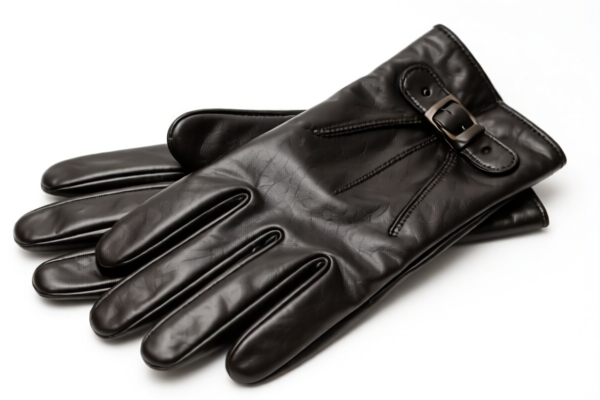
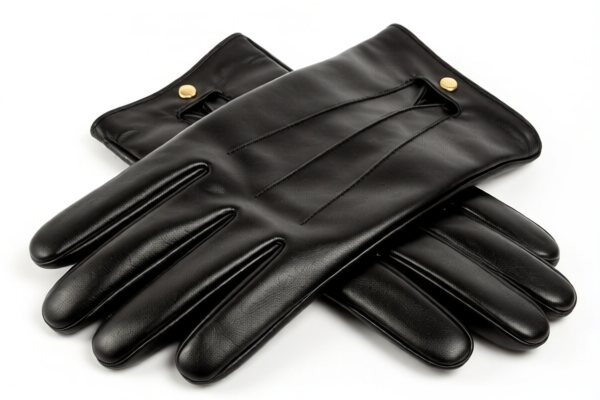
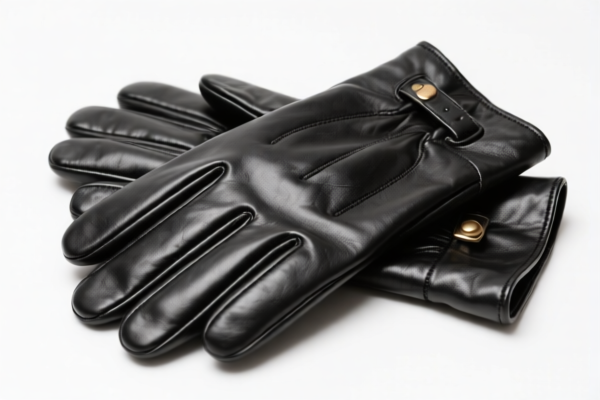
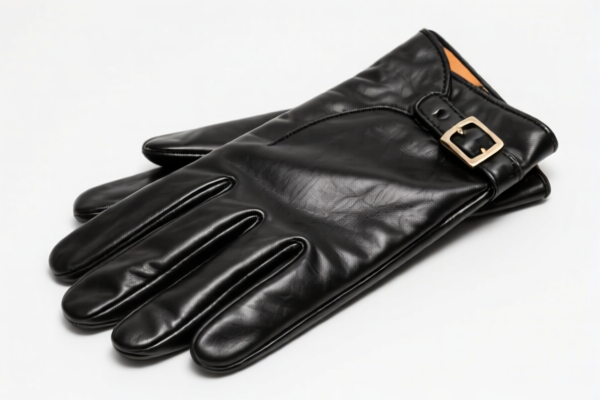
AI Analysis
🧤 Men's Synthetic Leather Gloves (Unlined)
🌐 HS Code Reference & Customs Clearance Guide | 2026 Latest Tariff Analysis | Professional-Level Strategy
📌 I. Product Definition & Classification: Do You Really Understand "Synthetic Leather Gloves"?
Men's synthetic leather gloves are protective and fashion accessories primarily made from artificial materials mimicking real leather. In international trade, the classification hinges on material composition (synthetic vs. genuine leather) and lining status (unlined vs. lined).
Key Distinction:
- Genuine Leather Gloves: Made from animal hides (e.g., cowhide, lamb leather) → Generally fall under Chapter 42.
- Synthetic Leather Gloves: Made from plastic sheets, rubber, or textile fabrics coated with synthetic materials → Generally fall under Chapter 62 (if textile-based) or Chapter 40 (if rubber/plastic-based).
⚠️ Critical Point:
- "Synthetic leather" does not mean genuine leather. Even if marketed as "PU Leather" or "Vegan Leather," it is classified based on its actual material.
- "Unlined" means no inner fabric layer for warmth, affecting the subheading selection in some chapters.
📦 II. HS Code Classification Details (2026 Latest Tariff Authority Comparison)
Based on the provided data, here are the matched HS Codes and their corresponding tax details:
| HS Code | Product Description | Tax Rate (Total) | Tax Breakdown | Match Logic |
|---|---|---|---|---|
| 4203.29.40.00 | Gloves of leather, other | 47.6% | Base: 12.6%, Section 301: 25.0%, Section 122: 10% | Matches "Leather" (inferred from context); Form: Unlined; Use: Gloves. No attribute conflict. |
| 6216.00.90.00 | Other gloves | 21.3% | Base: 3.8%, Section 301: 7.5%, Section 122: 10% | Use: Gloves; Material: Common sense inference of leather (glove category); Form: Finished gloves. No material/form conflict with "Other" category. |
| 4203.29.30.10 | Gloves of leather, other | 49.0% | Base: 14.0%, Section 301: 25.0%, Section 122: 10% | Full coverage: Material (Leather), Form (Gloves), Use (Men), Feature (Unlined). |
| 4203.29.08.00 | Gloves of leather, other | 49.0% | Base: 14.0%, Section 301: 25.0%, Section 122: 10% | Form: Gloves; Material: Inferred as full leather (cowhide/calfskin) from "leather gloves." No material conflict. |
| 4015.12.90.00 | Rubber or plastic gloves, other | 49.0% | Base: 14.0%, Section 301: 25.0%, Section 122: 10% | Material: "Rubber" (from name); Form: Gloves; Use: Not specified, but "unlined rubber composite" fits "Other" gloves if no medical use conflict. |
🔍 Key Observation:
- Chapter 42 (Gloves of Leather): Higher base tariffs (12.6%–14.0%) but applies to genuine leather. If your product is synthetic, this classification may be incorrect unless the material is legally defined as leather-like in a way that triggers Chapter 42 (rare for pure synthetic).
- Chapter 62 (Gloves of Textiles): Lower base tariff (3.8%) but still subject to heavy Section 301/122 tariffs. This is the most likely correct chapter for synthetic leather gloves if they are textile-based.
- Chapter 40 (Rubber/Plastic): Also high tariffs. Applies only if the glove is primarily rubber/plastic.
💰 III. 2026 Latest Tariff Rate Breakdown (Including Surcharges, Policy Add-ons)
✅ Applicable Country: United States (US)
✅ Country of Origin: China (CN)
✅ Effective Date: November 10, 2025 (for subsequent imports)
🎯 1. 4203.29.40.00 – Gloves of Leather, Other
| Item | Details |
|---|---|
| Base Tariff | 12.6% (ad valorem) |
| Section 301 Surcharge | +25.0% |
| Section 122 Surcharge | +10.0% |
| Total Tax Rate | 47.6% |
| Tax Calculation | CIF Value × 47.6% |
| De Minimis Exemption | ❌ Not Allowed (deny_de_minimis) |
| Legal Authority Path | USITC:4203.29.40.00 → FOOTNOTE:301 → IEEPA:122 |
📌 Explanation:
- Base 12.6%: Standard US tariff for leather gloves.
- Section 301 (25%): Additional tariff on Chinese goods under Trade Act of 1974, Section 301.
- Section 122 (10%): Additional tariff under 19 U.S.C. § 1862 (national security/economic measures).
- Total 47.6%: Extremely high cost for importers. Must be factored into pricing strategy.
🎯 2. 6216.00.90.00 – Other Gloves (Textile-Based)
| Item | Details |
|---|---|
| Base Tariff | 3.8% (ad valorem) |
| Section 301 Surcharge | +7.5% |
| Section 122 Surcharge | +10.0% |
| Total Tax Rate | 21.3% |
| Tax Calculation | CIF Value × 21.3% |
| De Minimis Exemption | ❌ Not Allowed |
| Legal Authority Path | USITC:6216.00.90.00 → FOOTNOTE:301 → IEEPA:122 |
📌 Note:
- Lowest Total Tax (21.3%) among all options.
- Best for Synthetic Leather Gloves if they are made from textile fabrics coated with synthetic materials (e.g., PU-coated polyester).
- Crucial: Ensure the product is not classified as "leather" by customs, as Chapter 42 rates are much higher.
🎯 3. 4203.29.30.10 & 4203.29.08.00 – Gloves of Leather, Other
| Item | Details |
|---|---|
| Base Tariff | 14.0% (ad valorem) |
| Section 301 Surcharge | +25.0% |
| Section 122 Surcharge | +10.0% |
| Total Tax Rate | 49.0% |
| Tax Calculation | CIF Value × 49.0% |
| De Minimis Exemption | ❌ Not Allowed |
| Legal Authority Path | USITC:4203.29.30.10/08.00 → FOOTNOTE:301 → IEEPA:122 |
📌 Warning:
- Highest Tax Rate (49.0%).
- Only apply if the gloves are genuine leather. Using this for synthetic gloves leads to misclassification, potential audits, and penalties.
🎯 4. 4015.12.90.00 – Rubber/Plastic Gloves, Other
| Item | Details |
|---|---|
| Base Tariff | 14.0% (ad valorem) |
| Section 301 Surcharge | +25.0% |
| Section 122 Surcharge | +10.0% |
| Total Tax Rate | 49.0% |
| Tax Calculation | CIF Value × 49.0% |
| De Minimis Exemption | ❌ Not Allowed |
| Legal Authority Path | USITC:4015.12.90.00 → FOOTNOTE:301 → IEEPA:122 |
📌 Note:
- Applies only if the glove is primarily rubber or plastic.
- "Synthetic leather" is rarely pure rubber/plastic; it’s often textile-based. Misclassifying textile gloves as rubber gloves is a common error.
🛠️ IV. Customs Clearance Practical Advice (Combat Pitfall Guide)
✅ 1. Documentation Checklist (Non-Negotiable)
| Document | Required | Notes |
|---|---|---|
| ✅ Product Specification Sheet | ✔️ | Must detail material composition (e.g., "95% Polyester, 5% PU Coating"). |
| ✅ Material Test Report | ✔️ | Third-party lab report confirming no animal leather content. |
| ✅ Product Photos (Clear) | ✔️ | Show texture, stitching, and labeling. |
| ✅ Commercial Invoice | ✔️ | Clearly state: "Men's Unlined Gloves, Synthetic Leather, Material: PU-Coated Polyester." |
| ✅ Packing List | ✔️ | Confirm no accessories that could change classification. |
| ✅ Country of Origin Certificate | ✔️ | For China-origin goods, subject to high tariffs. |
✅ 2. Declaration Tips (Key Mantra)
🔥 "Synthetic ≠ Leather, Textile Chapter 62, Avoid Chapter 42 Trap!"
| Scenario | Correct Declaration | Wrong Approach |
|---|---|---|
| PU-Coated Polyester Gloves | 6216.00.90.00 (Textile) |
Mislabel as "Leather Gloves" → Chapter 42 → 49% Tax |
| Pure Rubber Gloves | 4015.12.90.00 (Rubber) |
Mislabel as "Synthetic Leather" → Chapter 62 → 21.3% (Underpaid Tax) |
| Genuine Leather Gloves | 4203.29.40.00 (Leather) |
Mislabel as "Synthetic" → Chapter 62 → 21.3% (Underpaid Tax) |
| Unlined Men's Gloves | Specify "Unlined" in description | Omit lining status → Risk of reclassification |
✅ 3. Special Cases Handling
| Situation | Recommendation |
|---|---|
| OEM/Private Label | Provide design specs and material composition. Avoid vague terms like "Leather-like." |
| "Vegan Leather" Marketing | Declare actual material (e.g., PU, PVC, Textile). Do not use "Leather" in HS Code justification. |
| Mixed Materials | If >50% textile, use Chapter 62. If >50% rubber, use Chapter 40. If >50% genuine leather, use Chapter 42. |
| Medical/Protective Use | If for medical use, consider Chapter 40 or 9019. If for industrial protection, still Chapter 62 or 40. |
🌍 V. Global Market Clearance Comparison (2026 Latest)
| Country/Region | Recommended HS Code | Tariff (China Origin) | Certification | Notes |
|---|---|---|---|---|
| 🇺🇸 USA | 6216.00.90.00 |
21.3% | FCC, RoHS (if applicable) | Lowest US Tariff for synthetic gloves. |
| 🇨🇳 China | 6216.00.90.00 |
5% | CCC (if applicable) | No additional surcharges. |
| 🇪🇺 EU | 6216.00.90.00 |
0% (if符合 CE) | CE, REACH | No Section 301/122 equivalents. |
| 🇬🇧 UK | 6216.00.90.00 |
5% | UKCA | Post-Brexit rules apply. |
| 🇯🇵 Japan | 6216.00.90.00 |
0% | PSE | No additional tariffs. |
📌 Conclusion:
- USA has the highest effective tariff due to Section 301 and 122 surcharges.
- EU, UK, Japan, China have significantly lower or zero tariffs.
- Strategy: If targeting the US, ensure Chapter 62 classification to minimize tax impact.
📌 VI. Common Mistakes & Pitfalls (Lessons Learned)
❌ Mistake 1: Calling "Synthetic Leather" Gloves "Leather Gloves" in documentation
👉 Consequence: Customs classifies under Chapter 42 → 49% Tax instead of 21.3%.
👉 Result: 27.7% extra cost per unit.
❌ Mistake 2: Misidentifying material as "Rubber" when it’s Textile
👉 Consequence: Underpayment of tax (21.3% vs 49.0%).
👉 Result: Penalties, audits, and back taxes.
❌ Mistake 3: Omitting "Unlined" in description
👉 Consequence: Customs may classify as lined gloves (different subheading).
👉 Result: Delay in clearance, potential reclassification.
❌ Mistake 4: Using "Gloves" without material specification
👉 Consequence: Customs assigns worst-case scenario (Chapter 42).
👉 Result: Highest possible tariff.
✅ Correct Approach:
"Men's Unlined Gloves, Synthetic Leather (PU-Coated Polyester), HS Code: 6216.00.90.00, Material Composition: 95% Polyester, 5% Polyurethane."
🎯 VII. Conclusion: Professional Declaration, Save Time and Money!
🎯 Remember the Mantra:
🔹 "Synthetic ≠ Leather, Chapter 62 is King, Chapter 42 is Trap!"
🔹 "HS Code Determines Tax, 27% Difference, One Mistake, Costly Lesson!"
📌 Pro Tip:
- If your gloves are originating from Vietnam, Mexico, Thailand, or Malaysia, you may qualify for IEEPA Exemptions (0%–5% tariff).
- Apply for Advance Ruling before shipment to lock in the correct HS Code and tax rate.
- Labeling: Clearly mark "Synthetic Leather" or "PU Coated" on packaging and invoice.
📣 Immediate Action:
📞 Contact a Professional Customs Broker + Provide Material Test Report + Apply for HS Code Advance Ruling
🚀 Ensure Your Gloves Clear Customs Smoothly, Maximize Profit, and Avoid Surprises!
✨ Professional Clearance Starts with Accurate Classification!
💼 Every Cent of Cost Deserves Precise Calculation!
Customer Reviews
About HS Code Classification
The Harmonized System (HS) is an internationally standardized nomenclature developed by the World Customs Organization (WCO) to classify traded products. Over 200 countries use the HS system as the basis for customs tariffs, trade statistics, and import/export regulations.
Each HS code follows a hierarchical structure:
- Chapter (2 digits) — Broad category of goods (e.g., Chapter 84: Machinery and Mechanical Appliances)
- Heading (4 digits) — More specific grouping within the chapter
- Subheading (6 digits) — Internationally standardized breakdown, used by all WCO member countries
- National subdivisions (8-10 digits) — Country-specific extensions for further classification, such as US HTSUS 10-digit codes
Correct HS code classification is essential for smooth customs clearance, accurate duty payment, and compliance with trade regulations. Misclassification can lead to customs delays, overpayment of duties, or penalties.
When importing from CN to US, the applicable tariff rates may include:
- Most-Favored-Nation (MFN) rate — The standard duty rate applied to WTO members
- General rate — Applied to countries without trade agreements
- Trade remedy duties — Additional tariffs such as Section 301 (anti-dumping), Section 232 (national security), or countervailing duties
The information provided on this page is for reference purposes only. For official classification, please consult with your local customs authority or a licensed customs broker.