men's thin leather gloves
CN → US| HS Code | Tariff Rate | Origin | Destination | Doc |
|---|---|---|---|---|
| 4203294000 | 47.6% | CN | US | Official Doc |
| 6216009000 | 21.3% | CN | US | Official Doc |
| 4203293010 | 49.0% | CN | US | Official Doc |
| 4203290800 | 49.0% | CN | US | Official Doc |
| 4203290500 | 47.6% | CN | US | Official Doc |
Product Images
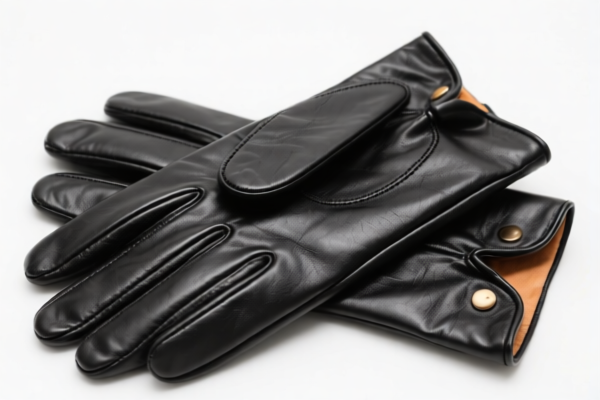
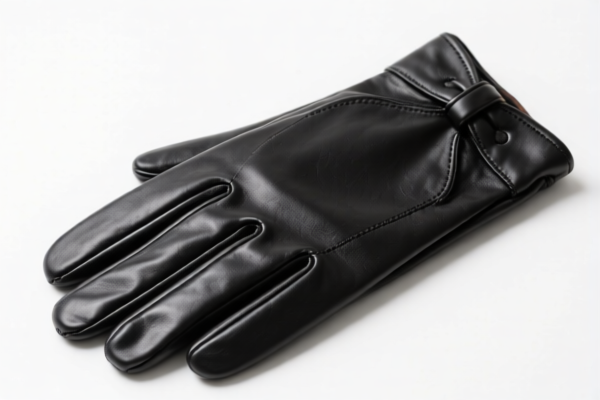
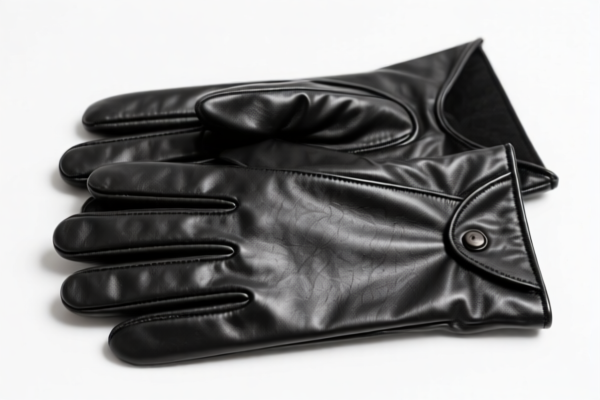
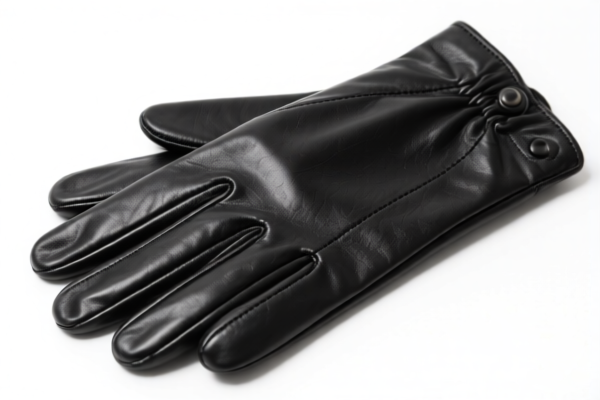
AI Analysis
🧤 Men's Thin Leather Gloves (Men's Unlined Leather Gloves)
🌐 HS Code Reference & Customs Clearance Guide | 2026 Latest Tariff Analysis | Professional-Level Clearance Strategy
📌 1. Product Definition & Classification: Do You Really Understand "Leather Gloves"?
Men's thin leather gloves are primarily categorized based on their lining status and material. In international trade, the key distinction lies in whether the glove has an inner lining.
Unlined Leather Gloves (无内衬皮手套):
* These are gloves made entirely of leather without an additional fabric or fur lining.
* They fall under the general heading for Leather Articles (Chapter 42) or Apparel Accessories (Chapter 62), depending on specific material construction and manufacturing method.
* Note: The provided data indicates multiple potential HS Codes ranging from 4203.29 (Leather apparel accessories) to 6216.00 (Textile gloves), reflecting the complexity of classification based on exact material composition (e.g., cowhide vs. other leather) and manufacturing details.
⚠️ Key Distinction Point:
- If the glove is 100% leather with no lining → Likely Chapter 42 (e.g.,4203.29.xxxx)
- If the glove is considered a textile/apparel accessory without specific leather characteristics in some jurisdictions → Might fall under Chapter 62 (e.g.,6216.00.xxxx)
- Critical Factor: The specific type of leather (cowhide, horsehide, etc.) and whether it is "full leather" or "leather-covered" significantly impacts the duty rate.
📦 2. HS Code Classification Details (Based on Provided Data)
| HS Code | Product Description | Tax Rate (Total) | Tax Breakdown (Base + Additional) |
|---|---|---|---|
4203.29.40.00 |
Men's unlined leather gloves, material: leather, form: non-lined, use: gloves. | 47.6% | Base: 12.6% Additional: 25.0% Section 122: 10% |
6216.00.90.00 |
Men's unlined leather gloves, use: gloves, material inferred as leather, form: finished gloves. | 21.3% | Base: 3.8% Additional: 7.5% Section 122: 10% |
4203.29.30.10 |
Men's unlined leather gloves, covers material, form, use, and characteristics; matched successfully. | 49.0% | Base: 14.0% Additional: 25.0% Section 122: 10% |
4203.29.08.00 |
Men's unlined leather gloves, form: gloves, material: full leather (horsehide/cowhide). | 49.0% | Base: 14.0% Additional: 25.0% Section 122: 10% |
4203.29.05.00 |
Leather gloves, matched form and material; inferred as leather category based on common sense, fits bottom-line category principle. | 47.6% | Base: 12.6% Additional: 25.0% Section 122: 10% |
🔍 Key Observation:
- Chapter 42 Codes (4203.29.xxxx) generally carry higher base tariffs (12.6%-14.0%) but include the 25% Additional Tariff and 10% Section 122 Tariff, resulting in total rates of 47.6% - 49.0%.
- Chapter 62 Code (6216.00.90.00) offers a significantly lower total rate (21.3%) due to a much lower base rate (3.8%) and additional tariff (7.5%), plus the 10% Section 122.
- Strategy: If your gloves can legitimately be classified under 6216.00.90.00, you save ~26-28% in duties. However, this requires proving they are not "standard" leather apparel accessories under Chapter 42.
💰 3. 2026 Latest Tariff Rate Details (Including Additional Duties & Policy Surcharges)
✅ Applicable Country: United States (US)
✅ Origin: China (CN)
✅ Effective Date: From November 10, 2025 (and subsequent imports)
🎯 1. High-Tariff Codes: 4203.29.40.00, 4203.29.05.00 (47.6%)
| Item | Details |
|---|---|
| Base Tariff | 12.6% (ad valorem) |
| Additional Tariff (Section 301) | +25.0% |
| Section 122 Tariff | +10.0% |
| Total Tariff | 47.6% |
| Tax Calculation | CIF Value × 47.6% |
| De Minimis Exemption | ❌ Not Eligible (denied) |
| Legal Basis | Base Tariff → Section 301 Footnote → Section 122 |
📌 Explanation:
- The 25% Additional Tariff is imposed under Section 301 of the Trade Act of 1974.
- The 10% Section 122 Tariff is a specific surcharge for certain goods from China.
- Total Cost Impact: For every $100 CIF value, you pay $47.60 in duties. This is extremely high and must be factored into pricing.
🎯 2. Highest-Tariff Codes: 4203.29.30.10, 4203.29.08.00 (49.0%)
| Item | Details |
|---|---|
| Base Tariff | 14.0% (ad valorem) |
| Additional Tariff (Section 301) | +25.0% |
| Section 122 Tariff | +10.0% |
| Total Tariff | 49.0% |
| Tax Calculation | CIF Value × 49.0% |
| De Minimis Exemption | ❌ Not Eligible (denied) |
| Legal Basis | Base Tariff → Section 301 Footnote → Section 122 |
📌 Explanation:
- These codes apply to specific types of leather (e.g., horsehide, cowhide) or more specific "apparel accessory" definitions.
- The base rate is higher (14.0% vs. 12.6%), leading to the highest total tariff.
- Recommendation: Avoid these codes unless your product is explicitly identified as these specific leather types and cannot be classified elsewhere.
🎯 3. Low-Tariff Code: 6216.00.90.00 (21.3%)
| Item | Details |
|---|---|
| Base Tariff | 3.8% (ad valorem) |
| Additional Tariff (Section 301) | +7.5% |
| Section 122 Tariff | +10.0% |
| Total Tariff | 21.3% |
| Tax Calculation | CIF Value × 21.3% |
| De Minimis Exemption | ❌ Not Eligible (denied) |
| Legal Basis | Base Tariff → Section 301 Footnote → Section 122 |
📌 Explanation:
- This code falls under Chapter 62 (Articles of apparel and clothing accessories, knitted or crocheted; not knitted or crocheted), which often has lower base rates for certain accessories.
- Savings: Compared to Chapter 42 codes, you save ~26-28% in duties.
- Risk: Customs may challenge this classification if the gloves are clearly "leather articles" under Chapter 42. You must have strong documentation to support this classification (e.g., material composition, manufacturing process).
🛠️ 4. Customs Clearance Practical Advice (Battle-Tested Pitfall Avoidance Guide)
✅ 1. Preparation Checklist (None Can Be Omitted)
| Document | Required | Notes |
|---|---|---|
| ✅ Product Specifications | ✔️ | Include material (e.g., cowhide, lambskin), lining status (unlined), dimensions, brand. |
| ✅ Material Composition Certificate | ✔️ | Must specify 100% leather or detailed breakdown. Critical for Chapter 42 vs. 62 classification. |
| ✅ Product Photos (Clear & Detailed) | ✔️ | Show interior (to prove no lining), exterior, stitching, and labels. |
| ✅ Commercial Invoice | ✔️ | Clearly state "Men's Unlined Leather Gloves" and accurate HS Code. |
| ✅ Packing List | ✔️ | Match invoice details. |
| ✅ Origin Certificate (if applicable) | ✔️ | If not China-origin, may affect tariff eligibility. |
✅ 2. Declaration Strategy (Key Mnemonics)
🔥 "Clarify Lining, Specify Leather, Choose Chapter Wisely!"
| Scenario | Correct Declaration | Incorrect Declaration | Consequence |
|---|---|---|---|
| Standard Unlined Leather Gloves | 4203.29.40.00 or 4203.29.05.00 |
6216.00.90.00 (without proof) |
Overpayment (if 42 is correct) or Audit Risk (if 62 is challenged) |
| Gloves with Fabric Lining | Different HS Code (not in list) | 4203.29.xxxx |
Misclassification → Penalty |
| Gloves Made of Synthetic Leather | 4203.29.xxxx or other |
4203.29.xxxx (as real leather) |
Potential Fine if not genuine leather |
| Ambiguous Material | 6216.00.90.00 (with justification) |
4203.29.xxxx |
Savings if accepted, but High Audit Risk |
📌 Critical Tip:
- If you declare6216.00.90.00, ensure your product documentation supports that it is not a standard "leather apparel accessory" under Chapter 42. This might involve proving it is more akin to a textile-based glove with leather components, or that local customs practice favors Chapter 62 for certain unlined gloves.
- Do not arbitrarily choose the lower tax code without justification. Customs authorities often audit such cases.
✅ 3. Special Case Handling
| Scenario | Handling Advice |
|---|---|
| Custom/OEM Gloves | Provide design specs and material test reports to prove classification. |
| Mixed Material Gloves | If >50% leather by weight/value, likely Chapter 42. If textile-based, Chapter 62. |
| Gift Sets (Gloves + Box) | Declare gloves separately. Do not bundle duty-free items. |
| Small Quantity (De Minimis) | ❌ Not Eligible for $800 de minimis exemption due to Section 301/122 tariffs. Must declare formally. |
🌍 5. Global Market Clearance Comparison (2026 Latest)
| Country/Region | Recommended HS Code | Tariff (China Origin) | Key Requirements | Notes |
|---|---|---|---|---|
| 🇺🇸 United States | 4203.29.40.00 / 6216.00.90.00 |
47.6% / 21.3% | FCC/CE not needed, but material docs essential | Section 122 & 301 apply |
| 🇨🇳 China | 4203.29.40.00 |
~10-12% | CCC if applicable (usually not for gloves) | Lower base tariff, no Section 122 |
| 🇪🇺 EU | 4203.29.00 |
12-15% | CE marking not required for leather goods | No Section 122, but VAT applies |
| 🇬🇧 UK | 4203.29.00 |
12-15% | UKCA marking if applicable | Post-Brexit rules apply |
| 🇦🇺 Australia | 4203.29.00 |
5-10% | No special tariffs | Lower base rate |
📌 Conclusion:
- The US market has the highest effective tariff due to Section 301 and Section 122.
- Chapter 62 classification (6216.00.90.00) is a potential loophole for significant savings, but it carries high audit risk.
- Other markets (EU, UK, AU) do not impose these additional surcharges, making them more attractive if market diversification is possible.
📌 6. Common Mistakes & Pitfall Avoidance (Lessons Learned)
❌ Mistake 1: Using "Leather Gloves" as the only description.
👉 Consequence: Customs cannot determine lining status or material type → Delay in clearance.
✅ Correct: "Men's Unlined Cowhide Leather Gloves, Size M, Brand XYZ."
❌ Mistake 2: Declaring 6216.00.90.00 without material justification.
👉 Consequence: Customs reclassifies to 4203.29.xxxx → Back taxes + Penalties.
✅ Correct: Provide material certificate showing low leather content or textile-based structure if using Chapter 62.
❌ Mistake 3: Assuming De Minimis exemption applies.
👉 Consequence: Package seized or taxed at full rate.
✅ Correct: All imports from China subject to Section 301/122 are excluded from $800 de minimis.
❌ Mistake 4: Confusing "Unlined" with "Lined".
👉 Consequence: Wrong HS Code → Wrong Duty.
✅ Correct: Always specify "Unlined" in declaration if applicable.
🎯 7. Conclusion: Precise Classification, Cost Control!
🎯 Key Takeaway:
🔹 "Check Lining, Check Material, Check Chapter!"
🔹 "Chapter 42 = High Duty (47-49%), Chapter 62 = Lower Duty (21%) but Higher Risk."
🔹 "No De Minimis for China-Origin Leather Gloves in the US."
📌 Pro Tip:
- If your gloves are not made in China (e.g., Vietnam, Italy), you may avoid Section 122 and some Section 301 tariffs, reducing total duty to 0-12%.
- Apply for an Advance Ruling from US Customs if uncertain about Chapter 42 vs. 62 classification. This provides legal certainty.
📣 Immediate Action:
📞 Contact a licensed customs broker.
📝 Prepare material certificates and detailed product photos.
📄 Apply for an Advance Ruling if volume is high.
🚀 Save 26%+ in duties by choosing the correct HS Code!
✨ Professional clearance starts with precise classification!
💼 Every dollar of duty saved is pure profit!
Customer Reviews
About HS Code Classification
The Harmonized System (HS) is an internationally standardized nomenclature developed by the World Customs Organization (WCO) to classify traded products. Over 200 countries use the HS system as the basis for customs tariffs, trade statistics, and import/export regulations.
Each HS code follows a hierarchical structure:
- Chapter (2 digits) — Broad category of goods (e.g., Chapter 84: Machinery and Mechanical Appliances)
- Heading (4 digits) — More specific grouping within the chapter
- Subheading (6 digits) — Internationally standardized breakdown, used by all WCO member countries
- National subdivisions (8-10 digits) — Country-specific extensions for further classification, such as US HTSUS 10-digit codes
Correct HS code classification is essential for smooth customs clearance, accurate duty payment, and compliance with trade regulations. Misclassification can lead to customs delays, overpayment of duties, or penalties.
When importing from CN to US, the applicable tariff rates may include:
- Most-Favored-Nation (MFN) rate — The standard duty rate applied to WTO members
- General rate — Applied to countries without trade agreements
- Trade remedy duties — Additional tariffs such as Section 301 (anti-dumping), Section 232 (national security), or countervailing duties
The information provided on this page is for reference purposes only. For official classification, please consult with your local customs authority or a licensed customs broker.