men's trouser
CN → US| HS Code | Tariff Rate | Origin | Destination | Doc |
|---|---|---|---|---|
| 6211329040 | 25.6% | CN | US | Official Doc |
| 6203439011 | 45.4% | CN | US | Official Doc |
| 6203424511 | 34.1% | CN | US | Official Doc |
| 6103431520 | 45.7% | CN | US | Official Doc |
| 6211335030 | 33.5% | CN | US | Official Doc |
Product Images
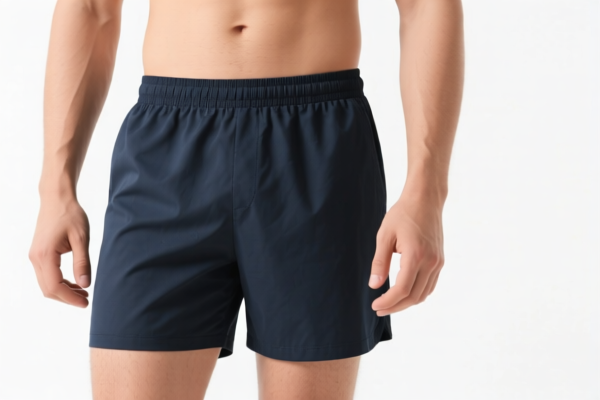
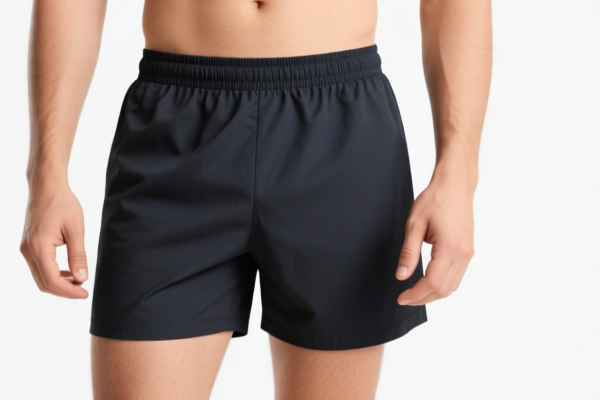

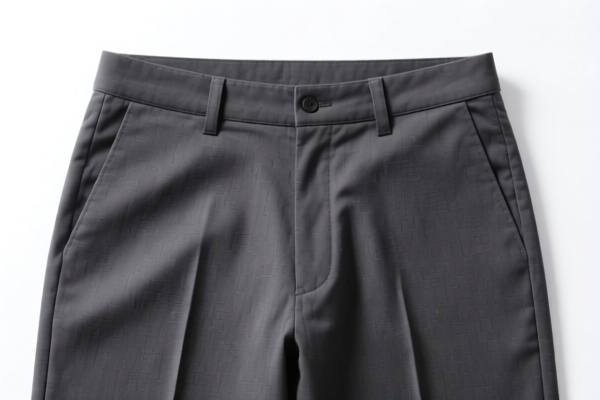
AI Analysis
👖 Men's Trousers (Men's Bottoms)
🌐 HS Code Reference & Customs Clearance Guide | 2026 Latest Tariff Analysis | Strategic通关 Strategy
📌 I. Product Definition & Classification: Do You Really Understand "Men's Trousers"?
Men's trousers are a staple of global apparel trade. In international customs classification (HS Code), they are primarily divided based on Material Composition and Manufacturing Method (Knitted vs. Woven).
The data provided indicates that these goods are likely subject to Section 301 Tariffs (7.5%) and Section 122 Tariffs (10%) in addition to base duties, resulting in total tax rates ranging from 25.6% to 45.7%.
⚠️ Critical Distinction:
- Woven Trousers (Chapter 62): Usually cotton, synthetic fibers, or other textiles.
- Knitted Trousers (Chapter 61): Usually elastic, jersey, or synthetic blends.
- Misclassification Risk: Declaring woven pants as knitted (or vice versa) leads to significant duty discrepancies and customs delays.
📦 II. HS Code Classification Details (Based on Provided Data)
The following table details the five possible HS Codes from the provided <DATA>, along with their logical classification reasoning and tax implications.
| HS Code | Product Description | Classification Logic & Reasoning | Total Tax Rate |
|---|---|---|---|
6211.32.90.40 |
Men's Trousers (Cotton) | Material: Inferred as Cotton based on common knowledge. Form: Matches "Pants" form and use. Category: General cotton woven trousers. |
25.6% |
6203.43.90.11 |
Men's Trousers (Synthetic) | Material: Inferred as Synthetic Fibers. Form: Matches Men + Trousers. Note: No conflict with "Synthetic Fiber Long Pants". |
45.4% |
6203.42.45.11 |
Men's Trousers (Cotton - Other) | Material: Inferred as Cotton. Category: "Other" fallback category for cotton trousers. Form: Matches use and form. |
34.1% |
6103.43.15.20 |
Men's Trousers (Knitted/Synthetic) | Material: Inferred as Synthetic Fiber or Cotton. Chapter: 61 (Knitted/ Crocheted). Logic: Fallback logic for knitted bottoms. |
45.7% |
6211.33.50.30 |
Men's Trousers (Synthetic) | Material: Inferred as Synthetic Fiber. Category: Matches Use + Gender. Compliance: Fits specific classification requirements for synthetics. |
33.5% |
🔍 Key Insight:
- Highest Tax:6103.43.15.20(Knitted/Synthetic) at 45.7%.
- Lowest Tax:6211.32.90.40(Cotton Woven) at 25.6%.
- Why the difference? Cotton generally enjoys lower base tariffs than synthetic fibers in certain sub-categories, but the final rate depends heavily on the Base Duty vs. Added Duties.
💰 III. 2026 Latest Tariff Rate Breakdown (Including Surcharges)
✅ Applicable Market: Implied United States (due to "Section 122" and specific tax structures).
✅ Origin: China (CN) is heavily affected by the surcharges detailed below.
✅ Structure: Base Tariff + Section 301 Surcharge (7.5%) + Section 122 Surcharge (10%).
🎯 1. 6211.32.90.40 — Cotton Men's Trousers (Woven)
The most cost-effective option among the choices.
| Item | Detail |
|---|---|
| Base Tariff | 8.1% |
| Section 301 Surcharge | 7.5% |
| Section 122 Tariff | 10% |
| Total Tax Rate | 25.6% |
| Calculation Base | CIF Value (Cost, Insurance, Freight) × 25.6% |
📌 Explanation:
- Base (8.1%): Standard MFN tariff for cotton woven trousers.
- Section 301 (7.5%): Additional duty on Chinese textiles.
- Section 122 (10%): Specific policy surcharge applied to this category.
- Total: 8.1 + 7.5 + 10 = 25.6%.
🎯 2. 6203.43.90.11 — Synthetic Men's Trousers (Woven)
High-cost scenario due to high base duty.
| Item | Detail |
|---|---|
| Base Tariff | 27.9% |
| Section 301 Surcharge | 7.5% |
| Section 122 Tariff | 10% |
| Total Tax Rate | 45.4% |
| Calculation Base | CIF Value × 45.4% |
📌 Warning:
- The Base Tariff (27.9%) is significantly higher than cotton, likely due to trade protection policies for domestic textile industries against synthetic imports.
- Total 45.4% makes this a very expensive import category.
🎯 3. 6203.42.45.11 — Other Cotton Men's Trousers (Woven)
Mid-range option, "Other" category.
| Item | Detail |
|---|---|
| Base Tariff | 16.6% |
| Section 301 Surcharge | 7.5% |
| Section 122 Tariff | 10% |
| Total Tax Rate | 34.1% |
| Calculation Base | CIF Value × 34.1% |
📌 Note:
- Classified under "Other" (兜底类目), indicating it doesn't fit the primary specific cotton sub-heading (6211.32).
- Still significantly cheaper than synthetic options (6203.43).
🎯 4. 6103.43.15.20 — Knitted Men's Trousers (Synthetic/Cotton)
Highest total tax rate due to high base duty.
| Item | Detail |
|---|---|
| Base Tariff | 28.2% |
| Section 301 Surcharge | 7.5% |
| Section 122 Tariff | 10% |
| Total Tax Rate | 45.7% |
| Calculation Base | CIF Value × 45.7% |
📌 Critical:
- This falls under Chapter 61 (Knitted/Crocheted).
- Despite being potentially cotton, the knitted nature pushes it to a higher base duty (28.2%), resulting in the highest total tax (45.7%).
- Ensure you do not misdeclare knitted pants as woven to save duty; customs will inspect the fabric structure.
🎯 5. 6211.33.50.30 — Synthetic Men's Trousers (Woven)
Mid-high cost, specific synthetic category.
| Item | Detail |
|---|---|
| Base Tariff | 16.0% |
| Section 301 Surcharge | 7.5% |
| Section 122 Tariff | 10% |
| Total Tax Rate | 33.5% |
| Calculation Base | CIF Value × 33.5% |
📌 Comparison:
- Lower base duty (16.0%) than6203.43(27.9%), likely due to different sub-heading nuances for "Other" synthetic woven trousers.
- Still more expensive than cotton woven options.
🛠️ IV. Customs Clearance Practical Advice (Avoid Pitfalls)
✅ 1. Material Verification is Key
| Scenario | Action |
|---|---|
| Cotton vs. Synthetic | Conduct laboratory testing (fiber composition analysis) before shipment. Misdeclaring synthetic as cotton can lead to fraud charges. |
| Knitted vs. Woven | Check the fabric weave. - Woven: Crisscross threads, stable structure. - Knitted: Looped threads, stretchy structure. → This determines Chapter 61 vs. 62. |
✅ 2. Documentation Checklist
| Document | Requirement | Purpose |
|---|---|---|
| Commercial Invoice | Must specify: Material %, Knitted/Woven, Men's, Trousers/Pants. | Foundation for HS Code determination. |
| Packing List | Detailed count, weight, dimensions. | Matches invoice, facilitates physical inspection. |
| Certificate of Origin | If applicable (e.g., for other countries), though US has high duties regardless. | Prove origin to apply correct surcharges. |
| Product Photos | Clear images of label (washing instructions usually list material %). | Customs officer verification. |
| Fiber Analysis Report | Third-party lab report (e.g., SGS, BV). | Crucial for disputed classifications. |
✅ 3. Declaration Tips
🔥 Rule of Thumb:
"Material Dictates Base, Form Dictates Chapter, Surcharges Apply Uniformly."
| Mistake | Consequence |
|---|---|
Declaring 6211 (Woven) as 6103 (Knitted) |
Risk of 20% tax underpayment + penalty. |
| Ignoring "Section 122" | Customs will auto-correct and charge the missing 10% + interest. |
| Vague Description: "Clothing" | Leads to highest possible duty assessment and delays. |
✅ 4. Strategic Cost Saving
- Opt for Cotton Woven (
6211.32.90.40): At 25.6%, it is the lowest tax option provided. - Avoid Knitted Synthetics (
6103.43.15.20): At 45.7%, it erodes profit margins significantly. - Check for Exclusions: Verify if your specific product type (e.g., swimwear, athletic wear) falls under special exclusions that might lower the base tariff, though surcharges often remain.
🌍 V. Global Market Comparison (Brief)
| Market | Recommended HS (General) | Est. Total Duty (China Origin) | Notes |
|---|---|---|---|
| 🇺🇸 USA | 6211 or 6103 |
25.6% - 45.7% | High surcharges (301 + 122). Material choice is critical. |
| 🇪🇺 EU | 6203 or 6211 |
0% - 12% | No Section 301/122. Lower overall cost. Requires EORI number. |
| 🇨🇳 China | 6203 or 6211 |
9.5% - 15% | Import duties apply to exports from China to China (rare), mostly for re-export processing. |
| 🇬🇧 UK | 6203 or 6211 |
0% - 12% | Post-Brexit rules. Generally favorable for textiles if rules of origin met. |
📌 Conclusion:
The US market is the most challenging due to layered surcharges. Material composition (Cotton vs. Synthetic) and Construction (Knitted vs. Woven) are the two biggest factors affecting your landed cost.
📌 VI. Common Errors & Pitfalls (Lessons Learned)
❌ Error 1: Assuming "Trousers" = One HS Code.
👉 Reality: 6211 (Cotton), 6203 (Synthetic), 6103 (Knitted) have vastly different rates.
❌ Error 2: Ignoring the "Section 122" 10% surcharge.
👉 Reality: This is a fixed additional cost on top of base and 301 tariffs. It applies to all five codes listed.
❌ Error 3: Misidentifying Knitted vs. Woven.
👉 Reality: A knitted cotton pant (6103) might be taxed at 45.7%, while a woven cotton pant (6211) is 25.6%. This is a 20% difference based on fabric construction!
❌ Error 4: Using generic descriptions like "Men's Pants".
👉 Reality: Customs requires Material % and Knit/Woven status.
✅ Correct Declaration Example:
"Men's Woven Cotton Trousers, 100% Cotton, Woven Fabric, Elastic Waist, Black, Size M"
→ Targets6211.32.90.40(25.6% Tax).
🎯 VII. Conclusion: Professional Classification Saves Money
🎯 Key Takeaway:
🔹 "Cotton Woven is King": Aim for
6211.32.90.40(25.6%) if possible.
🔹 "Avoid Knitted Synthetics":6103.43.15.20(45.7%) is a profit killer.
🔹 "Verify Material": Always have a fiber analysis report ready.
📌 Pro Tip:
If you are importing large volumes, consider applying for an Advance Ruling from US Customs and Border Protection (CBP) to lock in the HS Code and duty rate before shipment. This provides legal certainty and prevents surprise audits.
📣 Immediate Action:
📞 Consult a licensed customs broker.
📋 Provide fabric swatches for classification.
🚀 Optimize your supply chain by choosing Cotton Woven products to minimize the 30%+ tax burden.
✨ Precision in Classification is the Key to Profitability!
💼 Don't let high tariffs eat your margins!
Customer Reviews
About HS Code Classification
The Harmonized System (HS) is an internationally standardized nomenclature developed by the World Customs Organization (WCO) to classify traded products. Over 200 countries use the HS system as the basis for customs tariffs, trade statistics, and import/export regulations.
Each HS code follows a hierarchical structure:
- Chapter (2 digits) — Broad category of goods (e.g., Chapter 84: Machinery and Mechanical Appliances)
- Heading (4 digits) — More specific grouping within the chapter
- Subheading (6 digits) — Internationally standardized breakdown, used by all WCO member countries
- National subdivisions (8-10 digits) — Country-specific extensions for further classification, such as US HTSUS 10-digit codes
Correct HS code classification is essential for smooth customs clearance, accurate duty payment, and compliance with trade regulations. Misclassification can lead to customs delays, overpayment of duties, or penalties.
When importing from CN to US, the applicable tariff rates may include:
- Most-Favored-Nation (MFN) rate — The standard duty rate applied to WTO members
- General rate — Applied to countries without trade agreements
- Trade remedy duties — Additional tariffs such as Section 301 (anti-dumping), Section 232 (national security), or countervailing duties
The information provided on this page is for reference purposes only. For official classification, please consult with your local customs authority or a licensed customs broker.