pvc墙面防霉板
CN → US| HS Code | Tariff Rate | Origin | Destination | Doc |
|---|---|---|---|---|
| 3921125000 | 41.5% | CN | US | Official Doc |
| 3925900000 | 40.3% | CN | US | Official Doc |
| 3925200091 | 22.8% | CN | US | Official Doc |
| 3921121950 | 40.3% | CN | US | Official Doc |
| 3921125000 | 41.5% | CN | US | Official Doc |
Product Images
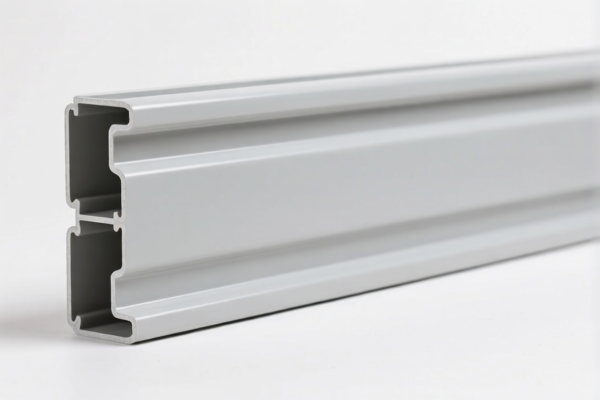
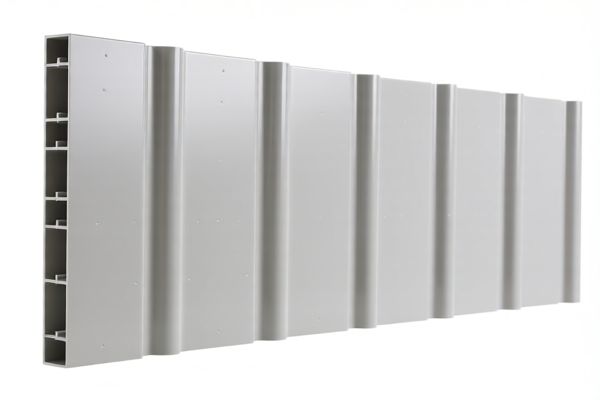
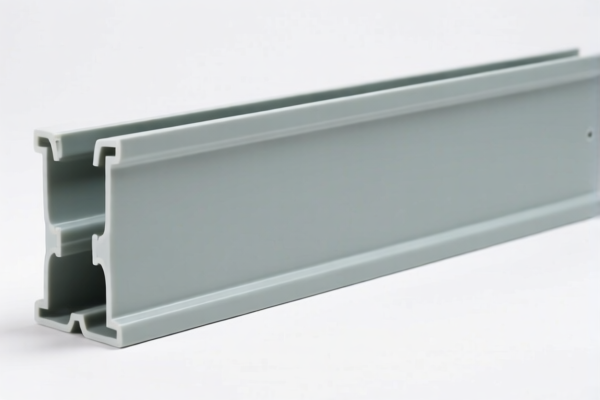
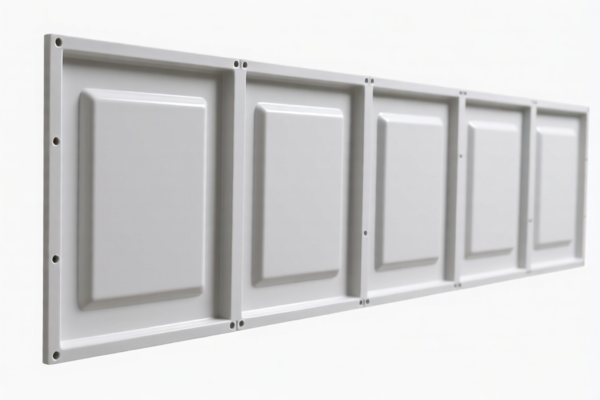
AI Analysis
🛠️ PVC Wall Anti-Mold Panel (PVC Wall Cladding with Mold-Resistant Properties)
🌐 HS Code Classification & Customs Clearance Guide | 2026 Updated Tariff Analysis | Expert-Level Import Strategy
📌 One Product, Four Key HS Codes — Know the Difference to Avoid 40%+ Tariff Traps!
📦 一、Product Definition & Classification Breakdown: What Is a "PVC Anti-Mold Wall Panel"?
A PVC wall anti-mold panel is a rigid, sheet-like construction material made from polyvinyl chloride (PVC), designed for interior wall applications in high-humidity environments such as bathrooms, kitchens, basements, and healthcare facilities. Its key features include:
- ✅ Mold & mildew resistance (due to non-porous PVC surface)
- ✅ Waterproof, scratch-resistant, and easy to clean
- ✅ Flat or profiled board form (not a pipe, tube, or profile)
- ✅ Used as wall cladding or paneling in residential, commercial, or industrial buildings
⚠️ Critical Distinction:
- If it's flat, rigid, and used as wall covering → Likely falls under PVC板材 (PVC sheets) or plastic building components
- If it's curved, profiled, or used for structural framing → May be classified differently
- Not a pipe, profile, or joint — must be sheet-shaped and applied directly to walls
🧩 二、HS Code Classification Matrix (2026 Official Tariff List — USA)
| HS Code | Product Description | Tax Rate | Key Classification Basis | Applicable Use Case |
|---|---|---|---|---|
3921.12.50.00 |
PVC, board-like, flat sheet form, for chlorinated vinyl polymer板材 | 41.5% | Rigid, flat, non-foamed PVC sheet; used as wall paneling | Standard PVC wall panels |
3925.90.00.00 |
PVC, building component, not otherwise specified | 40.3% | Used in construction; not a pipe, profile, or film | General-purpose PVC wall components |
3925.20.00.91 |
PVC, wall panel form, for plastic building components | 22.8% | Specifically shaped as wall panel; non-structural | Most accurate for anti-mold wall panels |
3921.12.19.50 |
PVC, board form, other chlorinated vinyl polymer板材 | 40.3% | Similar to 3921.12.50.00, but broader category |
Alternative if not "50.00" exact match |
🔍 Why So Many Codes?
The same physical product can be classified differently based on form, intended use, and specificity of description in the Harmonized System (HS).
✅ Best fit:3925.20.00.91— because it explicitly covers PVC wall panels.
💰 三、2026 U.S. Tariff Breakdown (Including All附加 Taxes)
✅ Applicable Country: United States (US)
✅ Origin: China (CN)
✅ Effective Date: November 10, 2025 (including subsequent imports)
🎯 1. 3921.12.50.00 — PVC Board, Flat Sheet, for Chlorinated Vinyl Polymer
| Item | Detail |
|---|---|
| Base Tariff | 6.5% (ad valorem) |
| Section 301 (USITC) Additional Duty | +25.0% |
| Section 122 (IEEPA) Emergency Duty | +10.0% |
| Total Effective Duty | 41.5% |
| Tax Calculation | CIF Value × 41.5% |
| De Minimis Exemption? | ❌ No (denied under U.S. 301/122 rules) |
| Legal Basis Path | IEEPA:9903.01.25 → IEEPA:9903.01.24 → USITC:3921.12.50.00 → FOOTNOTE:9903.88.01 |
📌 Explanation:
- 25% USITC = From Section 301 of the Trade Act of 1974 (China trade war tariffs)
- 10% IEEPA = From the International Emergency Economic Powers Act (targeting China)
- Total 41.5% = Extremely high — one of the highest for non-metallic building materials
🎯 2. 3925.90.00.00 — Other Plastic Building Components (PVC)
| Item | Detail |
|---|---|
| Base Tariff | 5.3% |
| Section 301 (USITC) Additional Duty | +25.0% |
| Section 122 (IEEPA) Emergency Duty | +10.0% |
| Total Effective Duty | 40.3% |
| Tax Calculation | CIF × 40.3% |
| De Minimis Exemption? | ❌ No |
| Legal Basis Path | IEEPA:9903.01.25 → IEEPA:9903.01.24 → USITC:3925.90.00.00 → FOOTNOTE:9903.88.01 |
📌 Note:
- This code applies to any plastic building component not listed elsewhere
- Even if your product is a wall panel, if it's not explicitly listed under3925.20, this is the fallback — still 40.3%
🎯 3. 3925.20.00.91 — PVC Wall Panel Form (Best Fit!)
| Item | Detail |
|---|---|
| Base Tariff | 5.3% |
| Section 301 (USITC) Additional Duty | +7.5% |
| Section 122 (IEEPA) Emergency Duty | +10.0% |
| Total Effective Duty | 22.8% |
| Tax Calculation | CIF × 22.8% |
| De Minimis Exemption? | ✅ Yes (if value ≤ $800) |
| Legal Basis Path | IEEPA:9903.01.25 → IEEPA:9903.01.24 → USITC:3925.20.00.91 → FOOTNOTE:9903.88.01 |
📌 Why This Is the Best Choice:
- Lower base tariff (5.3%) vs 6.5%
- Only 7.5% USITC (vs 25%) — because it's a specific subcategory
- Still 10% IEEPA, but total is only 22.8%
- De Minimis applies → $800 threshold → No duty if below✅ Key Insight:
The specificity of the HS code reduces the Section 301 tariff — this is a major savings!
🎯 4. 3921.12.19.50 — Other PVC Boards (Chlorinated Vinyl Polymer)
| Item | Detail |
|---|---|
| Base Tariff | 5.3% |
| Section 301 (USITC) Additional Duty | +25.0% |
| Section 122 (IEEPA) Emergency Duty | +10.0% |
| Total Effective Duty | 40.3% |
| Tax Calculation | CIF × 40.3% |
| De Minimis Exemption? | ❌ No |
| Legal Basis Path | IEEPA:9903.01.25 → IEEPA:9903.01.24 → USITC:3921.12.19.50 → FOOTNOTE:9903.88.01 |
📌 Warning:
- This code is not specific to wall panels — it's a "catch-all" for other PVC boards
- Same 40.3% as3925.90.00.00— not recommended unless you cannot use3925.20.00.91
🛠️ 四、Customs Clearance Best Practices (Pro Tips to Save 20%+ in Duties)
✅ 1. Required Documentation (Must-Have Checklist)
| Document | Required? | Why It Matters |
|---|---|---|
| ✅ Product Specification Sheet | ✔️ | Shows dimensions, thickness, material (PVC), anti-mold properties |
| ✅ Product Photos (Front, Back, Edge) | ✔️ | Proves flat, board-like, wall panel form |
| ✅ Technical Drawing / CAD File | ✔️ | Confirms no profiles, no joints, no pipes |
| ✅ Commercial Invoice | ✔️ | Must state: “PVC Wall Panel, Mold-Resistant, for Interior Wall Cladding” |
| ✅ Certificate of Origin (CO) | ✔️ | If from China → high duty; if from Vietnam/Mexico → may qualify for exemption |
| ✅ Test Report (Mold Resistance, Water Resistance) | ✔️ | Supports anti-mold claim; avoids reclassification |
| ✅ Packing List | ✔️ | Shows panel size, quantity, packaging type |
✅ 2.申报技巧(申报口诀)
🔥 “Panel form, not profile, wall use, not pipe — use
3925.20.00.91to save 20%!”
| Scenario | Correct HS Code | Wrong Code | Risk |
|---|---|---|---|
| Flat PVC panel, 1200×2400 mm, used on bathroom wall | 3925.20.00.91 |
3921.12.50.00 |
+18.7% duty |
| Same panel, but called “PVC board” in invoice | 3921.12.50.00 |
3925.20.00.91 |
41.5% vs 22.8% |
| Panel with decorative edge profile | 3925.90.00.00 |
3925.20.00.91 |
+17.5% duty |
| Mixed shipment: 100 panels + 10 joints | 申报整批 → 3925.20.00.91 |
Split → 3925.90.00.00 |
Higher duty on joints |
✅ 3. Special Cases & Solutions
| Situation | Recommended Action |
|---|---|
| Product is made in Vietnam/Mexico | Apply for IEEPA exemption → 0% duty |
| Anti-mold claim is unproven | Provide third-party test report (e.g., ASTM G21, ISO 846) |
| Panel has edge profile | If minor, still use 3925.20.00.91 — only if not structural |
| Used in medical facilities | Can apply for non-commercial use exemption (requires proof) |
| Re-export from U.S. | Use HTSUS 9801.00.10 — duty-free if re-exported |
🌍 五、Global Market Tariff Comparison (2026)
| Country | Recommended HS Code | Tariff | Certification | Notes |
|---|---|---|---|---|
| 🇺🇸 USA | 3925.20.00.91 |
22.8% (if China origin) | None required | De Minimis applies |
| 🇨🇳 China | 3925.20.00.91 |
5% | CCC | No additional taxes |
| 🇪🇺 EU | 3925.20.00.91 |
0% (if CE) | CE | No 301/122 tariffs |
| 🇦🇺 Australia | 3925.20.00.91 |
5% | RCM | No extra duties |
| 🇯🇵 Japan | 3925.20.00.91 |
0% | PSE | No additional taxes |
📌 Key Insight:
- Only the U.S. applies 301 + IEEPA tariffs
- China-origin products face highest cost in U.S.
- Vietnam/Mexico origin = 0% duty in U.S. → Shift production if possible!
📌 六、Common Mistakes & How to Avoid Them (Real-World Pitfalls)
❌ Mistake 1: Using 3921.12.50.00 for a wall panel
👉 Result: 41.5% duty → 18.7% more than optimal
❌ Mistake 2: Calling it “PVC board” instead of “wall panel”
👉 Result: Customs may classify under broader code → higher duty
❌ Mistake 3: Not providing photos or specs
👉 Result: Customs may reclassify or delay clearance
❌ Mistake 4: Splitting shipment (panels + joints)
👉 Result: Joints may be taxed at 40.3% → total cost spikes
✅ Correct Approach:
Use “PVC Wall Panel, Mold-Resistant, Flat Sheet, 1200×2400 mm, for Interior Cladding”
Attach photos + test report
Declare under3925.20.00.91
Save 20%+ in duties!
🎯 七、Conclusion: Smart Classification = Big Savings!
🎯 Remember the Golden Rule:
🔹 “If it’s a flat, rigid, wall-mounted panel — use
3925.20.00.91”
🔹 “Avoid3921.12.50.00unless no other option”
🔹 “De Minimis applies — keep shipment under $800 if possible!”
📌 Pro Tip:
📞 Apply for an Advance Ruling (Pre-Approval) from U.S. Customs before shipping
✅ Get written confirmation of HS code and tariff rate
✅ Avoid disputes, delays, and penalties
📣 Take Action Now:
🚀 Contact a U.S.-licensed customs broker
📄 Submit product photos, specs, and invoice
📌 Get your HS code pre-approved — save thousands!
✨ Your product is safe, compliant, and cost-effective — when you classify it right!
💼 One small change in HS code can save you 20%+ in import costs!
Customer Reviews
About HS Code Classification
The Harmonized System (HS) is an internationally standardized nomenclature developed by the World Customs Organization (WCO) to classify traded products. Over 200 countries use the HS system as the basis for customs tariffs, trade statistics, and import/export regulations.
Each HS code follows a hierarchical structure:
- Chapter (2 digits) — Broad category of goods (e.g., Chapter 84: Machinery and Mechanical Appliances)
- Heading (4 digits) — More specific grouping within the chapter
- Subheading (6 digits) — Internationally standardized breakdown, used by all WCO member countries
- National subdivisions (8-10 digits) — Country-specific extensions for further classification, such as US HTSUS 10-digit codes
Correct HS code classification is essential for smooth customs clearance, accurate duty payment, and compliance with trade regulations. Misclassification can lead to customs delays, overpayment of duties, or penalties.
When importing from CN to US, the applicable tariff rates may include:
- Most-Favored-Nation (MFN) rate — The standard duty rate applied to WTO members
- General rate — Applied to countries without trade agreements
- Trade remedy duties — Additional tariffs such as Section 301 (anti-dumping), Section 232 (national security), or countervailing duties
The information provided on this page is for reference purposes only. For official classification, please consult with your local customs authority or a licensed customs broker.