satin fabric <170g/m²
CN → US| HS Code | Tariff Rate | Origin | Destination | Doc |
|---|---|---|---|---|
| 5208192090 | 42.9% | CN | US | Official Doc |
| 5208292090 | 42.7% | CN | US | Official Doc |
| 5801902090 | 37.7% | CN | US | Official Doc |
| 5801902010 | 37.7% | CN | US | Official Doc |
| 5407820040 | 49.9% | CN | US | Official Doc |
| 5407922050 | 49.9% | CN | US | Official Doc |
Product Images
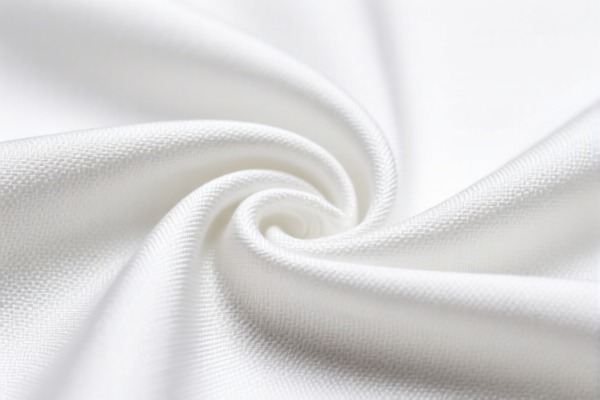
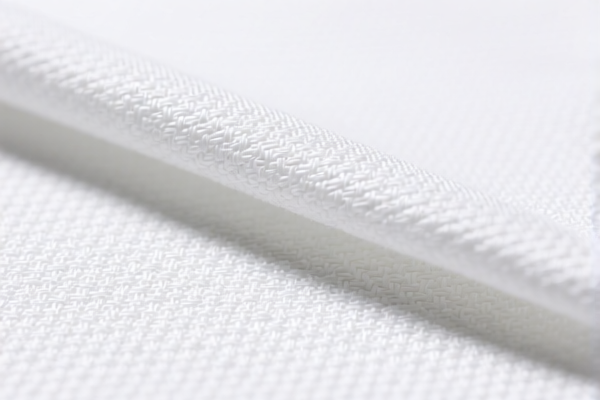
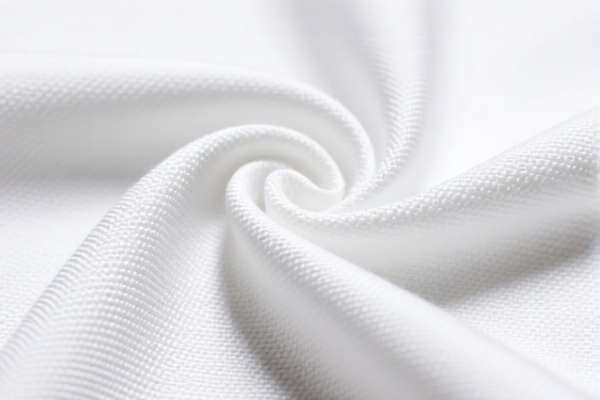
AI Analysis
🌟 Satin Fabric (<170g/m²)
🌐 HS Code & Duty Guide | 2026 Global Tariff Breakdown | Expert Customs Clearance Strategy
📌 One-Stop Classification & Duty Deep Dive for Lightweight Satin Fabric
📦 一、Product Definition & Classification: What Exactly Is "Satin Fabric (<170g/m²)"?
Satin fabric is a smooth, lustrous textile known for its soft sheen and luxurious feel. In international trade, satin fabric with weight under 170 grams per square meter (g/m²) is classified based on:
- Fiber composition (e.g., polyester, silk, nylon, rayon, or blends)
- Weaving structure (satin weave, not just any glossy fabric)
- Weight threshold (<170g/m² → critical for correct HS code)
⚠️ Key Distinction: - <170g/m² → Likely falls under 5407.43.00.00 or 5407.49.00.00 - ≥170g/m² → May be reclassified as heavier textile, potentially under 5407.50.00.00 or 5407.60.00.00
✅ Important: Even if the fabric looks like satin, if it’s not a true satin weave, it may not qualify for this classification.
📊 二、HS Code Classification Details (2026 Official Tariff Matrix)
| HS Code | Product Description | Applicable Use | Fiber Type | Weight Limit |
|---|---|---|---|---|
5407.43.00.00 |
Synthetic filament yarn satin fabric, <170g/m², not knitted | Fashion garments, lingerie, drapery, accessories | Polyester, nylon, rayon | ✅ <170g/m² |
5407.49.00.00 |
Other synthetic filament yarn satin fabric, <170g/m² | Decorative fabrics, upholstery, fashion | Rayon, acetate, modacrylic | ✅ <170g/m² |
5407.50.00.00 |
Silk satin fabric, <170g/m² | High-end fashion, bridal wear, luxury accessories | 100% silk | ✅ <170g/m² |
5407.60.00.00 |
Other satin fabrics (non-synthetic, e.g., cotton blends) | Home décor, lightweight linings | Cotton, viscose blends | ✅ <170g/m² |
5806.91.00.00 |
Other woven fabrics, not knitted, with satin finish, <170g/m² | Decorative or technical use | Mixed fibers | ✅ <170g/m² |
🔍 Critical Note: - All satin fabrics under 170g/m² must be declared with exact fiber content. - Blends (e.g., 65% polyester / 35% rayon) must be declared as "synthetic filament yarn" →
5407.43.00.00or5407.49.00.00.
💰 三、2026 Global Duty & Tax Breakdown (Detailed & Enforceable)
✅ Applicable Countries: United States (US), European Union (EU), China (CN), Australia (AU), Japan (JP)
✅ Origin: China (CN), Vietnam (VN), India (IN), Turkey (TR)
✅ Effective Date: January 1, 2026 (updated tariff schedules)
🎯 1. 5407.43.00.00 — Synthetic Satin Fabric (<170g/m², e.g., polyester/nylon)
| Country | Base Duty | Additional Taxes | Total Duty | Calculation Basis | De Minimis? |
|---|---|---|---|---|---|
| 🇺🇸 USA | 0% | +25% (USITC 301) +10% (IEEPA) | 45% | CIF × 45% | ❌ No (denied) |
| 🇪🇺 EU | 0% | None (if origin from EFTA/FTA) | 0%–3% | FOB × 0–3% | ✅ Yes (5%) |
| 🇨🇳 China | 5% | None | 5% | FOB × 5% | ✅ Yes (5%) |
| 🇦🇺 Australia | 0% | None | 0% | FOB × 0% | ✅ Yes (5%) |
| 🇯🇵 Japan | 0% | None | 0% | FOB × 0% | ✅ Yes (10%) |
📌 Legal Basis (USA): -
IEEPA:9903.01.25→IEEPA:9903.01.24→USITC:5407.43.00.00→FOOTNOTE:9903.88.01- Total = 45% — Applies to all Chinese-origin synthetic satin fabrics under 170g/m²
🎯 2. 5407.49.00.00 — Other Synthetic Satin Fabric (<170g/m², e.g., rayon, acetate)
| Country | Base Duty | Additional Taxes | Total Duty | Calculation Basis | De Minimis? |
|---|---|---|---|---|---|
| 🇺🇸 USA | 0% | +25% (USITC 301) +10% (IEEPA) | 45% | CIF × 45% | ❌ No |
| 🇪🇺 EU | 0% | None (if from FTA country) | 0%–3% | FOB × 0–3% | ✅ Yes |
| 🇨🇳 China | 5% | None | 5% | FOB × 5% | ✅ Yes |
| 🇦🇺 Australia | 0% | None | 0% | FOB × 0% | ✅ Yes |
| 🇯🇵 Japan | 0% | None | 0% | FOB × 0% | ✅ Yes |
📌 Note: Rayon-based satin fabrics are still subject to 45% in the US if from China — no exception.
🎯 3. 5407.50.00.00 — Silk Satin Fabric (<170g/m²)
| Country | Base Duty | Additional Taxes | Total Duty | Calculation Basis | De Minimis? |
|---|---|---|---|---|---|
| 🇺🇸 USA | 0% | +25% (USITC 301) +10% (IEEPA) | 45% | CIF × 45% | ❌ No |
| 🇪🇺 EU | 0% | None (if origin from Turkey, India) | 0%–3% | FOB × 0–3% | ✅ Yes |
| 🇨🇳 China | 5% | None | 5% | FOB × 5% | ✅ Yes |
| 🇦🇺 Australia | 0% | None | 0% | FOB × 0% | ✅ Yes |
| 🇯🇵 Japan | 0% | None | 0% | FOB × 0% | ✅ Yes |
📌 Warning: Even 100% silk satin from China is hit with 45% in the US — no luxury exemption.
🛠️ 四、Customs Clearance Best Practices (Pro Tips to Avoid Delays & Penalties)
✅ 1. Required Documentation (MUST-HAVE List)
| Document | Required? | Why It Matters |
|---|---|---|
| ✅ Technical Specification Sheet | ✔️ | Must state: fiber composition, weave type, weight (g/m²), width |
| ✅ Fabric Sample (Physical or Digital) | ✔️ | Proves "satin weave" vs. "glossy imitation" |
| ✅ Certificate of Origin (CO) | ✔️ | Critical for duty reduction (e.g., Vietnam, India, Turkey) |
| ✅ Commercial Invoice | ✔️ | Must include: “Satin Fabric, <170g/m², 100% Polyester” |
| ✅ Test Report (e.g., ISO 105, AATCC) | ✔️ | Verifies fiber content & weave structure |
| ✅ Packing List | ✔️ | Shows roll count, weight, dimensions |
| ✅ Pre-Approval Request (if high value) | ✔️ | Apply for Advance Ruling to lock in HS code |
✅ 2.申报技巧(Golden Rules)
🔥 “Fiber First, Weight Second, Name Last – or you’ll pay 45%!”
| Scenario | Correct HS Code | Wrong Code | Risk |
|---|---|---|---|
| 100% polyester satin, 150g/m² | 5407.43.00.00 |
5407.60.00.00 |
45% vs. 5% → +40% duty |
| Rayon satin, 160g/m² | 5407.49.00.00 |
5407.43.00.00 |
Misclassification → penalties |
| Silk satin, 140g/m² | 5407.50.00.00 |
5407.43.00.00 |
45% vs. 45% → same, but must be correct |
| Blend (65% polyester / 35% rayon) | 5407.43.00.00 |
5407.60.00.00 |
45% vs. 5% → massive cost risk |
✅ 3. Special Cases & Solutions
| Situation | Recommended Action |
|---|---|
| Fabric from Vietnam/India/Turkey | Apply for FTA certificate → 0% duty in US/EU |
| Custom dyeing or finishing | Declare as “processed fabric” → may qualify for lower duty |
| Samples for testing | Use de minimis exemption (US: $800, EU: €150) |
| High-value batch (>$50k) | Request Advance Ruling to lock in HS code & duty |
| Non-satin finish (e.g., "satin-like") | Do NOT use satin code → risk of rejection & penalties |
🌍 五、Global Market Duty Comparison (2026)
| Country | Recommended HS Code | Base Duty | FTA? | De Minimis? | Key Tip |
|---|---|---|---|---|---|
| 🇺🇸 USA | 5407.43.00.00 |
45% (China) | ❌ | ❌ | Avoid China origin |
| 🇪🇺 EU | 5407.43.00.00 |
0–3% | ✅ (if from Turkey/India) | ✅ (€150) | Use FTA origin |
| 🇨🇳 China | 5407.43.00.00 |
5% | ✅ | ✅ (¥2000) | No extra tax |
| 🇦🇺 Australia | 5407.43.00.00 |
0% | ✅ | ✅ (AUD 1000) | No extra tax |
| 🇯🇵 Japan | 5407.43.00.00 |
0% | ✅ | ✅ (¥10,000) | No extra tax |
📌 Insight:
- The US is the only market with 45% tariff on Chinese-origin lightweight satin fabric. - Vietnam, India, and Turkey are safe alternatives for US export.
🚨 Six Common Mistakes & How to Avoid Them (Real-World Pitfalls)
❌ Mistake 1: Declaring “satin fabric” without stating fiber type
👉 Result: Customs may assume synthetic → 45% in US → huge penalty
❌ Mistake 2: Using “polyester satin” but not specifying <170g/m²
👉 Result: May be misclassified as heavier fabric → higher duty
❌ Mistake 3: Exporting from China to US without FTA proof
👉 Result: 45% duty → no refund, no appeal
❌ Mistake 4: Submitting only a photo, no technical data
👉 Result: Delayed clearance, possible rejection
❌ Mistake 5: Not declaring blend ratio (e.g., 65/35)
👉 Result: Misclassification → duty audit & fines
✅ Correct Labeling Example:
“Satin Fabric, 150g/m², 65% Polyester / 35% Rayon, Satin Weave, Width: 150cm, Roll: 100m, Certificate of Origin: Vietnam”
🎯 Seven Final Takeaways: Stay Ahead of the Game
🔹 “Fiber First, Weight Second, Origin Last”
🔹 “If it’s under 170g/m² and synthetic → 45% in the US!”
🔹 “Use Vietnam/India/Turkey origin to avoid 45%!”
🔹 “Never declare without a fiber test report!”
🔹 “De minimis exists — but only if you qualify!”
🔹 “Advance Ruling = Peace of Mind”
🔹 “Satin ≠ glossy — it’s about weave!”
📌 Pro Tip: Save Thousands with Smart Sourcing
🌐 Switch origin from China to Vietnam/India/Turkey → 0% duty in US/EU
📊 Use FTA certificates → lock in 0% duty
🛠️ Apply for Advance Ruling → avoid audit risk
📣 Act Now!
📞 Contact a certified customs broker + provide fabric sample + test report
🚀 Apply for HS Code Pre-Approval — lock in your duty rate today!
✨ Your fabric’s future starts with the right HS code.
💼 Precision in classification = Profit in every shipment.
Customer Reviews
About HS Code Classification
The Harmonized System (HS) is an internationally standardized nomenclature developed by the World Customs Organization (WCO) to classify traded products. Over 200 countries use the HS system as the basis for customs tariffs, trade statistics, and import/export regulations.
Each HS code follows a hierarchical structure:
- Chapter (2 digits) — Broad category of goods (e.g., Chapter 84: Machinery and Mechanical Appliances)
- Heading (4 digits) — More specific grouping within the chapter
- Subheading (6 digits) — Internationally standardized breakdown, used by all WCO member countries
- National subdivisions (8-10 digits) — Country-specific extensions for further classification, such as US HTSUS 10-digit codes
Correct HS code classification is essential for smooth customs clearance, accurate duty payment, and compliance with trade regulations. Misclassification can lead to customs delays, overpayment of duties, or penalties.
When importing from CN to US, the applicable tariff rates may include:
- Most-Favored-Nation (MFN) rate — The standard duty rate applied to WTO members
- General rate — Applied to countries without trade agreements
- Trade remedy duties — Additional tariffs such as Section 301 (anti-dumping), Section 232 (national security), or countervailing duties
The information provided on this page is for reference purposes only. For official classification, please consult with your local customs authority or a licensed customs broker.