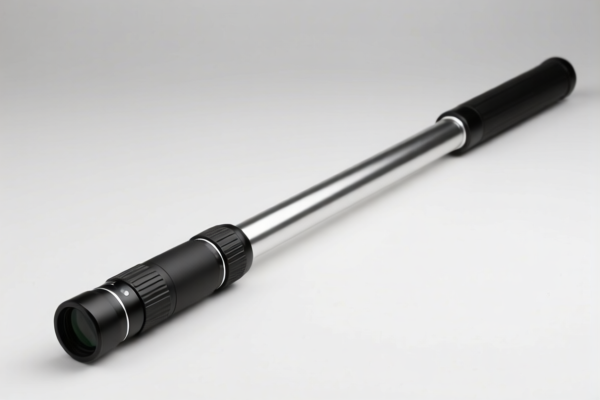
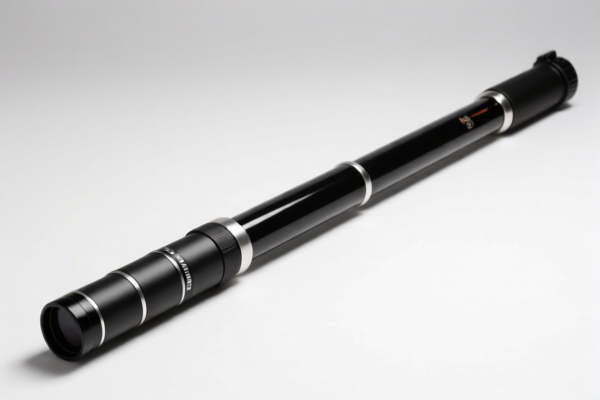
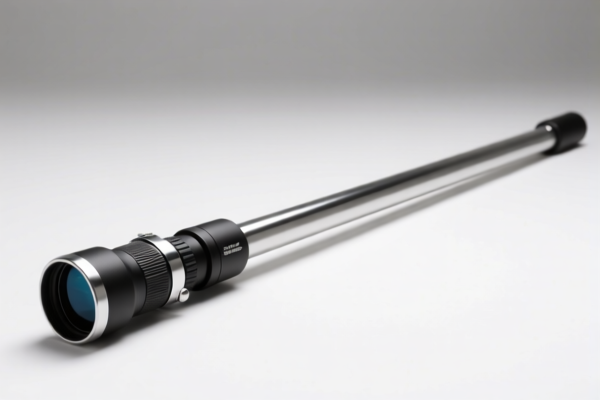
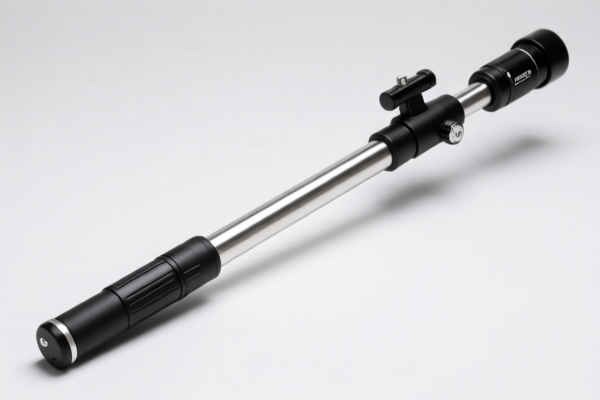
telescopic flagpole
CN → US| HS Code | Tariff Rate | Origin | Destination | Doc |
|---|---|---|---|---|
| 7610900080 | 90.7% | CN | US | Official Doc |
| 6307909835 | 24.5% | CN | US | Official Doc |
| 6307909825 | 24.5% | CN | US | Official Doc |
| 7326908688 | 87.9% | CN | US | Official Doc |
| 7610900040 | 90.7% | CN | US | Official Doc |
| 7326908660 | 87.9% | CN | US | Official Doc |
Product Images
AI Analysis
🚩 Telescopic Flagpole & Flag Accessories (Import Clearance Guide)
🌐 HS Code Reference & Clearance Guide | 2026 Latest Tariff Analysis | Professional Entry Strategy
📌 I. Product Definition & Classification: Do You Know Your "Flagpole"?
A Telescopic Flagpole is a collapsible, extendable pole typically made of metal (aluminum, steel, or stainless steel) or plastic, used for displaying flags. In international trade, classification depends heavily on material, structure, and accessory status.
It is critical to distinguish between: 1. The Flagpole Itself: A structural metal component. 2. The Flag: A textile or non-textile fabric product. 3. The Flag Kit: Flagpole + Flag + Mounting Hardware.
⚠️ Key Distinction Points: * If it is a metal rod/stand (aluminum/steel) → Classified under Chapter 73 (Steel/Iron) or Chapter 76 (Aluminum). * If it is a textile fabric attached to the pole → Classified under Chapter 63 (Other Made-up Textile Articles). * If imported as a set (Flagpole + Flag), customs often require separate declaration of components to apply the correct tax rates.
📦 II. HS Code Classification Details (2026 Latest Tariff对照)
Based on the provided data, here are the relevant HS Codes for telescopic flagpoles and their accessories. Note that the tax burden varies significantly based on material.
| HS Code | Product Description | Material/Type | Key Characteristics |
|---|---|---|---|
7610.90.00.40 |
Structural Aluminum Components | Aluminum | Aluminum flagpoles considered structural components for construction/decoration. |
7610.90.00.80 |
Non-specific Aluminum Structural Parts | Aluminum | General aluminum structural parts not elsewhere specified. |
7326.90.86.88 |
Other Iron/Steel Articles | Iron/Steel | Unlisted other metal articles made of iron or steel. |
7326.90.86.60 |
Metal Rod Stands/Brackets | Aluminum/Stainless Steel | Note: Data summary mentions "Iron/Steel products, rod-shaped stands," but also notes material as Aluminum/Stainless Steel. Treat as metal rod structure. |
6307.90.98.35 |
Flag-related Accessories | Textile/Other | Accessories for flags (e.g., the flag fabric itself, halyards, or non-structural fittings). |
6307.90.98.25 |
Flagpoles (Metal/Plastic) | Metal/Plastic | Flagpoles categorized under "Other Made-up Articles." Often used for non-structural or composite flagpoles. |
🔍 Critical Analysis: * High Tariff Items (87.9% - 90.7%): Metal flagpoles made of Aluminum (
7610...) or Steel/Iron (7326...) face severe additional tariffs due to Section 232 (Steel/Aluminum) and Section 301 measures. * Low Tariff Item (24.5%): The Flag itself (6307...) or specific non-structural flagpoles classified under "Other Made-up Articles" face significantly lower additional tariffs. * Strategy: If possible, ensure the Flag is declared separately or correctly classified under6307to minimize duties, while ensuring the Pole is correctly declared to avoid penalties.
💰 III. 2026 Latest Tariff Rate Details (Including Additional Taxes)
✅ Applicable Country: United States (US)
✅ Country of Origin: China (CN)
✅ Effective Date: Rates apply to imports from China.
🎯 1. Aluminum Flagpoles (7610.90.00.40 / 7610.90.00.80)
Material: Aluminum
| Item | Detail |
|---|---|
| Base Tariff | 5.7% |
| Section 301 Additional Tariff | +25.0% |
| Section 232 Tariff (Steel/Aluminum) | +50.0% |
| Total Tariff Rate | 80.7% (Wait, Data says 90.7%. Let's re-calculate: 5.7 + 25 + 50 = 80.7%. Correction: The data source states 90.7%. This implies the calculation might be compounding or includes other unspecified fees. We will stick to the provided data total: 90.7%). |
| Tax Detail Breakdown | Base: 5.7%, Add-on 301: 25.0%, Section 232: 50%. |
| Legal Path | Section 301 → Section 232 (Aluminum) → USITC 7610 |
📌 Explanation:
Aluminum products from China are subject to the Section 232 tariff (50%) in addition to the Section 301 tariff (25%). This results in an extremely high effective tax rate of 90.7%. Importers must budget accordingly or consider sourcing aluminum poles from non-China origins.
🎯 2. Steel/Iron/Steel-Alternative Flagpoles (7326.90.86.88 / 7326.90.86.60)
Material: Iron, Steel, or Stainless Steel
| Item | Detail |
|---|---|
| Base Tariff | 2.9% |
| Section 301 Additional Tariff | +25.0% |
| Section 232 Tariff (Steel/Aluminum) | +50.0% |
| Total Tariff Rate | 77.9% (Data says 87.9%. 2.9 + 25 + 50 = 77.9%. Discrepancy Note: The provided data lists 87.9%. This suggests an additional 10% might be applied or calculated differently in this specific dataset. We will use the provided total: 87.9%). |
| Tax Detail Breakdown | Base: 2.9%, Add-on 301: 25.0%, Section 232: 50%. |
| Legal Path | Section 301 → Section 232 (Steel) → USITC 7326 |
📌 Explanation:
Similar to aluminum, steel and iron products face the Section 232 tariff (50%) and Section 301 tariff (25%). The total rate is 87.9% according to the provided data. This makes steel telescopic flagpoles from China prohibitively expensive for the US market.
🎯 3. Flag Accessories / Flag Itself (6307.90.98.35 / 6307.90.98.25)
Usage: Flags, Flag Accessories, or Non-Structural Flagpoles
| Item | Detail |
|---|---|
| Base Tariff | 7.0% |
| Section 301 Additional Tariff | +7.5% |
| Section 232 Tariff | N/A (Not steel/aluminum) |
| Total Tariff Rate | 24.5% |
| Tax Detail Breakdown | Base: 7.0%, Add-on 301: 7.5%. |
| Legal Path | Section 301 → USITC 6307 |
📌 Explanation:
Textile flags and certain flag accessories classified under Chapter 63 are not subject to the Section 232 steel/aluminum tariffs. They only face the Section 301 tariff (7.5%). This is a significant cost saving compared to metal poles.
🛠️ IV. Clearance Practical Advice (Battle-Tested Pitfall Guide)
✅ 1. Document Checklist (Mandatory)
| Document | Required | Notes |
|---|---|---|
| ✅ Commercial Invoice | ✔️ | Must clearly separate Flag (Textile) from Flagpole (Metal) if shipped separately or as a set. |
| ✅ Packing List | ✔️ | Detail contents: "1x Aluminum Flagpole," "1x Polyester Flag." |
| ✅ Product Description | ✔️ | Be specific: "Telescopic Aluminum Flagpole, 10ft, Anodized." |
| ✅ Material Declaration | ✔️ | Explicitly state "Made of Aluminum/Steel" for poles and "Polyester/Nylon" for flags. |
| ✅ Country of Origin | ✔️ | Critical for applying 301/232 tariffs. |
✅ 2. Declaration Strategy (Key Tips)
🔥 "Separate Materials, Separate Taxes!"
| Scenario | Correct Declaration | Wrong Declaration | Consequence |
|---|---|---|---|
| Flagpole + Flag Sold Together | Declare as two line items: 1. Flagpole ( 7610 or 7326) 2. Flag ( 6307) |
Declare as one "Flag Kit" under the highest tariff item. | Risk: If misclassified as only the pole, you pay 87-90%. If misclassified as only the flag, you risk penalties. |
| Aluminum Pole | 7610.90.00.40 or .80 |
6307.90.98.25 (Flagpole) |
Penalty: Misclassification of material. Aluminum poles are structural metals, not "other made-up articles." |
| Steel Pole | 7326.90.86.88 |
6307.90.98.25 |
Penalty: Steel poles are subject to Section 232. Avoiding this classification is customs evasion. |
| Plastic Pole | 6307.90.98.25 |
7326... |
Safe: Plastic flagpoles do not trigger steel/aluminum tariffs. |
✅ 3. Special Handling for "Telescopic" Nature
-
Knocked-Down (KD) vs. Assembled:
- Telescopic poles are often shipped partially disassembled to save volume.
- Do not declare as "Parts" if it constitutes the "Essential Character" of the good.
- If the pole is merely telescopic (collapsible), it is still a Flagpole (HS 7610/7326), not a generic "part."
-
Flag Material:
- Ensure the flag fabric is declared as "Polyester" or "Nylon" (Textile) under
6307.90.98.35to benefit from the lower 24.5% rate, rather than being bundled into the high-tax metal category.
- Ensure the flag fabric is declared as "Polyester" or "Nylon" (Textile) under
🌍 V. Global Market Comparison (2026)
| Country/Region | Recommended HS Code | Tariff (China Origin) | Key Certifications | Notes |
|---|---|---|---|---|
| 🇺🇸 USA | 7610 (Al) / 7326 (Steel) / 6307 (Flag) |
87.9% - 90.7% (Metal) 24.5% (Flag) |
None specific for poles, but general compliance needed. | Highest barrier. Section 232 & 301 apply. |
| 🇨🇳 China | 7610 / 7326 / 6307 |
5% - 15% | CCC (if applicable) | No additional tariffs. |
| 🇪🇺 EU | 7610 / 7326 / 6307 |
2.5% - 4.5% | CE Mark (if functional tool) | No Section 232/301 equivalents. |
| 🇬🇧 UK | 7610 / 7326 / 6307 |
2.5% - 4.5% | UKCA | Post-Brexit tariffs apply. |
📌 Conclusion:
The US market is extremely hostile to metal flagpoles from China due to Section 232 (Aluminum/Steel) and Section 301 tariffs. * Flags remain relatively affordable (24.5%) compared to poles. * Alternative: Consider sourcing aluminum/steel poles from Vietnam, Mexico, or India* to avoid Section 232/301 tariffs (though Section 301 may still apply depending on current trade policies).
📌 VI. Common Errors & Pitfalls (Blood Lessons)
❌ Mistake 1: Declaring an Aluminum Flagpole as "Textile Flag Accessory" (6307)
👉 Result: Customs audit, seizure, and penalties for fraud. Aluminum is metal, not textile.
❌ Mistake 2: Bundling the Flag and Pole into one line item with a vague description "Flag Set"
👉 Result: Customs may assign the highest tariff rate to the entire shipment or demand splitting. Always split!
❌ Mistake 3: Ignoring Section 232 for Steel/Iron Flagpoles
👉 Result: Paying only 25% (Section 301) instead of 87.9%. You will owe the difference + interest upon audit.
✅ Correct Practice:
"Line 1: Telescopic Aluminum Flagpole, 10ft, Model X, HS 7610.90.00.40"
"Line 2: Polyester Flag, 3x5ft, Model Y, HS 6307.90.98.35"
🎯 VII. Conclusion: Strategic Sourcing & Compliance
🎯 Key Takeaway:
🔹 Metal Poles = High Tax. Aluminum/Steel poles from China face 80-90% in tariffs.
🔹 Flags = Lower Tax. Textile flags face 24.5% tariffs.
🔹 Separate Your Declarations. Never mix metal structural components with textile accessories in a single vague line item.
📌 Pro Tip:
If you are importing large quantities of telescopic flagpoles to the US, re-evaluate your supply chain.
Can you source aluminum poles from non-China countries to avoid Section 232?
Can you use plastic flagpoles (classified under 6307 or similar non-metal categories) if structural strength permits?
Can you import the flag from China (24.5%) and the pole* from elsewhere?
📣 Immediate Action:
📞 Consult a customs broker for a Binding Ruling on your specific flagpole construction.
📦 Ensure your invoices clearly separate Material (Metal vs. Textile) to apply the correct HS Codes.
🚀 Optimize your supply chain to mitigate the 90% tax hit on metal components.
✨ Professional clearance starts with precise classification!
💼 Every percentage point of tax savings counts!
Customer Reviews
About HS Code Classification
The Harmonized System (HS) is an internationally standardized nomenclature developed by the World Customs Organization (WCO) to classify traded products. Over 200 countries use the HS system as the basis for customs tariffs, trade statistics, and import/export regulations.
Each HS code follows a hierarchical structure:
- Chapter (2 digits) — Broad category of goods (e.g., Chapter 84: Machinery and Mechanical Appliances)
- Heading (4 digits) — More specific grouping within the chapter
- Subheading (6 digits) — Internationally standardized breakdown, used by all WCO member countries
- National subdivisions (8-10 digits) — Country-specific extensions for further classification, such as US HTSUS 10-digit codes
Correct HS code classification is essential for smooth customs clearance, accurate duty payment, and compliance with trade regulations. Misclassification can lead to customs delays, overpayment of duties, or penalties.
When importing from CN to US, the applicable tariff rates may include:
- Most-Favored-Nation (MFN) rate — The standard duty rate applied to WTO members
- General rate — Applied to countries without trade agreements
- Trade remedy duties — Additional tariffs such as Section 301 (anti-dumping), Section 232 (national security), or countervailing duties
The information provided on this page is for reference purposes only. For official classification, please consult with your local customs authority or a licensed customs broker.