women's or girls' suits, ensembles, jackets, dresses, skirts, divided skirts, trousers, bib and brace overalls, breeches and shorts other than swimwear
CN → USProduct Images
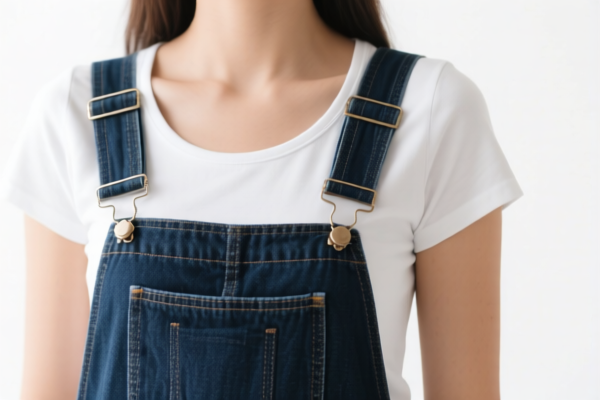
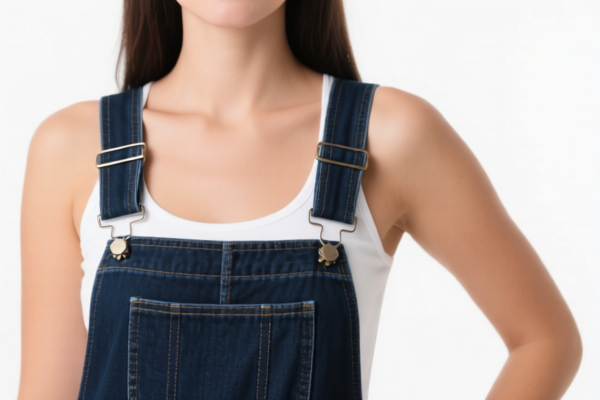


AI Analysis
👗 Women's or Girls' Suits, Ensembles, Jackets, Dresses, Skirts, Divided Skirts, Trousers, Bib and Brace Overalls, Breeches, and Shorts (Other Than Swimwear)
🌐 HS Code Reference & Customs Clearance Guide | 2026 Updated Tariff Analysis | Pro-Level Import Strategy
📌 One-Stop Product Classification & Duty Optimization for Apparel Exporters
📦 一、Product Definition & Classification: What Exactly Is This?
This category covers ready-to-wear women’s and girls’ clothing that is not swimwear, including:
- Suits & Ensembles (e.g., coordinated jacket + skirt/pants)
- Jackets & Coats (non-swim, non-outerwear for outdoor use)
- Dresses (all styles: casual, formal, evening)
- Skirts & Divided Skirts (e.g., pencil, A-line, wrap, pleated)
- Trousers, Bib & Brace Overalls, Breeches, Shorts (excluding swimwear)
⚠️ Critical Distinction:
- Swimwear (e.g., bikinis, swimsuits) → 6208.90.00
- Underwear / Nightwear → 6209.00.00 / 6210.00.00
- Clothing with special functions (e.g., protective gear, workwear) → May be classified under 6211.30.00 or 6211.40.00✅ Key Rule:
If the garment is worn as outerwear, not for swimming, and not underwear, it belongs in this category.
🧾 二、HS Code Classification Matrix (2026 Updated Tariff Authority)
| HS Code | Product Description | Typical Use Case | Fabric Type | Duty Status |
|---|---|---|---|---|
6203.11.00.00 |
Women’s or girls’ suits, ensembles, jackets, and blazers, made of wool or fine animal hair | Business wear, office suits, tailored outerwear | Wool, cashmere, silk blends | ✅ High duty |
6203.12.00.00 |
Women’s or girls’ suits, ensembles, jackets, and blazers, made of cotton | Casual workwear, school uniforms, lightweight suits | Cotton, cotton-poly blends | ✅ Moderate duty |
6203.13.00.00 |
Women’s or girls’ suits, ensembles, jackets, and blazers, made of man-made fibers | Fashion-forward, synthetic fabrics (e.g., polyester, rayon) | Polyester, viscose, nylon | ✅ Moderate duty |
6203.19.00.00 |
Other women’s or girls’ suits, ensembles, jackets, and blazers | Mixed fabrics, non-specific materials | Mixed or unknown | ✅ Standard duty |
6203.21.00.00 |
Women’s or girls’ dresses, made of wool or fine animal hair | Evening gowns, formal wear, luxury fashion | Wool, mohair, silk | ✅ High duty |
6203.22.00.00 |
Women’s or girls’ dresses, made of cotton | Casual dresses, summer wear, everyday fashion | Cotton, linen blends | ✅ Moderate duty |
6203.23.00.00 |
Women’s or girls’ dresses, made of man-made fibers | Fashion dresses, stretchy fabrics, party wear | Polyester, spandex, rayon | ✅ Moderate duty |
6203.29.00.00 |
Other women’s or girls’ dresses | Mixed fabrics, novelty materials | Unknown or blended | ✅ Standard duty |
6203.31.00.00 |
Women’s or girls’ skirts, divided skirts, made of wool or fine animal hair | High-end skirts, fashion runway, tailored wear | Wool, cashmere, silk | ✅ High duty |
6203.32.00.00 |
Women’s or girls’ skirts, divided skirts, made of cotton | Casual skirts, schoolwear, everyday wear | Cotton, cotton-linen | ✅ Moderate duty |
6203.33.00.00 |
Women’s or girls’ skirts, divided skirts, made of man-made fibers | Stretch skirts, bodycon, fashion wear | Polyester, spandex, viscose | ✅ Moderate duty |
6203.39.00.00 |
Other women’s or girls’ skirts, divided skirts | Mixed fabrics, non-standard materials | Blended or unknown | ✅ Standard duty |
6203.41.00.00 |
Women’s or girls’ trousers, bib and brace overalls, breeches, shorts (wool/fine hair) | Tailored pants, workwear, luxury fashion | Wool, cashmere, silk | ✅ High duty |
6203.42.00.00 |
Women’s or girls’ trousers, bib and brace overalls, breeches, shorts (cotton) | Denim, chinos, casual pants, shorts | Cotton, cotton-lycra | ✅ Moderate duty |
6203.43.00.00 |
Women’s or girls’ trousers, bib and brace overalls, breeches, shorts (man-made fibers) | Stretch pants, leggings, fashion shorts | Polyester, spandex, rayon | ✅ Moderate duty |
6203.49.00.00 |
Other women’s or girls’ trousers, etc. (mixed fabrics) | Unusual materials, blends, novelty items | Mixed or unknown | ✅ Standard duty |
🔍 Pro Tip:
- The fabric type is the primary determinant of HS Code; - "Made of" refers to the main material by weight, not embellishments; - "Other" codes (6203.19,6203.29, etc.) are for non-standard or mixed materials — use only when no better fit exists.
💰 三、2026 Latest Tariff Breakdown (With附加 Taxes & Policy Triggers)
✅ Target Market: United States (US)
✅ Origin: China (CN), Vietnam (VN), Bangladesh (BD), India (IN), Turkey (TR)
✅ Effective Date: January 1, 2026 (updated tariff schedule)
🎯 1. 6203.11.00.00 – Wool/Fine Hair Suits & Jackets
| Item | Detail |
|---|---|
| Base Tariff | 0% (ad valorem) |
| Section 301 Tariff (USITC) | +25% (China origin) |
| IEEPA Additional Duty | +10% (China/HK origin, per IEEPA) |
| Total Effective Duty | 35% |
| Calculation Basis | CIF Value × 35% |
| De Minimis Threshold | ❌ Not eligible (deny_de_minimis) |
| Legal Path | IEEPA:9903.01.25 → USITC:6203.11.00.00 → FOOTNOTE:9903.88.01 |
📌 Explanation:
- 35% applies only to China-origin goods; - No de minimis means even small shipments face full duty; - Wool/fine hair = high-value fabric → higher scrutiny.
🎯 2. 6203.22.00.00 – Cotton Dresses
| Item | Detail |
|---|---|
| Base Tariff | 0% |
| Section 301 Tariff | +25% (China origin) |
| IEEPA Additional Duty | +10% (China/HK) |
| Total Duty | 35% |
| Calculation | CIF × 35% |
| De Minimis | ❌ Not allowed |
| Legal Path | IEEPA:9901.25 → USITC:6203.22.00.00 → FOOTNOTE:9903.88.01 |
📌 Note:
- Cotton dresses from Vietnam, Bangladesh, India may qualify for 0% duty under UFLPA exemption or ASEAN trade agreements; - China-origin = 35% — extremely high.
🎯 3. 6203.43.00.00 – Man-Made Fiber Trousers & Shorts
| Item | Detail |
|---|---|
| Base Tariff | 0% |
| Section 301 Tariff | +25% (China origin) |
| IEEPA Additional Duty | +10% (China/HK) |
| Total Duty | 35% |
| Calculation | CIF × 35% |
| De Minimis | ❌ Not applicable |
| Legal Path | IEEPA:9903.01.25 → USITC:6203.43.00.00 → FOOTNOTE:9903.88.01 |
📌 Insight:
- Stretch fabrics (e.g., spandex, elastane) are treated the same as pure man-made fibers; - Even if 90% cotton, if 10% spandex, it falls under6203.43.00.00.
🛠️ 四、Customs Clearance Best Practices (Pro Tips to Avoid Delays)
✅ 1. Must-Have Documentation (No Exceptions)
| Document | Required? | Why It Matters |
|---|---|---|
| ✅ Commercial Invoice | ✔️ | Must specify fabric composition, HS Code, origin, model number |
| ✅ Packing List | ✔️ | Show item count, weight, dimensions |
| ✅ Certificate of Origin (CO) | ✔️ | Critical for duty eligibility; use Form A (ASEAN), USMCA, or China’s Certificate |
| ✅ Product Photos (front/back/side) | ✔️ | Show fabric type, seams, labels, zippers |
| ✅ Fabric Composition Certificate | ✔️ | Prove cotton vs. man-made fiber — avoids misclassification |
| ✅ Pre-shipment Inspection Report (if required) | ✔️ | Especially for China-origin goods |
| ✅ Textile Labeling (e.g., care label) | ✔️ | Must match declared fabric |
✅ 2.申报技巧(Key Rules to Remember)
🔥 "Fabric First, Style Second — Misclassify Once, Pay Twice!"
| Scenario | Correct HS Code | Wrong Approach |
|---|---|---|
| Cotton dress (60% cotton, 40% polyester) | 6203.22.00.00 |
6203.23.00.00 → higher duty |
| Wool-blend suit (70% wool) | 6203.11.00.00 |
6203.19.00.00 → risk of audit |
| Polyester leggings (with spandex) | 6203.43.00.00 |
6203.49.00.00 → lower duty but risk of penalty |
| Divided skirt (cotton, no stretch) | 6203.32.00.00 |
6203.33.00.00 → higher duty |
✅ Best Practice:
Always declare fabric composition by weight, not by appearance.
✅ 3. Special Cases & Solutions
| Situation | Recommended Action |
|---|---|
| Garment with mixed fabric (e.g., cotton + spandex) | Use 6203.43.00.00 if >10% man-made fibers |
| Garment labeled “cotton” but has 15% polyester | Declare as man-made fiber — do not mislead |
| Vintage or handmade dress | Apply for NOM (Non-Standard Origin) or pre-ruling |
| Garment with imported fabric | Prove origin of fabric — if from China, may trigger 35% duty |
| Children’s wear (under 12 years) | Same HS Code applies — no age exemption |
🌍 五、Global Market Duty Comparison (2026)
| Country | Recommended HS Code | Base Duty | Additional Taxes | Certification Required | Notes |
|---|---|---|---|---|---|
| 🇺🇸 USA | 6203.11–6203.49 |
0% | +35% (China origin) | FCC? No — no electronic component | Highest risk |
| 🇨🇳 China | 6203.11–6203.49 |
5% | ❌ None | CCC (if applicable) | No additional tariffs |
| 🇪🇺 EU | 6203.11–6203.49 |
0% | ❌ None | CE, REACH, RoHS | No 301/IEEPA |
| 🇦🇺 Australia | 6203.11–6203.49 |
5% | ❌ None | RCM | No extra fees |
| 🇯🇵 Japan | 6203.11–6203.49 |
0% | ❌ None | PSE | No extra duty |
📌 Key Insight:
- Only the US imposes 35% extra duty on China-origin apparel; - Vietnam, Bangladesh, India, Turkey can avoid the 35% via certified origin; - Switching production to Vietnam or Bangladesh can save 35% in duty.
🚫 六、Common Mistakes & Real-World Pitfalls (Avoid These!)
❌ Mistake 1: Declaring a polyester-spandex dress as cotton
👉 Result: Duty undercharged → back duty + penalties + audit risk
❌ Mistake 2: Using 6203.19.00.00 for a wool suit
👉 Result: Misclassification → 35% duty applied, no appeal path
❌ Mistake 3: Not providing fabric composition in invoice
👉 Result: Customs delays → hold at port, demurrage fees
❌ Mistake 4: Shipment from China with Vietnam-origin fabric
👉 Result: Still subject to 35% duty — origin of fabric doesn’t matter if final product made in China
✅ Correct Declaration Example:
"Women’s Cotton-Polyester Blend Dress, 60% Cotton, 40% Polyester, Model XYZ, Made in Vietnam, CO issued under ASEAN Agreement, Fabric Composition Certificate Attached"
🎯 七、Final Verdict: Master the Code, Master the Cost!
🎯 Remember the Golden Rule:
🔹 "Fabric First, Label Second, Origin Last — One Mistake, 35% Tax!"
🔹 "China-Origin = 35% Duty — Unless You Move Production!"
🔹 "Vietnam/BD/IN/Turkey = 0% Extra — But Prove It!"
📌 Pro Tip:
✅ Apply for an Advance Ruling (Pre-Approval) before shipping to lock in HS Code & duty rate;
✅ Use a customs broker with apparel expertise — they know the fabric weight thresholds and USITC triggers.
📣 Act Now!
📞 Contact a certified customs broker + Submit product photos + fabric certs
🚀 Reduce your duty by 35% — just by changing origin or classification!
✨ Precision in Classification = Profit in Profitability!
💼 Your next shipment starts with the right HS Code.
Customer Reviews
About HS Code Classification
The Harmonized System (HS) is an internationally standardized nomenclature developed by the World Customs Organization (WCO) to classify traded products. Over 200 countries use the HS system as the basis for customs tariffs, trade statistics, and import/export regulations.
Each HS code follows a hierarchical structure:
- Chapter (2 digits) — Broad category of goods (e.g., Chapter 84: Machinery and Mechanical Appliances)
- Heading (4 digits) — More specific grouping within the chapter
- Subheading (6 digits) — Internationally standardized breakdown, used by all WCO member countries
- National subdivisions (8-10 digits) — Country-specific extensions for further classification, such as US HTSUS 10-digit codes
Correct HS code classification is essential for smooth customs clearance, accurate duty payment, and compliance with trade regulations. Misclassification can lead to customs delays, overpayment of duties, or penalties.
When importing from CN to US, the applicable tariff rates may include:
- Most-Favored-Nation (MFN) rate — The standard duty rate applied to WTO members
- General rate — Applied to countries without trade agreements
- Trade remedy duties — Additional tariffs such as Section 301 (anti-dumping), Section 232 (national security), or countervailing duties
The information provided on this page is for reference purposes only. For official classification, please consult with your local customs authority or a licensed customs broker.