women's skirts
CN → US| HS Code | Tariff Rate | Origin | Destination | Doc |
|---|---|---|---|---|
| 6104520010 | 18.3% | CN | US | Official Doc |
| 6204522070 | 25.7% | CN | US | Official Doc |
| 6204522070 | 25.7% | CN | US | Official Doc |
| 6114200010 | 20.8% | CN | US | Official Doc |
| 6114301020 | 45.7% | CN | US | Official Doc |
Product Images
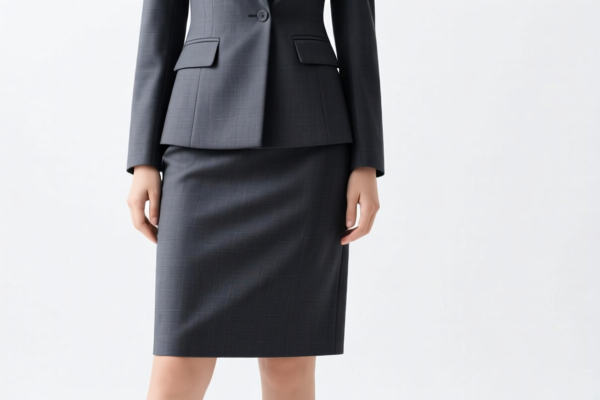
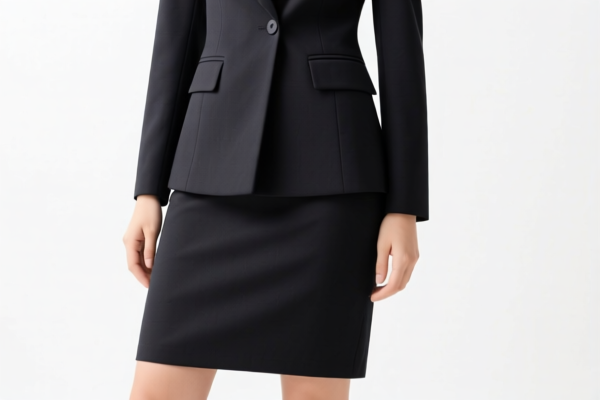
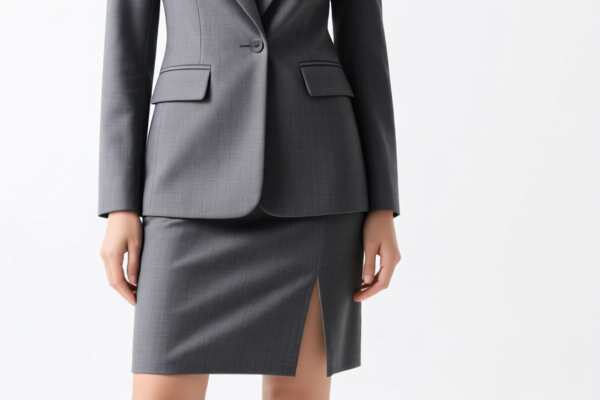

AI Analysis
🖥️ Women's Skirts (Garments for Women or Girls)
🌐 HS Code Reference & Customs Clearance Guide | 2026 Latest Tariff Analysis | Professional Clearance Strategy 📌 I. Product Definition & Classification: Are You Identifying the Right Fabric?
Women's skirts are a fundamental category in the apparel industry. However, in international trade, classification depends heavily on two critical factors: 1. Knitted vs. Woven: Is the fabric knitted (elastic, looped) or woven (structured, non-stretch)? 2. Material Composition: Is it made of cotton, synthetic fibers, or other materials?
⚠️ Key Distinction Point: - Knitted Skirts → Usually fall under Chapter 61. - Woven Skirts → Usually fall under Chapter 62.
Misclassifying a woven skirt as knitted (or vice versa) can lead to significant duty discrepancies and customs delays.
📦 II. HS Code Classification Details (2026 Latest Tariff Authority Cross-Reference)
Based on the provided <DATA>, here are the specific HS Codes and their corresponding rationales:
| HS Code | Product Description | Application Scenario | Inferred Material | Total Tax |
|---|---|---|---|---|
6104.52.00.10 |
Women's Skirt, Knitted | Casual wear, elastic fabrics | Cotton (Inferred) | 18.3% |
6204.52.20.70 |
Women's Skirt, Woven | Structured skirts, office wear | Cotton (Inferred) | 25.7% |
6204.52.20.70 |
Women's Short Skirt, Woven | Mini-skirts, trendy fashion | Cotton/Polyester (Common Fabrics) | 25.7% |
6114.20.00.10 |
Women's T-Shirt, Knitted | Note: Listed in data as comparative/apparel | Cotton (Inferred) | 20.8% |
6114.30.10.20 |
Women's T-Shirt, Knitted | Note: Listed in data as comparative/apparel | Artificial Fiber (Synthetic) | 45.7% |
🔍 Important Note on Data Content: - The input data explicitly lists two types of skirts: Knitted (
6104...) and Woven (6204...). - It also includes Women's T-Shirts (6114...). While the user asked for "skirts," the analysis below focuses on the skirt HS codes (6104and6204) as primary, but acknowledges the T-shirt rates as they appear in the source data for context on fabric-based duty differences.
💰 III. 2026 Latest Tariff Rate Breakdown (Including Surcharges & Policy Add-ons)
✅ Applicable Country: United States (US) ✅ Origin: China (CN) ✅ Effective Time: Includes surcharges based on Section 122 and Section 301
🎯 1. 6104.52.00.10 —— Women's Knitted Cotton Skirt
| Item | Content |
|---|---|
| Base Tariff | 8.3% |
| Section 301 Surcharge | 0.0% |
| Section 122 Tariff | 10% |
| Total Tax Rate | 18.3% |
| Tax Calculation | CIF Value × 18.3% |
| De Minimis Eligibility | ❌ No (Subject to strict scrutiny for apparel) |
| Legal Basis Path | Section 122:10% → USITC:6104.52.00.10 → Base Tariff:8.3% |
📌 Explanation: - This code applies to knitted skirts made of cotton. - Lower Total Tax (18.3%): Unlike many Chinese textiles, this specific knitted cotton skirt classification does not attract the standard 7.5% Section 301 surcharge in this data snapshot, only the Section 122 tariff. - Section 122 Tariff (10%): Imposed under the International Emergency Economic Powers Act (IEEPA) for specific categories of goods from China.
🎯 2. 6204.52.20.70 —— Women's Woven Cotton/Polyester Skirt
| Item | Content |
|---|---|
| Base Tariff | 8.2% |
| Section 301 Surcharge | 7.5% |
| Section 122 Tariff | 10% |
| Total Tax Rate | 25.7% |
| Tax Calculation | CIF Value × 25.7% |
| De Minimis Eligibility | ❌ No |
| Legal Basis Path | Section 122:10% → Section 301:7.5% → USITC:6204.52.20.70 → Base Tariff:8.2% |
📌 Explanation: - This code applies to woven skirts (e.g., cotton or cotton-polyester blends). - Higher Total Tax (25.7%): Woven garments from China are subject to both the 7.5% Section 301 tariff AND the 10% Section 122 tariff. - Key Difference: The 7.5% surcharge significantly increases the cost compared to the knitted counterpart in this dataset.
🎯 3. 6114.30.10.20 —— Women's Knitted Artificial Fiber Top (Reference)
⚠️ Note: While the user asked for skirts, this HS Code appears in the data. It is included for comparative analysis of material impact.
Item Content Base Tariff 28.2% Section 301 Surcharge 7.5% Section 122 Tariff 10% Total Tax Rate 45.7% Legal Basis Path Section 122:10%→Section 301:7.5%→USITC:6114.30.10.20→Base Tariff:28.2%📌 Lesson: - Artificial Fibers (Synthetics) often have higher base tariffs (28.2%) than cotton (8-10%). - Combined with Section 301 and 122, the total duty skyrockets to 45.7%. - Strategy: Avoid synthetic blends if cost is a major concern; opt for cotton where possible.
🛠️ IV. Customs Clearance Practical Advice (Battle-Tested Pitfall Guide)
✅ 1. Documentation Checklist (Non-Negotiable)
| Document | Required? | Explanation |
|---|---|---|
| ✅ Product Description | ✔️ | Must specify: "Women's Skirt," "Knitted" or "Woven," and "Cotton" or "Polyester." |
| ✅ Fabric Composition Label | ✔️ | Exact percentage (e.g., 100% Cotton, 95% Cotton/5% Spandex). |
| ✅ HS Code Justification | ✔️ | Explain why it is knitted vs. woven (e.g., provide fabric sample or weave diagram). |
| ✅ Commercial Invoice | ✔️ | Must match the packing list and bill of lading. |
| ✅ Origin Certificate | ✔️ | If claiming any preferential treatment (though limited for China in this context). |
| ✅ Section 122/301 Compliance | ✔️ | Ensure no prohibited entities are involved. |
✅ 2. Declaration Tips (Key Mantra)
🔥 "Knit vs. Woven is King, Cotton is Cheaper, Synthetics Bring the Pain!"
| Scenario | Correct Declaration | Incorrect Practice | Consequence |
|---|---|---|---|
| Cotton Skirt (Knitted) | HS 6104.52.00.10 Duty: 18.3% |
Misclassify as Woven (6204...) |
Overpay by 7.5% (Section 301) |
| Cotton Skirt (Woven) | HS 6204.52.20.70 Duty: 25.7% |
Misclassify as Knitted (6104...) |
Underpay → Audit & Penalty |
| Polyester Blend Skirt | HS 6204.59.xxxx (if not cotton) |
Declare as 100% Cotton | Severe Penalty for misdeclaration |
| Synthetic Skirt | HS 6104.53/6204.53 (if synthetic) |
Declare as Cotton | Base duty jumps to ~28-30% + 17.5% surcharge |
✅ 3. Special Cases Handling
| Situation | Handling Advice |
|---|---|
| Blended Fabrics | Declare by majority weight. If 60% Cotton, 40% Polyester → Classify under Cotton rules (6204.52), but check if "Polyester" triggers higher base duties in specific sub-codes. |
| Skirts with Elastic Waists | Still classified as skirts. Do not declare as "underwear" or "activewear." |
| Sample vs. Commercial | Even samples are subject to duties if value exceeds de minimis. Ensure accurate value declaration. |
| Section 122 Exemptions | Check if your supplier qualifies for any exclusions (rare for apparel, but verify). |
🌍 V. Global Market Comparison (2026 Latest)
| Country/Region | Recommended HS Code | Estimated Duty (China Origin) | Certification Requirements | Notes |
|---|---|---|---|---|
| 🇺🇸 USA | 6104.52.00.10 (Knit) 6204.52.20.70 (Woven) |
18.3% (Knit/Cotton) 25.7% (Woven/Cotton) |
No specific cert for apparel, but FDA/Textile laws apply | High Surcharges: Section 301 + Section 122 |
| 🇪🇺 EU | 6104.53 / 6204.53 | 0-12% (depending on FTA) | CE marking not required, but REACH compliance is | No Section 122/301 |
| 🇨🇳 China | 6104.52 / 6204.52 | 5-10% (Import Duty) | CCC not required | No surcharges |
| 🇬🇧 UK | 6104.53 / 6204.53 | 0-12% | UKCA marking if applicable | Post-Brexit rules |
📌 Conclusion: - USA is the most expensive market for Chinese apparel due to Section 301 + Section 122. - Cotton Knits (
6104.52) offer a 7.5% advantage over woven equivalents in this data set. - Synthetics are the most expensive due to higher base duties.
📌 VI. Common Mistakes & Pitfall Guide (Blood-Stained Lessons)
❌ Mistake 1: Declaring a Woven Skirt as Knitted to save 7.5% 👉 Consequence: Customs audit, back-taxes, fines, and potential loss of importer security bond.
❌ Mistake 2: Ignoring Section 122 (10%) 👉 Consequence: Under-paying duties by 10% on every shipment. This applies to all Chinese apparel in this dataset.
❌ Mistake 3: Misidentifying Material (Cotton vs. Synthetic) 👉 Consequence: Synthetic skirts have ~28-30% base duty vs. ~8% for cotton. A 20%+ difference!
❌ Mistake 4: Using "Women's Clothing" as a generic description 👉 Consequence: Customs will request detailed breakdown. Delays, storage fees, and potential refusal of entry.
✅ Correct Practice:
"Women's Skirt, Knitted, 100% Cotton, Casual Style, Model #123, Made in China"
🎯 VII. Conclusion: Precision in Classification Saves Money!
🎯 Remember the Mantra:
🔹 "Knit vs. Woven determines the Chapter, Cotton vs. Synthetic determines the Base Rate, Section 122/301 determines the Surcharge!" 🔹 "Cotton Knit is King (18.3%), Woven Cotton is Prince (25.7%), Synthetic is Poor (45.7%+)."
📌 Pro Tip:
- If your product is 100% Cotton Knit, fight for 6104.52.00.10 to save 7.5%.
- If your product is Synthetic, explore Third-Country Transshipment (e.g., Vietnam, Mexico) to avoid Section 301/122 surcharges (subject to strict rules of origin).
- Always pre-clear with a licensed customs broker to confirm the latest Section 122 exclusions.
📣 Take Action Now:
📞 Contact a Customs Broker + Provide Fabric Swatch + Get HS Code Ruling 🚀 Ensure your skirts pass customs smoothly, avoid penalties, and maximize profit!
✨ Professional Customs Clearance Starts with Accurate Classification! 💼 Your Every Cent Counts!
Customer Reviews
About HS Code Classification
The Harmonized System (HS) is an internationally standardized nomenclature developed by the World Customs Organization (WCO) to classify traded products. Over 200 countries use the HS system as the basis for customs tariffs, trade statistics, and import/export regulations.
Each HS code follows a hierarchical structure:
- Chapter (2 digits) — Broad category of goods (e.g., Chapter 84: Machinery and Mechanical Appliances)
- Heading (4 digits) — More specific grouping within the chapter
- Subheading (6 digits) — Internationally standardized breakdown, used by all WCO member countries
- National subdivisions (8-10 digits) — Country-specific extensions for further classification, such as US HTSUS 10-digit codes
Correct HS code classification is essential for smooth customs clearance, accurate duty payment, and compliance with trade regulations. Misclassification can lead to customs delays, overpayment of duties, or penalties.
When importing from CN to US, the applicable tariff rates may include:
- Most-Favored-Nation (MFN) rate — The standard duty rate applied to WTO members
- General rate — Applied to countries without trade agreements
- Trade remedy duties — Additional tariffs such as Section 301 (anti-dumping), Section 232 (national security), or countervailing duties
The information provided on this page is for reference purposes only. For official classification, please consult with your local customs authority or a licensed customs broker.