全脸帽
CN → US| HS Code | Tariff Rate | Origin | Destination | Doc |
|---|---|---|---|---|
| 6504009045 | 41.8% | CN | US | Official Doc |
| 6504009075 | 41.8% | CN | US | Official Doc |
| 6506103030 | 10.0% | CN | US | Official Doc |
| 6506103075 | 17.5% | CN | US | Official Doc |
Product Images
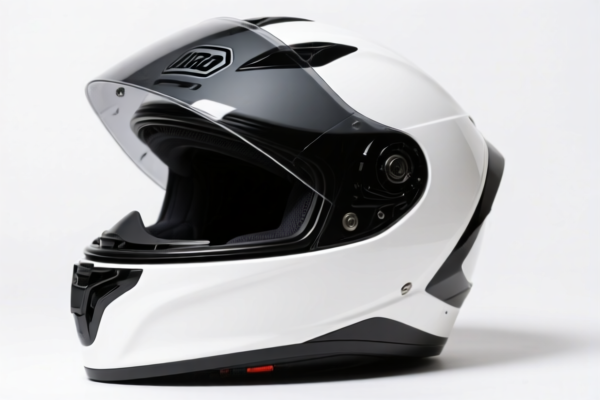
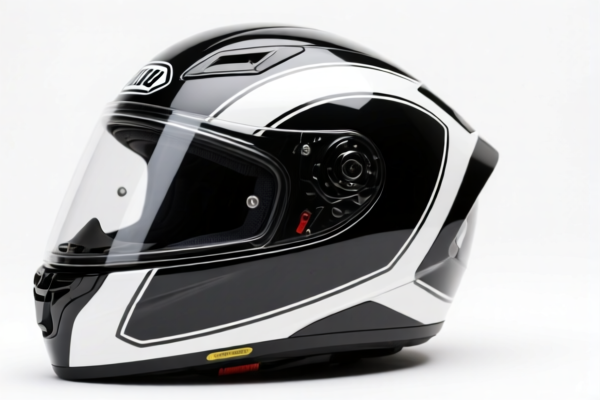
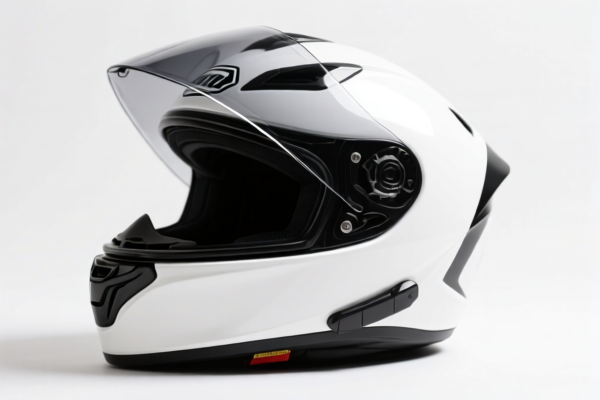
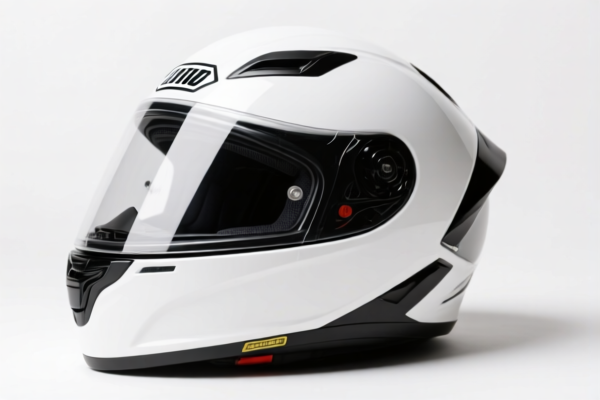
AI Analysis
🎩 Full-Face Hats & Safety Headgear (全脸帽/全脸头饰)
🌐 HS Code Reference & Customs Clearance Guide | 2026 Latest Tariff Analysis | Professional Strategy for Compliance
📌 1. Product Definition & Classification: What is a "Full-Face Hat"?
In international trade, "Full-Face Hat" is not a single standardized term but a descriptive phrase that can apply to several distinct categories of headgear, ranging from safety equipment to textile fashion accessories. The critical factor for classification lies in the material, construction method, and primary function (safety vs. decoration).
Two Main Categories: 1. Safety Headgear: Designed for industrial protection (e.g., hard hats with face shields, reinforced plastic helmets). These are strictly regulated and often attract higher tariffs. 2. Textile/Plaited Headgear: Made from woven strips, knitted fabric, or assembled textile materials (e.g., wide-brimmed sun hats with neck flaps, balaclavas, or decorative full-coverage caps). These generally have lower tariffs.
⚠️ Key Distinction:
- If it is made of reinforced/laminated plastic for safety →归入 6506.10.xxxx (Safety Headgear).
- If it is plaited/woven (made by assembling strips) → 归入 6504.00.xxxx.
- If it is knitted/crocheted or made of textile fabric → 归入 6505.00.xxxx.
📦 2. HS Code Classification Details (2026 Latest Tariff Authority)
Based on the provided data, here are the specific HS Codes applicable to "Full-Face Hats" depending on their material and construction:
| HS Code | Product Description | Applicable Scenario | Material/Construction |
|---|---|---|---|
6506.10.30.75 |
Safety headgear: Of reinforced or laminated plastics; Other | Industrial safety helmets with face shields; Reinforced plastic full-coverage helmets | ✅ Plastic (Reinforced/Laminated) |
6506.10.60.75 |
Safety headgear: Other; Other: Other | General safety headgear not made of reinforced plastic (e.g., fiberglass, other materials) | ✅ Non-plastic Safety Material |
6504.00.90.45 |
Hats/plaited headgear: Other; Sewed; Other | Woven straw hats, palm leaf hats, or woven fabric hats with full-face coverage, sewn together | ✅ Plaited/Woven + Sewed |
6504.00.90.75 |
Hats/plaited headgear: Other; Not sewed; Other | Woven hats assembled by twisting or binding strips, not sewed | ✅ Plaited/Woven + Not Sewed |
6505.00.80.90 |
Hats/knitted or crocheted: Other: Of man-made fibers; Other | Knitted balaclavas, crochet full-coverage caps made from synthetic fibers (e.g., polyester, nylon) | ✅ Knitted/Crocheted + Synthetic |
6505.00.90.89 |
Hats/knitted or crocheted: Other: Other; Other | Knitted headgear made from natural fibers (e.g., wool, cotton) or other unspecified textile materials | ✅ Knitted/Crocheted + Natural/Other |
🔍 Critical Reminder:
- Safety Headgear (6506) is subject to additional duties if imported into the US from China.
- Textile/Plaited Headgear (6504,6505) generally has 0% additional tariff, making it significantly cheaper to clear.
- Do not confuse "Safety Headgear" with "Fashion Hats". If a plastic hat is for fashion (not safety), it may not fall under6506.10. However, the provided data specifically lists6506.10for safety items.
💰 3. 2026 Latest Tariff Rate Breakdown (Including Additional Duties)
✅ Applicable Country: United States (US)
✅ Origin: China (CN)
✅ Effective Date: 2025-11-10 onwards
🎯 1. Safety Headgear (6506.10.30.75 & 6506.10.60.75)
| Item | Content |
|---|---|
| Base Tariff | 0% (ad valorem) |
| Additional Tariff | +7.5% |
| Total Tariff Rate | 7.5% |
| Tax Calculation | CIF Value × 7.5% |
| De Minimis Exemption | ❌ Not Applicable (High-value industrial goods usually excluded) |
| Legal Basis | Specific tariff schedule for "Other headgear... Safety headgear" |
📌 Explanation:
- Although the base tariff is 0%, the 7.5% additional duty is explicitly listed in the data.
- This category includes reinforced plastic safety helmets with full-face coverage.
- Cost Impact: 7.5% is moderate compared to other product categories, but compliance with safety standards (ANSI/ISEA) is mandatory for customs clearance.
🎯 2. Plaited/Woven Headgear (6504.00.90.45 & 6504.00.90.75)
| Item | Content |
|---|---|
| Base Tariff | 0% |
| Additional Tariff | 0.0% |
| Total Tariff Rate | 0.0% |
| Tax Calculation | No duty payable |
| De Minimis Exemption | ✅ Potentially Applicable (If value is under $800 for personal use, though commercial imports are taxed) |
📌 Explanation:
- Zero Duty! This is the most cost-effective classification for "Full-Face Hats" made of woven materials (straw, palm, woven fabric).
- Condition: The hat must be plaited or made by assembling strips of material.
- Sewed vs. Not Sewed:6504.00.90.45is for sewed items;6504.00.90.75is for non-sewed items. Both have 0% tariff.
🎯 3. Knitted/Crocheted Headgear (6505.00.80.90 & 6505.00.90.89)
| Item | Content |
|---|---|
| Base Tariff | 0% |
| Additional Tariff | 0.0% |
| Total Tariff Rate | 0.0% |
| Tax Calculation | No duty payable |
| De Minimis Exemption | ✅ Potentially Applicable |
📌 Explanation:
- Zero Duty! For knitted or crocheted full-face hats (e.g., balaclavas, winter headgear with face coverage).
- Material Distinction:
-6505.00.80.90: Man-made fibers (synthetic).
-6505.00.90.89: Other (e.g., wool, cotton, blends).
- Both are exempt from additional duties.
🛠️ 4. Customs Clearance Practical Advice (Avoid Pitfalls)
✅ 1. Prepare the Following Documents (Essential)
| Document | Required | Explanation |
|---|---|---|
| ✅ Product Specification Sheet | ✔️ | Must detail material (plastic vs. textile), construction (plaited vs. knitted), and intended use (safety vs. fashion). |
| ✅ Material Composition Certificate | ✔️ | Crucial for distinguishing between 6505 (knitted) and 6504 (plaited). |
| ✅ Safety Certification (if applicable) | ✔️ | If claiming 6506.10 (Safety Headgear), provide ANSI/ISEA, CE, or OSHA compliance docs. |
| ✅ Commercial Invoice | ✔️ | Clearly state: "Plaited Straw Hat, Full-Coverage" or "Knitted Balaclava," NOT just "Hat." |
| ✅ Photos (Front/Side/Interior) | ✔️ | Show stitching, weaving pattern, or plastic reinforcement to justify HS Code. |
✅ 2. Classification Tips (Key Mnemonics)
🔥 "Safety Plastic? 7.5%. Weave or Knit? 0%! Don't Mix!"
| Scenario | Correct HS Code | Tariff | Risk if Misclassified |
|---|---|---|---|
| Reinforced Plastic Safety Helmet with face shield | 6506.10.30.75 |
7.5% | If wrongly classified as textile, face safety inspection failure. |
| Woven Straw Hat with neck flap (Sewed) | 6504.00.90.45 |
0% | No risk, but ensure it's not "plaited" incorrectly. |
| Woven Palm Leaf Hat (Not Sewed) | 6504.00.90.75 |
0% | Ensure construction is truly "not sewed." |
| Knitted Synthetic Balaclava | 6505.00.80.90 |
0% | Confirm material is man-made fiber. |
| Knitted Wool Hat | 6505.00.90.89 |
0% | Confirm material is not synthetic. |
✅ 3. Special Cases & Handling
| Case | Handling Advice |
|---|---|
| OEM Fashion Hats | Clearly state "For Fashion/Wear Only, NOT Safety Headgear" to avoid unnecessary safety documentation. |
| Hybrid Materials | If a hat has a plastic visor and textile body, the principal character determines classification. Usually, if it's a "hat," textiles dominate → 6505 or 6504. |
| Packaging | If sold as a "Kit" (Hat + Face Shield), declare as one unit. If the face shield is a separate accessory, it may be classified differently. |
| Origin Marking | Ensure "Made in China" is marked on the product or packaging to avoid penalties. |
🌍 5. Global Market Comparison (2026 Latest)
| Country/Region | Recommended HS Code | Tariff (China Origin) | Certification Required | Notes |
|---|---|---|---|---|
| 🇺🇸 USA | 6506.10.30.75 (Safety) |
7.5% | ANSI/ISEA, OSHA | High compliance requirement for safety goods. |
| 🇺🇸 USA | 6504.00 / 6505.00 (Textile) |
0.0% | None specific | Low cost, easy clearance. |
| 🇪🇺 EU | Varies by material | 0% - 5% | CE Marking (if safety) | No additional "Section 301" style duties. |
| 🇨🇳 China | Same as USA | 0% - 10% | CCC (if safety) | Import duties may apply depending on trade agreements. |
📌 Conclusion:
- Safety Headgear (6506) is the only category in this data set with a 7.5% additional tariff.
- Textile/Plaited Headgear (6504,6505) is duty-free (0%), offering significant cost savings.
- Recommendation: If your "Full-Face Hat" is not for industrial safety, do not classify it under6506.10. Use6504or6505to save 7.5%.
📌 6. Common Errors & Pitfalls (Lessons Learned)
❌ Error 1: Classifying a fashion woven hat as Safety Headgear (6506)
👉 Consequence: Unnecessary 7.5% tariff + delay in customs for safety certification.
❌ Error 2: Classifying a plastic safety helmet as Plaited Headgear (6504)
👉 Consequence: 0% tariff applied incorrectly → Customs audit, fines, and back taxes (7.5%) + penalty.
❌ Error 3: Using vague description "Hat" on Invoice
👉 Consequence: Customs officer may classify based on worst-case scenario (Safety) → Higher tariff.
❌ Error 4: Confusing "Knitted" (6505) with "Plaited" (6504)
👉 Consequence: Both are 0% in this data, but incorrect classification can lead to statistical errors or inspection requests. Ensure material description matches (Knitted = Loop structure; Plaited = Woven strips).
✅ Correct Approach:
"Woven Palm Straw Hat, Full-Coverage, Sewed, For Outdoor Fashion Use" →
6504.00.90.45(0%)
"Reinforced Plastic Safety Helmet with Full Face Shield, ANSI Compliant" →6506.10.30.75(7.5%)
🎯 7. Conclusion: Smart Classification, Cost Savings!
🎯 Remember the Mantra:
🔹 "Safety Plastic? Pay 7.5%. Weave or Knit? Pay 0%! Be Specific, Save Money!"
🔹 "HS Code is King. Wrong Code = Extra Cost + Delay."
📌 Pro Tip:
- If you are exporting fashion hats (e.g., sun hats with neck flaps) to the US, ensure they are clearly not safety equipment. Use descriptions like "Fashion Hat," "Woven Hat," or "Knitted Headwear" to qualify for 0% tariff.
- For industrial safety helmets, invest in proper safety certifications (ANSI/ISEA) to ensure smooth clearance despite the 7.5% duty.
📣 Call to Action:
📞 Contact a customs broker early! Provide photos and material specs.
🚀 Optimize your supply chain by choosing the right HS Code.
✨ Professional Clearance Starts with Accurate Classification!
💼 Every Percent Saved is Pure Profit!
Customer Reviews
About HS Code Classification
The Harmonized System (HS) is an internationally standardized nomenclature developed by the World Customs Organization (WCO) to classify traded products. Over 200 countries use the HS system as the basis for customs tariffs, trade statistics, and import/export regulations.
Each HS code follows a hierarchical structure:
- Chapter (2 digits) — Broad category of goods (e.g., Chapter 84: Machinery and Mechanical Appliances)
- Heading (4 digits) — More specific grouping within the chapter
- Subheading (6 digits) — Internationally standardized breakdown, used by all WCO member countries
- National subdivisions (8-10 digits) — Country-specific extensions for further classification, such as US HTSUS 10-digit codes
Correct HS code classification is essential for smooth customs clearance, accurate duty payment, and compliance with trade regulations. Misclassification can lead to customs delays, overpayment of duties, or penalties.
When importing from CN to US, the applicable tariff rates may include:
- Most-Favored-Nation (MFN) rate — The standard duty rate applied to WTO members
- General rate — Applied to countries without trade agreements
- Trade remedy duties — Additional tariffs such as Section 301 (anti-dumping), Section 232 (national security), or countervailing duties
The information provided on this page is for reference purposes only. For official classification, please consult with your local customs authority or a licensed customs broker.