Plastic Roller Blinds
CN → US| HS Code | Tariff Rate | Origin | Destination | Doc |
|---|---|---|---|---|
| 5903902500 | 42.5% | CN | US | Official Doc |
| 5903102500 | 42.5% | CN | US | Official Doc |
| 3926909989 | 22.8% | CN | US | Official Doc |
| 6304930000 | 22.8% | CN | US | Official Doc |
| 3926905900 | 37.4% | CN | US | Official Doc |
Product Images

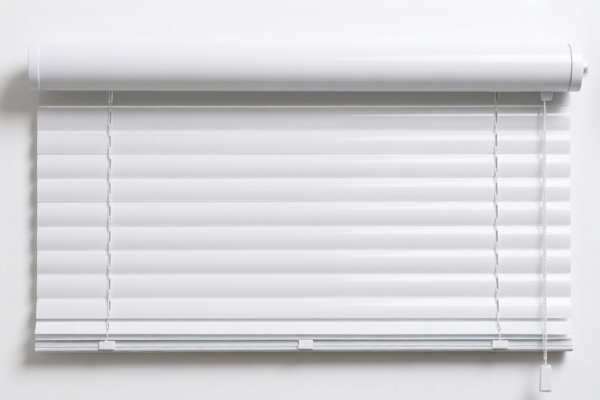
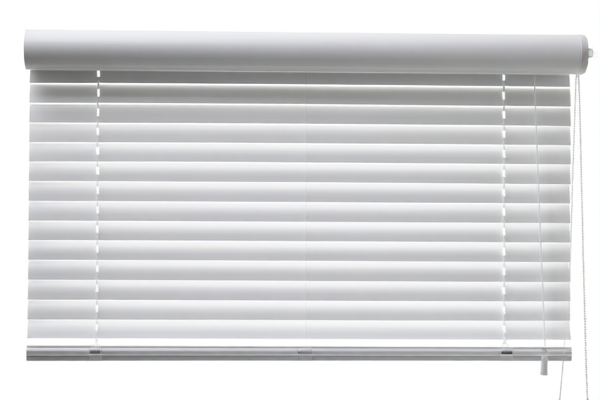
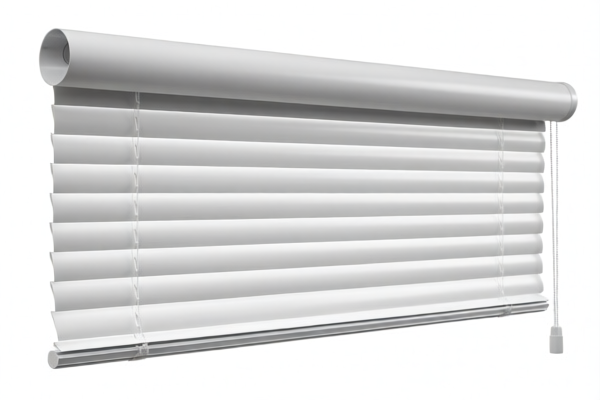
AI Analysis
🪟 Plastic Roller Blinds & Honeycomb Shades: The Ultimate Import Compliance Guide (US Market)
🌐 HS Code Reference & Customs Clearance Strategy | 2026 Latest Tariff Analysis | Professional Clearance Protocols
📌 I. Product Definition & Classification: Do You Really Know "Plastic Roller Blinds"?
Plastic Roller Blinds and Honeycomb Shades are critical components in architectural shading systems, used in offices, residential homes, and commercial spaces. In international trade, their classification depends heavily on material composition, manufacturing process, and final form.
Two Main Categories:
1. Textile-like Fabric (Chapter 59): If the plastic material (e.g., PVC) is impregnated, coated, or covered on a textile base, it is classified as a "textile fabric."
2. Plastic Articles (Chapter 39/63): If it is a solid plastic sheet, molded item, or synthetic fiber product without a textile base, it falls under plastic articles or other household goods.
⚠️ Key Distinction Point:
- If the core structure is textile + plastic coating →归入 5903.xx.xx (Textile-based);
- If the core structure is solid plastic sheet/molded → 归入 3926.xx.xx (Plastic articles);
- If it is a finished household accessory (e.g., curtain-like but not textile) → 归入 6304.xx.xx (Other furnishing articles).
📦 II. HS Code Classification Details (2026 Latest Tariff Authority Comparison)
| HS Code | Product Description | Applicable Scenario | Material/Structure Type |
|---|---|---|---|
5903.90.25.00 |
Plastic Roller Honeycomb Blinds: Form is roller blind, material is plastic, classified under specific functional fabrics in Chapter 59 (excluding 5902). | Honeycomb structures with plastic coating on non-textile base | ✅ Plastic-coated functional fabric |
5903.10.25.00 |
Plastic Roller Honeycomb Blinds: Material is Polyvinyl Chloride (PVC), formed into textile-like shape via impregnation, coating, or lamination. | PVC-based shading with textile-like finish | ✅ PVC-coated textile-like fabric |
3926.90.99.89 |
Plastic Roller Honeycomb Blinds: Material is plastic, form is "curtain/blind," classified as "other plastic articles not specified elsewhere." | Solid plastic sheets or molded plastic blinds without textile base | ✅ Solid plastic article |
6304.93.00.00 |
Plastic Roller Honeycomb Blinds: Material is plastic (synthetic fibers), use is "curtain," classified under other household furnishing articles. | Finished plastic curtains/blinds used as interior decoration | ✅ Household furnishing article |
3926.90.59.00 |
Plastic Shower Curtains: Material is plastic, form is finished consumer product, classified under other plastic articles. | Plastic shower curtains (note: distinct from window blinds) | ✅ Plastic consumer good |
🔍 Critical Reminder:
- Do not confuse "Plastic-coated textile" (5903) with "Solid Plastic" (3926). The former has a textile structure; the latter does not.
- If the product is a finished window blind made of synthetic fibers but not a "fabric," it may fall under6304.93.00.00.
- Shower curtains (3926.90.59.00) are often misclassified as window blinds. Ensure correct usage description in documentation.
💰 III. 2026 Latest Tariff Rate Breakdown (Including Add-ons & Policy Surcharges)
✅ Applicable Country: United States (US)
✅ Country of Origin: China (CN)
✅ Effective Date: From 2025-11-10 (and subsequent imports)
🎯 1. 5903.90.25.00 —— Plastic Roller Honeycomb Blinds (Functional Fabric)
| Item | Content |
|---|---|
| Base Tariff | 7.5% (ad valorem) |
| Section 301 Surcharge | +25.0% |
| Section 122 Surcharge | +10% |
| Total Tariff Rate | 42.5% |
| Tax Calculation | CIF Value × 42.5% |
| De Minimis Eligibility | ❌ No (deny_de_minimis) |
| Legal Basis Path | USITC:5903.90.25.00 → Section 301: 25% → Section 122: 10% |
📌 Explanation:
- This code is for plastic-coated functional fabrics. The high tariff reflects the "Section 301" trade remedies against Chinese goods.
- Section 122 is a national security surcharge added in 2025, applicable to many Chinese imports.
- Total 42.5% is a significant cost factor.
🎯 2. 5903.10.25.00 —— Plastic Roller Honeycomb Blinds (PVC-coated Textile-like)
| Item | Content |
|---|---|
| Base Tariff | 7.5% |
| Section 301 Surcharge | +25.0% |
| Section 122 Surcharge | +10% |
| Total Tariff Rate | 42.5% |
| Tax Calculation | CIF Value × 42.5% |
| De Minimis Eligibility | ❌ No |
| Legal Basis Path | USITC:5903.10.25.00 → Section 301: 25% → Section 122: 10% |
📌 Note:
- Same tariff rate as5903.90.25.00because both fall under Chapter 59 (Textile-based plastic coatings).
- Even if labeled as "PVC Blinds," if it has a textile base, it remains in Chapter 59.
🎯 3. 3926.90.99.89 —— Plastic Roller Blinds (Solid Plastic Article)
| Item | Content |
|---|---|
| Base Tariff | 5.3% |
| Section 301 Surcharge | +7.5% |
| Section 122 Surcharge | +10% |
| Total Tariff Rate | 22.8% |
| Tax Calculation | CIF Value × 22.8% |
| De Minimis Eligibility | ❌ No |
| Legal Basis Path | USITC:3926.90.99.89 → Section 301: 7.5% → Section 122: 10% |
📌 Note:
- Significantly lower tax than Chapter 59 codes.
- Applicable if the blind is made of solid plastic sheets or molded plastic without a textile substrate.
- Ensure product description clearly states "Plastic Sheet" or "Molded Plastic," not "Fabric."
🎯 4. 6304.93.00.00 —— Plastic Roller Blinds (Household Furnishing)
| Item | Content |
|---|---|
| Base Tariff | 5.3% |
| Section 301 Surcharge | +7.5% |
| Section 122 Surcharge | +10% |
| Total Tariff Rate | 22.8% |
| Tax Calculation | CIF Value × 22.8% |
| De Minimis Eligibility | ❌ No |
| Legal Basis Path | USITC:6304.93.00.00 → Section 301: 7.5% → Section 122: 10% |
📌 Note:
- This code is for finished household articles made of synthetic fibers/plastics, used as curtains/blinds.
- If the product is a finished curtain (not just fabric), this code may apply.
- Also benefits from lower Section 301 surcharge (7.5% vs 25%).
🎯 5. 3926.90.59.00 —— Plastic Shower Curtains
| Item | Content |
|---|---|
| Base Tariff | 2.4% |
| Section 301 Surcharge | +25.0% |
| Section 122 Surcharge | +10% |
| Total Tariff Rate | 37.4% |
| Tax Calculation | CIF Value × 37.4% |
| De Minimis Eligibility | ❌ No |
| Legal Basis Path | USITC:3926.90.59.00 → Section 301: 25% → Section 122: 10% |
📌 Warning:
- Do not misclassify shower curtains as window blinds.
- High Section 301 rate (25%) applies to this "other plastic article."
- Ensure invoice clearly states "Shower Curtain" to avoid customs confusion.
🛠️ IV. Customs Clearance Operational Advice (Practical Pitfall Avoidance)
✅ 1. Document Preparation Checklist (Missing Any = Delay/Rejection)
| Document | Required | Description |
|---|---|---|
| ✅ Product Spec Sheet | ✔️ | Include material (PVC/Plastic/Synthetic), dimensions, thickness, opacity. |
| ✅ Photos (Clear) | ✔️ | Show product in use, labels, and structure (textile vs solid plastic). |
| ✅ Commercial Invoice | ✔️ | Must specify "Plastic Roller Blind" or "Shower Curtain," not generic "Fabric." |
| ✅ Packing List | ✔️ | Detail items, weights, and quantities. |
| ✅ Country of Origin Certificate | ✔️ | Required for tariff determination. |
| ✅ Third-party Test Report | ✔️ | If claiming fire retardancy or eco-standards (optional but helpful). |
✅ 2. Declaration Tips (Key Mnemonics)
🔥 "Material Defines HS, Textile = 5903, Solid = 3926, Curtain = 6304, Tax Varies!"
| Scenario | Correct HS Code | Wrong Practice |
|---|---|---|
| PVC-coated fabric blind | 5903.10.25.00 / 5903.90.25.00 |
Report as "Plastic Sheet" → 22.8% vs 42.5% mismatch |
| Solid plastic sheet blind | 3926.90.99.89 |
Report as "Fabric" → 42.5% vs 22.8% overpayment |
| Finished synthetic curtain | 6304.93.00.00 |
Report as "Plastic Article" → 22.8% vs 22.8% (OK) |
| Shower Curtain | 3926.90.59.00 |
Report as "Window Blind" → Customs Query |
⚠️ Critical:
- Never describe a textile-based plastic blind as "Plastic Article" (3926) to save tax. Customs will require proof of non-textile structure.
- Never describe a solid plastic blind as "Textile" (5903). It will be rejected for misclassification.
✅ 3. Special Cases Handling
| Case | Handling Advice |
|---|---|
| Mixed Materials (Textile + Plastic) | Declare under Chapter 59 if textile is essential. Tax: 42.5%. |
| Honeycomb Structure | If made of plastic sheets, use 3926 or 6304. If fabric-based, use 5903. |
| Shower Curtain vs. Window Blind | Clearly distinguish in invoice. Different HS, different tax. |
| Sample Imports | Still subject to tariffs. De Minimis does not apply to China-origin goods. |
🌍 V. Global Market Comparison (2026 Latest)
| Country/Region | Recommended HS Code | Tariff (China Origin) | Certification | Notes |
|---|---|---|---|---|
| 🇺🇸 USA | 5903.10.25.00 |
42.5% | N/A | High tariff due to Section 301 + 122 |
| 🇺🇸 USA | 3926.90.99.89 |
22.8% | N/A | Lower tax for solid plastic |
| 🇨🇳 China | 5903.10.25.00 |
7.5% | N/A | No add-on tariffs for export |
| 🇪🇺 EU | 5903.10.25.00 |
~4-6% | CE/REACH | No Section 301 |
| 🇬🇧 UK | 5903.10.25.00 |
~4-6% | UKCA | Post-Brexit rules apply |
📌 Conclusion:
- USA has the highest tariffs due to Section 301 (25% or 7.5%) and Section 122 (10%).
- Chapter 59 (Textile-based) is taxed higher than Chapter 39/63 (Plastic/Household).
- Plan sourcing and classification carefully to optimize costs.
📌 VI. Common Mistakes & Pitfall Guide (Lessons Learned)
❌ Mistake 1: Classifying PVC-coated fabric as "Plastic Article" (3926)
👉 Consequence: Customs may reclassify it as 5903, leading to back taxes + penalties (42.5% vs 22.8%).
❌ Mistake 2: Not distinguishing between "Window Blind" and "Shower Curtain"
👉 Consequence: Customs delays, potential seizure if misuse is detected.
❌ Mistake 3: Ignoring Section 122 Tariff (10%)
👉 Consequence: Unexpected cost increase. All 5 codes above include Section 122.
✅ Correct Practice:
"PVC Coated Polyester Roller Blind, Honeycomb Shape, 100% Plastic Coating on Textile Base, Model XYZ"
🎯 VII. Conclusion: Precision Classification, Savings, Efficiency
🎯 Remember the Mnemonic:
🔹 "Textile Base = 5903 (42.5%) | Solid Plastic = 3926 (22.8%) | Curtain = 6304 (22.8%) | Shower = 3926 (37.4%)"
🔹 "HS Code Decides Tax, 20% Difference = Thousands Saved!"
📌 Pro Tip:
If your product is shipped from Vietnam, Thailand, or Malaysia, check for IEEPA Exemptions. However, for China-origin goods, no exemption applies to these HS codes.
Recommend applying for a Pre-Ruling (Advance Ruling) from US Customs to confirm classification before shipment.
📣 Immediate Action:
📞 Contact a licensed customs broker + Provide product photos + Request HS Code Pre-Ruling
🚀 Ensure smooth clearance, efficient export, and optimized profits!
✨ Professional Clearance Starts with Accurate Classification!
💼 Every cent of cost is worth precise calculation!
Customer Reviews
About HS Code Classification
The Harmonized System (HS) is an internationally standardized nomenclature developed by the World Customs Organization (WCO) to classify traded products. Over 200 countries use the HS system as the basis for customs tariffs, trade statistics, and import/export regulations.
Each HS code follows a hierarchical structure:
- Chapter (2 digits) — Broad category of goods (e.g., Chapter 84: Machinery and Mechanical Appliances)
- Heading (4 digits) — More specific grouping within the chapter
- Subheading (6 digits) — Internationally standardized breakdown, used by all WCO member countries
- National subdivisions (8-10 digits) — Country-specific extensions for further classification, such as US HTSUS 10-digit codes
Correct HS code classification is essential for smooth customs clearance, accurate duty payment, and compliance with trade regulations. Misclassification can lead to customs delays, overpayment of duties, or penalties.
When importing from CN to US, the applicable tariff rates may include:
- Most-Favored-Nation (MFN) rate — The standard duty rate applied to WTO members
- General rate — Applied to countries without trade agreements
- Trade remedy duties — Additional tariffs such as Section 301 (anti-dumping), Section 232 (national security), or countervailing duties
The information provided on this page is for reference purposes only. For official classification, please consult with your local customs authority or a licensed customs broker.