导入仪
CN → US| HS Code | Tariff Rate | Origin | Destination | Doc |
|---|---|---|---|---|
| 8471609030 | 35.0% | CN | US | Official Doc |
| 8471605095 | 0.0% | CN | US | Official Doc |
Product Images
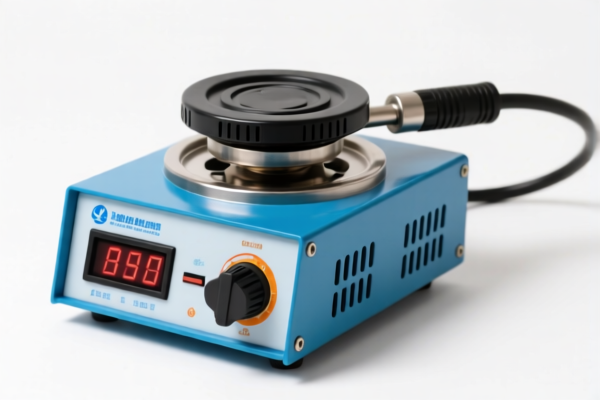
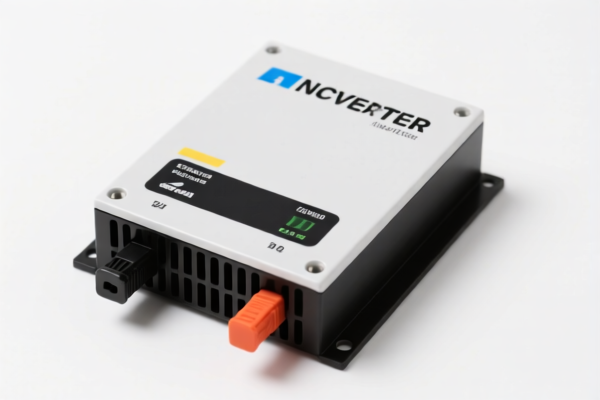
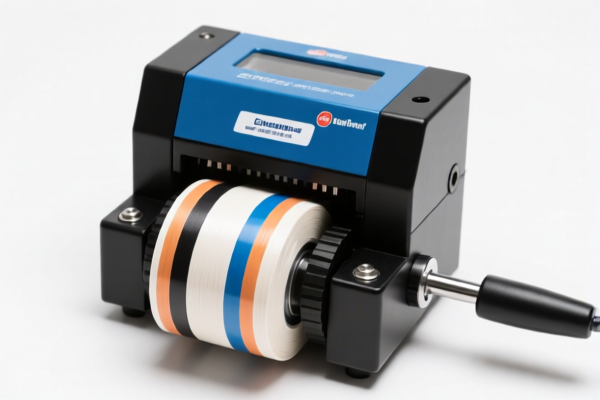
AI Analysis
🖥️ Card Key and Magnetic Media Entry Devices (Input/Output Units for Data Processing Machines)
🌐 HS Code Reference & Customs Clearance Guide | 2026 Updated Tariff Analysis | Professional Import Strategy
📌 One, Product Definition & Classification: What Exactly Is a "Card Key & Magnetic Media Entry Device"?
Card key and magnetic media entry devices are input units used to authenticate users or transmit data via physical media such as credit cards, access cards, magnetic stripe cards, or smart cards. These are commonly used in:
- Access control systems (e.g., office buildings, data centers)
- Time & attendance systems
- ATM and payment terminals
- Secure data entry systems
- Automated kiosks and vending machines
⚠️ Key Distinction:
- If the device reads magnetic stripes or chip cards and sends data to an automatic data processing system → Must be classified under 8471.60.90.30
- If it’s just a standalone card reader without data processing capability, and not integrated into a data processing machine → May fall under other subheadings (but still likely under 8471.60.90.30 if used with ADP systems)
📦 Two, HS Code Classification Details (2026 Official Tariff Breakdown)
| HS Code | Product Description | Applicable Use Case | Contains Storage? | Integrated with ADP Machine? |
|---|---|---|---|---|
8471.60.90.30 |
Card key and magnetic media entry devices, for use with automatic data processing machines | Access control systems, secure logins, POS terminals, time clocks | ❌ No | ✅ Yes |
8471.60.50.95 |
Other input/output units (not elsewhere specified), whether or not containing storage | Generic input devices, non-specific units, experimental prototypes | ⚠️ Possibly | ⚠️ Unclear |
🔍 Critical Note:
-8471.60.90.30applies only when the device is designed for integration with automatic data processing systems — e.g., sending login credentials to a server or database.
-8471.60.50.95is a catch-all for devices that don’t fit elsewhere — but tax data is unavailable, meaning high risk of audit, delay, or penalty.
💰 Three, 2026 Latest Tariff Rate Breakdown (With Add-on Duties & Policy Clauses)
✅ Applicable Country: United States (US)
✅ Origin: China (CN)
✅ Effective Date: November 10, 2025 (including future imports)
🎯 1. 8471.60.90.30 — Card Key & Magnetic Media Entry Devices
| Item | Detail |
|---|---|
| Base Duty | 0.0% (ad valorem) |
| Additional Duty (USITC) | +25.0% (under Section 301 of U.S. Trade Act) |
| IEEPA Additional Duty | +10.0% (International Emergency Economic Powers Act – China-specific) |
| Total Effective Duty | 35.0% |
| Tax Calculation | CIF Value × 35.0% |
| De Minimis Threshold | ❌ Not applicable (denied) |
| Legal Basis Path | IEEPA:9903.01.25 → USITC:8471.60.90.30 → FOOTNOTE:9903.88.01 |
📌 Explanation:
- The 25% USITC duty comes from Section 301 tariffs targeting Chinese-made tech products deemed to involve unfair trade practices.
- The 10% IEEPA duty is a national security-related tariff under emergency powers, applied to all goods from China.
- Combined total = 35%, which is very high — especially for small-volume or high-value devices.
🎯 2. 8471.60.50.95 — Other Input/Output Units (Not Elsewhere Specified)
| Item | Detail |
|---|---|
| Base Duty | 0.0% |
| Additional Duty (USITC) | Not Available |
| IEEPA Additional Duty | Not Available |
| Total Effective Duty | Error / Unknown |
| Tax Calculation | ❌ Cannot be calculated |
| De Minimis Threshold | ❌ Not applicable |
| Legal Basis Path | ❌ Failed to retrieve tax information |
📌 Warning:
- This code is dangerous — no tax data available means customs may apply default rates or demand reassessment.
- If you use this code, you risk audit, seizure, or retroactive duty payments.
- Do NOT use8471.60.50.95unless you have a confirmed pre-ruling from U.S. Customs.
🛠️ Four, Customs Clearance Best Practices (Real-World Pro Tips)
✅ 1. Required Documentation (Must-Have List)
| Document | Required? | Why It Matters |
|---|---|---|
| ✅ Product Specification Sheet | ✔️ | Proves it's a card/magnetic reader, not a standalone device |
| ✅ Circuit Diagram / Block Diagram | ✔️ | Shows integration with ADP system (critical for correct classification) |
| ✅ Product Photos (with label/model) | ✔️ | Helps customs verify function and origin |
| ✅ FCC/CE/RoHS Certification | ✔️ | Required for electronic devices in U.S./EU |
| ✅ Commercial Invoice | ✔️ | Must state “Card Key Entry Device for Data Processing Systems” |
| ✅ Certificate of Origin (CO) | ✔️ | If from Vietnam/Mexico/Thailand, may qualify for IEEPA exemption |
| ✅ Packing List | ✔️ | Shows whether device is sold alone or with ADP system |
✅ 2.申报技巧 (申报口诀)
🔥 "Device type matters, integration defines code, 35% tax is real, avoid 8471.60.50.95!"
| Scenario | Correct HS Code | Wrong Code | Risk |
|---|---|---|---|
| Card reader integrated into a security system | 8471.60.90.30 |
8471.60.50.95 |
High audit risk |
| Standalone card reader (no ADP link) | May be 8471.60.50.95 |
8471.60.90.30 |
Overpayment |
| Device with built-in storage (e.g., memory card reader) | 8471.60.90.30 |
8471.60.50.95 |
Incorrect |
| Prototype or non-commercial unit | 8471.60.50.95 |
8471.60.90.30 |
May be rejected |
✅ 3. Special Cases & Solutions
| Situation | Recommended Action |
|---|---|
| Device made in Vietnam/Mexico | Apply for IEEPA exemption — 0% additional duty |
| Device used in military/industrial systems | Request special classification — may qualify for lower rate |
| OEM custom device for client | Provide customer contract + design specs to prove integration |
| Device with NFC/RFID capability | Still falls under 8471.60.90.30 if used with ADP systems |
| Device sold with software/license | Include software description in invoice — proves data processing role |
🌍 Five, Global Customs Comparison (2026 Updated)
| Country/Region | Recommended HS Code | Tariff | Certification Required | Notes |
|---|---|---|---|---|
| 🇺🇸 United States | 8471.60.90.30 |
35.0% (China-origin) | FCC, RoHS | High risk if misclassified |
| 🇨🇳 China | 8471.60.90.30 |
5.0% | CCC | No extra tariffs |
| 🇪🇺 European Union | 8471.60.90.30 |
0% (if CE compliant) | CE, ErP | No additional duties |
| 🇦🇺 Australia | 8471.60.90.30 |
5.0% | RCM | No extra charges |
| 🇯🇵 Japan | 8471.60.90.30 |
0% | PSE | No additional tariffs |
📌 Conclusion:
- The U.S. is the only market with a 35% effective tariff on these devices from China.
- Switching production to Vietnam, Mexico, or Thailand can reduce tariff to 0% — highly recommended.
📌 Six, Common Mistakes & How to Avoid Them (Real-World Pitfalls)
❌ Mistake 1: Using 8471.60.50.95 for a card reader that connects to a server
👉 Result: No tax data available → Customs may seize goods, delay shipment, or impose default rates.
❌ Mistake 2: Not proving integration with ADP system
👉 Result: Customs may reclassify as non-ADP device → higher risk of audit or rejection.
❌ Mistake 3: Calling it a "card reader" without mentioning "for data processing"
👉 Result: Misleading description → incorrect HS code → penalties.
❌ Mistake 4: Selling standalone card readers as “entry devices” without context
👉 Result: May be misclassified → overpayment or fines.
✅ Correct Way to Describe:
"Magnetic Stripe Card Reader, 125kHz, for Access Control System, Integrated with Automatic Data Processing Machine, Model XYZ, FCC & RoHS Certified"
🎯 Seven, Final Verdict: Precision Pays Off
🎯 Remember the Golden Rule:
🔹 "If it reads cards and sends data to a computer, it’s 8471.60.90.30 — and 35% tax in the U.S. if from China."
🔹 "Never use 8471.60.50.95 unless you have a pre-ruling — it’s a tax trap!"
📌 Pro Tip:
🚀 Apply for an Advance Ruling (Pre-Clearance) from U.S. Customs before shipment — especially for new or custom devices.
📞 Work with a licensed customs broker who specializes in IT hardware and access control systems.
📣 Take Action Now:
📞 Contact a certified customs broker + provide product specs + photos + circuit diagram
🚀 Get HS Code pre-approval and tariff forecast — avoid surprises, delays, and fines!
✨ Smart Importing Starts with Accurate Classification!
💼 Your profit margin depends on getting the code right — every time.
Customer Reviews
About HS Code Classification
The Harmonized System (HS) is an internationally standardized nomenclature developed by the World Customs Organization (WCO) to classify traded products. Over 200 countries use the HS system as the basis for customs tariffs, trade statistics, and import/export regulations.
Each HS code follows a hierarchical structure:
- Chapter (2 digits) — Broad category of goods (e.g., Chapter 84: Machinery and Mechanical Appliances)
- Heading (4 digits) — More specific grouping within the chapter
- Subheading (6 digits) — Internationally standardized breakdown, used by all WCO member countries
- National subdivisions (8-10 digits) — Country-specific extensions for further classification, such as US HTSUS 10-digit codes
Correct HS code classification is essential for smooth customs clearance, accurate duty payment, and compliance with trade regulations. Misclassification can lead to customs delays, overpayment of duties, or penalties.
When importing from CN to US, the applicable tariff rates may include:
- Most-Favored-Nation (MFN) rate — The standard duty rate applied to WTO members
- General rate — Applied to countries without trade agreements
- Trade remedy duties — Additional tariffs such as Section 301 (anti-dumping), Section 232 (national security), or countervailing duties
The information provided on this page is for reference purposes only. For official classification, please consult with your local customs authority or a licensed customs broker.