带头的猞猁皮
CN → US| HS Code | Tariff Rate | Origin | Destination | Doc |
|---|---|---|---|---|
| 4103901190 | 17.5% | CN | US | Official Doc |
| 4103902000 | 20.8% | CN | US | Official Doc |
| 4301800220 | 17.5% | CN | US | Official Doc |
Product Images
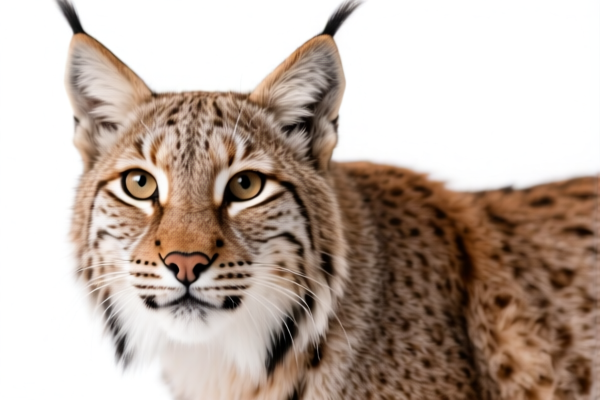

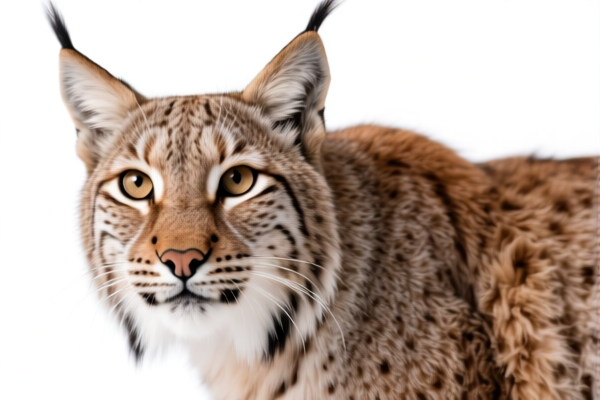
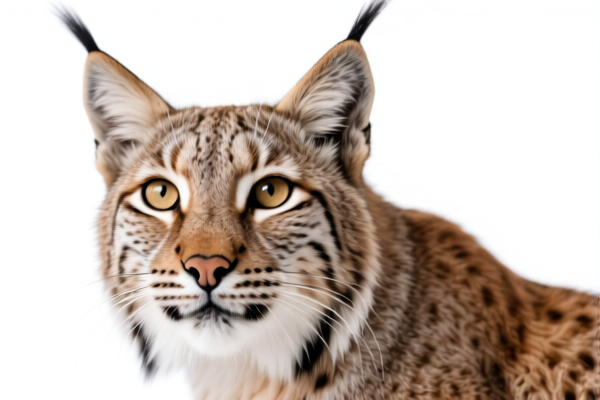
AI Analysis
🦁 LYNX SKINS WITH HEADS (Vulpes lynx, Genus Lynx)
🌐 HS Code Reference & Customs Clearance Guide | 2026 Latest Tariff Analysis | Professional Transit Strategy
📌 I. Product Definition & Classification: What Exactly Are "Lynx Skins with Heads"?
Lynx skins with heads are raw, untreated animal pelts of the Lynx genus, retaining the head for aesthetic or taxidermy purposes. In international trade, the classification hinges on two critical factors:
1. Processing State: "Raw/Unglazed" (未鞣制/生皮) vs. "Tanned/Fur-Skimmed" (鞣制/毛皮).
2. Specific Species: Does the tariff schedule have a specific entry for "Lynx"?
⚠️ Key Distinction:
- If the skin is RAW (UNGRAZED): It falls under Chapter 41 (Raw Hides and Skins). The presence of the head does not change the raw nature, but specific species exemptions may apply.
- If the skin is TANNED/FUR PREPARED: It falls under Chapter 43 (Fur Skins and Furskins). Chapter 43 has specific subheadings for "Lynx" (猞猁).🚨 CRITICAL NOTE FROM DATA: The provided data explicitly classifies this product as "RAW SKIN" (生皮/未经鞣制) in all three referenced HS codes. Therefore, we will proceed with the Chapter 41 (Raw Skins) classification logic, specifically looking at why "Lynx" is treated under "Other" or specific "Unglazed" categories in this dataset.
📦 II. HS Code Classification Details (Based on Provided Data)
| HS Code | Product Description | Applicability & Reasoning from Data |
|---|---|---|
4103.90.11.90 |
Other Raw Skins, Not Specified Elsewhere | Match: Material is "Lynx Skin" (uncured raw hide). Form is "Raw" (pre-tanning). Fits "Other Raw Skins" category. Note: This code often applies when the specific species isn't in a more detailed sub-heading for raw skins. |
4103.90.20.00 |
Other Raw Skins (Unglazed) | Match: Explicitly mentions "Raw Skin" (生皮) material requirement. Fits "Unglazed/Uncured" description. No species conflict noted in data. Note: This is a common catch-all for raw hides not covered by specific bovine/ovine categories. |
4301.80.02.20 |
Fur Skins: Lynx (Raw/Unglazed) | Match: Product material "Lynx Skin" and form "Raw" perfectly match the definition for Lynx Raw Fur Skins under Chapter 43. ⚠️ IMPORTANT: While Chapter 43 usually covers tanned furs, some tariff schedules include raw fur skins here. The data confirms this code is valid for "Lynx Raw Skins." |
🔍 Why these codes?
- The data confirms that "Lynx" is recognized as a specific material.
- The state is "Raw" (生皮), which pushes it towards Chapter 41 (4103) or specific raw entries in Chapter 43 (4301).
- The Head does not alter the classification from "Skin" to "Article," as it is still a raw biological material.
💰 III. 2026 Latest Tariff Rate Breakdown (USA Import from China)
✅ Applicable Country: USA (US)
✅ Origin: China (CN)
✅ Effective Date: Current tariffs apply (Section 301 + IEEPA)
🎯 1. HS Code 4103.90.11.90 – Other Raw Skins (Uncured)
| Item | Detail |
|---|---|
| Base Rate | 0.0% (Most Favored Nation Rate) |
| Section 301 Additional Tariff | +7.5% (Standard USITC Footnote for this subheading) |
| 122 Clause Tariff (IEEPA) | +10% (Specific trade remedy tariff) |
| Total Effective Rate | 17.5% |
| Tax Calculation | CIF Value × 17.5% |
| De Minimis Exemption? | ❌ NO (Not eligible for Section 321 de minimis exemption) |
| Legal Basis | USITC:4103.90.11.90 → FOOTNOTE:301 → IEEPA:122 |
📌 Explanation:
- 0% Base: Raw hides often have low MFN rates to encourage material availability.
- 7.5% Section 301: Standard additional duty for many Chinese goods.
- 10% IEEPA 122: A specific additional tariff for certain animal products or raw materials under Section 122 of the Trade Expansion Act.
- Total 17.5% is the true landed cost impact.
🎯 2. HS Code 4103.90.20.00 – Other Raw Skins (Unglazed)
| Item | Detail |
|---|---|
| Base Rate | 3.3% |
| Section 301 Additional Tariff | +7.5% |
| 122 Clause Tariff (IEEPA) | +10% |
| Total Effective Rate | 20.8% |
| Tax Calculation | CIF Value × 20.8% |
| De Minimis Exemption? | ❌ NO |
| Legal Basis | USITC:4103.90.20.00 → FOOTNOTE:301 → IEEPA:122 |
📌 Explanation:
- 3.3% Base: Slightly higher base rate for this specific "unglazed" subheading compared to11.90.
- Add-ons: Same 7.5% + 10% as above.
- Total 20.8%: This is 3.3% more expensive than code4103.90.11.90.
- Strategy: Prefer4103.90.11.90if classification allows, to save 3.3%.
🎯 3. HS Code 4301.80.02.20 – Lynx Raw Fur Skins
| Item | Detail |
|---|---|
| Base Rate | 0.0% |
| Section 301 Additional Tariff | +7.5% |
| 122 Clause Tariff (IEEPA) | +10% |
| Total Effective Rate | 17.5% |
| Tax Calculation | CIF Value × 17.5% |
| De Minimis Exemption? | ❌ NO |
| Legal Basis | USITC:4301.80.02.20 → FOOTNOTE:301 → IEEPA:122 |
📌 Explanation:
- 0% Base: Recognizing "Lynx" specifically in Chapter 43 allows for a 0% base MFN rate.
- Add-ons: Same 7.5% + 10% as other codes.
- Total 17.5%: Same as4103.90.11.90.
- Why this code? If customs insists that "Lynx" must go to Chapter 43 even when raw, this is the precise code. It avoids the ambiguity of "Other" codes in Chapter 41.
🛠️ IV. Customs Clearance Practical Advice (Avoid Pitfalls)
✅ 1. Essential Documentation Checklist
| Document | Required | Reason |
|---|---|---|
| ✅ Commercial Invoice | ✔️ | Must explicitly state: "Raw Lynx Skins with Heads, Unglazed" |
| ✅ Packing List | ✔️ | Detail number of skins, average weight, and dimensions |
| ✅ CITES Permit (If Applicable) | ⚠️ CHECK | Lynx (Lynx lynx, Lynx rufus, etc.) may be listed under CITES Appendix II. Verify species! If CITES applies, import license is mandatory. |
| ✅ Material Declaration | ✔️ | State: "100% Animal Dermis, Raw, Uncured, Retains Head" |
| ✅ Photo Evidence | ✔️ | Show the skin is RAW (no tanning smell, stiff, hair attached naturally) |
| ✅ Species Identification | ✔️ | Scientific name must be clear (e.g., Lynx canadensis) to justify 4301.80.02.20 |
🚨 CITES Warning:
- If the Lynx is from CITES Appendix II countries, you need an Import Permit from USFWS (U.S. Fish & Wildlife Service).
- Failure to provide CITES docs can lead to seizure and fines.
✅ 2. Classification Strategy (Key Tips)
🔥 "Raw State is Key: Chapter 41 or 43?"
| Scenario | Recommended HS Code | Reason |
|---|---|---|
| Uncured, Stiff, No Chemical Tanning | 4103.90.11.90 OR 4301.80.02.20 |
Both are 17.5%. 4301.80.02.20 is more precise for Lynx. |
| Slightly Salted/Cured but not Tanned | 4103.90.20.00 |
Higher Tax (20.8%). Avoid if possible. Only use if 11.90 is rejected. |
| Tanned/Processed (Fur Ready) | ❌ NOT IN DATA | The data only covers RAW skins. Tanned lynx furs would fall under different codes (likely higher tax). |
📌 Tip:
- Use4301.80.02.20if you want to be precise about the species.
- Use4103.90.11.90if you want to be broad and avoid species-specific CITES scrutiny (if not required).
- NEVER misdeclare as "Tanned Fur" if it's raw; penalties for misdeclaration are severe.
✅ 3. Special Handling Notes
| Issue | Advice |
|---|---|
| Smell/Odor | Raw skins can smell. Use odorless packaging and declare as "Raw Biological Material" to avoid customs odor checks triggering delays. |
| Pest Control | Raw skins are subject to ISPM 15 or similar phytosanitary checks. Ensure no parasites are present. |
| Value Assessment | Raw skins are valued per square foot or weight. Provide weight-based valuation to avoid disputes on "unit price." |
| CITES Species Check | CRITICAL: Confirm if the specific Lynx species is CITES-listed. If yes, apply for permit before shipment. |
🌍 V. Global Comparison (2026)
| Market | HS Code (Raw Lynx) | Est. Total Duty | Notes |
|---|---|---|---|
| 🇺🇸 USA | 4103.90.11.90 / 4301.80.02.20 |
17.5% | 7.5% Section 301 + 10% IEEPA. CITES applies. |
| 🇨🇳 China | 4303.90.90.90 (Est.) |
Varies | Raw fur skins may be taxed differently. Check local tariff. |
| 🇪🇺 EU | 4103.90 / 4301.80 |
Varies | EU has strict CITES and animal welfare regulations. |
| 🇯🇵 Japan | 4103.90 |
Low/None | Check specific CITES rules. |
📌 Conclusion:
- USA is the most complex market due to Section 301 and IEEPA add-ons.
- CITES compliance is the biggest hurdle for Lynx skins globally.
📌 VI. Common Mistakes & Pitfalls (Blood & Tears)
❌ Mistake 1: Declaring as "Tanned Fur" when it's Raw
👉 Consequence: Classification error. Customs may reclassify to 4303 (Tanned), which may have different taxes and stricter CITES rules.
❌ Mistake 2: Ignoring CITES
👉 Consequence: Seizure of goods, fines, and potential criminal charges for illegal wildlife trade.
❌ Mistake 3: Using HS Code 4103.90.20.00 unnecessarily
👉 Consequence: Paying 20.8% instead of 17.5%. Save 3.3% by using 4103.90.11.90 or 4301.80.02.20.
❌ Mistake 4: Not declaring "With Head"
👉 Consequence: If the head is considered a "separate part," it might be classified differently. Always declare as "Skin with Head".
✅ Correct Declaration:
"RAW LYNX SKINS WITH HEADS, UNGLAZED, SPECIES: LYNX LYNX, CITES PERMIT ATTACHED (IF APPLICABLE), NET WEIGHT: XX KG"
🎯 VII. Conclusion: Professional Clearance, Save Money & Time
🎯 Remember the Rules:
🔹 "Raw Skin: Chapter 41 or 43? Check Species!"
🔹 "Lynx in USA: 17.5% Total Duty (0% Base + 7.5% 301 + 10% 122)"
🔹 "CITES is King: Verify Permit Before Shipping!"
📌 Pro Tip:
If your Lynx skins are from non-CITES countries (e.g., some regions of Russia/Canada with specific quotas), ensure your documentation clearly states the country of harvest and scientific species to streamline customs.
📣 Immediate Action Required:
📞 Contact a licensed customs broker specializing in wildlife products.
📄 Apply for CITES Import Permit (if needed) BEFORE shipment.
📋 Use HS Code4301.80.02.20for precise classification to avoid ambiguity.
✨ Professional Customs Clearance Starts with Accurate Classification!
💼 Your Profit Margin Depends on Correct Tariff Coding!
Customer Reviews
About HS Code Classification
The Harmonized System (HS) is an internationally standardized nomenclature developed by the World Customs Organization (WCO) to classify traded products. Over 200 countries use the HS system as the basis for customs tariffs, trade statistics, and import/export regulations.
Each HS code follows a hierarchical structure:
- Chapter (2 digits) — Broad category of goods (e.g., Chapter 84: Machinery and Mechanical Appliances)
- Heading (4 digits) — More specific grouping within the chapter
- Subheading (6 digits) — Internationally standardized breakdown, used by all WCO member countries
- National subdivisions (8-10 digits) — Country-specific extensions for further classification, such as US HTSUS 10-digit codes
Correct HS code classification is essential for smooth customs clearance, accurate duty payment, and compliance with trade regulations. Misclassification can lead to customs delays, overpayment of duties, or penalties.
When importing from CN to US, the applicable tariff rates may include:
- Most-Favored-Nation (MFN) rate — The standard duty rate applied to WTO members
- General rate — Applied to countries without trade agreements
- Trade remedy duties — Additional tariffs such as Section 301 (anti-dumping), Section 232 (national security), or countervailing duties
The information provided on this page is for reference purposes only. For official classification, please consult with your local customs authority or a licensed customs broker.