桌架
CN → US| HS Code | Tariff Rate | Origin | Destination | Doc |
|---|---|---|---|---|
| 9403200082 | 85.0% | CN | US | Official Doc |
| 9403999040 | 85.0% | CN | US | Official Doc |
Product Images
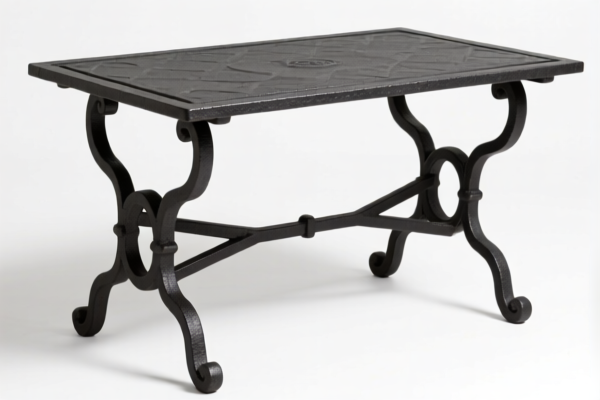
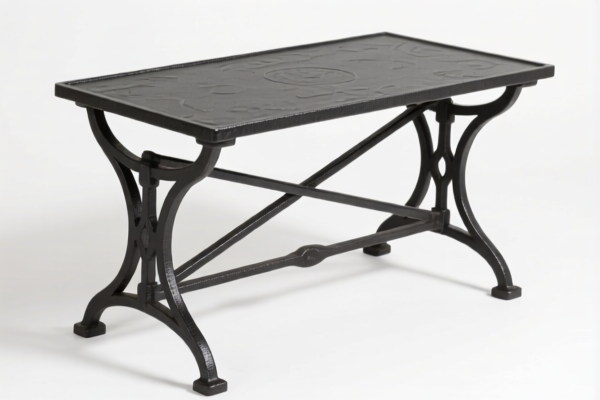
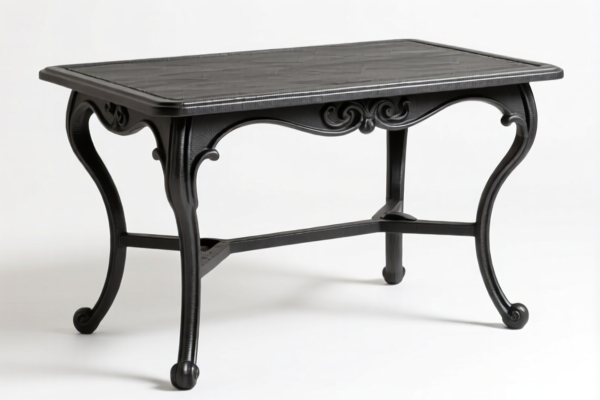
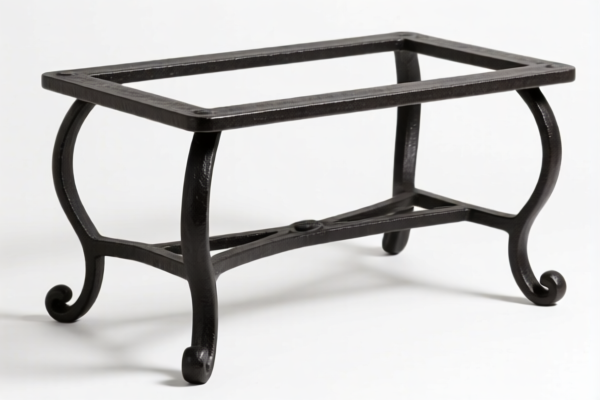
AI Analysis
🏗️ Steel Racks & Metal Parts (Steel Racks & Components)
🌐 HS Code Reference & Customs Clearance Guide | 2026 Latest Tariff Analysis | Professional Clearance Strategy
📌 I. Product Definition & Classification: Do You Really Understand "Table Stands"?
In international trade, "Table Stands" (often referred to as racks, shelving units, or display fixtures) are categorized under Chapter 94 (Furniture). However, the specific HS Code depends heavily on the material and function.
According to the provided data, we are focusing on Steel Racks and their Parts.
⚠️ Key Distinction Point:
- If the item is a complete steel rack (used for storage, display, or as a table support structure) → It falls under 9403.20.00.82.
- If the item is a part/component specifically for such steel racks → It falls under 9403.99.90.40.
- Note: These codes specifically exclude standard wooden furniture or non-steel metal furniture. They are designated for Statistical Reporting Number 9403.20.0075 related products.
📦 II. HS Code Classification Details (2026 Latest Tariff Authority Comparison)
| HS Code | Product Description | Application Scenario | Material |
|---|---|---|---|
9403.20.00.82 |
Steel racks, other than those described in statistical reporting number 9403.20.0075 | Complete steel storage racks, display racks, heavy-duty warehouse racks, industrial shelving systems | ✅ Steel |
9403.99.90.40 |
Parts for steel racks of statistical reporting number 9403.20.0082 | Feet, connectors, shelves, beams, uprights, casters for the above racks | ✅ Steel (Parts Only) |
🔍 Critical Reminder:
- Complete vs. Partial: A "table stand" made of steel is generally classified as a rack or fixture under 9403.20 if it is a standalone structure. If you are importing only legs, crossbars, or mounting brackets specifically designed for these racks, they are classified as Parts under 9403.99.90.40.
- Statistical Nuance: The code9403.20.00.82explicitly refers to "Other metal furniture" but specifies Steel Racks. Ensure your product is not wooden or aluminum if you want to use this specific steel rack code (though aluminum often follows similar heavy tax structures, the HS code here is specific to steel).
💰 III. 2026 Latest Tariff Rate Breakdown (Including Surcharges)
✅ Applicable Country: United States (US)
✅ Country of Origin: China (CN)
✅ Effective Date: Current tariffs apply (Section 301 / IEEPA measures)
🎯 1. 9403.20.00.82 —— Steel Racks (Complete Units)
| Item | Content |
|---|---|
| Base Tariff | 0.0% |
| Section 301 Surcharge | +25.0% |
| Steel/Aluminum/Copper Surcharge | +50.0% |
| Total Tax Rate | 75.0% |
| Tax Calculation | CIF Value × 75% |
| De Minimis Exemption | ❌ Not Eligible (High risk of detention) |
| Legal Basis Path | USITC:9403.20.00.82 → Section 301: 25% → Steel Surcharge: 50% |
📌 Explanation:
- Base Rate 0%: Standard HTSUS base duty for steel furniture/racks is often low or zero.
- Section 301 (+25%): Applied to Chinese goods under Trade Act of 1974 Section 301.
- Steel Surcharge (+50%): A significant additional tariff specifically targeting Steel products to protect domestic steel industries. This is a compounding high tariff.
- Total 75%: This is an extremely high tariff. Importers must factor this into their landed cost immediately.
🎯 2. 9403.99.90.40 —— Parts for Steel Racks
| Item | Content |
|---|---|
| Base Tariff | 0.0% |
| Section 301 Surcharge | +25.0% |
| Steel/Aluminum/Copper Surcharge | +50.0% |
| Total Tax Rate | 75.0% |
| Tax Calculation | CIF Value × 75% |
| De Minimis Exemption | ❌ Not Eligible |
| Legal Basis Path | USITC:9400.99.90.40 → Section 301: 25% → Steel Surcharge: 50% |
📌 Note:
- Parts for steel products are often subjected to the same high tariffs as the finished product.
- Do not assume parts are cheaper to import. The 50% steel surcharge applies to raw materials and components alike.
🛠️ IV. Customs Clearance Practical Advice (Combat Pitfalls)
✅ 1. Required Documentation Checklist (Non-negotiable)
| Document | Must Provide | Notes |
|---|---|---|
| ✅ Detailed Product Spec Sheet | ✔️ | Must specify: Material (Steel), Dimensions, Load Capacity, Assembly Instructions. |
| ✅ Commercial Invoice | ✔️ | Must clearly state: "Steel Rack" or "Parts for Steel Rack". Avoid vague terms like "Metal Stand". |
| ✅ Packing List | ✔️ | Detail each component if shipping as parts. |
| ✅ Certificate of Origin | ✔️ | Confirm "Made in China" to ensure correct tariff application. |
| ✅ Photos (Labeled) | ✔️ | Show the steel material clearly. If it’s painted, mention the coating. |
| ✅ Letter of Guarantee | ✔️ | If classifying as "Parts", provide a statement that these are exclusively for 9403.20.00.82 racks. |
✅ 2. Declaration Tips (Key Mantras)
🔥 "Steel Means Steel, Parts Mean Parts. Don't Mix! High Tax Awaits!"
| Scenario | Correct Declaration | Wrong Approach |
|---|---|---|
| Complete Steel Rack | 9403.20.00.82 - "Steel Storage Rack" |
Misclassify as "Shelves" (wooden) → Audit Risk |
| Loose Steel Legs/Brackets | 9403.99.90.40 - "Parts for Steel Rack" |
Declare as "Steel Structure" → Delay for classification review |
| Mixed Kit (Rack + Wood Shelf) | Split Declaration | Blend wood and steel → Complex classification, potential errors |
| Aluminum Rack | Not 9403.20.00.82 | Using steel code for aluminum → Penalty for false declaration |
📌 Warning:
- If you import aluminum racks, check if they fall under similar high-tax categories (often 50% surcharge applies to Aluminum too, but the HS Code might differ, e.g., 9403.20.00.80 or similar). Do not force steel codes onto aluminum. - The term "Table Stand" is ambiguous. If it supports a table top and is steel, it is likely a Rack/Support Structure. If it is just a decorative pedestal, it might be "Other Furniture" (9403.60). However, given the data, we assume it is a functional Steel Rack.
✅ 3. Special Case Handling
| Situation | Handling Advice |
|---|---|
| Kit Assembly | If shipping disassembled, declare as Parts (9403.99.90.40) OR Complete (9403.20.00.82) based on how it is marketed. Usually, disassembled racks are treated as the complete article if shipped together. |
| Steel + Wood Composite | If the rack has wooden shelves, the steel frame dominates the structure. It is still classified under 9403.20 (Steel Racks), but ensure the wooden parts are declared correctly if separated. |
| Anti-Dumping (AD/CVD) | Check for Carbon Steel AD/CVD duties in addition to these tariffs. Many steel racks face AD/CVD rates of 100%+ if not carefully exempted or sourced from non-targeted countries. |
🌍 V. Global Market Clearance Comparison (2026 Latest)
| Country/Region | Recommended HS Code | Tariff (China Origin) | Certification Req. | Notes |
|---|---|---|---|---|
| 🇺🇸 USA | 9403.20.00.82 |
75% (0% + 25% + 50%) | None (Standard) | High Cost. Consider Vietnam/Mexico sourcing. |
| 🇨🇳 China | 9403.20.00.82 |
~5-10% (Import) | CCC (if applicable) | Domestic market vs. Export. |
| 🇪🇺 EU | 9403.20.00.82 |
0-4.5% (General) | CE (if applicable) | No 301/Steel surcharge. Cheaper alternative. |
| 🇯🇵 Japan | 9403.20.00.82 |
0-5% | PSE (if electrical, not applicable here) | Low tariffs. |
📌 Conclusion:
- USA: 75% Total Duty. This makes importing steel racks from China to the US prohibitively expensive unless added value is extremely high.
- Strategy: Most US importers source these from Vietnam, Mexico, or India to avoid Section 301 and Steel Surcharges.
📌 VI. Common Errors & Pitfalls (Lessons Learned)
❌ Error 1: Declaring "Steel Rack" as "Furniture" (Generic 9403.99)
👉 Consequence: Customs may reclassify it as Steel, applying the 50% surcharge retroactively + penalties.
❌ Error 2: Ignoring the 50% Steel Surcharge
👉 Consequence: Budgeting 25% (Section 301) only → Underpayment by 50% → Seizure or Debt Notice.
❌ Error 3: Mixing Wood and Steel without Clarity
👉 Consequence: If a rack has wooden shelves, it might be classified as "Mixed Material Furniture". However, if the steel frame is the primary structure, it remains Steel Rack. Be explicit in description.
✅ Correct Practice:
"Heavy-Duty Steel Pallet Rack, Model XYZ, Dimensions 96x48x96, Powder-Coated, Origin: China, HS: 9403.20.00.82"
🎯 VII. Conclusion: Professional Declaration, Cost Control, Efficiency!
🎯 Remember the Mantra:
🔹 "Steel Racks = 75% Tax in US (0+25+50)"
🔹 "Parts = Same High Tax as Whole"
🔹 "Don't Hide Material, Steel is Watched!"
📌 Pro Tip:
If you are importing Steel Racks into the US, evaluate:
1. Total Landed Cost: Product Cost + 75% Duty + Freight + Insurance.
2. Sourcing Alternative: Can you source from Mexico (USMCA) or Vietnam? Even if higher unit cost, the 0% tariff (or low tariff) may be cheaper.
3. Pre-Ruling: File an Advance Ruling Request with US CBP to confirm the 50% steel surcharge applies (it should, but confirmation saves legal fees).
📣 Immediate Action:
📞 Consult a customs broker specializing in Chapter 94 & Steel Products.
📉 Calculate the 75% impact on your P&L.
🚀 Optimize Supply Chain to mitigate tariff risk!
✨ Professional Clearance Starts with Accurate Classification!
💼 Your Profit Margin is Your Shield; Don't Let Tariffs Break It!
Customer Reviews
About HS Code Classification
The Harmonized System (HS) is an internationally standardized nomenclature developed by the World Customs Organization (WCO) to classify traded products. Over 200 countries use the HS system as the basis for customs tariffs, trade statistics, and import/export regulations.
Each HS code follows a hierarchical structure:
- Chapter (2 digits) — Broad category of goods (e.g., Chapter 84: Machinery and Mechanical Appliances)
- Heading (4 digits) — More specific grouping within the chapter
- Subheading (6 digits) — Internationally standardized breakdown, used by all WCO member countries
- National subdivisions (8-10 digits) — Country-specific extensions for further classification, such as US HTSUS 10-digit codes
Correct HS code classification is essential for smooth customs clearance, accurate duty payment, and compliance with trade regulations. Misclassification can lead to customs delays, overpayment of duties, or penalties.
When importing from CN to US, the applicable tariff rates may include:
- Most-Favored-Nation (MFN) rate — The standard duty rate applied to WTO members
- General rate — Applied to countries without trade agreements
- Trade remedy duties — Additional tariffs such as Section 301 (anti-dumping), Section 232 (national security), or countervailing duties
The information provided on this page is for reference purposes only. For official classification, please consult with your local customs authority or a licensed customs broker.