背景架
CN → US| HS Code | Tariff Rate | Origin | Destination | Doc |
|---|---|---|---|---|
| 7326908630 | 87.9% | CN | US | Official Doc |
| 7610900080 | 65.7% | CN | US | Official Doc |
| 7610900040 | 90.7% | CN | US | Official Doc |
| 7326908688 | 87.9% | CN | US | Official Doc |
Product Images
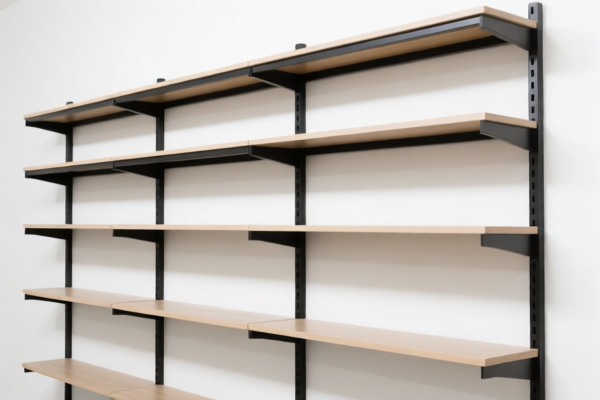
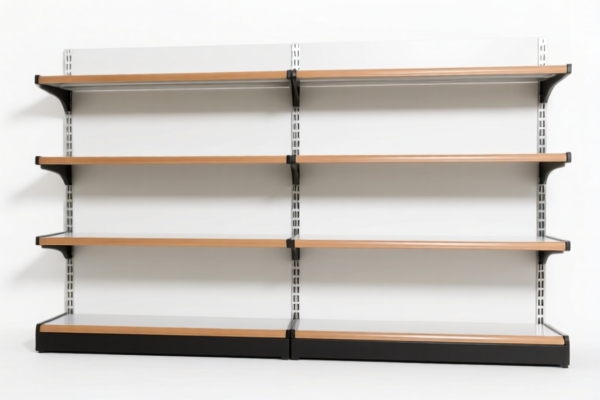
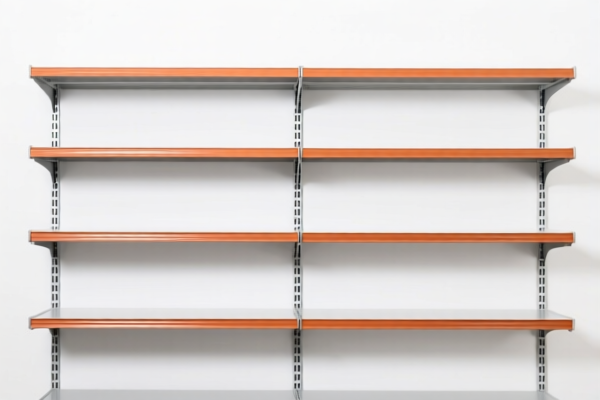
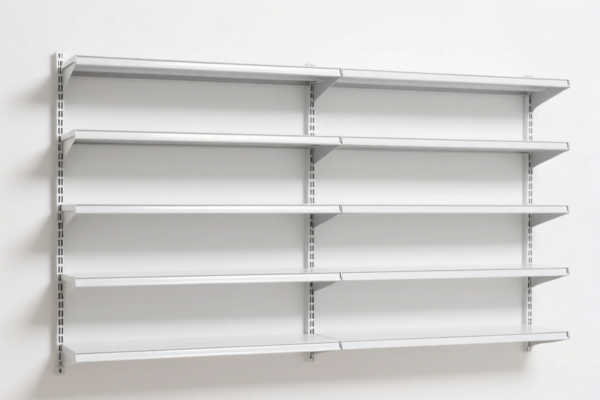
AI Analysis
🏗️ Background Racks & Supports (背景架)
🌐 HS Code Classification & Customs Clearance Guide | 2026 Latest Tariff Analysis | Iron & Aluminum Variants
📌 I. Product Definition & Core Attributes: What is a "Background Rack"?
In the context of trade and exhibition logistics, a Background Rack refers to structural support systems used for display backdrops, stage backgrounds, or industrial shelving. The critical factor for HS Code classification is the Material Composition:
- Iron/Steel Racks: Constructed primarily from ferrous metals. These are classified under Chapter 73.
- Aluminum Racks: Constructed primarily from non-ferrous aluminum. These are classified under Chapter 76.
⚠️ Key Classification Distinction:
- If the structure is Iron/Steel → Look at7326.90subheadings.
- If the structure is Aluminum → Look at7610.90subheadings.
- Misclassification Risk: Declaring an aluminum rack as iron (or vice versa) leads to significant tariff differences due to US Section 301 and Section 232 duties.
📦 II. HS Code Classification Matrix (2026 Tariff Data)
Based on the provided dataset, here are the four specific HS Codes applicable to Background Racks, categorized by material and attribute.
| HS Code | Material | Classification Logic (Summary) | Total Tax Rate |
|---|---|---|---|
7326.90.86.30 |
Iron/Steel | Support/Brackets type; Matches hanging racks & similar supports. | 87.9% |
7326.90.86.88 |
Iron/Steel | Non-specific listed other iron制品; Fits "Catch-all" classification. | 87.9% |
7610.90.00.80 |
Aluminum | Other products based on other categories; Non-specific structural component. | 65.7% |
7610.90.00.40 |
Aluminum | Bracket-type component; Matches aluminum for architectural decoration parts. | 90.7% |
💰 III. Detailed Tariff Breakdown & Policy Impact
✅ Applicable Country: United States (US)
✅ Origin: China (CN)
✅ Critical Policy Layers:
1. Base Duty: Standard MFN rate.
2. Section 301 (Trade War): Additional 25% for most Chinese goods.
3. Section 232 (Steel/Aluminum): Additional 50% specifically for Steel, Aluminum, and Copper products.
🎯 1. Iron/Steel Background Racks (7326.90.86.30 & 7326.90.86.88)
These two codes share the same total tax rate because both attract the maximum penalty layers.
| Item | Detail | Amount |
|---|---|---|
| Base Tariff | Standard duty for other iron/steel articles | 2.9% |
| Section 301 Duty | Additional tariff on Chinese goods | 25.0% |
| Section 232 Duty | Additional 10% Steel/Aluminum/Copper tariff | 50% |
| Total Effective Rate | 87.9% |
📌 Why So High?
- The 50% Section 232 duty applies specifically because these are Steel products.
- The 25% Section 301 duty applies because the origin is China.
- Result: For every $10,000 of CIF value, you pay $8,790 in duties. This is extremely high and significantly impacts profit margins.
🎯 2. Aluminum Background Racks (7610.90.00.80 vs. 7610.90.00.40)
Aluminum racks still face the 50% Section 232 duty, but the Base Tariff and Section 301 application differ based on specific product attributes.
A. 7610.90.00.80 – The "Standard" Aluminum Structural Part
| Item | Detail | Amount |
|---|---|---|
| Base Tariff | Duty for other aluminum structures | 5.7% |
| Section 301 Duty | Additional tariff | 0.0% (Note: Dataset indicates 0% for this specific code) |
| Section 232 Duty | Additional 10% Steel/Aluminum/Copper tariff | 50% |
| Total Effective Rate | 65.7% |
📌 Analysis:
- This code offers the lowest total tax burden among all options.
- It avoids the 25% Section 301 surcharge (according to the provided data), likely due to specific product descriptors or exemptions for certain non-residential structural aluminum parts.
B. 7610.90.00.40 – Aluminum Architectural/Decorative Component
| Item | Detail | Amount |
|---|---|---|
| Base Tariff | Duty for aluminum architectural parts | 5.7% |
| Section 301 Duty | Additional tariff | 25.0% |
| Section 232 Duty | Additional 10% Steel/Aluminum/Copper tariff | 50% |
| Total Effective Rate | 90.7% |
📌 Analysis:
- This is the most expensive classification.
- It is classified as a "spare part/component" for architectural decoration, triggering the full 25% Section 301 duty plus the 50% Section 232 duty.
- Risk: If your "background rack" is deemed an "architectural component" rather than a generic support, you pay 90.7%.
🛠️ IV. Customs Clearance Strategy & Recommendations
✅ 1. Material Verification is Critical
- Action: Determine the exact material composition of your background rack.
- Recommendation:
- If it is Aluminum, aim for
7610.90.00.80. This provides a 25% savings compared to the iron codes and 25% savings compared to the aluminum architectural code. - If it is Iron, you are stuck with 87.9%. Consider if a design change to aluminum is feasible to reduce costs.
- If it is Aluminum, aim for
✅ 2. Product Description Optimization (For 7610.90.00.80)
To qualify for the lower tax rate of 7610.90.00.80 (65.7%) instead of 7610.90.00.40 (90.7%), ensure your commercial invoice and packing list describe the item as:
* "Aluminum Structural Support Frame" or "Aluminum Background Display Rack"
* Avoid terms like "Architectural Decoration Part," "Building Component," or "Construction Accessory," which may trigger the higher ...40 code.
* Emphasize that it is a non-specific structural component for display/stand purposes.
✅ 3. Documentation Requirements
| Document | Requirement | Purpose |
|---|---|---|
| Commercial Invoice | Must state "Material: Aluminum" or "Material: Steel" | To determine Base Duty and Section 232 applicability. |
| Product Specification | Detailed dimensions, weight, and intended use (e.g., "For temporary exhibition backdrop"). | To prove it is not a permanent "architectural fixture" (avoiding ...40). |
| Photos | Clear images showing the assembly and material texture. | To verify material (Aluminum vs. Steel) and structure. |
| Bill of Lading | Ensure HS Code matches the invoice exactly. | Prevents customs audits and delays. |
✅ 4. Cost Comparison & Decision Matrix
| Scenario | HS Code | Total Tax | Recommendation |
|---|---|---|---|
| Aluminum Rack (Best Case) | 7610.90.00.80 |
65.7% | ✅ Preferred. Lowest risk and cost for aluminum. |
| Iron/Steel Rack | 7326.90.86.30 / .88 |
87.9% | ⚠️ High Cost. Only option if material is iron. |
| Aluminum Rack (Worst Case) | 7610.90.00.40 |
90.7% | ❌ Avoid. Do not describe as architectural part. |
🚫 V. Common Pitfalls & How to Avoid Them
❌ Pitfall 1: Declaring Aluminum as Iron to avoid Section 232.
👉 Consequence: Customs will detect the material discrepancy via X-ray or physical inspection. Section 232 (50%) + Fraud Penalties apply.
👉 Solution: Be accurate. 7610.90.00.80 is still cheaper than the Iron codes.
❌ Pitfall 2: Using generic terms like "Metal Rack" without specifying material.
👉 Consequence: Customs will assign the highest possible duty or hold the shipment for clarification.
👉 Solution: Always specify "Aluminum Alloy" or "Carbon Steel" in the description.
❌ Pitfall 3: Classifying as "Construction Accessory" (7610.90.00.40).
👉 Consequence: You pay 90.7% instead of 65.7%.
👉 Solution: Use terms like "Exhibition Support," "Display Frame," or "Portable Stand" to distance it from permanent architecture.
🎯 VI. Conclusion: Optimize for 7610.90.00.80
🔹 Key Takeaway:
For Background Racks, Aluminum is strategically better than Iron due to the potential for a 65.7% tax rate (7610.90.00.80) compared to 87.9% for Steel.
However, you must strictly avoid the "Architectural Component" classification (7610.90.00.40), which pushes the rate to 90.7%.🔹 Action Plan:
1. Use Aluminum materials if possible.
2. Describe the product as "Display Support Structure" or "Portable Rack".
3. File under7610.90.00.80with a clear declaration of non-architectural use.
4. Prepare technical specs to prove it is a temporary or portable structure.
✨ Professional Clearance Starts with Precision!
💼 Save up to 25% in duties by choosing the right HS Code!
Customer Reviews
About HS Code Classification
The Harmonized System (HS) is an internationally standardized nomenclature developed by the World Customs Organization (WCO) to classify traded products. Over 200 countries use the HS system as the basis for customs tariffs, trade statistics, and import/export regulations.
Each HS code follows a hierarchical structure:
- Chapter (2 digits) — Broad category of goods (e.g., Chapter 84: Machinery and Mechanical Appliances)
- Heading (4 digits) — More specific grouping within the chapter
- Subheading (6 digits) — Internationally standardized breakdown, used by all WCO member countries
- National subdivisions (8-10 digits) — Country-specific extensions for further classification, such as US HTSUS 10-digit codes
Correct HS code classification is essential for smooth customs clearance, accurate duty payment, and compliance with trade regulations. Misclassification can lead to customs delays, overpayment of duties, or penalties.
When importing from CN to US, the applicable tariff rates may include:
- Most-Favored-Nation (MFN) rate — The standard duty rate applied to WTO members
- General rate — Applied to countries without trade agreements
- Trade remedy duties — Additional tariffs such as Section 301 (anti-dumping), Section 232 (national security), or countervailing duties
The information provided on this page is for reference purposes only. For official classification, please consult with your local customs authority or a licensed customs broker.