衬纸
CN → US| HS Code | Tariff Rate | Origin | Destination | Doc |
|---|---|---|---|---|
| 3926909989 | 22.8% | CN | US | Official Doc |
| 4823906700 | 35.0% | CN | US | Official Doc |
| 4823908680 | 35.0% | CN | US | Official Doc |
Product Images

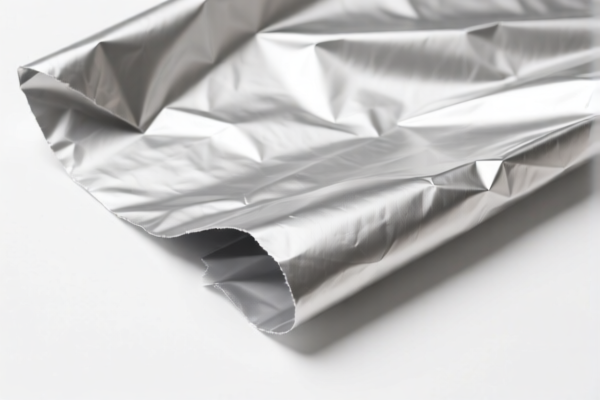
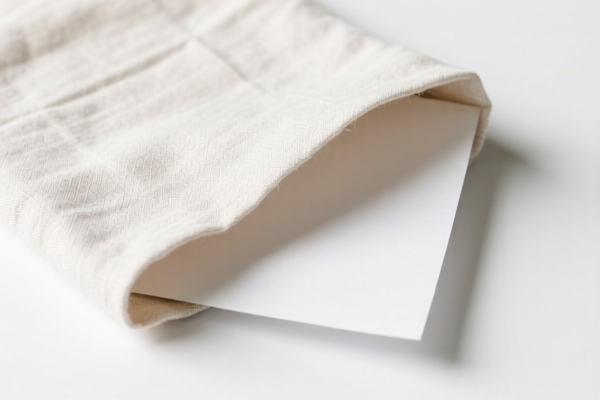
AI Analysis
📦 Paper Liner (Lining Paper) – HS Code & Tariff Guide | 2026 Comprehensive Customs Clearance Strategy
🌐 HS Code Classification & Duty Breakdown | U.S. Import Rules | Expert Compliance Insights
📌 One Product, Multiple Classifications – Why the Same Item Can Have 5 Different Tariffs
🧩 I. What Is a "Paper Liner"? The Hidden Complexity Behind a Simple Product
A paper liner is a thin, often flexible sheet used to protect, separate, or cushion products during packaging, transportation, or storage. While it may seem like a basic paper product, its classification depends on material composition, form, and intended use.
⚠️ Critical Insight:
- If made from pure paper → classified under paper products (HS 48)
- If made from plastic or composite materials → falls under plastics or other materials (HS 39)
- Even small differences in structure (e.g., coated, laminated, folded) can shift the HS code and trigger massive tariff changes
📦 II. HS Code Classification Matrix (2026 Official Tariff Table)
| HS Code | Product Description | Material Type | Form | Key Feature | Duty Rate |
|---|---|---|---|---|---|
4823.90.86.80 |
Other paper products – paper liners | Paper-based | Sheet/roll | General-purpose liner | 35.0% |
4823.90.67.00 |
Other paper products – paper liners | Paper-based | Sheet/roll | General-purpose liner | 35.0% |
3926.90.99.89 |
Other articles of plastic or other materials | Plastic/composite | Sheet/roll | Non-paper, flexible liner | 22.8% |
4818.90.00.80 |
Other paper products – paper sheets, not otherwise specified | Paper-based | Sheet/roll | General paper sheet | 17.5% |
4818.20.00.40 |
Paper handkerchiefs or facial tissues | Paper-based | Folded/soft | Soft, tissue-like, for personal use | 35.0% |
🔍 Why So Many Codes?
-4823.90.86.80&4823.90.67.00→ Both are general paper liners, but different subheadings due to specificity in production method or use case
-3926.90.99.89→ Plastic-based liner (e.g., polyethylene-coated, laminated film) → lower duty
-4818.90.00.80→ Plain paper sheet → lower rate due to lack of special function
-4818.20.00.40→ Tissue-like, soft paper → treated as facial tissue → highest duty (35%)
💰 III. 2026 U.S. Tariff Breakdown – Detailed Duty Explanation
✅ Applicable Country: United States (US)
✅ Origin: China (CN)
✅ Effective Date: November 10, 2025 (and onward)
✅ Tariff Basis: Ad Valorem (based on CIF value)
🎯 1. 4823.90.86.80 & 4823.90.67.00 – Paper Liners (General Use)
| Item | Detail |
|---|---|
| Base Duty | 0.0% |
| Section 301 (USITC) Additional Duty | +25.0% |
| Section 122 (IEEPA) Emergency Duty | +10.0% |
| Total Duty | 35.0% |
| Tax Calculation | CIF × 35% |
| De Minimis Threshold | ❌ Not applicable (denied) |
| Legal Basis Path | IEEPA:9903.01.25 → IEEPA:9903.01.24 → USITC:4823.90.86.80 → FOOTNOTE:9903.88.01 |
📌 Explanation:
- These codes apply to non-tissue, non-specialized paper liners used in packaging (e.g., for cosmetics, electronics, food). - Despite being “paper,” they are targeted under U.S. Section 301 and IEEPA due to China origin. - No de minimis exemption → even small shipments face full duty.
🎯 2. 3926.90.99.89 – Plastic or Composite Liners
| Item | Detail |
|---|---|
| Base Duty | 5.3% |
| Section 301 (USITC) Additional Duty | +7.5% |
| Section 122 (IEEPA) Emergency Duty | +10.0% |
| Total Duty | 22.8% |
| Tax Calculation | CIF × 22.8% |
| De Minimis Threshold | ❌ Not applicable |
| Legal Basis Path | IEEPA:9901.25 → IEEPA:9903.01.24 → USITC:3926.90.99.89 → FOOTNOTE:9903.88.01 |
📌 Explanation:
- Applies to plastic-coated, laminated, or composite liners (e.g., PE-coated paper, PET film liners). - Lower base duty (5.3%) but still subject to 25% + 10% add-ons. - 22.8% total is significantly lower than 35%, so material choice is critical.
🎯 3. 4818.90.00.80 – General Paper Sheets (Non-Specialized)
| Item | Detail |
|---|---|
| Base Duty | 0.0% |
| Section 301 (USITC) Additional Duty | +7.5% |
| Section 122 (IEEPA) Emergency Duty | +10.0% |
| Total Duty | 17.5% |
| Tax Calculation | CIF × 17.5% |
| De Minimis Threshold | ❌ Not applicable |
| Legal Basis Path | IEEPA:9903.01.24 → USITC:4818.90.00.80 → FOOTNOTE:9903.88.01 |
📌 Explanation:
- Applies to plain paper sheets not used for tissues, writing, or printing. - Lower duty due to less targeted status under Section 301. - Still subject to IEEPA 10% and USITC 7.5%.
🎯 4. 4818.20.00.40 – Paper Handkerchiefs / Facial Tissues
| Item | Detail |
|---|---|
| Base Duty | 0.0% |
| Section 301 (USITC) Additional Duty | +25.0% |
| Section 122 (IEEPA) Emergency Duty | +10.0% |
| Total Duty | 35.0% |
| Tax Calculation | CIF × 35% |
| De Minimis Threshold | ❌ Not applicable |
| Legal Basis Path | IEEPA:9903.01.25 → IEEPA:9903.01.24 → USITC:4818.20.00.40 → FOOTNOTE:9903.88.01 |
📌 Explanation:
- If the liner is soft, folded, tissue-like, and used for personal hygiene, it’s classified as facial tissue. - Same 35% rate as high-risk paper products – even if it’s just a liner. - High risk of misclassification → avoid if possible.
🛠️ IV. Customs Clearance Best Practices (Pro Tips to Avoid Penalties)
✅ 1. Documentation Checklist (Must-Have)
| Document | Required? | Why It Matters |
|---|---|---|
| ✅ Product Specification Sheet | ✔️ | Material, thickness, coating, folding type |
| ✅ Material Safety Data Sheet (MSDS) | ✔️ | Proves paper vs. plastic composition |
| ✅ Product Photos (Clear, with branding) | ✔️ | Shows texture, fold, layering |
| ✅ Third-Party Test Report | ✔️ | FDA, RoHS, REACH (if applicable) |
| ✅ Commercial Invoice | ✔️ | Must state exact product name and intended use |
| ✅ Certificate of Origin (CO) | ✔️ | Critical for duty calculation |
| ✅ Packing List | ✔️ | Shows packaging method (e.g., rolled, folded, stacked) |
✅ 2.申报技巧 (Smart Labeling & Naming)
🔥 "Name Matters, Material Matters, Use Matters!"
| Scenario | Correct HS Code | Incorrect Practice |
|---|---|---|
| Paper liner, flat, no coating | 4818.90.00.80 |
Mislabel as "paper sheet" → risk of 35% |
| Plastic-coated liner | 3926.90.99.89 |
Call it "paper liner" → 35% duty |
| Soft, folded, tissue-like | 4818.20.00.40 |
Claim it's a "packaging liner" → 35% |
| General-purpose paper liner | 4823.90.86.80 |
Use vague name → risk of 35% |
✅ Best Practice Name:
"Paper Liner, 0.08mm, Uncoated, Roll Form, for Packaging, Not for Personal Use, HS 4823.90.86.80"
✅ 3. Risk Mitigation Strategies
| Risk | Solution |
|---|---|
| Misclassification | Use pre-ruling (Advance Ruling) from U.S. CBP |
| High 35% Duty | Switch to plastic composite liner (3926.90.99.89) if material allows |
| De Minimis Denied | Ship in smaller batches (but still pay full duty) |
| Audit Risk | Keep detailed records of material, use, and testing |
🌍 V. Global Market Comparison (2026)
| Country | Recommended HS Code | Duty Rate | Certification | Notes |
|---|---|---|---|---|
| 🇺🇸 United States | 4823.90.86.80 |
35.0% (China) | None | No de minimis |
| 🇨🇳 China | 4823.90.86.80 |
5.0% | CCC | No extra tariffs |
| 🇪🇺 EU | 4823.90.86.80 |
0% (if CE) | CE | No IEEPA/301 |
| 🇦🇺 Australia | 4823.90.86.80 |
5.0% | RCM | No extra duties |
| 🇯🇵 Japan | 4823.90.86.80 |
0% | PSE | No additional tariffs |
📌 Insight:
- U.S. is the only market with 35% tariff on paper liners from China. - EU, Japan, Australia have much lower or zero tariffs – consider shifting supply chain.
📌 VI. Common Mistakes & Real-World Pitfalls
❌ Mistake 1: Calling a plastic-coated liner "paper liner"
👉 Result: 35% duty instead of 22.8% → extra $10k per container
❌ Mistake 2: Using soft, folded liner without proof of use
👉 Result: Classified as 4818.20.00.40 → 35% duty
❌ Mistake 3: Not providing material test report
👉 Result: CBP delays, audits, or reclassification
❌ Mistake 4: Assuming "paper" = low duty
👉 Result: 35% due to Section 301 + IEEPA – even if base duty is 0%
✅ Correct Approach:
Always declare material, form, and intended use clearly.
Use "Not for personal hygiene", "Not folded", "Coated with plastic" to avoid tissue classification.
🎯 VII. Final Verdict: How to Minimize Duty & Avoid Risk
🔹 If your liner is paper-based:
- Avoid4818.20.00.40(tissue) at all costs → 35%
- Use4823.90.86.80or4818.90.00.80→ 35% or 17.5%
- Best choice:4818.90.00.80(17.5%) if not tissue-like🔹 If your liner is plastic/composite:
- Use3926.90.99.89→ 22.8% → Save 12.2% vs. paper-based🔹 If you must ship from China to U.S.:
- Pre-apply for Advance Ruling → get legal certainty
- Switch to Vietnam/Mexico origin → IEEPA exemption possible
📣 Call to Action: Don’t Risk Your Shipment!
📞 Contact a U.S. Customs Broker + Submit Product Photos + Request HS Code Pre-Ruling
🚀 Save 10–20% in duties, avoid audits, and ship with confidence!
✨ Pro Tip:
If your liner is plastic-coated, laminated, or non-tissue, switch to
3926.90.99.89– it’s your best chance to cut duty by 12%.
📌 Remember:
"A paper liner is not just paper. It’s a tariff trap waiting to happen."
🔹 Material → Code → Duty → Risk
🔹 One wrong label = 35% instead of 17.5%
🔹 Accuracy = Profitability
💼 Your next shipment could save thousands – if you get the HS Code right.
📦 Don’t guess. Verify. Pre-ruling is your safety net.
Customer Reviews
About HS Code Classification
The Harmonized System (HS) is an internationally standardized nomenclature developed by the World Customs Organization (WCO) to classify traded products. Over 200 countries use the HS system as the basis for customs tariffs, trade statistics, and import/export regulations.
Each HS code follows a hierarchical structure:
- Chapter (2 digits) — Broad category of goods (e.g., Chapter 84: Machinery and Mechanical Appliances)
- Heading (4 digits) — More specific grouping within the chapter
- Subheading (6 digits) — Internationally standardized breakdown, used by all WCO member countries
- National subdivisions (8-10 digits) — Country-specific extensions for further classification, such as US HTSUS 10-digit codes
Correct HS code classification is essential for smooth customs clearance, accurate duty payment, and compliance with trade regulations. Misclassification can lead to customs delays, overpayment of duties, or penalties.
When importing from CN to US, the applicable tariff rates may include:
- Most-Favored-Nation (MFN) rate — The standard duty rate applied to WTO members
- General rate — Applied to countries without trade agreements
- Trade remedy duties — Additional tariffs such as Section 301 (anti-dumping), Section 232 (national security), or countervailing duties
The information provided on this page is for reference purposes only. For official classification, please consult with your local customs authority or a licensed customs broker.