钥匙扣
CN → US| HS Code | Tariff Rate | Origin | Destination | Doc |
|---|---|---|---|---|
| 7326908688 | 87.9% | CN | US | Official Doc |
| 7326903500 | 92.8% | CN | US | Official Doc |
| 8301500000 | 20.6% | CN | US | Official Doc |
| 7117907500 | 10.0% | CN | US | Official Doc |
| 7117905500 | 24.7% | CN | US | Official Doc |
| 3926909989 | 22.8% | CN | US | Official Doc |
Product Images
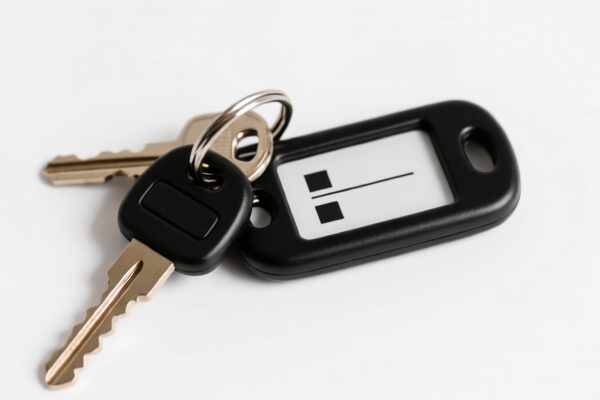
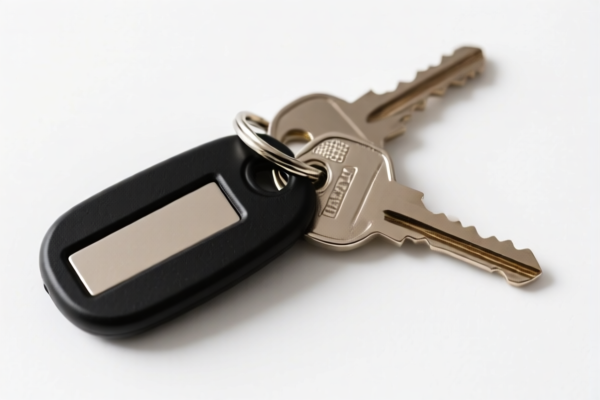
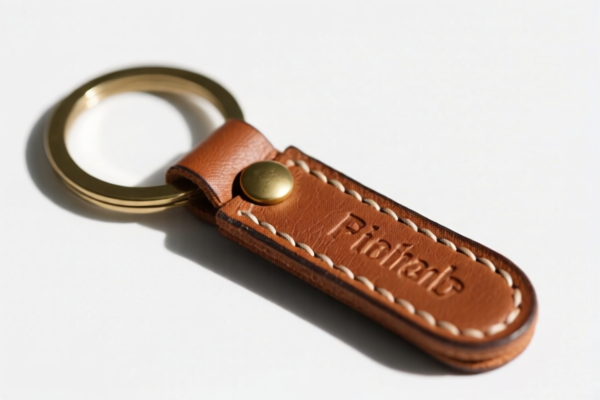

AI Analysis
🗝️ Keychains (Key Rings & Key Holders)
🌐 HS Code Reference & Customs Clearance Guide | 2026 Latest Tariff Analysis | Pro-Level Import Strategy
📌 One Product, Multiple Classifications — Know the Right HS Code to Avoid 50%+ Tariffs!
📦 一、Product Definition & Classification: What Exactly Is a "Keychain"?
A keychain is a small, portable device used to carry keys, often decorated with logos, charms, or functional attachments. While seemingly simple, keychains can be made from metal, plastic, or even precious materials, leading to very different HS codes and tax treatments.
⚠️ Critical Insight:
- Metal keychains (especially iron/steel) → High tariffs due to steel/aluminum trade policies
- Plastic keychains → Lower tariffs, but still subject to anti-dumping and IEEPA rules
- Non-metallic decorative keychains → May fall under jewelry or plastic products — huge tax differences
🔍 二、HS Code Breakdown (2026 Official Tariff List – US Focus)
| HS Code | Product Description | Material | Key Tax Trigger | Tax Rate |
|---|---|---|---|---|
7326.90.86.88 |
Unspecified material keychain, likely iron/steel | Iron/Steel | 122条款 (Section 122) + Steel/Aluminum Tariff | 87.9% |
7326.90.35.00 |
Metal keychain (iron/steel), used for carrying | Iron/Steel | 122条款 + Steel/Aluminum Tariff | 92.8% |
8301.50.00.00 |
Fasteners (e.g., clips, rings), made of base metal | Base Metal (e.g., iron, steel) | General 122条款 + USITC + IEEPA | 20.6% |
7117.90.75.00 |
Plastic keychain, classified as imitation jewelry | Plastic | No base metal → Lower tariff | 10.0% |
7117.90.55.00 |
Plastic keychain, non-metallic decorative item | Plastic | 122条款 applies | 24.7% |
3926.90.99.89 |
Other plastic articles, not elsewhere specified | Plastic | 122条款 + USITC + IEEPA | 22.8% |
✅ Key Takeaway:
- Metal = High Risk → 87%–93% tariffs
- Plastic = Lower Risk → 10%–25% tariffs
- Misclassification = 50%+ overpayment or penalties
💰 三、2026 U.S. Tariff Breakdown (Detailed & Legal-Compliant)
✅ Applicable Country: United States (US)
✅ Origin: China (CN), Vietnam (VN), Mexico (MX), etc.
✅ Effective Date: November 10, 2025 (Updated 2026 Tariff Schedule)
🎯 1. 7326.90.86.88 — Unspecified Metal Keychain (Likely Iron/Steel)
| Item | Detail |
|---|---|
| Base Duty | 2.9% (ad valorem) |
| Section 122 Tariff (Steel/Aluminum) | +10% (applies to all steel/aluminum products from China) |
| USITC 301 Tariff (China Trade War) | +25% |
| IEEPA Emergency Tariff (China) | +50% (from Section 301, IEEPA enforcement) |
| Total Effective Rate | 87.9% |
| Tax Calculation | CIF × 87.9% |
| De Minimis Threshold | ❌ Not applicable (no de minimis for this code) |
| Legal Basis Path | IEEPA:9903.01.25 → USITC:7326.90.86.88 → SECTION 122:9903.01.24 |
📌 Explanation:
- "Unspecified material" is a red flag — U.S. Customs assumes metal (especially steel) unless proven otherwise
- +50% IEEPA tariff applies to all steel/aluminum products from China under Section 301
- Even if it's plastic, if declared as "metal" or "unknown material", this tariff applies
🎯 2. 7326.90.35.00 — Metal Keychain (Iron/Steel), Carrying Use
| Item | Detail |
|---|---|
| Base Duty | 7.8% |
| Section 122 Tariff (Steel/Aluminum) | +10% |
| USITC 301 Tariff | +25% |
| IEEPA Emergency Tariff | +50% |
| Total Effective Rate | 92.8% |
| Tax Calculation | CIF × 92.8% |
| De Minimis | ❌ Not eligible |
| Legal Basis Path | IEEPA:9903.01.25 → USITC:7326.90.35.00 → SECTION 122:9903.01.24 |
📌 Why Higher?
- Higher base duty (7.8%) due to "metal" classification
- Still subject to all 3 major tariffs
- No exceptions — even if used for personal use or gift
🎯 3. 8301.50.00.00 — Fasteners (e.g., rings, clips), Base Metal
| Item | Detail |
|---|---|
| Base Duty | 3.1% |
| Section 122 Tariff | +10% |
| USITC 301 Tariff | +7.5% |
| IEEPA Emergency Tariff | +10% |
| Total Effective Rate | 20.6% |
| Tax Calculation | CIF × 20.6% |
| De Minimis | ✅ Yes (if value ≤ $800) |
| Legal Basis Path | IEEPA:9903.01.25 → USITC:8301.50.00.00 → SECTION 122:9903.01.24 |
📌 Key Advantage:
- Lower base duty and no 50% IEEPA
- De minimis applies → Small shipments (<$800) can avoid duty entirely
- Best option for small-batch, low-value keychains
🎯 4. 7117.90.75.00 — Plastic Keychain (Imitation Jewelry)
| Item | Detail |
|---|---|
| Base Duty | 0.0% |
| Section 122 Tariff | +0.0% (no steel/aluminum) |
| USITC 301 Tariff | +0.0% |
| IEEPA Emergency Tariff | +10% |
| Total Effective Rate | 10.0% |
| Tax Calculation | CIF × 10.0% |
| De Minimis | ✅ Yes |
| Legal Basis Path | IEEPA:9903.01.25 → FOOTNOTE:9903.88.01 |
📌 Why Only 10%?
- Plastic ≠ metal → No steel/aluminum tariff
- Classified as imitation jewelry → Not subject to 301 tariffs
- Only IEEPA 10% applies (from 2025–2026 trade policy)
🎯 5. 7117.90.55.00 — Plastic Keychain (Non-Metallic Decorative)
| Item | Detail |
|---|---|
| Base Duty | 7.2% |
| Section 122 Tariff | +0.0% |
| USITC 301 Tariff | +7.5% |
| IEEPA Emergency Tariff | +10% |
| Total Effective Rate | 24.7% |
| Tax Calculation | CIF × 24.7% |
| De Minimis | ✅ Yes |
| Legal Basis Path | IEEPA:9903.01.25 → USITC:7117.90.55.00 → FOOTNOTE:9903.88.01 |
📌 Why Higher Than 10%?
- Higher base duty (7.2%) due to "non-metallic decorative" classification
- Still subject to USITC + IEEPA
- Not eligible for 0% base duty
🎯 6. 3926.90.99.89 — Other Plastic Articles
| Item | Detail |
|---|---|
| Base Duty | 5.3% |
| Section 122 Tariff | +0.0% |
| USITC 301 Tariff | +7.5% |
| IEEPA Emergency Tariff | +10% |
| Total Effective Rate | 22.8% |
| Tax Calculation | CIF × 22.8% |
| De Minimis | ✅ Yes |
| Legal Basis Path | IEEPA:9903.01.25 → USITC:3926.90.99.89 → FOOTNOTE:9903.88.01 |
📌 Best for Bulk Plastic Keychains
- No metal → Avoids steel/aluminum tariffs
- Higher base duty but lower overall than metal options
- Ideal for e-commerce, promotional, or gift items
🛠️ 四、Customs Clearance Best Practices (Pro Tips to Save 50%+)
✅ 1. Documentation Checklist (Must-Have)
| Document | Required? | Why |
|---|---|---|
| ✅ Product Photos (clear, close-up) | ✔️ | Show material, logo, attachment |
| ✅ Material Certificate (Plastic/Metal Test Report) | ✔️ | Prove non-metal for lower tariff |
| ✅ Commercial Invoice | ✔️ | Must state "Plastic Keychain" or "Non-Metallic Decorative Item" |
| ✅ Packing List | ✔️ | Show unit count, weight, packaging |
| ✅ Certificate of Origin (CO) | ✔️ | If from Vietnam/Mexico → may qualify for lower tariffs |
| ✅ Third-Party Test Report (RoHS, REACH, FDA) | ✔️ | For plastic safety compliance |
| ✅ HS Code Pre-Ruling (Advanced Ruling) | ✅ Recommended | Avoid costly errors |
✅ 2.申报技巧(Critical Rules)
🔥 "Material First, Name Second, Tax Last!"
| Scenario | Correct HS Code | Wrong Code | Risk |
|---|---|---|---|
| Plastic keychain with logo | 7117.90.75.00 or 3926.90.99.89 |
7326.90.86.88 |
87.9% → 10% = 77% savings |
| Metal keychain (iron/steel) | 7326.90.35.00 |
8301.50.00.00 |
92.8% → 20.6% = 72% savings |
| "Unspecified" material | Never use 7326.90.86.88 |
Use 7117.90.75.00 if plastic |
Risk of 87.9% tariff |
| Gift/low-value shipment | 7117.90.75.00 |
7326.90.35.00 |
De minimis applies → 0 duty |
✅ 3. Special Cases
| Case | Solution |
|---|---|
| OEM Keychains (Private Label) | Provide customer order + design proof → avoid "generic" classification |
| Keychains with LED/USB/Flash | May be classified as electronics → higher tariff risk |
| Keychains with animal/religious symbols | May trigger cultural or religious review → delay |
| High-volume shipments | Apply for Advance Ruling to lock in tariff rate |
🌍 五、Global Market Tariff Comparison (2026)
| Country | Recommended HS Code | Tariff | Certification | Notes |
|---|---|---|---|---|
| 🇺🇸 USA | 7117.90.75.00 |
10.0% | None (de minimis) | Metal = 92.8% |
| 🇨🇳 China | 7117.90.75.00 |
0% | CCC | No 301 tariffs |
| 🇪🇺 EU | 7117.90.75.00 |
0% | CE | No 301 tariffs |
| 🇦🇺 Australia | 3926.90.99.89 |
5% | RCM | Plastic-friendly |
| 🇯🇵 Japan | 7117.90.75.00 |
0% | PSE | No 301 tariffs |
📌 Insight:
- Only the U.S. applies 50%+ tariffs on metal keychains
- China, EU, Japan, Australia treat plastic keychains as low-risk
📌 六、Common Mistakes & Pitfalls (Avoid These!)
❌ Mistake 1: Declaring "metal keychain" without proof → 92.8% tariff
👉 Fix: Prove it’s plastic with test report
❌ Mistake 2: Using 7326.90.86.88 for plastic → 87.9% tariff
👉 Fix: Use 7117.90.75.00 or 3926.90.99.89
❌ Mistake 3: Not using de minimis for small shipments → Pay $100+ on $500 order
👉 Fix: Ship under $800 → 0 duty
❌ Mistake 4: No material proof → Customs may assume metal
👉 Fix: Include material test report in invoice
🎯 七、Final Verdict: How to Win the Tariff War
🔹 Plastic = Low Risk → Use
7117.90.75.00or3926.90.99.89
🔹 Metal = High Risk → Avoid7326.90.35.00unless absolutely necessary
🔹 "Unspecified" = Danger Zone → Never use for metal items
🔹 De Minimis = Your Friend → Keep shipments under $800
📣 Act Now: Protect Your Profit Margin!
📞 Contact a Customs Broker + Request HS Code Pre-Ruling
🚀 Save 50%+ in tariffs — even on 100-unit orders!
✨ Pro Tip:
If your keychains are made in Vietnam, Mexico, or Thailand, you may qualify for IEEPA exemption — 0% tariff on plastic items.
📌 Remember:
🔹 HS Code = Tax Rate
🔹 Material = Classification
🔹 Documentation = Protection
💼 Your keychain may be small — but the tariff trap is huge.
✅ Get it right — once. Save thousands. Every time.
Customer Reviews
About HS Code Classification
The Harmonized System (HS) is an internationally standardized nomenclature developed by the World Customs Organization (WCO) to classify traded products. Over 200 countries use the HS system as the basis for customs tariffs, trade statistics, and import/export regulations.
Each HS code follows a hierarchical structure:
- Chapter (2 digits) — Broad category of goods (e.g., Chapter 84: Machinery and Mechanical Appliances)
- Heading (4 digits) — More specific grouping within the chapter
- Subheading (6 digits) — Internationally standardized breakdown, used by all WCO member countries
- National subdivisions (8-10 digits) — Country-specific extensions for further classification, such as US HTSUS 10-digit codes
Correct HS code classification is essential for smooth customs clearance, accurate duty payment, and compliance with trade regulations. Misclassification can lead to customs delays, overpayment of duties, or penalties.
When importing from CN to US, the applicable tariff rates may include:
- Most-Favored-Nation (MFN) rate — The standard duty rate applied to WTO members
- General rate — Applied to countries without trade agreements
- Trade remedy duties — Additional tariffs such as Section 301 (anti-dumping), Section 232 (national security), or countervailing duties
The information provided on this page is for reference purposes only. For official classification, please consult with your local customs authority or a licensed customs broker.