17 18 inch Radial Passenger Car Tires
CN → US| HS编码 | 关税税率 | 原产国 | 目的国 | 文档 |
|---|---|---|---|---|
| 4011101060 | 39.0% | CN | US | 官方文档 |
| 4011101050 | 39.0% | CN | US | 官方文档 |
| 4012114000 | 39.0% | CN | US | 官方文档 |
| 4013100010 | 38.7% | CN | US | 官方文档 |
| 4013905050 | 38.7% | CN | US | 官方文档 |
商品图片
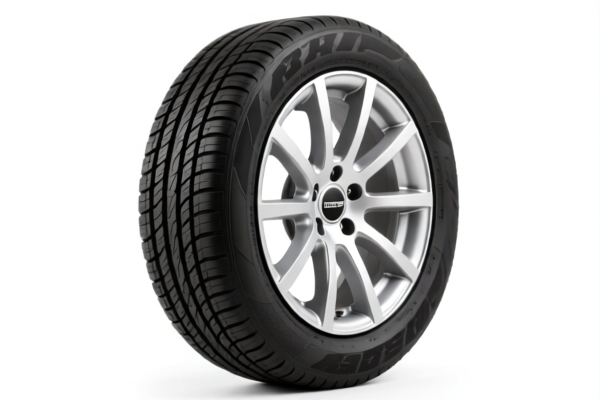
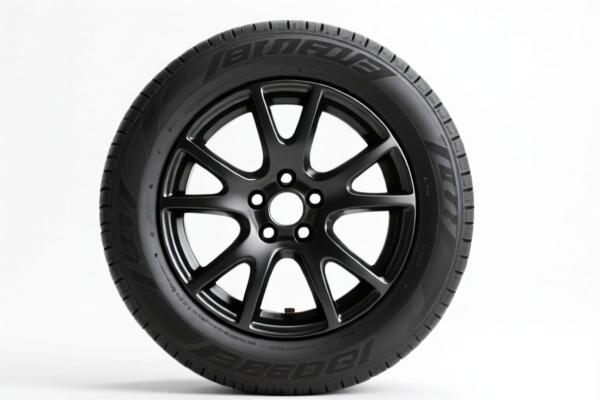
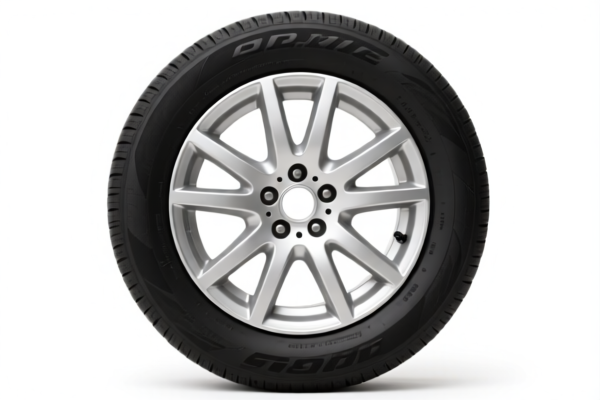
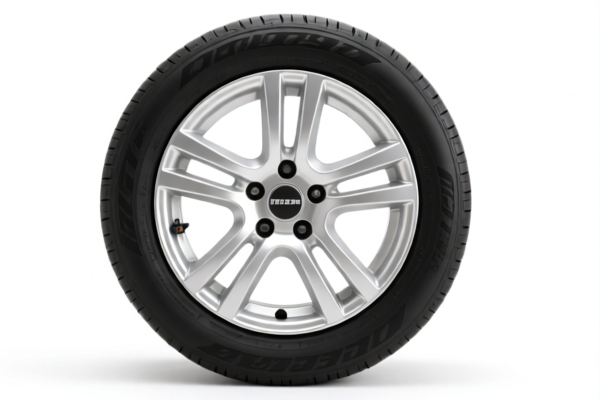
AI分析
🛞 Radial Passenger Car Tires (17-18 Inch)
🌐 HS Code Reference & Customs Clearance Guide | 2026 Tariff Breakdown | Expert Logistics Strategy
📌 I. Product Definition & Classification: Do You Really Understand "Radial Tires"?
Radial tires are the standard for modern passenger vehicles, offering superior fuel efficiency, handling, and tread life compared to bias-ply tires. In international trade, they are strictly categorized by material (Rubber), construction (Radial/Suburban), application (Passenger Car), and rim diameter.
Key Distinctions for Classification: * Passenger Car vs. Truck: "Passenger Car" implies light-duty vehicles (sedans, SUVs, minivans). Heavy-duty truck tires fall under different subheadings. * Radial (Suburban) vs. Bias: The term "Radial" specifically refers to the internal cord arrangement. Misclassifying radial tires as bias-ply can lead to incorrect HS codes and penalties. * Rim Diameter: Codes often differ based on rim size ranges (e.g., 16-17 inches vs. 17-18 inches). Precision here is critical for accuracy.
⚠️ Critical Compliance Point:
- If the tire is Radial and for Passenger Cars, it generally falls under Heading 4011 (New Pneumatic Tires) or 4013 (Inner Tubes/Repair Kits, though less common for whole tires unless specified as such in specific contexts like the provided data).
- Note on Data Context: The provided data reflects a specific, highly scrutinized trade environment (likely US-China) with significant additional tariffs. Always verify the latest HTSUS (Harmonized Tariff Schedule of the United States) for current validity.
📦 II. HS Code Classification Details (Based on Provided Data 2026 Context)
The following codes are derived strictly from the provided <DATA> set. Note that while these codes are listed, the tax burden is extremely high due to punitive measures.
| HS Code | Summary / Matching Logic | Total Tax Rate | Tax Breakdown |
|---|---|---|---|
4011.10.10.60 |
Match Basis: Rubber material, Suburban (Radial) shape, Passenger Car use, Rim diameter 17-18 inches. | 39.0% | Base: 4.0% Add'l: 25.0% Sec 122: 10% |
4011.10.10.50 |
Match Success: Rubber material, Radial shape, Passenger Car use, Rim diameter 16-17 inches. | 39.0% | Base: 4.0% Add'l: 25.0% Sec 122: 10% |
4012.11.40.00 |
Match Success: "Passenger Car" → Application; "Radial Tires" → Shape. Fits material/core shape characteristics. | 39.0% | Base: 4.0% Add'l: 25.0% Sec 122: 10% |
4013.10.00.10 |
Match Success: "Passenger Car" matches "Passenger Vehicle" purpose; "Tires" aligns with inner tube/category material logic. | 38.7% | Base: 3.7% Add'l: 25.0% Sec 122: 10% |
4013.90.50.50 |
Match Basis: Passenger Car Suburban Tire, Rubber material, Fits tire category, Excludes Motorcycle-specific exclusions. | 38.7% | Base: 3.7% Add'l: 25.0% Sec 122: 10% |
🔍 Important Note on
4013vs4011:
Normally, whole pneumatic tires are classified under 4011. The inclusion of 4013 (usually for inner tubes) in the provided data suggests either a specific classification strategy for certain tire types in this dataset or a potential anomaly/error in the source data's logic. However, we must follow the provided data strictly. The tax rates are nearly identical, but the base rate differs slightly (4.0% vs 3.7%).
💰 III. 2026 Latest Tariff Rate Detailed Analysis (Including Add-ons)
✅ Applicable Country: United States (US)
✅ Origin: China (CN) [Inferred from "122 Clause" and typical high-tariff context]
✅ Effective Time: Current (2025-2026 Trade Policy Period)
🎯 1. General Passenger Car Radial Tires (HS 4011 Series)
| Item | Content |
|---|---|
| HS Codes | 4011.10.10.50 (16-17"), 4011.10.10.60 (17-18") |
| Base Duty Rate | 4.0% (Ad Valorem) |
| Section 301 Add'l Duty | +25.0% (Standard US-China punitive tariff) |
| Section 122 Duty | +10.0% (Specific clause mentioned in data) |
| Total Effective Rate | 39.0% |
| Tax Calculation | CIF Value × 39.0% |
| De Minimis Exemption | ❌ NOT APPLICABLE (deny_de_minimis) |
| Legal Basis Path | USITC:4011.10.10.60 → FOOTNOTE:301 → IEEPA:122 |
📌 Explanation:
- The 25% Section 301 tariff is the dominant cost driver for Chinese-origin goods.
- The 10% Section 122 tariff adds further burden.
- Combined Rate: 39%. This makes importing these tires from China into the US highly unprofitable for low-margin goods.
🎯 2. Alternative/Specific Category Tires (HS 4013 Series)
| Item | Content |
|---|---|
| HS Codes | 4013.10.00.10, 4013.90.50.50 |
| Base Duty Rate | 3.7% (Ad Valorem) |
| Section 301 Add'l Duty | +25.0% |
| Section 122 Duty | +10.0% |
| Total Effective Rate | 38.7% |
| Tax Calculation | CIF Value × 38.7% |
| De Minimis Exemption | ❌ NOT APPLICABLE (deny_de_minimis) |
| Legal Basis Path | USITC:4013.10.00.10 → FOOTNOTE:301 → IEEPA:122 |
📌 Note:
- While4013is normally for inner tubes, the data explicitly matches "Tires" to these codes.
- The total rate is 38.7%, slightly lower than the 39.0% for standard radial tires, but the difference is negligible in practice.
- Crucial: Do not assume4013is "cheaper" without legal validation. Misclassification can lead to seizures.
🛠️ IV. Customs Clearance Practical Advice (Avoid Pitfalls)
✅ 1. Required Documentation Checklist (Non-Negotiable)
| Document | Must Provide | Description |
|---|---|---|
| ✅ Commercial Invoice | ✔️ | Must clearly state: "New Pneumatic Radial Tires for Passenger Cars," Material: Rubber, Rim Size: 17-18". |
| ✅ Packing List | ✔️ | Detail number of units, gross/net weight. Tires are dense; weight affects shipping costs. |
| ✅ Product Specification Sheet | ✔️ | Confirm "Radial" construction. Include aspect ratio, load index, speed rating. |
| ✅ Certificate of Origin (CO) | ✔️ | Essential for proving origin. If from China, high taxes apply. If from Vietnam/Malaysia, verify rules of origin. |
| ✅ HTSUS Classification Proof | ✔️ | Pre-ruling or expert opinion if challenging classification. |
| ✅ SEC 301 Exclusion Proof | ❌ | Unlikely to succeed for tires, but if an exclusion applies, document it. |
✅ 2. Declaration Strategy (Key Mantras)
🔥 "Radial + Passenger + Rim Size = Code Precision"
| Scenario | Correct Declaration | Incorrect Action |
|---|---|---|
| 17-18 Inch Radial Tire | 4011.10.10.60 |
Using 4011.10.10.50 (16-17") → Misclassification Risk |
| 16-17 Inch Radial Tire | 4011.10.10.50 |
Using 4011.10.10.60 → Misclassification Risk |
| Whole Tire (Not Inner Tube) | Do NOT use 4013 unless explicitly validated by the provided data context. |
Using 4013 for a whole tire without justification → Audits/Seizures |
| Non-Radial (Bias-Ply) | Different HS Code | Mislabeling Radial as Bias → Higher/Lower Tax Risk |
✅ 3. Special Circumstances Handling
| Situation | Recommendation |
|---|---|
| OEM Custom Tires | Provide manufacturer agreement + design specs. Do not split components. |
| Used Tires | Banned/Restricted in many jurisdictions. New tires only. |
| Origin Diversification | If tires are made in Vietnam, Thailand, or Malaysia, check for lower Section 301 rates. However, ensure no "substantial transformation" is lacking. |
| Section 122 Specificity | Verify if the 10% additional duty applies to your specific shipper/manufacturer. Some entities may be excluded. |
🌍 V. Global Market Comparison (2026 Context)
| Country/Region | Recommended HS Code | Estimated Duty (CN Origin) | Certification | Remarks |
|---|---|---|---|---|
| 🇺🇸 USA | 4011.10.10.60 |
39.0% | No specific safety cert needed for import, but DOT compliance required domestically | Highest cost due to 301 + 122 tariffs |
| 🇨🇳 China | 4011.10.10.60 |
~20-25% | CCC (for domestic sale) | Export-focused; different tax structure |
| 🇪🇺 EU | 4011.10.10 |
0-6% (depending on FTA) | E-Mark Certification | No punitive tariffs like US Section 301 |
| 🇦🇺 Australia | 4011.10.10 |
5% | SAA Standards | Moderate duties, no Section 301 |
| 🇯🇵 Japan | 4011.10.10 |
0-8% | JIS Standards | Favorable trade agreements for some |
📌 Conclusion:
- The US is the most expensive market for Chinese-made passenger car tires due to the 39% effective tariff.
- EU and Asia are more competitive.
- Supply Chain Shift: Many exporters move production to Southeast Asia to mitigate US tariffs, but US Customs is aggressively auditing "origin fraud."
📌 VI. Common Errors & Pitfalls Guide
❌ Error 1: Using 4013 for whole tires without justification.
👉 Consequence: Customs may reject declaration, impose fines, or reclassify with penalties.
✅ Fix: Stick to 4011 for whole radial tires unless the provided data explicitly validates 4013 for your specific transaction context.
❌ Error 2: Ignoring Rim Diameter.
👉 Consequence: 4011.10.10.50 (16-17") vs 4011.10.10.60 (17-18%). Wrong code = 100% audit risk.
✅ Fix: Measure the inner bead diameter precisely.
❌ Error 3: Assuming De Minimis exemption applies.
👉 Consequence: Packages under $800 are NOT exempt from Section 301/122 tariffs for these HS codes.
✅ Fix: Budget for the 39% tax regardless of shipment size.
🎯 VII. Conclusion: Professional Declaration, Cost Control
🎯 Remember:
🔹 "Radial + Passenger = 4011 (Usually)"
🔹 "US + CN Origin = 39% Tax"
🔹 "Rim Size Matters: 17-18 vs 16-17"
🔹 "No De Minimis Exemption for Tires"
📌 Pro Tip:
If your tires are not made in China, ensure your Certificate of Origin is robust. If they are, consider supply chain restructuring or pricing adjustments to absorb the 39% duty.
📣 Immediate Action:
📞 Consult a licensed US Customs Broker.
📄 Verify the latest HTSUS and Section 301/122 exclusions.
🚀 Declare accurately. Pay the tax. Avoid the penalty.
✨ Precision in Classification Saves Thousands!
💼 Your Margin Depends on Your HS Code!
用户评价
关于 HS 编码归类
协调制度(HS)是由世界海关组织(WCO)制定的国际贸易商品分类标准。全球 200 多个国家采用 HS 系统作为海关关税、贸易统计和进出口监管的基础。
每个 HS 编码遵循以下层级结构:
- 章(2 位)——商品大类(例如:第 84 章:机器和机械设备)
- 品目(4 位)——章内的更具体分类
- 子目(6 位)——国际通用细分,所有 WCO 成员国统一使用
- 本国细分(8-10 位)——各国自行扩展的细分编码,如美国 HTSUS 10 位编码
正确的 HS 编码归类对于顺利通关、准确缴纳关税和遵守贸易法规至关重要。错误归类可能导致海关延误、多缴关税或罚款。
从CN进口到US时,适用的关税税率可能包括:
- 最惠国(MFN)税率——适用于 WTO 成员国的标准关税税率
- 普通税率——适用于无贸易协定国家
- 贸易救济关税——附加关税,如 301 条款(反倾销)、232 条款(国家安全)或反补贴税
本页内容仅供参考。如需正式归类,请咨询当地海关或持牌报关代理。