2 Liter Square Container
CN → US| HS编码 | 关税税率 | 原产国 | 目的国 | 文档 |
|---|---|---|---|---|
| 3923300090 | 38.0% | CN | US | 官方文档 |
| 7013496090 | 24.7% | CN | US | 官方文档 |
| 7013495090 | 25.0% | CN | US | 官方文档 |
| 8007001050 | 37.1% | CN | US | 官方文档 |
| 9017308000 | 38.9% | CN | US | 官方文档 |
商品图片
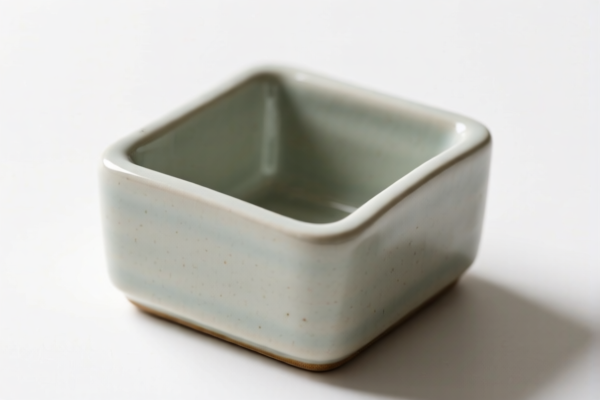
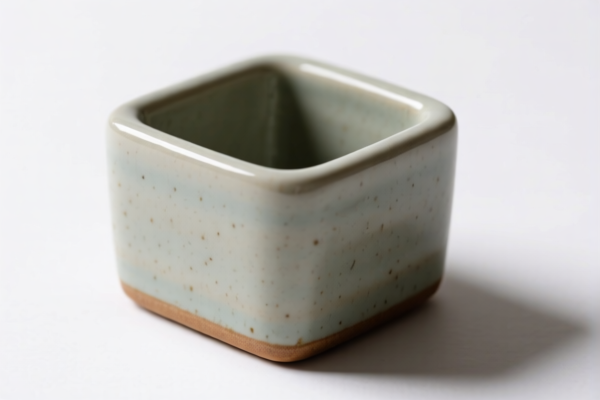
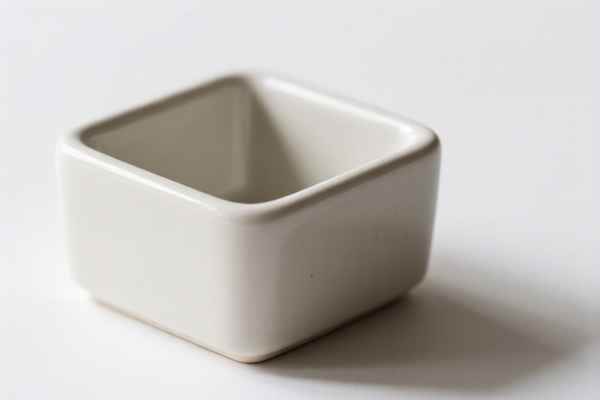
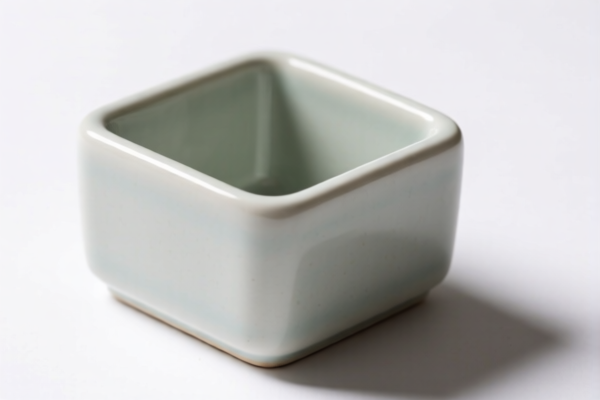
AI分析
📦 2-Liter Square Container: HS Code Classification & US Customs Clearance Guide
🌐 HS Code Reference & Customs Clearance Strategy | 2026 Latest Tariff Analysis | Professional Import Compliance
📌 Part I: Product Definition & Key Classification Logic
A 2-Liter Square Container is a versatile packaging item used across various industries. In international trade, the Harmonized System (HS) code is material-dependent and use-dependent. The shape ("Square") and capacity ("2-Liter") are secondary to the primary material composition and intended function.
⚠️ Critical Distinction:
- Plastic containers for transport/packaging → Chapter 39
- Glass containers for kitchen/dining use → Chapter 70
- Tin/Metal containers for household use → Chapter 80
- Measuring Tools (unlikely for food storage, but possible for lab/math) → Chapter 90
Misclassification leads to severe penalties, delayed clearance, or unexpected tax liabilities. Below is the detailed breakdown based on the provided data.
📊 Part II: HS Code Classification Matrix (2026 Latest Tariffs)
| HS Code | Material | Primary Use | Key Characteristics |
|---|---|---|---|
3923.30.00.90 |
Plastic | Transport/Packaging | Rigid, 2L capacity, non-decorative, industrial/commercial packing |
7013.49.60.90 |
Glass | Tableware/Kitchen | General-purpose, non-specific kitchen/table use |
7013.49.50.90 |
Glass | Kitchen Specific | Explicitly for kitchen use, distinct from general tableware |
8007.00.10.50 |
Tin | Household/Kitchen | Tin-plated or tin alloy container, home use |
9017.30.80.00 |
Instrument | Measuring/Drawing | Used for scientific, mathematical, or drafting purposes (not food storage) |
🔍 Note on "Square Shape":
The "Square" shape does not dictate the HS code. Instead, it must be described in the commercial invoice. The material is the primary classifier.
💰 Part III: Detailed Tariff Analysis (US Import from China)
✅ Country of Origin: China (CN)
✅ Destination: United States (US)
✅ Effective Date: Rates apply as of 2026 (including Section 301 & IEEPA surcharges)
🎯 1. 3923.30.00.90 – Plastic Articles for Transport/Packaging
| Item | Detail |
|---|---|
| Base Duty | 3.0% |
| Section 301 Duty | 25.0% (USITC Footnote 9903.88.01) |
| IEEPA Surcharge | 10.0% (122 Clause) |
| Total Tax Rate | 38.0% |
| De Minimis Exemption | ❌ Not Eligible (Denied) |
| Calculation | CIF Value × 38.0% |
| Legal Path | IEEPA:9903.01.24 → USITC:3923.30.00.90 → FOOTNOTE:9903.88.01 |
📌 Analysis:
- Plastic packaging from China faces high tariffs due to its classification under Section 301.
- Total burden: 38%. This is a significant cost factor for e-commerce sellers importing plastic tupperware or shipping containers.
🎯 2. 7013.49.60.90 – Glass Tableware (General)
| Item | Detail |
|---|---|
| Base Duty | 7.2% |
| Section 301 Duty | 7.5% |
| IEEPA Surcharge | 10.0% (122 Clause) |
| Total Tax Rate | 24.7% |
| De Minimis Exemption | ❌ Not Eligible (Denied) |
| Calculation | CIF Value × 24.7% |
| Legal Path | IEEPA:9901.25 → USITC:7013.49.60.90 → FOOTNOTE:9903.88.01 |
📌 Analysis:
- Glass tableware has a lower base duty but is still subject to significant surcharges.
- Total burden: 24.7%. Lower than plastic, but still substantial.
🎯 3. 7013.49.50.90 – Glass Kitchenware (Specific)
| Item | Detail |
|---|---|
| Base Duty | 15.0% |
| Section 301 Duty | 0.0% |
| IEEPA Surcharge | 10.0% (122 Clause) |
| Total Tax Rate | 25.0% |
| De Minimis Exemption | ❌ Not Eligible (Denied) |
| Calculation | CIF Value × 25.0% |
| Legal Path | IEEPA:9901.25 → USITC:7013.49.50.90 → FOOTNOTE:9903.88.01 |
📌 Analysis:
- Counter-Intuitive Insight: While the base duty is higher (15% vs 7.2%), the Section 301 duty is 0% for this specific subheading.
- Total burden: 25.0%. This is slightly higher than7013.49.60.90(24.7%) but offers a different tariff structure. Ensure precise description ("Kitchen Use") to avoid misclassification.
🎯 4. 8007.00.10.50 – Tin Articles
| Item | Detail |
|---|---|
| Base Duty | 2.1% |
| Section 301 Duty | 25.0% |
| IEEPA Surcharge | 10.0% (122 Clause) |
| Total Tax Rate | 37.1% |
| De Minimis Exemption | ❌ Not Eligible (Denied) |
| Calculation | CIF Value × 37.1% |
| Legal Path | IEEPA:9903.01.24 → USITC:8007.00.10.50 → FOOTNOTE:9903.88.01 |
📌 Analysis:
- Tin containers (e.g., antique-style tins) have a low base duty but are hit with the full 25% Section 301 tariff.
- Total burden: 37.1%. Similar to plastic.
🎯 5. 9017.30.80.00 – Measuring Instruments
| Item | Detail |
|---|---|
| Base Duty | 3.9% |
| Section 301 Duty | 25.0% |
| IEEPA Surcharge | 10.0% (122 Clause) |
| Total Tax Rate | 38.9% |
| De Minimis Exemption | ❌ Not Eligible (Denied) |
| Calculation | CIF Value × 38.9% |
| Legal Path | IEEPA:9903.01.24 → USITC:9017.30.80.00 → FOOTNOTE:9903.88.01 |
📌 Analysis:
- This HS code is for tools (e.g., square rulers, drafting squares), not storage containers.
- Total burden: 38.9%. The highest among all options.
- Warning: Do not import storage containers under this code. Customs will reclassify and penalize for undervaluation/misdeclaration.
🛠️ Part IV: Customs Clearance Practical Advice
✅ 1. Required Documentation (Mandatory)
| Document | Purpose | Critical Details |
|---|---|---|
| Commercial Invoice | Proof of Value | Must state: Material, Capacity (2L), Shape (Square), Intended Use (e.g., "Food Grade Plastic Storage") |
| Packing List | Volume/Weight | Include gross/net weight, dimensions |
| Product Photos | Verification | Clear images showing material texture, markings, and capacity labels |
| FCC/CE/RoHS | Compliance | If plastic/glass/electronic components are involved, safety certifications are required |
| Certificate of Origin | Tariff Optimization | If imported from Vietnam/Mexico, may qualify for IEEPA exemptions |
✅ 2. Classification Strategy & Pitfalls
| Scenario | Correct HS Code | Risk of Misclassification |
|---|---|---|
| Plastic food box for shipping | 3923.30.00.90 |
Low risk if described correctly. |
| Glass jar for pickles/kitchen | 7013.49.50.90 or 7013.49.60.90 |
High Risk: Mixing up "Kitchen" vs. "General Tableware". Choose based on marketing intent. |
| Tin box for cookies | 8007.00.10.50 |
Medium Risk: Ensure it's not classified as "Tinplate" (Chapter 73) if it's a finished container. |
| Plastic ruler (square) | 9017.30.80.00 |
Critical: Do not confuse measuring squares with storage containers. |
🔥 Golden Rule:
"Describe Material + Use Clearly. Don't Guess the HS Code."
- If you import a Plastic Container, declare it as3923.30.00.90.
- If you import a Glass Jar, declare it as7013.49.50.90(if for kitchen) or7013.49.60.90(if general).
✅ 3. Special Cases
| Case | Recommendation |
|---|---|
| Private Label (OEM) | Include brand name and model number on the product. |
| Mixed Containers | If a shipment contains both plastic and glass, declare separately. Do not lump under one HS code. |
| Sample vs. Commercial | Both are subject to the same tariffs. No de minimis exemption for China-origin goods. |
🌍 Part V: Global Market Comparison (2026)
| Market | Recommended HS Code | Approx. Total Duty (China Origin) | Notes |
|---|---|---|---|
| 🇺🇸 USA | Varies by Material | 24.7% - 38.9% | High Section 301 & IEEPA tariffs. No de minimis. |
| 🇨🇳 China | Varies by Material | 3% - 15% | Low base duty, no surcharges. |
| 🇪🇺 EU | Varies by Material | 0% - 10% | No Section 301. VAT applies separately. |
| 🇬🇧 UK | Varies by Material | 0% - 10% | Post-Brexit tariffs, no US surcharges. |
📌 Conclusion:
- USA is the most expensive market for these goods due to trade policies.
- EU/UK are more favorable, but VAT and compliance (REACH, UKCA) add complexity.
- Consider Supply Chain Diversification: Importing from non-China sources (e.g., Vietnam) may reduce US tariffs significantly.
📌 Part VI: Common Errors & How to Avoid Them
❌ Error 1: Classifying a Glass Jar under 3923.30.00.90 (Plastic)
👉 Consequence: Severe penalty for undervaluation and misclassification.
👉 Fix: Always verify material via photos and specs.
❌ Error 2: Declaring Kitchen Glassware as 7013.49.60.90 (General) when it is specifically designed for kitchen use
👉 Consequence: May lead to audit if usage is clearly kitchen-specific.
👉 Fix: Use 7013.49.50.90 for explicit kitchen items.
❌ Error 3: Assuming Square Shape qualifies for a special code
👉 Consequence: No such code exists. Shape is descriptive only.
👉 Fix: Focus on Material and Function.
✅ Best Practice:
"2-Liter Square Plastic Storage Container, Food Grade, BPA-Free, Model ABC, Made in China"
🎯 Part VII: Final Recommendations
🎯 Key Takeaway:
🔹 Plastic: Budget for 38% total tax.
🔹 Glass (Kitchen): Budget for 25% total tax (Lowest Base Duty but 0% 301).
🔹 Glass (General): Budget for 24.7% total tax (Slightly lower due to lower 301).
🔹 Tin: Budget for 37.1% total tax.
🔹 Instrument: Avoid unless it's a measuring tool (38.9% tax).
📌 Pro Tip:
If you are importing Glass Kitchenware, consider using 7013.49.50.90 to benefit from the 0% Section 301 duty, even though the base duty is higher. The net effect is competitive.
📣 Immediate Action:
📞 Consult a licensed customs broker for Advance Ruling if your product falls into a grey area.
🚀 Ensure your Commercial Invoice explicitly states the material and intended use to match the HS code.
✨ Precision in Classification, Savings in Clearance!
💼 Your Bottom Line Depends on Your HS Code!
用户评价
关于 HS 编码归类
协调制度(HS)是由世界海关组织(WCO)制定的国际贸易商品分类标准。全球 200 多个国家采用 HS 系统作为海关关税、贸易统计和进出口监管的基础。
每个 HS 编码遵循以下层级结构:
- 章(2 位)——商品大类(例如:第 84 章:机器和机械设备)
- 品目(4 位)——章内的更具体分类
- 子目(6 位)——国际通用细分,所有 WCO 成员国统一使用
- 本国细分(8-10 位)——各国自行扩展的细分编码,如美国 HTSUS 10 位编码
正确的 HS 编码归类对于顺利通关、准确缴纳关税和遵守贸易法规至关重要。错误归类可能导致海关延误、多缴关税或罚款。
从CN进口到US时,适用的关税税率可能包括:
- 最惠国(MFN)税率——适用于 WTO 成员国的标准关税税率
- 普通税率——适用于无贸易协定国家
- 贸易救济关税——附加关税,如 301 条款(反倾销)、232 条款(国家安全)或反补贴税
本页内容仅供参考。如需正式归类,请咨询当地海关或持牌报关代理。