2 Liter Square Container
CN → US| HS Code | Tariff Rate | Origin | Destination | Doc |
|---|---|---|---|---|
| 3923300090 | 38.0% | CN | US | Official Doc |
| 7013496090 | 24.7% | CN | US | Official Doc |
| 7013495090 | 25.0% | CN | US | Official Doc |
| 8007001050 | 37.1% | CN | US | Official Doc |
| 9017308000 | 38.9% | CN | US | Official Doc |
Product Images
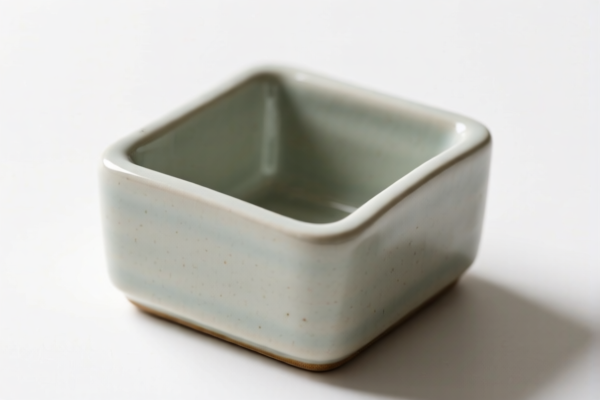
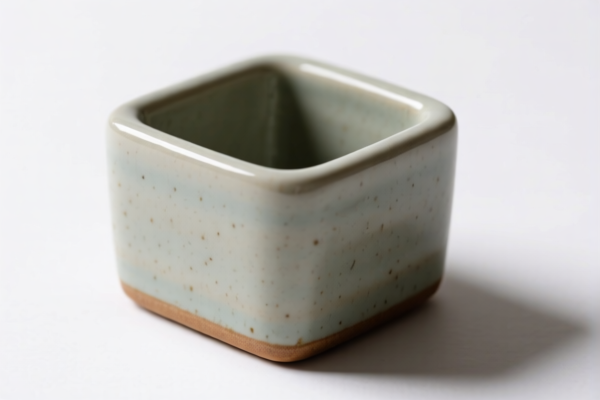
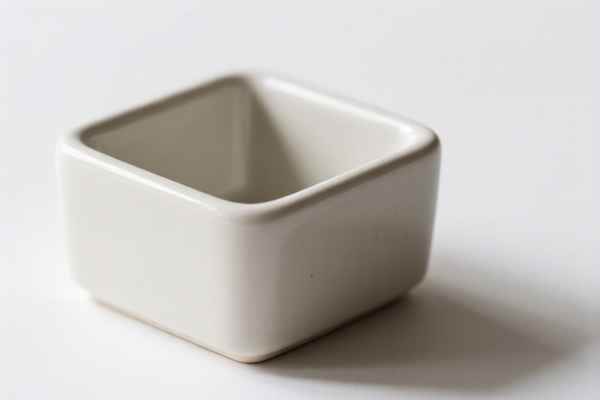
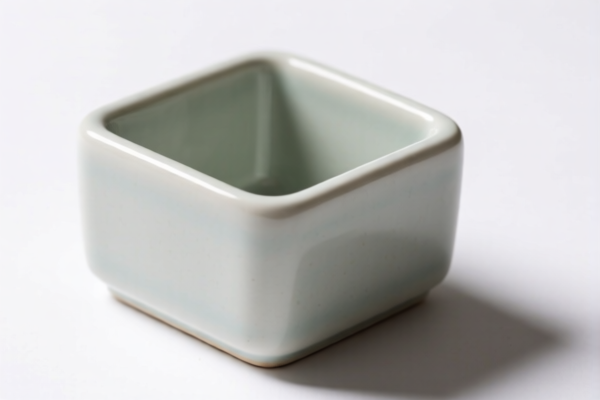
AI Analysis
📦 2-Liter Square Container: HS Code Classification & US Customs Clearance Guide
🌐 HS Code Reference & Customs Clearance Strategy | 2026 Latest Tariff Analysis | Professional Import Compliance
📌 Part I: Product Definition & Key Classification Logic
A 2-Liter Square Container is a versatile packaging item used across various industries. In international trade, the Harmonized System (HS) code is material-dependent and use-dependent. The shape ("Square") and capacity ("2-Liter") are secondary to the primary material composition and intended function.
⚠️ Critical Distinction:
- Plastic containers for transport/packaging → Chapter 39
- Glass containers for kitchen/dining use → Chapter 70
- Tin/Metal containers for household use → Chapter 80
- Measuring Tools (unlikely for food storage, but possible for lab/math) → Chapter 90
Misclassification leads to severe penalties, delayed clearance, or unexpected tax liabilities. Below is the detailed breakdown based on the provided data.
📊 Part II: HS Code Classification Matrix (2026 Latest Tariffs)
| HS Code | Material | Primary Use | Key Characteristics |
|---|---|---|---|
3923.30.00.90 |
Plastic | Transport/Packaging | Rigid, 2L capacity, non-decorative, industrial/commercial packing |
7013.49.60.90 |
Glass | Tableware/Kitchen | General-purpose, non-specific kitchen/table use |
7013.49.50.90 |
Glass | Kitchen Specific | Explicitly for kitchen use, distinct from general tableware |
8007.00.10.50 |
Tin | Household/Kitchen | Tin-plated or tin alloy container, home use |
9017.30.80.00 |
Instrument | Measuring/Drawing | Used for scientific, mathematical, or drafting purposes (not food storage) |
🔍 Note on "Square Shape":
The "Square" shape does not dictate the HS code. Instead, it must be described in the commercial invoice. The material is the primary classifier.
💰 Part III: Detailed Tariff Analysis (US Import from China)
✅ Country of Origin: China (CN)
✅ Destination: United States (US)
✅ Effective Date: Rates apply as of 2026 (including Section 301 & IEEPA surcharges)
🎯 1. 3923.30.00.90 – Plastic Articles for Transport/Packaging
| Item | Detail |
|---|---|
| Base Duty | 3.0% |
| Section 301 Duty | 25.0% (USITC Footnote 9903.88.01) |
| IEEPA Surcharge | 10.0% (122 Clause) |
| Total Tax Rate | 38.0% |
| De Minimis Exemption | ❌ Not Eligible (Denied) |
| Calculation | CIF Value × 38.0% |
| Legal Path | IEEPA:9903.01.24 → USITC:3923.30.00.90 → FOOTNOTE:9903.88.01 |
📌 Analysis:
- Plastic packaging from China faces high tariffs due to its classification under Section 301.
- Total burden: 38%. This is a significant cost factor for e-commerce sellers importing plastic tupperware or shipping containers.
🎯 2. 7013.49.60.90 – Glass Tableware (General)
| Item | Detail |
|---|---|
| Base Duty | 7.2% |
| Section 301 Duty | 7.5% |
| IEEPA Surcharge | 10.0% (122 Clause) |
| Total Tax Rate | 24.7% |
| De Minimis Exemption | ❌ Not Eligible (Denied) |
| Calculation | CIF Value × 24.7% |
| Legal Path | IEEPA:9901.25 → USITC:7013.49.60.90 → FOOTNOTE:9903.88.01 |
📌 Analysis:
- Glass tableware has a lower base duty but is still subject to significant surcharges.
- Total burden: 24.7%. Lower than plastic, but still substantial.
🎯 3. 7013.49.50.90 – Glass Kitchenware (Specific)
| Item | Detail |
|---|---|
| Base Duty | 15.0% |
| Section 301 Duty | 0.0% |
| IEEPA Surcharge | 10.0% (122 Clause) |
| Total Tax Rate | 25.0% |
| De Minimis Exemption | ❌ Not Eligible (Denied) |
| Calculation | CIF Value × 25.0% |
| Legal Path | IEEPA:9901.25 → USITC:7013.49.50.90 → FOOTNOTE:9903.88.01 |
📌 Analysis:
- Counter-Intuitive Insight: While the base duty is higher (15% vs 7.2%), the Section 301 duty is 0% for this specific subheading.
- Total burden: 25.0%. This is slightly higher than7013.49.60.90(24.7%) but offers a different tariff structure. Ensure precise description ("Kitchen Use") to avoid misclassification.
🎯 4. 8007.00.10.50 – Tin Articles
| Item | Detail |
|---|---|
| Base Duty | 2.1% |
| Section 301 Duty | 25.0% |
| IEEPA Surcharge | 10.0% (122 Clause) |
| Total Tax Rate | 37.1% |
| De Minimis Exemption | ❌ Not Eligible (Denied) |
| Calculation | CIF Value × 37.1% |
| Legal Path | IEEPA:9903.01.24 → USITC:8007.00.10.50 → FOOTNOTE:9903.88.01 |
📌 Analysis:
- Tin containers (e.g., antique-style tins) have a low base duty but are hit with the full 25% Section 301 tariff.
- Total burden: 37.1%. Similar to plastic.
🎯 5. 9017.30.80.00 – Measuring Instruments
| Item | Detail |
|---|---|
| Base Duty | 3.9% |
| Section 301 Duty | 25.0% |
| IEEPA Surcharge | 10.0% (122 Clause) |
| Total Tax Rate | 38.9% |
| De Minimis Exemption | ❌ Not Eligible (Denied) |
| Calculation | CIF Value × 38.9% |
| Legal Path | IEEPA:9903.01.24 → USITC:9017.30.80.00 → FOOTNOTE:9903.88.01 |
📌 Analysis:
- This HS code is for tools (e.g., square rulers, drafting squares), not storage containers.
- Total burden: 38.9%. The highest among all options.
- Warning: Do not import storage containers under this code. Customs will reclassify and penalize for undervaluation/misdeclaration.
🛠️ Part IV: Customs Clearance Practical Advice
✅ 1. Required Documentation (Mandatory)
| Document | Purpose | Critical Details |
|---|---|---|
| Commercial Invoice | Proof of Value | Must state: Material, Capacity (2L), Shape (Square), Intended Use (e.g., "Food Grade Plastic Storage") |
| Packing List | Volume/Weight | Include gross/net weight, dimensions |
| Product Photos | Verification | Clear images showing material texture, markings, and capacity labels |
| FCC/CE/RoHS | Compliance | If plastic/glass/electronic components are involved, safety certifications are required |
| Certificate of Origin | Tariff Optimization | If imported from Vietnam/Mexico, may qualify for IEEPA exemptions |
✅ 2. Classification Strategy & Pitfalls
| Scenario | Correct HS Code | Risk of Misclassification |
|---|---|---|
| Plastic food box for shipping | 3923.30.00.90 |
Low risk if described correctly. |
| Glass jar for pickles/kitchen | 7013.49.50.90 or 7013.49.60.90 |
High Risk: Mixing up "Kitchen" vs. "General Tableware". Choose based on marketing intent. |
| Tin box for cookies | 8007.00.10.50 |
Medium Risk: Ensure it's not classified as "Tinplate" (Chapter 73) if it's a finished container. |
| Plastic ruler (square) | 9017.30.80.00 |
Critical: Do not confuse measuring squares with storage containers. |
🔥 Golden Rule:
"Describe Material + Use Clearly. Don't Guess the HS Code."
- If you import a Plastic Container, declare it as3923.30.00.90.
- If you import a Glass Jar, declare it as7013.49.50.90(if for kitchen) or7013.49.60.90(if general).
✅ 3. Special Cases
| Case | Recommendation |
|---|---|
| Private Label (OEM) | Include brand name and model number on the product. |
| Mixed Containers | If a shipment contains both plastic and glass, declare separately. Do not lump under one HS code. |
| Sample vs. Commercial | Both are subject to the same tariffs. No de minimis exemption for China-origin goods. |
🌍 Part V: Global Market Comparison (2026)
| Market | Recommended HS Code | Approx. Total Duty (China Origin) | Notes |
|---|---|---|---|
| 🇺🇸 USA | Varies by Material | 24.7% - 38.9% | High Section 301 & IEEPA tariffs. No de minimis. |
| 🇨🇳 China | Varies by Material | 3% - 15% | Low base duty, no surcharges. |
| 🇪🇺 EU | Varies by Material | 0% - 10% | No Section 301. VAT applies separately. |
| 🇬🇧 UK | Varies by Material | 0% - 10% | Post-Brexit tariffs, no US surcharges. |
📌 Conclusion:
- USA is the most expensive market for these goods due to trade policies.
- EU/UK are more favorable, but VAT and compliance (REACH, UKCA) add complexity.
- Consider Supply Chain Diversification: Importing from non-China sources (e.g., Vietnam) may reduce US tariffs significantly.
📌 Part VI: Common Errors & How to Avoid Them
❌ Error 1: Classifying a Glass Jar under 3923.30.00.90 (Plastic)
👉 Consequence: Severe penalty for undervaluation and misclassification.
👉 Fix: Always verify material via photos and specs.
❌ Error 2: Declaring Kitchen Glassware as 7013.49.60.90 (General) when it is specifically designed for kitchen use
👉 Consequence: May lead to audit if usage is clearly kitchen-specific.
👉 Fix: Use 7013.49.50.90 for explicit kitchen items.
❌ Error 3: Assuming Square Shape qualifies for a special code
👉 Consequence: No such code exists. Shape is descriptive only.
👉 Fix: Focus on Material and Function.
✅ Best Practice:
"2-Liter Square Plastic Storage Container, Food Grade, BPA-Free, Model ABC, Made in China"
🎯 Part VII: Final Recommendations
🎯 Key Takeaway:
🔹 Plastic: Budget for 38% total tax.
🔹 Glass (Kitchen): Budget for 25% total tax (Lowest Base Duty but 0% 301).
🔹 Glass (General): Budget for 24.7% total tax (Slightly lower due to lower 301).
🔹 Tin: Budget for 37.1% total tax.
🔹 Instrument: Avoid unless it's a measuring tool (38.9% tax).
📌 Pro Tip:
If you are importing Glass Kitchenware, consider using 7013.49.50.90 to benefit from the 0% Section 301 duty, even though the base duty is higher. The net effect is competitive.
📣 Immediate Action:
📞 Consult a licensed customs broker for Advance Ruling if your product falls into a grey area.
🚀 Ensure your Commercial Invoice explicitly states the material and intended use to match the HS code.
✨ Precision in Classification, Savings in Clearance!
💼 Your Bottom Line Depends on Your HS Code!
Customer Reviews
About HS Code Classification
The Harmonized System (HS) is an internationally standardized nomenclature developed by the World Customs Organization (WCO) to classify traded products. Over 200 countries use the HS system as the basis for customs tariffs, trade statistics, and import/export regulations.
Each HS code follows a hierarchical structure:
- Chapter (2 digits) — Broad category of goods (e.g., Chapter 84: Machinery and Mechanical Appliances)
- Heading (4 digits) — More specific grouping within the chapter
- Subheading (6 digits) — Internationally standardized breakdown, used by all WCO member countries
- National subdivisions (8-10 digits) — Country-specific extensions for further classification, such as US HTSUS 10-digit codes
Correct HS code classification is essential for smooth customs clearance, accurate duty payment, and compliance with trade regulations. Misclassification can lead to customs delays, overpayment of duties, or penalties.
When importing from CN to US, the applicable tariff rates may include:
- Most-Favored-Nation (MFN) rate — The standard duty rate applied to WTO members
- General rate — Applied to countries without trade agreements
- Trade remedy duties — Additional tariffs such as Section 301 (anti-dumping), Section 232 (national security), or countervailing duties
The information provided on this page is for reference purposes only. For official classification, please consult with your local customs authority or a licensed customs broker.