35mm Archival Film
CN → US| HS编码 | 关税税率 | 原产国 | 目的国 | 文档 |
|---|---|---|---|---|
| 3706106060 | 35.0% | CN | US | 官方文档 |
| 3706106030 | 35.0% | CN | US | 官方文档 |
| 3702530030 | 38.7% | CN | US | 官方文档 |
| 3702540030 | 38.7% | CN | US | 官方文档 |
| 3706106090 | 35.0% | CN | US | 官方文档 |
商品图片

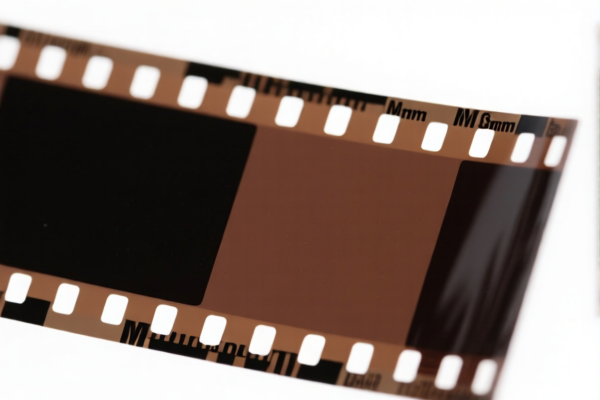
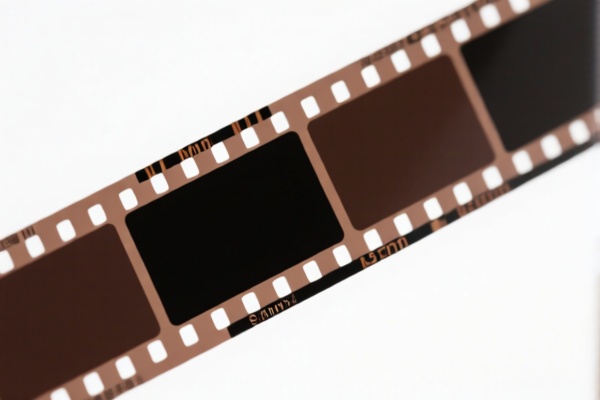
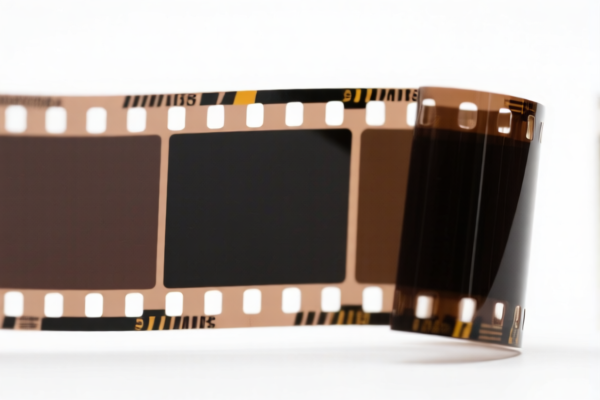
AI分析
🎞️ 35mm Archival Film (35毫米档案级胶片)
🌐 HS Code Reference & Customs Clearance Guide | 2026 Latest Tariff Analysis | Professional-Level Customs Strategy
📌 I. Product Definition & Classification: Do You Truly Understand "Archival Film"?
"35mm Archival Film" is a high-grade photographic film used for long-term preservation of images. In international trade, it is strictly categorized based on its physical state (unexposed/undeveloped vs. exposed/developed) and width.
Key Distinction: * Unexposed Film (Raw Material): If the film is unexposed and undeveloped, it falls under Chapter 37 (Photographic Goods). The 35mm width places it in specific sub-headings. * Exposed/Developed Film (Image Carrier): If already exposed or developed, it may fall under different headings depending on the support material (though usually still Chapter 37 if on cellulose acetate/nitrate).
⚠️ Critical Clarification:
- The provided data indicates the product is likely unexposed/undeveloped or treated as a raw photographic medium, given the classification under3706(Photographic plates and film...) and3702(Photographic film in rolls...).
- Width is Key: All listed HS codes require a width of 35mm or more. Since "35mm" is explicitly stated, it meets the width requirement for these codes.
📦 II. HS Code Classification Details (2026 Latest Tariff Authority Comparison)
Based on the provided data, there are 5 potential HS Codes. The primary differentiator is the specific sub-category within Chapter 37 (Photographic goods).
| HS Code | Product Description (Based on Data Summary) | Key Classification Criteria |
|---|---|---|
3706.10.60.60 |
Other photographic plates and film, unexposed, of a width of 35mm or more. | Unexposed Film: Width 35mm+. "Archival" nature doesn't change the base category; treated as "other" unexposed film. |
3706.10.60.30 |
Photographic film, unexposed, width 35mm or more. | Explicit "Film": Clearly identified as "film" with 35mm width. Matches the physical形态 (form) requirement. |
3706.10.60.90 |
Other photographic plates and film, unexposed, width 35mm or more. | Fallback/Other: Unexposed film, 35mm width. Classified under the "other" provision due to lack of specific exposure status detail, applying the default width rule. |
3702.53.00.30 |
Photographic film, unexposed, of a width of 35mm or more, for black-and-white photography. | B&W Film: "Archival Film" inferred as capable of black-and-white photography. Non-paper, non-textile light-sensitive material. |
3702.54.00.30 |
Photographic film, unexposed, of a width of 35mm or more, for color photography. | Color Film: "Archival Film" inferred as color photography film. Non-paper/textile light-sensitive material. |
🔍 Important Note:
-3706codes generally apply to unexposed photographic film not specifically covered by 3702 (often including film for cinematography or other special purposes, or where the distinction between B&W/Color is less critical in the sub-heading).
-3702codes are specific to photographic film for still cameras (B&W vs. Color).
- Decision Point: If the archival film is for still photography,3702.53/54are more precise. If it is cinematographic or general-purpose unexposed film,3706codes apply. The data suggests ambiguity, hence the 5 options.
💰 III. 2026 Latest Tariff Rate Breakdown (Including Surtaxes & Policy Additions)
✅ Applicable Country: USA (US)
✅ Origin: China (CN)
✅ Effective Date: Post-November 10, 2025 (for subsequent imports)
🎯 1. HS Codes 3706.10.60.60, 3706.10.60.30, 3706.10.60.90
Category: Unexposed Photographic Film (General/Cinematographic/Other)
Total Tax Rate: 35.0%
| Item | Content |
|---|---|
| Base Tariff | 0.0% (ad valorem) |
| Section 301 Surtax (USITC) | +25.0% (Under 301 Tariffs, Footnote 9903.01.25) |
| IEEPA Surtax (122 Clause) | +10.0% (Under International Emergency Economic Powers Act, targeting Chinese origin) |
| Total Tariff Rate | 35.0% |
| Tax Calculation | CIF Value × 35.0% |
| De Minimis Eligibility | ❌ NO (Subject to scrutiny; high tariffs often disqualify de minimis for Chinese goods) |
| Legal Basis Path | USITC:3706.10.60.30/60/90 → FOOTNOTE:9903.01.25 (301 Tariff) → IEEPA:9903.01.24 (10% Surcharge) |
📌 Explanation:
- The Base Tariff is 0%, meaning the entire tax burden comes from trade policy surcharges.
- Section 301 (25%): Standard surcharge for many Chinese goods under USITC regulations.
- IEEPA 10%: Specific additional surcharge for goods from China under current emergency powers.
- Total 35%: This is a significant cost factor. Importers must account for this in pricing.
🎯 2. HS Codes 3702.53.00.30 (B&W) & 3702.54.00.30 (Color)
Category: Unexposed Photographic Film for Still Photography
Total Tax Rate: 38.7%
| Item | Content |
|---|---|
| Base Tariff | 3.7% (ad valorem) |
| Section 301 Surtax (USITC) | +25.0% (Under 301 Tariffs, Footnote 9903.01.25) |
| IEEPA Surtax (122 Clause) | +10.0% (Under International Emergency Economic Powers Act) |
| Total Tariff Rate | 38.7% |
| Tax Calculation | CIF Value × 38.7% |
| De Minimis Eligibility | ❌ NO |
| Legal Basis Path | USITC:3702.53.00.30 / 3702.54.00.30 → FOOTNOTE:9903.01.25 (301 Tariff) → IEEPA:9903.01.24 (10% Surcharge) |
📌 Explanation:
- These codes have a small base tariff (3.7%) compared to the 0% for 3706 codes.
- Total 38.7%: This is 3.7% higher than the 3706 codes.
- Why higher? Because the base tariff is non-zero.
- Recommendation: If the product is cinematographic or general unexposed film (not specifically for still cameras), use3706codes to save 3.7% in base duties. If it is strictly for still photography,3702is more accurate despite the higher cost.
🛠️ IV. Customs Clearance Practical Advice (Combat Pitfall Guide)
✅ 1. Required Documentation Checklist (Non-negotiable)
| Document | Must Provide | Explanation |
|---|---|---|
| ✅ Product Specification Sheet | ✔️ | Must state: Width (35mm), Type (Archival), Exposure Status (Unexposed/Undeveloped), Chemical Composition (if required). |
| ✅ Product Photos | ✔️ | Clear images of the roll, packaging, and label showing "35mm" and "Archival Film". |
| ✅ Commercial Invoice | ✔️ | Must clearly describe as "35mm Archival Film, Unexposed, Photographic Material". Avoid vague terms like "Film". |
| ✅ Packing List | ✔️ | Detail quantity, weight, and dimensions. |
| ✅ Certificate of Origin (CO) | ✔️ | Crucial for verifying Chinese origin (triggers 35%/38.7% tariffs). |
| ✅ Safety Data Sheet (SDS) | ⚠️ If Applicable | Some archival films may contain hazardous chemicals (e.g., silver halides). Check if SDS is required for transport/classification. |
✅ 2. Declaration Tips (Key Mantra)
🔥 "Be Precise: Unexposed? 35mm? Archival? Declare It All!"
| Scenario | Correct Declaration | Incorrect Declaration | Consequence |
|---|---|---|---|
| Unexposed Film | "35mm Unexposed Photographic Film, Archival Grade" | "Photographic Film" (Vague) | Risk of misclassification (e.g., as exposed film or different chapter). |
| Width Specific | "35mm Width" | "Standard Film" | May be rejected if width doesn't match 3702/3706 requirements. |
| Tax Strategy | Use 3706 if not for still cameras |
Use 3702 unnecessarily |
Overpaying 3.7% base tariff. |
| Origin Declaration | "Made in China" | "Unknown" or false origin | Penalties, seizure, and higher tariffs. |
✅ 3. Special Case Handling
| Situation | Handling Advice |
|---|---|
| Is it Exposed? | If exposed, it is no longer "photographic film in rolls" under 3702/3706 in the same way. It may be classified under 3707 (Developed film) or even 4911 (Pictures) if for artistic/archival purposes. Crucial: Confirm exposure status. The data provided assumes unexposed. |
| Archival vs. Regular | "Archival" is a marketing term. It does not change the HS Code unless it implies a different material (e.g., polyester base vs. cellulose acetate). For 35mm, both are generally 3706 or 3702. |
| De Minimis (Section 321) | ❌ Likely Excluded: Due to the 35%+ tariff rate and Chinese origin, small shipments may not qualify for de minimis entry. Check with your customs broker for the latest USCBP de minimis exclusions for Chinese goods. |
| Pre-Ruling | ✅ Recommended: Apply for an Advance Ruling from USCBP. Given the ambiguity between 3706 and 3702, a pre-ruling provides legal certainty and prevents disputes at the port. |
🌍 V. Global Market Comparison (2026 Latest)
| Country/Region | Recommended HS Code | Tariff Rate (China Origin) | Key Certification | Note |
|---|---|---|---|---|
| 🇺🇸 USA | 3706.10.60.30 (or 3702.53/54) |
35.0% or 38.7% | N/A (No FCC/CE for film) | High tariff due to 301 + IEEPA. |
| 🇨🇳 China | 3706.10.60 / 3702.53 |
0% - 5% | None | Low tariff, easy import. |
| 🇪🇺 EU | 3702.53 / 3702.54 |
0% | CE (if packaging/chemicals) | Tariff-Free for Chinese film in many cases. |
| 🇬🇧 UK | 3702.53 / 3702.54 |
0% | UKCA (if applicable) | Post-Brexit, often 0% for photographic goods. |
| 🇦🇺 Australia | 3702.53 / 3702.54 |
5% | N/A | Moderate tariff, no major surtaxes like US. |
📌 Conclusion:
- USA is the most expensive market for 35mm Archival Film from China due to 35-38.7% tariffs.
- EU/UK/Australia are far more cost-effective (0-5%).
- Strategy: If importing into the US, consider supply chain diversification (e.g., film manufactured in Vietnam or India) to avoid Chinese origin surtaxes, if possible.
📌 VI. Common Errors & Pitfall Guide (Lessons Learned)
❌ Error 1: Declaring "Photographic Film" without specifying "Unexposed"
👉 Consequence: Customs may classify it as exposed/developed film (3707), leading to different tax rates and potential penalties.
❌ Error 2: Ignoring the 35mm width requirement
👉 Consequence: If the film is 16mm or 120mm, it falls under different HS Codes (3706.10.10 or 3702.60), which have different tariffs. Misdeclaration leads to underpayment/overpayment.
❌ Error 3: Assuming "Archival" implies a special tax code
👉 Consequence: "Archival" is not an HS Code term. It must be classified by physical form (film roll, width, exposure status). No special "Archival Film" tariff exists.
❌ Error 4: Using De Minimis without checking China Exclusions
👉 Consequence: Packages under $800 from China may be subject to full duties if the HS Code is on the exclusion list. With 35%+ tariffs, this is a significant risk.
✅ Correct Practice:
"35mm Unexposed Photographic Film, Archival Grade, Polyester Base, for Long-Term Storage, Model XYZ, Made in China"
🎯 VII. Conclusion: Precise Classification for Cost Efficiency!
🎯 Remember the Mantra:
🔹 "Unexposed? 35mm? Use 3706/3702.
🔹 Chinese Origin? Expect 35%+ Tariffs.
🔹 De Minimis? Check Exclusions.
🔹 Pre-Ruling? Get It Done!"**
📌 Pro Tip:
If your 35mm Archival Film is manufactured in Vietnam, India, or Japan, you may qualify for lower tariffs (0-5%) in the US.
Consider re-routing supply chains or labeling correctly to leverage FTAs or avoid Section 301/IEEPA surcharges.
📣 Immediate Action:
📞 Contact your Customs Broker + Provide Product Spec Sheet + Request Advance Ruling
🚀 Ensure smooth clearance, minimize tax costs, and protect your archival film inventory!
✨ Professional customs clearance starts with accurate classification!
💼 Every percentage point matters in global trade!
用户评价
关于 HS 编码归类
协调制度(HS)是由世界海关组织(WCO)制定的国际贸易商品分类标准。全球 200 多个国家采用 HS 系统作为海关关税、贸易统计和进出口监管的基础。
每个 HS 编码遵循以下层级结构:
- 章(2 位)——商品大类(例如:第 84 章:机器和机械设备)
- 品目(4 位)——章内的更具体分类
- 子目(6 位)——国际通用细分,所有 WCO 成员国统一使用
- 本国细分(8-10 位)——各国自行扩展的细分编码,如美国 HTSUS 10 位编码
正确的 HS 编码归类对于顺利通关、准确缴纳关税和遵守贸易法规至关重要。错误归类可能导致海关延误、多缴关税或罚款。
从CN进口到US时,适用的关税税率可能包括:
- 最惠国(MFN)税率——适用于 WTO 成员国的标准关税税率
- 普通税率——适用于无贸易协定国家
- 贸易救济关税——附加关税,如 301 条款(反倾销)、232 条款(国家安全)或反补贴税
本页内容仅供参考。如需正式归类,请咨询当地海关或持牌报关代理。