35mm Archival Film
CN → US| HS Code | Tariff Rate | Origin | Destination | Doc |
|---|---|---|---|---|
| 3706106060 | 35.0% | CN | US | Official Doc |
| 3706106030 | 35.0% | CN | US | Official Doc |
| 3702530030 | 38.7% | CN | US | Official Doc |
| 3702540030 | 38.7% | CN | US | Official Doc |
| 3706106090 | 35.0% | CN | US | Official Doc |
Product Images

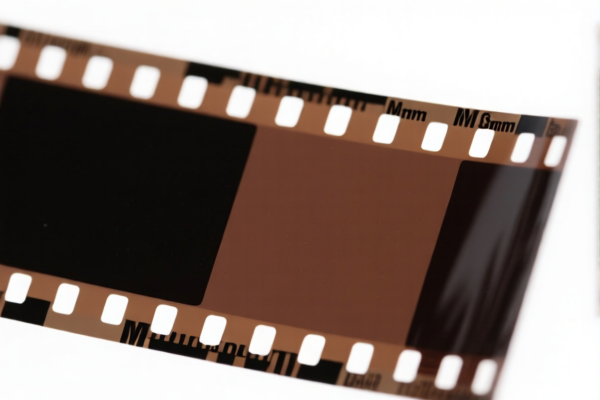
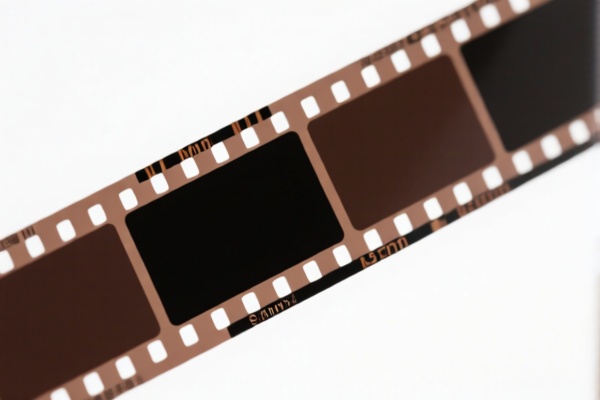
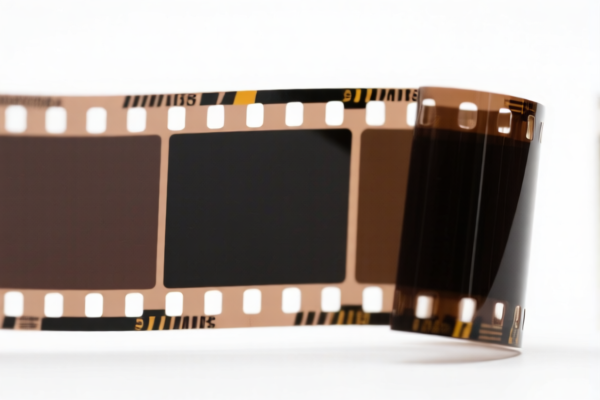
AI Analysis
🎞️ 35mm Archival Film (35毫米档案级胶片)
🌐 HS Code Reference & Customs Clearance Guide | 2026 Latest Tariff Analysis | Professional-Level Customs Strategy
📌 I. Product Definition & Classification: Do You Truly Understand "Archival Film"?
"35mm Archival Film" is a high-grade photographic film used for long-term preservation of images. In international trade, it is strictly categorized based on its physical state (unexposed/undeveloped vs. exposed/developed) and width.
Key Distinction: * Unexposed Film (Raw Material): If the film is unexposed and undeveloped, it falls under Chapter 37 (Photographic Goods). The 35mm width places it in specific sub-headings. * Exposed/Developed Film (Image Carrier): If already exposed or developed, it may fall under different headings depending on the support material (though usually still Chapter 37 if on cellulose acetate/nitrate).
⚠️ Critical Clarification:
- The provided data indicates the product is likely unexposed/undeveloped or treated as a raw photographic medium, given the classification under3706(Photographic plates and film...) and3702(Photographic film in rolls...).
- Width is Key: All listed HS codes require a width of 35mm or more. Since "35mm" is explicitly stated, it meets the width requirement for these codes.
📦 II. HS Code Classification Details (2026 Latest Tariff Authority Comparison)
Based on the provided data, there are 5 potential HS Codes. The primary differentiator is the specific sub-category within Chapter 37 (Photographic goods).
| HS Code | Product Description (Based on Data Summary) | Key Classification Criteria |
|---|---|---|
3706.10.60.60 |
Other photographic plates and film, unexposed, of a width of 35mm or more. | Unexposed Film: Width 35mm+. "Archival" nature doesn't change the base category; treated as "other" unexposed film. |
3706.10.60.30 |
Photographic film, unexposed, width 35mm or more. | Explicit "Film": Clearly identified as "film" with 35mm width. Matches the physical形态 (form) requirement. |
3706.10.60.90 |
Other photographic plates and film, unexposed, width 35mm or more. | Fallback/Other: Unexposed film, 35mm width. Classified under the "other" provision due to lack of specific exposure status detail, applying the default width rule. |
3702.53.00.30 |
Photographic film, unexposed, of a width of 35mm or more, for black-and-white photography. | B&W Film: "Archival Film" inferred as capable of black-and-white photography. Non-paper, non-textile light-sensitive material. |
3702.54.00.30 |
Photographic film, unexposed, of a width of 35mm or more, for color photography. | Color Film: "Archival Film" inferred as color photography film. Non-paper/textile light-sensitive material. |
🔍 Important Note:
-3706codes generally apply to unexposed photographic film not specifically covered by 3702 (often including film for cinematography or other special purposes, or where the distinction between B&W/Color is less critical in the sub-heading).
-3702codes are specific to photographic film for still cameras (B&W vs. Color).
- Decision Point: If the archival film is for still photography,3702.53/54are more precise. If it is cinematographic or general-purpose unexposed film,3706codes apply. The data suggests ambiguity, hence the 5 options.
💰 III. 2026 Latest Tariff Rate Breakdown (Including Surtaxes & Policy Additions)
✅ Applicable Country: USA (US)
✅ Origin: China (CN)
✅ Effective Date: Post-November 10, 2025 (for subsequent imports)
🎯 1. HS Codes 3706.10.60.60, 3706.10.60.30, 3706.10.60.90
Category: Unexposed Photographic Film (General/Cinematographic/Other)
Total Tax Rate: 35.0%
| Item | Content |
|---|---|
| Base Tariff | 0.0% (ad valorem) |
| Section 301 Surtax (USITC) | +25.0% (Under 301 Tariffs, Footnote 9903.01.25) |
| IEEPA Surtax (122 Clause) | +10.0% (Under International Emergency Economic Powers Act, targeting Chinese origin) |
| Total Tariff Rate | 35.0% |
| Tax Calculation | CIF Value × 35.0% |
| De Minimis Eligibility | ❌ NO (Subject to scrutiny; high tariffs often disqualify de minimis for Chinese goods) |
| Legal Basis Path | USITC:3706.10.60.30/60/90 → FOOTNOTE:9903.01.25 (301 Tariff) → IEEPA:9903.01.24 (10% Surcharge) |
📌 Explanation:
- The Base Tariff is 0%, meaning the entire tax burden comes from trade policy surcharges.
- Section 301 (25%): Standard surcharge for many Chinese goods under USITC regulations.
- IEEPA 10%: Specific additional surcharge for goods from China under current emergency powers.
- Total 35%: This is a significant cost factor. Importers must account for this in pricing.
🎯 2. HS Codes 3702.53.00.30 (B&W) & 3702.54.00.30 (Color)
Category: Unexposed Photographic Film for Still Photography
Total Tax Rate: 38.7%
| Item | Content |
|---|---|
| Base Tariff | 3.7% (ad valorem) |
| Section 301 Surtax (USITC) | +25.0% (Under 301 Tariffs, Footnote 9903.01.25) |
| IEEPA Surtax (122 Clause) | +10.0% (Under International Emergency Economic Powers Act) |
| Total Tariff Rate | 38.7% |
| Tax Calculation | CIF Value × 38.7% |
| De Minimis Eligibility | ❌ NO |
| Legal Basis Path | USITC:3702.53.00.30 / 3702.54.00.30 → FOOTNOTE:9903.01.25 (301 Tariff) → IEEPA:9903.01.24 (10% Surcharge) |
📌 Explanation:
- These codes have a small base tariff (3.7%) compared to the 0% for 3706 codes.
- Total 38.7%: This is 3.7% higher than the 3706 codes.
- Why higher? Because the base tariff is non-zero.
- Recommendation: If the product is cinematographic or general unexposed film (not specifically for still cameras), use3706codes to save 3.7% in base duties. If it is strictly for still photography,3702is more accurate despite the higher cost.
🛠️ IV. Customs Clearance Practical Advice (Combat Pitfall Guide)
✅ 1. Required Documentation Checklist (Non-negotiable)
| Document | Must Provide | Explanation |
|---|---|---|
| ✅ Product Specification Sheet | ✔️ | Must state: Width (35mm), Type (Archival), Exposure Status (Unexposed/Undeveloped), Chemical Composition (if required). |
| ✅ Product Photos | ✔️ | Clear images of the roll, packaging, and label showing "35mm" and "Archival Film". |
| ✅ Commercial Invoice | ✔️ | Must clearly describe as "35mm Archival Film, Unexposed, Photographic Material". Avoid vague terms like "Film". |
| ✅ Packing List | ✔️ | Detail quantity, weight, and dimensions. |
| ✅ Certificate of Origin (CO) | ✔️ | Crucial for verifying Chinese origin (triggers 35%/38.7% tariffs). |
| ✅ Safety Data Sheet (SDS) | ⚠️ If Applicable | Some archival films may contain hazardous chemicals (e.g., silver halides). Check if SDS is required for transport/classification. |
✅ 2. Declaration Tips (Key Mantra)
🔥 "Be Precise: Unexposed? 35mm? Archival? Declare It All!"
| Scenario | Correct Declaration | Incorrect Declaration | Consequence |
|---|---|---|---|
| Unexposed Film | "35mm Unexposed Photographic Film, Archival Grade" | "Photographic Film" (Vague) | Risk of misclassification (e.g., as exposed film or different chapter). |
| Width Specific | "35mm Width" | "Standard Film" | May be rejected if width doesn't match 3702/3706 requirements. |
| Tax Strategy | Use 3706 if not for still cameras |
Use 3702 unnecessarily |
Overpaying 3.7% base tariff. |
| Origin Declaration | "Made in China" | "Unknown" or false origin | Penalties, seizure, and higher tariffs. |
✅ 3. Special Case Handling
| Situation | Handling Advice |
|---|---|
| Is it Exposed? | If exposed, it is no longer "photographic film in rolls" under 3702/3706 in the same way. It may be classified under 3707 (Developed film) or even 4911 (Pictures) if for artistic/archival purposes. Crucial: Confirm exposure status. The data provided assumes unexposed. |
| Archival vs. Regular | "Archival" is a marketing term. It does not change the HS Code unless it implies a different material (e.g., polyester base vs. cellulose acetate). For 35mm, both are generally 3706 or 3702. |
| De Minimis (Section 321) | ❌ Likely Excluded: Due to the 35%+ tariff rate and Chinese origin, small shipments may not qualify for de minimis entry. Check with your customs broker for the latest USCBP de minimis exclusions for Chinese goods. |
| Pre-Ruling | ✅ Recommended: Apply for an Advance Ruling from USCBP. Given the ambiguity between 3706 and 3702, a pre-ruling provides legal certainty and prevents disputes at the port. |
🌍 V. Global Market Comparison (2026 Latest)
| Country/Region | Recommended HS Code | Tariff Rate (China Origin) | Key Certification | Note |
|---|---|---|---|---|
| 🇺🇸 USA | 3706.10.60.30 (or 3702.53/54) |
35.0% or 38.7% | N/A (No FCC/CE for film) | High tariff due to 301 + IEEPA. |
| 🇨🇳 China | 3706.10.60 / 3702.53 |
0% - 5% | None | Low tariff, easy import. |
| 🇪🇺 EU | 3702.53 / 3702.54 |
0% | CE (if packaging/chemicals) | Tariff-Free for Chinese film in many cases. |
| 🇬🇧 UK | 3702.53 / 3702.54 |
0% | UKCA (if applicable) | Post-Brexit, often 0% for photographic goods. |
| 🇦🇺 Australia | 3702.53 / 3702.54 |
5% | N/A | Moderate tariff, no major surtaxes like US. |
📌 Conclusion:
- USA is the most expensive market for 35mm Archival Film from China due to 35-38.7% tariffs.
- EU/UK/Australia are far more cost-effective (0-5%).
- Strategy: If importing into the US, consider supply chain diversification (e.g., film manufactured in Vietnam or India) to avoid Chinese origin surtaxes, if possible.
📌 VI. Common Errors & Pitfall Guide (Lessons Learned)
❌ Error 1: Declaring "Photographic Film" without specifying "Unexposed"
👉 Consequence: Customs may classify it as exposed/developed film (3707), leading to different tax rates and potential penalties.
❌ Error 2: Ignoring the 35mm width requirement
👉 Consequence: If the film is 16mm or 120mm, it falls under different HS Codes (3706.10.10 or 3702.60), which have different tariffs. Misdeclaration leads to underpayment/overpayment.
❌ Error 3: Assuming "Archival" implies a special tax code
👉 Consequence: "Archival" is not an HS Code term. It must be classified by physical form (film roll, width, exposure status). No special "Archival Film" tariff exists.
❌ Error 4: Using De Minimis without checking China Exclusions
👉 Consequence: Packages under $800 from China may be subject to full duties if the HS Code is on the exclusion list. With 35%+ tariffs, this is a significant risk.
✅ Correct Practice:
"35mm Unexposed Photographic Film, Archival Grade, Polyester Base, for Long-Term Storage, Model XYZ, Made in China"
🎯 VII. Conclusion: Precise Classification for Cost Efficiency!
🎯 Remember the Mantra:
🔹 "Unexposed? 35mm? Use 3706/3702.
🔹 Chinese Origin? Expect 35%+ Tariffs.
🔹 De Minimis? Check Exclusions.
🔹 Pre-Ruling? Get It Done!"**
📌 Pro Tip:
If your 35mm Archival Film is manufactured in Vietnam, India, or Japan, you may qualify for lower tariffs (0-5%) in the US.
Consider re-routing supply chains or labeling correctly to leverage FTAs or avoid Section 301/IEEPA surcharges.
📣 Immediate Action:
📞 Contact your Customs Broker + Provide Product Spec Sheet + Request Advance Ruling
🚀 Ensure smooth clearance, minimize tax costs, and protect your archival film inventory!
✨ Professional customs clearance starts with accurate classification!
💼 Every percentage point matters in global trade!
Customer Reviews
About HS Code Classification
The Harmonized System (HS) is an internationally standardized nomenclature developed by the World Customs Organization (WCO) to classify traded products. Over 200 countries use the HS system as the basis for customs tariffs, trade statistics, and import/export regulations.
Each HS code follows a hierarchical structure:
- Chapter (2 digits) — Broad category of goods (e.g., Chapter 84: Machinery and Mechanical Appliances)
- Heading (4 digits) — More specific grouping within the chapter
- Subheading (6 digits) — Internationally standardized breakdown, used by all WCO member countries
- National subdivisions (8-10 digits) — Country-specific extensions for further classification, such as US HTSUS 10-digit codes
Correct HS code classification is essential for smooth customs clearance, accurate duty payment, and compliance with trade regulations. Misclassification can lead to customs delays, overpayment of duties, or penalties.
When importing from CN to US, the applicable tariff rates may include:
- Most-Favored-Nation (MFN) rate — The standard duty rate applied to WTO members
- General rate — Applied to countries without trade agreements
- Trade remedy duties — Additional tariffs such as Section 301 (anti-dumping), Section 232 (national security), or countervailing duties
The information provided on this page is for reference purposes only. For official classification, please consult with your local customs authority or a licensed customs broker.