4 Shuttle Woven Twill Fabric (Bleached)
CN → US| HS编码 | 关税税率 | 原产国 | 目的国 | 文档 |
|---|---|---|---|---|
| 5210491000 | 45.0% | CN | US | 官方文档 |
| 5211390040 | 43.1% | CN | US | 官方文档 |
| 5513120000 | 49.9% | CN | US | 官方文档 |
| 5513491000 | 48.6% | CN | US | 官方文档 |
| 5211430030 | 43.1% | CN | US | 官方文档 |
商品图片
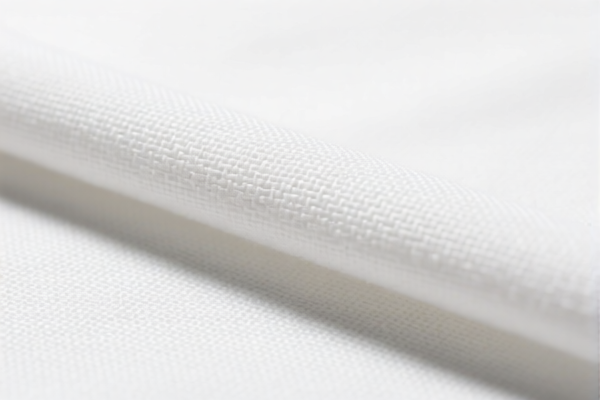
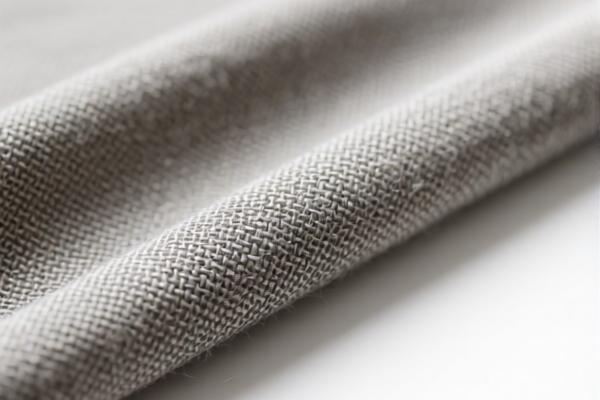
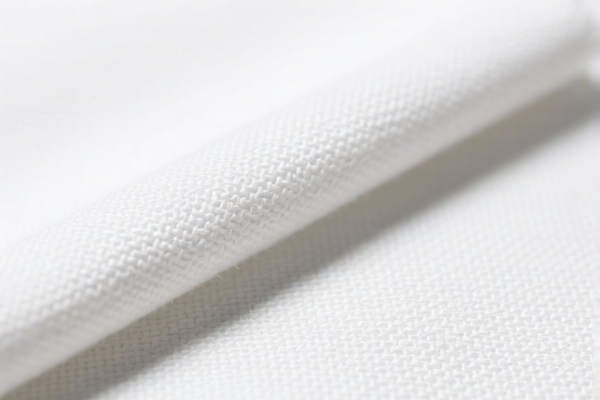
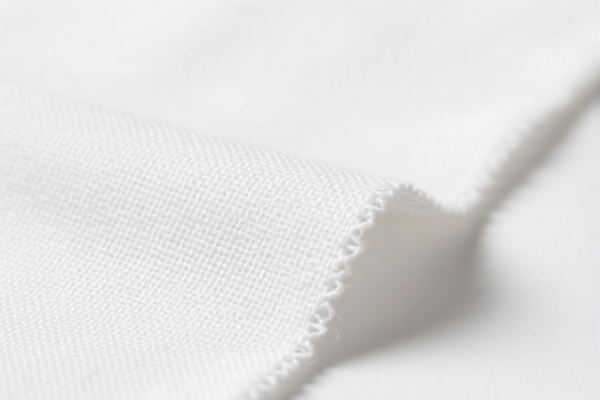
AI分析
🧵 4-Shuttle Woven Twill Fabric (Bleached) – Cotton & Synthetic Blends
🌐 HS Code Reference & Customs Clearance Guide | 2026 Latest Tariff Analysis | Professional Clearance Strategy
📌 I. Product Definition & Classification: What is "4-Shuttle Woven Twill"?
4-Shuttle Woven Twill Fabric refers to textiles woven using a traditional shuttle loom (or modern simulators), producing a distinct diagonal rib pattern (twill weave). The term "Bleached" indicates the fabric has undergone a bleaching process to remove natural color, resulting in a white or off-white appearance, ready for dyeing or printing.
In international trade, these fabrics are primarily used for apparel, workwear, uniforms, and durable casual wear due to the durability and aesthetic of the twill structure.
⚠️ Key Distinction:
- The classification depends heavily on the fiber content (Cotton vs. Polyester/Other Synthetic) and the blend ratio. - Twill Weave vs. Plain Weave: Twill fabrics often fall under specific subheadings compared to plain weave fabrics of the same material. - Bleached state is the standard "grey goods" finishing stage before dyeing.
📦 II. HS Code Classification Details (Based on Provided Data)
The following HS Codes are derived directly from the provided dataset. These codes specifically target Twill Woven Fabrics involving Cotton and Cotton-Polyester/Synthetic blends.
| HS Code | Product Description | Summary | Total Tax Rate | Tax Breakdown |
|---|---|---|---|---|
5210.49.10.00 |
Cotton Blended Twill Woven Fabric, for Apparel | Cotton blend, twill weave, bleached/white | 45.0% | Base: 10.0%, Section 301: 25.0%, Section 122: 10% |
5211.39.00.40 |
Cotton/Man-Made Fiber Twill, for Apparel | Cotton mixed with synthetic/man-made fiber, twill | 43.1% | Base: 8.1%, Section 301: 25.0%, Section 122: 10% |
5513.12.00.00 |
Polyester Staple Fiber & Cotton Blend Twill, for Apparel | Specific blend of Polyester staple and cotton, twill | 49.9% | Base: 14.9%, Section 301: 25.0%, Section 122: 10% |
5513.49.10.00 |
Synthetic Short Fiber & Cotton Blend Twill Fabric | General synthetic short fiber mixed with cotton, twill | 48.6% | Base: 13.6%, Section 301: 25.0%, Section 122: 10% |
5211.43.00.30 |
Cotton Blend Twill Fabric, 4-Yarn Characteristic | Specifically mentions "4-thread" (4-shuttle) characteristic | 43.1% | Base: 8.1%, Section 301: 25.0%, Section 122: 10% |
🔍 Analysis of "4-Shuttle" (4-Yarn) Feature:
- The term "4-Shuttle" often correlates with a 4-thread twill structure (e.g., 2/2 twill). - HS5211.43.00.30explicitly notes "4-thread characteristic," making it a strong candidate if the fabric is primarily cotton-based but blended, or if the classification system distinguishes by weave density/thread count. - HS5210.49.10.00is the general bucket for cotton blends that don't fit other specific blend ratios.
💰 III. 2026 Latest Tariff Rate Breakdown (Detailed Policy Analysis)
✅ Applicable Country: United States (US)
✅ Origin: China (CN)
✅ Effective Date: 2025/2026 (Current Trade War Context)
🎯 1. The "Section 301" & "Section 122" Impact
All items in the provided data share a common tax structure pattern: 1. Base Tariff: Ranges from 8.1% to 14.9%, depending on the specific fiber blend ratio (higher synthetic content = higher base tariff for cotton blends). 2. Section 301 Additional Tariff: 25.0%. This is the standard retaliatory tariff on Chinese goods under the US Trade Act of 1974. 3. Section 122 Tariff: 10.0%. This refers to additional duties often imposed under Section 122 of the Trade Act of 1974 or similar emergency provisions for national security/trade balance reasons.
Total Effective Tax Rate Calculation: $ \text{Total Tax} = \text{Base} + \text{Sec 301} (25\%) + \text{Sec 122} (10\%) $
| HS Code | Base Rate | Sec 301 | Sec 122 | Total Effective Rate |
|---|---|---|---|---|
5210.49.10.00 |
10.0% | 25.0% | 10.0% | 45.0% |
5211.39.00.40 |
8.1% | 25.0% | 10.0% | 43.1% |
5513.12.00.00 |
14.9% | 25.0% | 10.0% | 49.9% |
5513.49.10.00 |
13.6% | 25.0% | 10.0% | 48.6% |
5211.43.00.30 |
8.1% | 25.0% | 10.0% | 43.1% |
📌 Critical Warning:
- No De Minimis Exemption: These textile goods are not eligible for the $800 de minimis exemption. They must go through formal customs entry. - High Cost Barrier: A nearly 50% tax rate significantly impacts profit margins. Pricing strategies must account for this.
🛠️ IV. Customs Clearance Practical Advice
✅ 1. Preparation Checklist (Non-Negotiable)
| Document | Required | Notes |
|---|---|---|
| Fabric Composition Certificate | ✔️ | Must specify exact % of Cotton vs. Polyester/Synthetic. Critical for distinguishing between 5210 (mostly cotton) and 5513 (mostly synthetic). |
| Weave Structure Diagram | ✔️ | Confirm "Twill" structure. Plain weave would change the HS code entirely (e.g., to 5208/5210 plain variants). |
| Finish Process Description | ✔️ | Confirm "Bleached" state. If dyed or printed, HS codes may change (though often remain in same header, duty rates can vary). |
| Commercial Invoice | ✔️ | Must clearly state "Twill Woven Fabric," "For Apparel Use," and HS Codes. |
| Packing List | ✔️ | Weight and dimensions of rolls/bales. |
| Country of Origin Certificate | ✔️ | Essential for proving Chinese origin to apply (or contest) tariffs. |
✅ 2. Declaration Strategy
🔥 Key Rule: "Match the Fiber, Match the Tax!"
| Scenario | Recommended HS Code | Why? |
|---|---|---|
| High Cotton Content (>85%) | 5210.49.10.00 or 5211.xxxxx |
These are Chapter 52 codes (Cotton). Lower base tariff than Chapter 55. |
| Polyester-Cotton Blend (~65% Poly / 35% Cotton) | 5513.12.00.00 |
Chapter 55 (Synthetics) applies if synthetic fiber predominates by weight. Higher base tariff (14.9%). |
| 4-Shuttle Specifics | 5211.43.00.30 |
If the "4-thread" characteristic is a defining commercial feature and fits the blend criteria, this specific code may offer clarity. |
| General Synthetic Blend | 5513.49.10.00 |
Catch-all for other synthetic/cotton twill blends not covered above. |
⚠️ Do NOT guess: Customs will test the fabric. If you declare
5210but it's 60% polyester, you will be audited, fined, and back-taxed.
✅ 3. Special Considerations for "4-Shuttle"
- Quality Control: "4-Shuttle" can imply older, heavier, or more durable fabric. Ensure the description matches the physical product.
- Use Case: Since all summaries say "For Apparel," ensure the invoice reflects this. If the fabric is for home textiles or industrial use, the HS code might differ (though often similar, the "Use" can trigger additional scrutiny).
🌍 V. Global Market Comparison (2026 Context)
| Market | Recommended HS Code | Approx. Duty (China Origin) | Notes |
|---|---|---|---|
| 🇺🇸 USA | 5210.49.10.00 etc. |
43% - 50% | High barriers due to Sec 301 & 122. |
| 🇨🇳 China | 5210.49.00 etc. |
~5% - 8% | No additional punitive tariffs. |
| 🇪🇺 EU | 5208/5210 etc. |
~10% - 12% | Standard MFN rates, no Section 301 equivalent. |
| 🇦🇪 GCC | 5210.49.10 |
~5% | Lower duties, easier clearance. |
📌 Conclusion:
The US market is the most expensive for these goods due to the layered tariff structure. Consider supply chain diversification (e.g., sourcing from Vietnam or India) if feasible, as goods from these countries may not be subject to Section 301/122 tariffs, potentially reducing total duty to Base Rate + Normal MFN (often 8-10% total).
📌 VI. Common Errors & Pitfalls (Learn from Others)
❌ Error 1: Misidentifying Twill as Plain Weave.
👉 Consequence: Wrong HS Code, potential misdeclaration penalties.
❌ Error 2: Ignoring Fiber Blend Ratio.
👉 Consequence: Classifying a 55% Polyester/45% Cotton blend under Cotton headings (52xx) instead of Synthetic (55xx). Result: Back taxes + interest.
❌ Error 3: Failing to disclose "For Apparel".
👉 Consequence: While HS may be similar, failure to declare end-use can lead to additional anti-dumping or countervailing duty reviews if the fabric is later found to be used in restricted categories.
❌ Error 4: Not accounting for Section 122 Tariff.
👉 Consequence: Underestimating landed cost by 10%. Profit margins erased.
✅ Best Practice:
Get a Pre-Ruling (Advance Ruling) from US Customs (CBP). Submit a sample and technical data sheet to get a binding decision on the HS Code. This protects you from future audits.
🎯 VII. Conclusion: Smart Sourcing, Smarter Declaration
🎯 Key Takeaway:
- Total Duty is High: Expect 43% to 50% total tax for China-origin 4-shuttle twill fabrics entering the US.
- Precision is Key: Accurately declare fiber content. A 1% shift in blend can change the HS Code and the Base Tariff by nearly 7%.
- Strategic Sourcing: If volume is high, evaluate sourcing from non-China origins to bypass Section 301/122 tariffs.
📌 Action Item:
- Verify the exact percentage composition of Cotton vs. Polyester.
- Confirm the weave structure is truly Twill (diagonal lines).
- Choose the correct HS Code from the table above based on the blend.
- Factor in the 45% average tax into your pricing model.
✨ Professional Customs Clearance Starts with Accurate Classification!
💼 Protect Your Margins – Declare Correctly!
用户评价
关于 HS 编码归类
协调制度(HS)是由世界海关组织(WCO)制定的国际贸易商品分类标准。全球 200 多个国家采用 HS 系统作为海关关税、贸易统计和进出口监管的基础。
每个 HS 编码遵循以下层级结构:
- 章(2 位)——商品大类(例如:第 84 章:机器和机械设备)
- 品目(4 位)——章内的更具体分类
- 子目(6 位)——国际通用细分,所有 WCO 成员国统一使用
- 本国细分(8-10 位)——各国自行扩展的细分编码,如美国 HTSUS 10 位编码
正确的 HS 编码归类对于顺利通关、准确缴纳关税和遵守贸易法规至关重要。错误归类可能导致海关延误、多缴关税或罚款。
从CN进口到US时,适用的关税税率可能包括:
- 最惠国(MFN)税率——适用于 WTO 成员国的标准关税税率
- 普通税率——适用于无贸易协定国家
- 贸易救济关税——附加关税,如 301 条款(反倾销)、232 条款(国家安全)或反补贴税
本页内容仅供参考。如需正式归类,请咨询当地海关或持牌报关代理。