4 strand decorative fabric
CN → US| HS编码 | 关税税率 | 原产国 | 目的国 | 文档 |
|---|---|---|---|---|
| 6304996040 | 20.7% | CN | US | 官方文档 |
| 5801260020 | 35.0% | CN | US | 官方文档 |
| 5801360020 | 27.3% | CN | US | 官方文档 |
商品图片
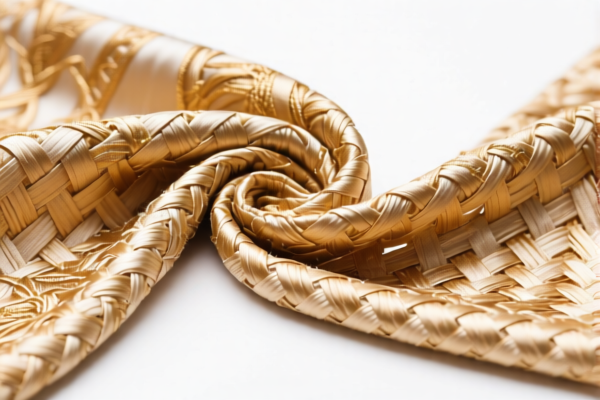
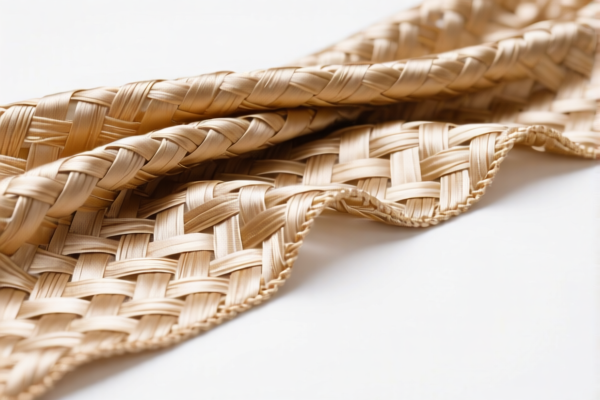
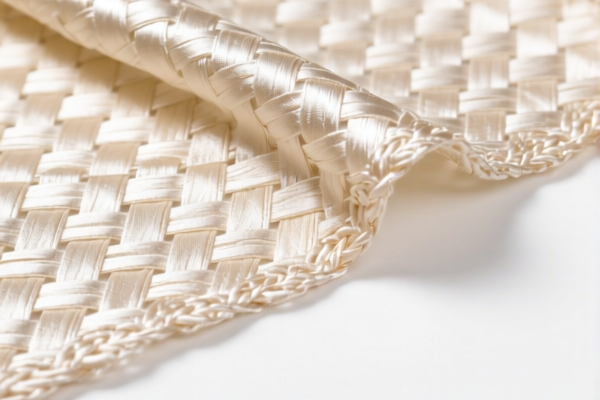
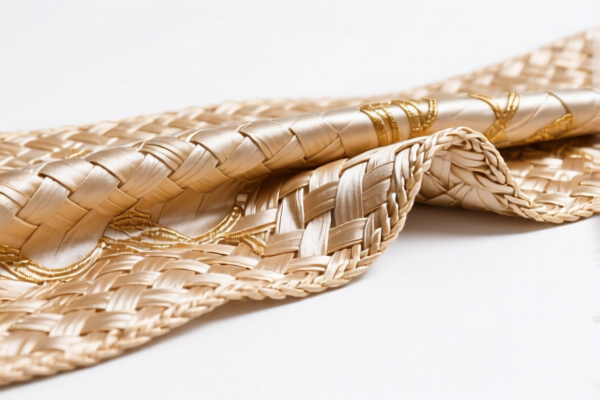
AI分析
🛋️ 4-Strand Decorative Fabric (For Sofa Covers)
🌐 HS Code Reference & Customs Clearance Guide | 2026 Latest Tariff Breakdown | Professional Entry Strategy
📌 I. Product Definition & Classification: What Exactly is "4-Strand Decorative Fabric"?
"4-Strand Decorative Fabric" refers to textile materials specifically engineered for home furnishing applications, particularly sofa covers (upholstery). In international trade, the classification hinges on two critical factors: 1. Construction Method: Is it knitted, woven, or chenille? 2. Material Composition: Is it Cotton, Synthetic Fiber, or a blend?
⚠️ Key Distinction Points:
- If it is a non-knitted/non-crocheted general textile intended for home use → It falls under Chapter 63 (Other Made-Up Textile Articles).
- If it is a specific Chenille fabric (a pile fabric with distinctive texture), it falls under Chapter 58 (Special Fabrics).
- The specific subheading within Chapter 58 depends heavily on whether the primary fiber is Cotton or Synthetic Fiber.
📦 II. HS Code Classification Details (2026 Authoritative Mapping)
Based on the provided data, the "4-Strand Decorative Fabric" maps to three potential HS Codes depending on the exact material and structure.
| HS Code | Product Description | Material/Structure Inference | Application Context |
|---|---|---|---|
| 6304.99.60.40 | Non-knitted/non-crocheted textile goods, other | General non-knitted textile | Sofa Covers: Fits the category of "Home Textile" articles not elsewhere specified. |
| 5801.26.00.20 | Other Chenille Fabrics, of Cotton | Cotton-based Chenille | Cotton Chenille: High-pile, soft texture often used in premium upholstery. |
| 5801.36.00.20 | Other Chenille Fabrics, of Synthetic Fibers | Synthetic/Mixed Fiber Chenille | Synthetic Chenille: Durable, colorfast fabric often used in high-traffic furniture. |
🔍 Critical Analysis:
- Code6304...is the broadest fit for "decorative fabric for sofa covers" if the specific chenille structure is not dominant or if it's a general woven textile.
- Codes5801...apply if the fabric is explicitly Chenille (a looped pile fabric). The split between26(Cotton) and36(Synthetic) is crucial for duty rates.
💰 III. 2026 Latest Tariff Rate Breakdown (Detailed Tax Clauses)
✅ Applicable Market: United States (US)
✅ Country of Origin: China (CN)
✅ Effective Date: 2025/2026 (Current Enforcement)
🎯 1. 6304.99.60.40 —— Non-Knitted Decorative Textiles (Sofa Covers)
| Item | Content |
|---|---|
| Base Tariff | 3.2% (MFN Rate) |
| Section 301 Tariff (Add-on) | +7.5% |
| Section 122 Tariff | +10% |
| Total Tax Rate | 20.7% |
| Tax Calculation | CIF Value × 20.7% |
| De Minimis Exemption | ❌ Not Eligible |
📌 Explanation:
- This code captures general "made-up" textile articles for home use.
- The 20.7% total rate is a combination of standard Most Favored Nation (MFN) duties plus significant trade remedy tariffs (Section 301 and Section 122).
- Warning: Unlike electronics, textile products rarely qualify for low-value exemptions if declared as "decorative fabric" for commercial use.
🎯 2. 5801.26.00.20 —— Chenille Fabrics, of Cotton
| Item | Content |
|---|---|
| Base Tariff | 0.0% |
| Section 301 Tariff (Add-on) | +25.0% |
| Section 122 Tariff | +10% |
| Total Tax Rate | 35.0% |
| Tax Calculation | CIF Value × 35.0% |
| De Minimis Exemption | ❌ Not Eligible |
📌 Explanation:
- 0% Base Rate: Pure cotton chenille enjoys a duty-free base rate under MFN.
- High Add-ons: However, the 25% Section 301 tariff and 10% Section 122 tariff drive the total cost to 35.0%.
- Key Insight: Do not be misled by the "0% base" — the effective landed cost is significantly higher due to punitive tariffs.
🎯 3. 5801.36.00.20 —— Chenille Fabrics, of Synthetic Fibers
| Item | Content |
|---|---|
| Base Tariff | 9.8% |
| Section 301 Tariff (Add-on) | +7.5% |
| Section 122 Tariff | +10% |
| Total Tax Rate | 27.3% |
| Tax Calculation | CIF Value × 27.3% |
| De Minimis Exemption | ❌ Not Eligible |
📌 Explanation:
- Synthetic fiber chenille has a higher base rate (9.8%) but a lower Section 301 add-on (7.5%) compared to cotton.
- Total Rate: 27.3%. This is a moderate tariff burden compared to the 35% for cotton.
- Strategy: If possible, verify if the fabric composition can be certified as synthetic or blended to potentially leverage this rate (depending on exact fiber content rules).
🛠️ IV. Customs Clearance Practical Advice (Combat Pitfalls)
✅ 1. Documentation Checklist (Mandatory)
| Document | Required? | Notes |
|---|---|---|
| ✅ Product Specification Sheet | ✔️ | Must explicitly state: "4-Strand," "Chenille" (if applicable), "Cotton vs. Synthetic," and "Sofa Cover Use." |
| ✅ Fiber Composition Statement | ✔️ | Crucial for distinguishing between 5801.26 (Cotton) and 5801.36 (Synthetic). |
| ✅ Commercial Invoice | ✔️ | Clearly describe as "Decorative Fabric for Upholstery" or "Chenille Textile." |
| ✅ Packing List | ✔️ | Detail weight, dimensions, and number of rolls/bales. |
| ✅ Certificate of Origin (CO) | ✔️ | Required to prove Origin as China (to apply specific tariffs). |
| ✅ Test Reports (Optional but Helpful) | ✔️ | Fabric weight, shrinkage, and colorfastness tests can support the "decorative/sofa" classification. |
✅ 2. Declaration Tips (Key Mantras)
🔥 "Material Defines the Code, Use Defines the Chapter!"
| Scenario | Correct Declaration | Wrong Declaration | Consequence |
|---|---|---|---|
| Chenille Fabric (Cotton) | 5801.26.00.20 - Chenille Fabric, 4-Strand, Cotton |
"Decorative Fabric" | Risk of misclassification → Penalty + Back Taxes |
| Chenille Fabric (Synthetic) | 5801.36.00.20 - Chenille Fabric, 4-Strand, Synthetic |
"Home Textile" | Risk of higher duty (if misclassified as 6304) |
| General Non-Knitted Fabric | 6304.99.60.40 - Decorative Textile for Sofa Covers |
"Raw Material" | Misuse of heading 6304 for non-made-up items |
| Knitted Fabric | Not Listed in Data | Using 6304/5801 | Major Error: Knitted fabrics belong to Chapter 60 or 61. |
⚠️ Critical Warning:
- Do NOT simply declare as "Fabric" without specifying the Chenille structure if it is indeed Chenille. Customs may reclassify it, leading to audits.
- Do NOT omit the "Sofa Cover" purpose if claiming Chapter 63, as this confirms the "Made-Up" or "Home Textile" intent.
✅ 3. Special Case Handling
| Situation | Handling Advice |
|---|---|
| Blended Fabrics | If the fabric is a blend of Cotton and Polyester, consult the Chapter 55/58 General Rules of Interpretation. The fiber content by weight determines the subheading (26 vs 36). |
| Sample vs. Bulk | Even for samples, if declared as "Commercial Samples," ensure they are non-dutiable only if value is <$2,500 AND no Section 301/122 exemptions apply. Warning: Section 301/122 tariffs often do not apply to de minimis. Check current enforcement. |
| Origin Labeling | Ensure all fabric rolls are clearly marked "Made in China" to avoid accusations of transshipment fraud, which triggers higher penalties. |
🌍 V. Global Market Comparison (2026 Snapshot)
| Country/Region | Recommended HS Code | Est. Duty Rate (China Origin) | Notes |
|---|---|---|---|
| 🇺🇸 USA | 6304.99.60.40 / 5801.26.00.20 / 5801.36.00.20 |
20.7% - 35.0% | High punitive tariffs (301/122). |
| 🇨🇳 China | 6304.99.60.40 / 5801... |
Low/Zero (Imported In) | Domestic production favored. |
| 🇪🇺 EU | 6304.99 / 5801 |
0% - 9% | No Section 301/122 equivalents. |
| 🇬🇧 UK | 6304.99 / 5801 |
0% - 9% | Post-Brexit tariff schedules. |
📌 Conclusion:
- The US is the most challenging market for Chinese textile imports due to the叠加 (stacking) of MFN, Section 301, and Section 122 tariffs.
- Cost Optimization: If you are exporting to the US, carefully choose between Cotton (35%) and Synthetic (27.3%) Chenille, or consider the general Decorative (20.7%) if the structure allows.
📌 VI. Common Errors & Pitfall Avoidance (Lessons Learned)
❌ Error 1: Declaring Chenille fabric as "Cotton Fabric" (5211) or "Synthetic Fabric" (5407)
👉 Consequence: Incorrect Chapter. Chenille is a special fabric (Chapter 58), not a standard woven cloth. Misclassification leads to seizure or fines.
❌ Error 2: Ignoring the Section 122 Tariff
👉 Consequence: Many importers remember Section 301 (25% or 7.5%) but forget the 10% Section 122 tariff. This results in underpayment and customs audits.
❌ Error 3: Confusing "Knitted" vs. "Woven/Chenille"
👉 Consequence: If the fabric is actually knitted, assigning a Chapter 58 or 63 code is wrong. Knitted upholstery fabrics fall under Chapter 60.
✅ Correct Practice:
"4-Strand Chenille Fabric, 100% Cotton, for Sofa Upholstery, Width 150cm, Certified by [Lab Name]"
🎯 VII. Conclusion: Precision in Classification Saves Money!
🎯 Remember the Mantra:
🔹 "Cotton Chenille? 35%. Synthetic Chenille? 27.3%. General Decorative? 20.7%."
🔹 "Check the Fiber, Check the Structure, Check the Section 122!"
📌 Pro Tip:
- If your fabric is not Chenille but a standard woven tapestry or jacquard, ensure it does not fall under Chapter 58 by mistake.
- For US Imports, consider applying for a Binding Ruling (Pre-Ruling) from CBP if the fiber content is ambiguous (e.g., blends) to avoid surprise duties at the port.
📣 Immediate Action:
📞 Consult with your customs broker to confirm if your specific "4-strand" fabric meets the Chenille definition (looped pile).
🚀 Accurate HS Code = Accurate Duty = Smooth Clearance!
✨ Professional Clearance Starts with Accurate Classification!
💼 Your bottom line depends on the dots in the HS Code!
用户评价
关于 HS 编码归类
协调制度(HS)是由世界海关组织(WCO)制定的国际贸易商品分类标准。全球 200 多个国家采用 HS 系统作为海关关税、贸易统计和进出口监管的基础。
每个 HS 编码遵循以下层级结构:
- 章(2 位)——商品大类(例如:第 84 章:机器和机械设备)
- 品目(4 位)——章内的更具体分类
- 子目(6 位)——国际通用细分,所有 WCO 成员国统一使用
- 本国细分(8-10 位)——各国自行扩展的细分编码,如美国 HTSUS 10 位编码
正确的 HS 编码归类对于顺利通关、准确缴纳关税和遵守贸易法规至关重要。错误归类可能导致海关延误、多缴关税或罚款。
从CN进口到US时,适用的关税税率可能包括:
- 最惠国(MFN)税率——适用于 WTO 成员国的标准关税税率
- 普通税率——适用于无贸易协定国家
- 贸易救济关税——附加关税,如 301 条款(反倾销)、232 条款(国家安全)或反补贴税
本页内容仅供参考。如需正式归类,请咨询当地海关或持牌报关代理。