4 strand decorative fabric
CN → US| HS Code | Tariff Rate | Origin | Destination | Doc |
|---|---|---|---|---|
| 6304996040 | 20.7% | CN | US | Official Doc |
| 5801260020 | 35.0% | CN | US | Official Doc |
| 5801360020 | 27.3% | CN | US | Official Doc |
Product Images
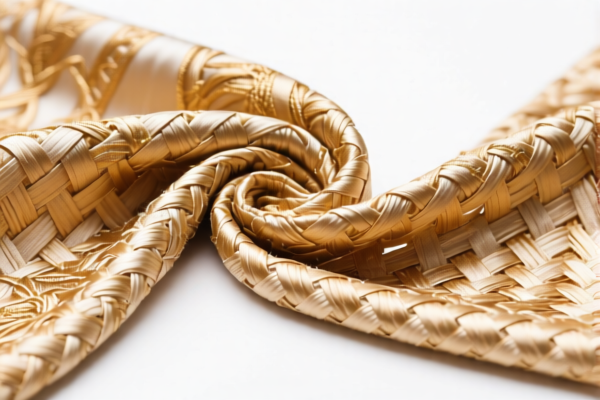
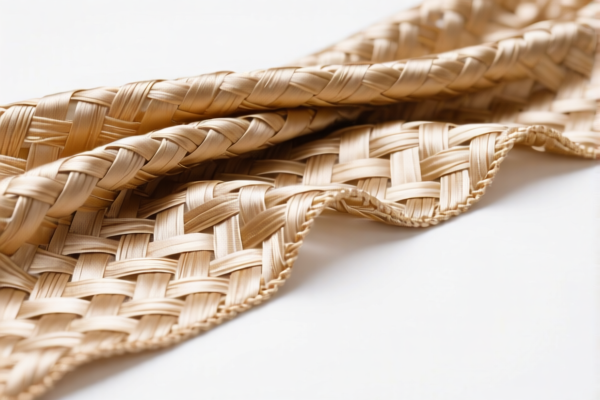
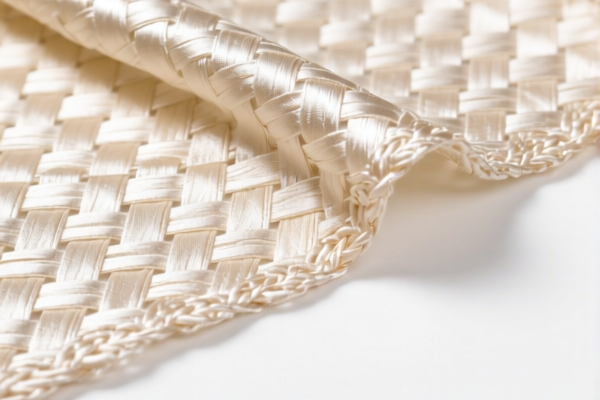
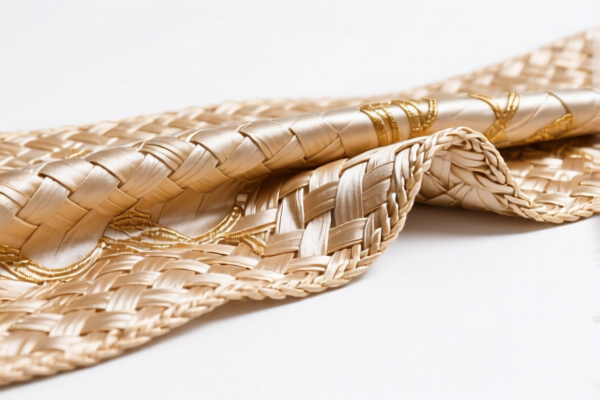
AI Analysis
🛋️ 4-Strand Decorative Fabric (For Sofa Covers)
🌐 HS Code Reference & Customs Clearance Guide | 2026 Latest Tariff Breakdown | Professional Entry Strategy
📌 I. Product Definition & Classification: What Exactly is "4-Strand Decorative Fabric"?
"4-Strand Decorative Fabric" refers to textile materials specifically engineered for home furnishing applications, particularly sofa covers (upholstery). In international trade, the classification hinges on two critical factors: 1. Construction Method: Is it knitted, woven, or chenille? 2. Material Composition: Is it Cotton, Synthetic Fiber, or a blend?
⚠️ Key Distinction Points:
- If it is a non-knitted/non-crocheted general textile intended for home use → It falls under Chapter 63 (Other Made-Up Textile Articles).
- If it is a specific Chenille fabric (a pile fabric with distinctive texture), it falls under Chapter 58 (Special Fabrics).
- The specific subheading within Chapter 58 depends heavily on whether the primary fiber is Cotton or Synthetic Fiber.
📦 II. HS Code Classification Details (2026 Authoritative Mapping)
Based on the provided data, the "4-Strand Decorative Fabric" maps to three potential HS Codes depending on the exact material and structure.
| HS Code | Product Description | Material/Structure Inference | Application Context |
|---|---|---|---|
| 6304.99.60.40 | Non-knitted/non-crocheted textile goods, other | General non-knitted textile | Sofa Covers: Fits the category of "Home Textile" articles not elsewhere specified. |
| 5801.26.00.20 | Other Chenille Fabrics, of Cotton | Cotton-based Chenille | Cotton Chenille: High-pile, soft texture often used in premium upholstery. |
| 5801.36.00.20 | Other Chenille Fabrics, of Synthetic Fibers | Synthetic/Mixed Fiber Chenille | Synthetic Chenille: Durable, colorfast fabric often used in high-traffic furniture. |
🔍 Critical Analysis:
- Code6304...is the broadest fit for "decorative fabric for sofa covers" if the specific chenille structure is not dominant or if it's a general woven textile.
- Codes5801...apply if the fabric is explicitly Chenille (a looped pile fabric). The split between26(Cotton) and36(Synthetic) is crucial for duty rates.
💰 III. 2026 Latest Tariff Rate Breakdown (Detailed Tax Clauses)
✅ Applicable Market: United States (US)
✅ Country of Origin: China (CN)
✅ Effective Date: 2025/2026 (Current Enforcement)
🎯 1. 6304.99.60.40 —— Non-Knitted Decorative Textiles (Sofa Covers)
| Item | Content |
|---|---|
| Base Tariff | 3.2% (MFN Rate) |
| Section 301 Tariff (Add-on) | +7.5% |
| Section 122 Tariff | +10% |
| Total Tax Rate | 20.7% |
| Tax Calculation | CIF Value × 20.7% |
| De Minimis Exemption | ❌ Not Eligible |
📌 Explanation:
- This code captures general "made-up" textile articles for home use.
- The 20.7% total rate is a combination of standard Most Favored Nation (MFN) duties plus significant trade remedy tariffs (Section 301 and Section 122).
- Warning: Unlike electronics, textile products rarely qualify for low-value exemptions if declared as "decorative fabric" for commercial use.
🎯 2. 5801.26.00.20 —— Chenille Fabrics, of Cotton
| Item | Content |
|---|---|
| Base Tariff | 0.0% |
| Section 301 Tariff (Add-on) | +25.0% |
| Section 122 Tariff | +10% |
| Total Tax Rate | 35.0% |
| Tax Calculation | CIF Value × 35.0% |
| De Minimis Exemption | ❌ Not Eligible |
📌 Explanation:
- 0% Base Rate: Pure cotton chenille enjoys a duty-free base rate under MFN.
- High Add-ons: However, the 25% Section 301 tariff and 10% Section 122 tariff drive the total cost to 35.0%.
- Key Insight: Do not be misled by the "0% base" — the effective landed cost is significantly higher due to punitive tariffs.
🎯 3. 5801.36.00.20 —— Chenille Fabrics, of Synthetic Fibers
| Item | Content |
|---|---|
| Base Tariff | 9.8% |
| Section 301 Tariff (Add-on) | +7.5% |
| Section 122 Tariff | +10% |
| Total Tax Rate | 27.3% |
| Tax Calculation | CIF Value × 27.3% |
| De Minimis Exemption | ❌ Not Eligible |
📌 Explanation:
- Synthetic fiber chenille has a higher base rate (9.8%) but a lower Section 301 add-on (7.5%) compared to cotton.
- Total Rate: 27.3%. This is a moderate tariff burden compared to the 35% for cotton.
- Strategy: If possible, verify if the fabric composition can be certified as synthetic or blended to potentially leverage this rate (depending on exact fiber content rules).
🛠️ IV. Customs Clearance Practical Advice (Combat Pitfalls)
✅ 1. Documentation Checklist (Mandatory)
| Document | Required? | Notes |
|---|---|---|
| ✅ Product Specification Sheet | ✔️ | Must explicitly state: "4-Strand," "Chenille" (if applicable), "Cotton vs. Synthetic," and "Sofa Cover Use." |
| ✅ Fiber Composition Statement | ✔️ | Crucial for distinguishing between 5801.26 (Cotton) and 5801.36 (Synthetic). |
| ✅ Commercial Invoice | ✔️ | Clearly describe as "Decorative Fabric for Upholstery" or "Chenille Textile." |
| ✅ Packing List | ✔️ | Detail weight, dimensions, and number of rolls/bales. |
| ✅ Certificate of Origin (CO) | ✔️ | Required to prove Origin as China (to apply specific tariffs). |
| ✅ Test Reports (Optional but Helpful) | ✔️ | Fabric weight, shrinkage, and colorfastness tests can support the "decorative/sofa" classification. |
✅ 2. Declaration Tips (Key Mantras)
🔥 "Material Defines the Code, Use Defines the Chapter!"
| Scenario | Correct Declaration | Wrong Declaration | Consequence |
|---|---|---|---|
| Chenille Fabric (Cotton) | 5801.26.00.20 - Chenille Fabric, 4-Strand, Cotton |
"Decorative Fabric" | Risk of misclassification → Penalty + Back Taxes |
| Chenille Fabric (Synthetic) | 5801.36.00.20 - Chenille Fabric, 4-Strand, Synthetic |
"Home Textile" | Risk of higher duty (if misclassified as 6304) |
| General Non-Knitted Fabric | 6304.99.60.40 - Decorative Textile for Sofa Covers |
"Raw Material" | Misuse of heading 6304 for non-made-up items |
| Knitted Fabric | Not Listed in Data | Using 6304/5801 | Major Error: Knitted fabrics belong to Chapter 60 or 61. |
⚠️ Critical Warning:
- Do NOT simply declare as "Fabric" without specifying the Chenille structure if it is indeed Chenille. Customs may reclassify it, leading to audits.
- Do NOT omit the "Sofa Cover" purpose if claiming Chapter 63, as this confirms the "Made-Up" or "Home Textile" intent.
✅ 3. Special Case Handling
| Situation | Handling Advice |
|---|---|
| Blended Fabrics | If the fabric is a blend of Cotton and Polyester, consult the Chapter 55/58 General Rules of Interpretation. The fiber content by weight determines the subheading (26 vs 36). |
| Sample vs. Bulk | Even for samples, if declared as "Commercial Samples," ensure they are non-dutiable only if value is <$2,500 AND no Section 301/122 exemptions apply. Warning: Section 301/122 tariffs often do not apply to de minimis. Check current enforcement. |
| Origin Labeling | Ensure all fabric rolls are clearly marked "Made in China" to avoid accusations of transshipment fraud, which triggers higher penalties. |
🌍 V. Global Market Comparison (2026 Snapshot)
| Country/Region | Recommended HS Code | Est. Duty Rate (China Origin) | Notes |
|---|---|---|---|
| 🇺🇸 USA | 6304.99.60.40 / 5801.26.00.20 / 5801.36.00.20 |
20.7% - 35.0% | High punitive tariffs (301/122). |
| 🇨🇳 China | 6304.99.60.40 / 5801... |
Low/Zero (Imported In) | Domestic production favored. |
| 🇪🇺 EU | 6304.99 / 5801 |
0% - 9% | No Section 301/122 equivalents. |
| 🇬🇧 UK | 6304.99 / 5801 |
0% - 9% | Post-Brexit tariff schedules. |
📌 Conclusion:
- The US is the most challenging market for Chinese textile imports due to the叠加 (stacking) of MFN, Section 301, and Section 122 tariffs.
- Cost Optimization: If you are exporting to the US, carefully choose between Cotton (35%) and Synthetic (27.3%) Chenille, or consider the general Decorative (20.7%) if the structure allows.
📌 VI. Common Errors & Pitfall Avoidance (Lessons Learned)
❌ Error 1: Declaring Chenille fabric as "Cotton Fabric" (5211) or "Synthetic Fabric" (5407)
👉 Consequence: Incorrect Chapter. Chenille is a special fabric (Chapter 58), not a standard woven cloth. Misclassification leads to seizure or fines.
❌ Error 2: Ignoring the Section 122 Tariff
👉 Consequence: Many importers remember Section 301 (25% or 7.5%) but forget the 10% Section 122 tariff. This results in underpayment and customs audits.
❌ Error 3: Confusing "Knitted" vs. "Woven/Chenille"
👉 Consequence: If the fabric is actually knitted, assigning a Chapter 58 or 63 code is wrong. Knitted upholstery fabrics fall under Chapter 60.
✅ Correct Practice:
"4-Strand Chenille Fabric, 100% Cotton, for Sofa Upholstery, Width 150cm, Certified by [Lab Name]"
🎯 VII. Conclusion: Precision in Classification Saves Money!
🎯 Remember the Mantra:
🔹 "Cotton Chenille? 35%. Synthetic Chenille? 27.3%. General Decorative? 20.7%."
🔹 "Check the Fiber, Check the Structure, Check the Section 122!"
📌 Pro Tip:
- If your fabric is not Chenille but a standard woven tapestry or jacquard, ensure it does not fall under Chapter 58 by mistake.
- For US Imports, consider applying for a Binding Ruling (Pre-Ruling) from CBP if the fiber content is ambiguous (e.g., blends) to avoid surprise duties at the port.
📣 Immediate Action:
📞 Consult with your customs broker to confirm if your specific "4-strand" fabric meets the Chenille definition (looped pile).
🚀 Accurate HS Code = Accurate Duty = Smooth Clearance!
✨ Professional Clearance Starts with Accurate Classification!
💼 Your bottom line depends on the dots in the HS Code!
Customer Reviews
About HS Code Classification
The Harmonized System (HS) is an internationally standardized nomenclature developed by the World Customs Organization (WCO) to classify traded products. Over 200 countries use the HS system as the basis for customs tariffs, trade statistics, and import/export regulations.
Each HS code follows a hierarchical structure:
- Chapter (2 digits) — Broad category of goods (e.g., Chapter 84: Machinery and Mechanical Appliances)
- Heading (4 digits) — More specific grouping within the chapter
- Subheading (6 digits) — Internationally standardized breakdown, used by all WCO member countries
- National subdivisions (8-10 digits) — Country-specific extensions for further classification, such as US HTSUS 10-digit codes
Correct HS code classification is essential for smooth customs clearance, accurate duty payment, and compliance with trade regulations. Misclassification can lead to customs delays, overpayment of duties, or penalties.
When importing from CN to US, the applicable tariff rates may include:
- Most-Favored-Nation (MFN) rate — The standard duty rate applied to WTO members
- General rate — Applied to countries without trade agreements
- Trade remedy duties — Additional tariffs such as Section 301 (anti-dumping), Section 232 (national security), or countervailing duties
The information provided on this page is for reference purposes only. For official classification, please consult with your local customs authority or a licensed customs broker.