4 strand workwear fabric
CN → US| HS编码 | 关税税率 | 原产国 | 目的国 | 文档 |
|---|---|---|---|---|
| 5801360020 | 27.3% | CN | US | 官方文档 |
| 6304996040 | 20.7% | CN | US | 官方文档 |
| 5801260020 | 35.0% | CN | US | 官方文档 |
| 7312101050 | 85.0% | CN | US | 官方文档 |
| 7312103020 | 85.0% | CN | US | 官方文档 |
商品图片
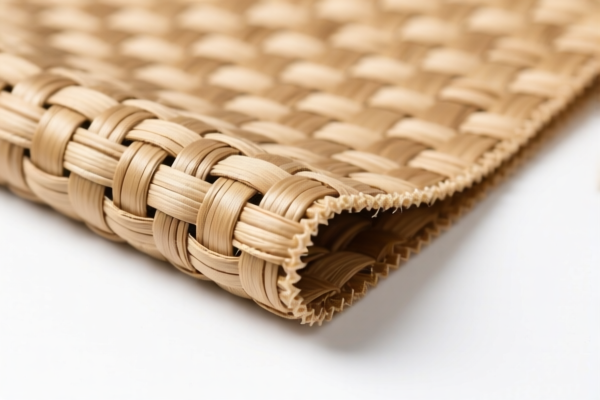
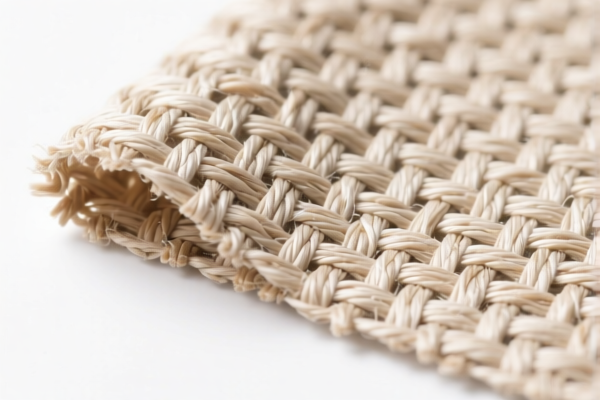
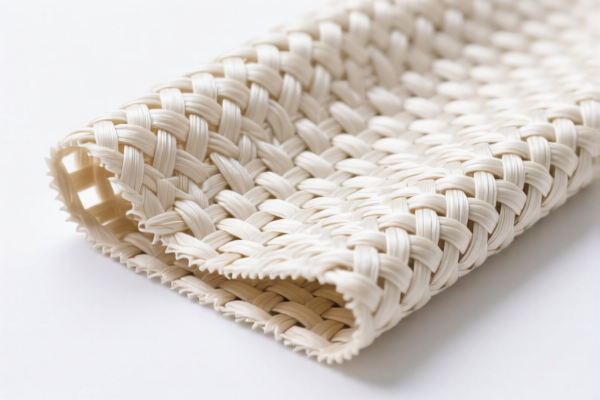
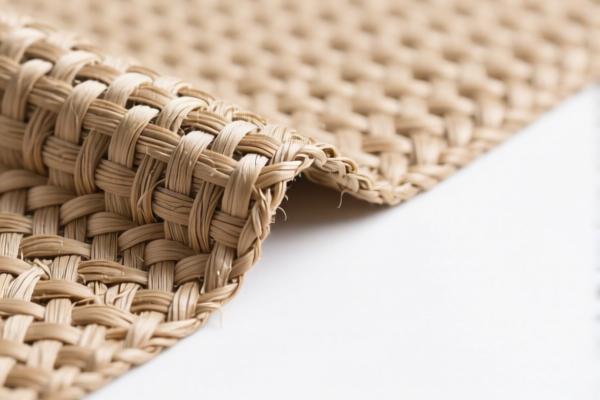
AI分析
🧵 4 Strand Workwear Fabric (Textile Materials)
🌐 HS Code Reference & Customs Clearance Guide | 2026 Latest Tariff Analysis | Professional Entry Strategy
📌 I. Product Definition & Classification: What is "4 Strand Workwear Fabric"?
"4 Strand Workwear Fabric" generally refers to a durable textile material constructed with four twisted or braided threads/strands. In international trade, the classification heavily depends on the material composition (e.g., steel, cotton, synthetic) and the final form (woven fabric vs. cord/rope). Since "Workwear" implies durability and utility, the goods are likely classified under specific textile or metal product headings based on the underlying substance.
⚠️ Key Distinction Point:
- If made of Steel/Iron: It may be classified as Steel Cord/Rope (Metal Products).
- If made of Cotton/Synthetic: It is classified as Chenille Woven Fabric or Other Woven Fabrics (Textiles).
- The "4 Strand" description often triggers classification under specific sub-headings for "Chenille" or "Cord/Rope" structures.
📦 II. HS Code Classification Details (2026 Latest Tariff Authority Cross-Reference)
Based on the provided data, here are the four possible HS Code classifications and their rationales:
| HS Code | Product Description | Rationale from Data | Applicable Scenario |
|--------|----------|--------------------------|
| 5801.36.00.20 | Chenille Woven Fabric (Other) | Matches the "fabric" form attribute; no conflict with "Other Chenille Fabrics". | Fabric made of synthetic fibers (e.g., polyester/nylon) with a chenille structure, used for workwear. |
| 6304.99.60.40 | Other Furnishings (Non-knitted) | Identified as fabric for workwear; belongs to non-knitted/hooked textile materials, fitting the "Other" category. | Specialized workwear fabric that doesn't fit standard apparel headings, potentially treated as a technical textile/furnishing. |
| 5801.26.00.20 | Cotton Chenille Fabric | Matches form (fabric) and use (workwear); inferred as cotton-based or fiber-based fabric, fitting the "catch-all" logic. | Fabric made primarily of cotton, woven in a chenille style, for durable work garments. |
| 7312.10.30.20 / 7312.10.10.50 | Steel Cord/Rope/Cable | Matches form (stranded/braided) and material inference (steel/iron); "thread" fits "Cord/Rope" category; no material conflict with "Steel". | CRITICAL: If the "4 strand" refers to steel cables used in industrial workwear (e.g., anti-cut gloves, safety harnesses), it falls under metal products. |
🔍 Important Note:
- If the product is textile (cotton/polyester), use HS Codes 5801 or 6304.
- If the product is metallic (steel wire for anti-cut workwear), use HS Code 7312.
- The term "4 Strand" is ambiguous; customs may inspect the material. Metallic strands = High Tariff (85%); Textile strands = Medium Tariff (20-35%).
💰 III. 2026 Latest Tariff Rate Breakdown (Including Surtaxes & Policy Add-ons)
✅ Applicable Country: United States (US)
✅ Origin: China (CN)
✅ Effective Date: November 10, 2025 (including subsequent imports)
🎯 1. 5801.36.00.20 —— Synthetic Chenille Woven Fabric
| Item | Content |
|---|---|
| Base Tariff | 9.8% |
| Surtax (Section 301) | +7.5% |
| 122 Clause Tariff | +10% |
| Total Tariff Rate | 27.3% |
| Tax Calculation | CIF Value × 27.3% |
| De Minimis Eligibility | ❌ No (High tariff prevents de minimis relief) |
| Legal Basis Path | Base:9.8% → 301:7.5% → 122:10% |
📌 Explanation:
- Base 9.8%: Standard HTSUS duty for chenille fabrics.
- Section 301 (7.5%): Additional duty on Chinese textiles.
- 122 Clause (10%): Specific surtax for certain textile/apparel categories.
- Total 27.3%: Significant cost impact. Pre-plan pricing accordingly.
🎯 2. 6304.99.60.40 —— Other Non-Knitted Textile Furnishings (Workwear Fabric)
| Item | Content |
|---|---|
| Base Tariff | 3.2% |
| Surtax (Section 301) | +7.5% |
| 122 Clause Tariff | +10% |
| Total Tariff Rate | 20.7% |
| Tax Calculation | CIF Value × 20.7% |
| De Minimis Eligibility | ❌ No |
| Legal Basis Path | Base:3.2% → 301:7.5% → 122:10% |
📌 Note:
- This classification offers the lowest total tariff (20.7%) among textile options.
- However, justification must be strong: "Non-knitted," "Workwear," and "Other" (not standard apparel).
- Risk: Customs may reclassify as standard apparel (higher tariff). Ensure product specs support "furnishing" or "technical textile" status.
🎯 3. 5801.26.00.20 —— Cotton Chenille Woven Fabric
| Item | Content |
|---|---|
| Base Tariff | 0.0% |
| Surtax (Section 301) | +25.0% |
| 122 Clause Tariff | +10% |
| Total Tariff Rate | 35.0% |
| Tax Calculation | CIF Value × 35.0% |
| De Minimis Eligibility | ❌ No |
| Legal Basis Path | Base:0.0% → 301:25.0% → 122:10% |
📌 Warning:
- Although Base Tariff is 0%, the Section 301 Surtax is 25% (higher than synthetic).
- Total 35% is the highest textile tariff.
- Cotton imports face stricter scrutiny and higher punitive tariffs under current US-China trade policies.
🎯 4. 7312.10.10.50 / 7312.10.30.20 —— Steel Cord/Rope (Metal Product)
| Item | Content |
|---|---|
| Base Tariff | 0.0% |
| Surtax (Section 301) | +25.0% |
| 122 Clause Tariff | +10% |
| Steel/Aluminum/Copper Surtax | +50.0% |
| Total Tariff Rate | 85.0% |
| Tax Calculation | CIF Value × 85.0% |
| De Minimis Eligibility | ❌ No |
| Legal Basis Path | Base:0.0% → 301:25.0% → 122:10% → Steel Surtax:50% |
🚨 CRITICAL ALERT:
- If your "4 Strand Workwear Fabric" contains steel strands (e.g., for cut-resistant gloves, industrial safety), it is classified as Steel.
- Total Tariff: 85%!
- Steel, Aluminum, Copper attract an additional 50% surtax on top of Section 301 and 122 duties.
- Recommendation: If possible, avoid steel classification. If unavoidable, price accordingly. This is a prohibitive tariff level.
🛠️ IV. Customs Clearance Operational Advice (Practical Pitfall Avoidance)
✅ 1. Preparation Checklist (Non-negotiable)
| Document | Required | Description |
|---|---|---|
| ✅ Product Specification Sheet | ✔️ | Must detail: Material (Cotton/Poly/Steel), Weave Structure (Chenille/Cord), Strand Count (4), End Use (Workwear). |
| ✅ Material Composition Label | ✔️ | Exact % of Cotton, Polyester, Steel, etc. Customs may deny lower rates if composition is vague. |
| ✅ Product Photos | ✔️ | Close-ups of the "4-strand" structure. Differentiate between textile fiber and metal wire. |
| ✅ Commercial Invoice | ✔️ | Clear description: "4-Strand Chenille Workwear Fabric, Synthetic, Non-Knitted" or "Steel Strand Safety Cord". |
| ✅ Certificate of Origin (CO) | ✔️ | If not CN, may reduce 301/122 duties. |
✅ 2. Declaration Tips (Key Mnemonics)
🔥 "Textile vs. Metal: Know Your Strand! Steel = 85%, Cotton = 35%, Synthetic = 27%, Other = 20%."
| Scenario | Correct Declaration | Incorrect Declaration | Consequence |
|---|---|---|---|
| Polyester Chenille Fabric | 5801.36.00.20 |
6304.99.60.40 |
Risk of reclassification to 35% or 27.3%. Stick to specific chenille heading. |
| Cotton Workwear Fabric | 5801.26.00.20 |
6203.xx (Apparel) |
If sold as fabric, not garment, do NOT declare as apparel. |
| Steel Cord (Anti-cut) | 7312.10.xx.xx |
5801.xx (Textile) |
Major Error: Declaring steel as textile to avoid 85% tariff leads to fraud charges & penalties. |
| Mixed Material | Disclose all | "Textile" only | Partial tariff evasion. Full disclosure required. |
✅ 3. Special Case Handling
| Situation | Recommendation |
|---|---|
| OEM Custom Fabric | Provide design specs to prove it’s not a standard consumer good. May support 6304.99.60.40 (20.7%). |
| Anti-Cut Gloves Fabric | If it contains steel, accept 7312 (85%). Consider sourcing from non-China origin to avoid 301/122/50% if possible. |
| Bulk Roll vs. Cut Pieces | Declare as "Fabric in Rolls" if under certain lengths. If cut to size, may be considered "Parts" or "Garments," changing HS Code entirely. |
| Sample Shipment | Still subject to full tariffs. De minimis does NOT apply due to high tariff rates. |
🌍 V. Global Market Comparison (2026 Latest)
| Country/Region | Recommended HS Code (Textile) | Tariff Rate (China Origin) | Certification | Note |
|---|---|---|---|---|
| 🇺🇸 USA | 5801.36.00.20 or 6304.99.60.40 |
20.7% – 27.3% | No special certs for raw fabric | Steel: 85% |
| 🇨🇳 China | 5801.36.00 |
~5-9% | None | Low base duty, no surtaxes |
| 🇪🇺 EU | 5801.36 |
0-4% | REACH (if chemical treated) | No Section 301/122 equivalent |
| 🇦🇺 Australia | 5801.36 |
5% | N/A | Moderate tariff |
📌 Conclusion:
- USA is the most expensive market for these goods due to Section 301 + 122 + Steel Surtax.
- Textile classification (5801/6304) is strongly preferred over Metal (7312) unless the product is unequivocally steel-based.
- Cotton (5801.26) is penalized higher than synthetic (5801.36). Use synthetic if possible.
📌 VI. Common Mistakes & Pitfall Guide (Lessons Learned)
❌ Mistake 1: Declaring Steel Cord as "Textile Fabric"
👉 Consequence: Customs detects metal content → 85% tariff applies retroactively + Penalties.
👉 Fix: Always declare material accurately. If steel, accept the 85%.
❌ Mistake 2: Using HS 6304.99.60.40 without proof
👉 Consequence: Customs argues it’s standard chenille (5801.36.00.20) → Tariff increases from 20.7% to 27.3%.
👉 Fix: Provide documentation that it’s "non-standard" or "technical furnishing."
❌ Mistake 3: Ignoring 122 Clause
👉 Consequence: Under-declaration → 10% shortfall + Interest.
👉 Fix: Include 10% in all cost calculations for textile imports.
❌ Mistake 4: Mixing Cotton and Synthetic without disclosure
👉 Consequence: Customs applies highest applicable rate or demands split billing.
👉 Fix: Declare exact composition. If >50% cotton, use Cotton HS Code.
✅ Correct Approach:
"4-Strand Synthetic Chenille Workwear Fabric, Polyester, Woven, for Industrial Use, HS 5801.36.00.20"
🎯 VII. Conclusion: Professional Classification, Cost Optimization!
🎯 Remember the Golden Rules:
🔹 "Metal = 85%, Cotton = 35%, Synthetic Chenille = 27.3%, Other Textile = 20.7%."
🔹 "Strand count doesn’t matter as much as Material Composition."
🔹 "122 Clause is non-negotiable for textiles. Factor it in!"
📌 Pro Tip:
If your workwear fabric is not made in China (e.g., Vietnam, Bangladesh), you may avoid Section 301 (7.5%-25%) and 122 Clause (10%) depending on trade agreements.
Recommendation: Apply for Advance Ruling if unsure about Material Classification (Steel vs. Textile). Avoid the 85% trap!
📣 Immediate Action:
📞 Consult Customs Broker + Provide Material SWOT Test (Burn Test for Cotton vs. Synthetic, Magnet Test for Steel) + Confirm HS Code Pre-Ruling
🚀 Clear Your Goods Smoothly, Maximize Margins, Avoid Surprises!
✨ Professional Clearance Starts with Accurate Classification!
💼 Every Percent of Tariff Counts! Calculate Precisely!
用户评价
关于 HS 编码归类
协调制度(HS)是由世界海关组织(WCO)制定的国际贸易商品分类标准。全球 200 多个国家采用 HS 系统作为海关关税、贸易统计和进出口监管的基础。
每个 HS 编码遵循以下层级结构:
- 章(2 位)——商品大类(例如:第 84 章:机器和机械设备)
- 品目(4 位)——章内的更具体分类
- 子目(6 位)——国际通用细分,所有 WCO 成员国统一使用
- 本国细分(8-10 位)——各国自行扩展的细分编码,如美国 HTSUS 10 位编码
正确的 HS 编码归类对于顺利通关、准确缴纳关税和遵守贸易法规至关重要。错误归类可能导致海关延误、多缴关税或罚款。
从CN进口到US时,适用的关税税率可能包括:
- 最惠国(MFN)税率——适用于 WTO 成员国的标准关税税率
- 普通税率——适用于无贸易协定国家
- 贸易救济关税——附加关税,如 301 条款(反倾销)、232 条款(国家安全)或反补贴税
本页内容仅供参考。如需正式归类,请咨询当地海关或持牌报关代理。