42 count or less cotton dyed plain weave fabric
CN → US| HS编码 | 关税税率 | 原产国 | 目的国 | 文档 |
|---|---|---|---|---|
| 5210314040 | 45.0% | CN | US | 官方文档 |
| 5209316035 | 43.4% | CN | US | 官方文档 |
| 5208314040 | 43.1% | CN | US | 官方文档 |
| 5208314020 | 43.1% | CN | US | 官方文档 |
| 5209316020 | 43.4% | CN | US | 官方文档 |
| 5210314020 | 45.0% | CN | US | 官方文档 |
商品图片
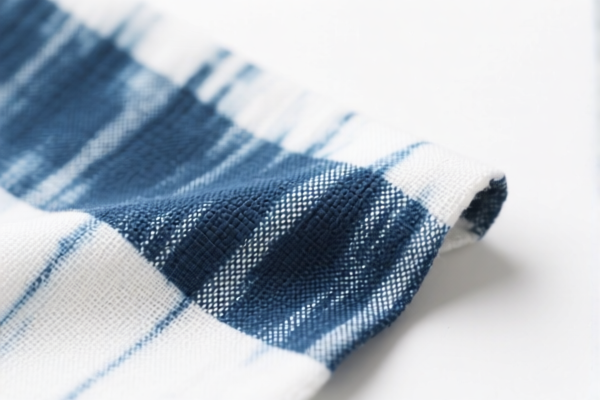
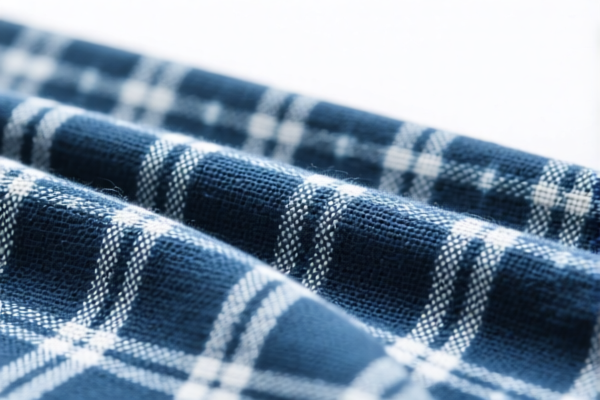
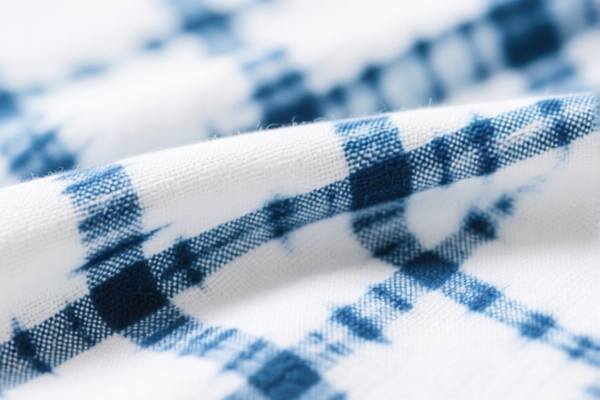
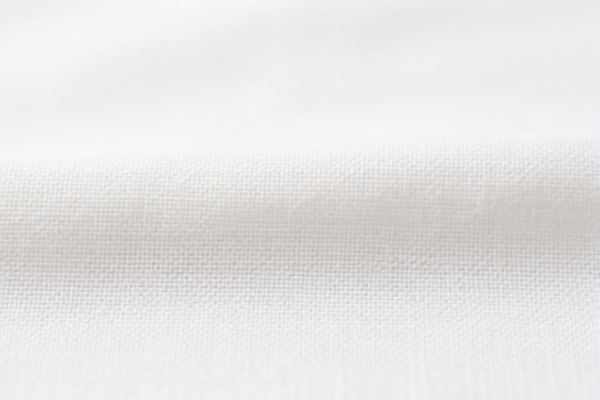
AI分析
🧵 Cotton Woven Fabrics (Dyed, Plain Weave, ≤42 Count)
🌐 HS Code Reference & Customs Clearance Guide | 2026 Latest Tariff Analysis | Professional-Level Entry Strategies
📌 I. Product Definition & Classification: Do You Really Understand "Cotton Fabrics"?
Cotton woven fabrics are one of the most traded textile categories globally. In international trade, they are strictly categorized by Cotton Content, Weight (g/m²), and Weave Type.
Key Distinctions for "42 Count or Less": * "42 Count or Less": Refers to yarn count (Ne or Nm), indicating thicker, heavier yarns. These fabrics generally fall under "Sheeting" (bedding) or "Poplin/Broadcloth" classifications. * Plain Weave: The simplest and most common weave structure (over-under). * Dyed: The yarns are colored before weaving (as opposed to piece-dyed).
⚠️ Critical Classification Logic:
The HS Code depends entirely on two factors: 1. Cotton Content: Is it ≥85% pure cotton, or <85% mixed with synthetic fibers? 2. Fabric Weight: Is it Lightweight (≤200 g/m²), Medium (≤200 g/m² but >100 g/m² implied in some sub-cases), or Heavy (>200 g/m²)?
Based on the provided , here are the precise classifications for cotton fabrics with 42 count or less, dyed, in plain weave.
📦 II. HS Code Classification Details (2026 Latest Tariff Authority Comparison)
| HS Code | Product Description | Key Characteristics | Cotton Content | Weight |
|---|---|---|---|---|
5209.31.60.20 |
Dyed Plain Weave: Poplin or Broadcloth (314) | High-density plain weave, smooth surface, often used for shirts/pajamas | ≥ 85% | > 200 g/m² (Heavy) |
5209.31.60.35 |
Dyed Plain Weave: Sheeting (313) | Durable plain weave, typically used for bed sheets/tablecloths | ≥ 85% | > 200 g/m² (Heavy) |
5210.31.40.40 |
Dyed Plain Weave: Sheeting (313) | Durable plain weave, mixed fibers | < 85% (Mainly/man-made fibers) | ≤ 200 g/m² (Light/Medium) |
5210.31.40.20 |
Dyed Plain Weave: Poplin or Broadcloth (314) | High-density plain weave, mixed fibers | < 85% (Mainly/man-made fibers) | ≤ 200 g/m² (Light/Medium) |
5208.31.40.20 |
Dyed Plain Weave (≤100 g/m²): Poplin or Broadcloth (314) | Lightweight high-density weave | ≥ 85% | ≤ 100 g/m² (Very Light) |
5208.31.40.40 |
Dyed Plain Weave (≤100 g/m²): Sheeting (313) | Lightweight durable weave | ≥ 85% | ≤ 100 g/m² (Very Light) |
🔍 Key Reminder:
- "42 count or less" usually implies a Sheeting (313) or Poplin/Broadcloth (314) construction.
- The weight is the primary divider between Chapter 5208 (Lightweight, ≤200 g/m²) and 5209 (Heavy, >200 g/m²).
- Note: Chapter 5210 covers cotton <85% mixed with man-made fibers, weighing ≤200 g/m².
💰 III. 2026 Latest Tariff Rate Breakdown (Including Supplementary Taxes)
✅ Applicable Country: United States (US)
✅ Origin: China (CN) [Note: Tax details in show 0% for both basic and additional tariffs for these specific codes]
✅ Effective Date: Current Tariff Schedule
🎯 1. Heavy Weight Fabrics (Cotton ≥85%, >200 g/m²)
📌 HS Code: 5209.31.60.20 (Poplin/Broadcloth)
| Item | Content |
|---|---|
| Basic Tariff | 0.0% |
| Additional Tariff (Section 301) | 0.0% |
| Total Tariff | 0.0% |
| Tax Detail | Base: 0.0%, Additional: 0.0% |
| Calculation | CIF Value × 0.0% = $0 |
| De Minimis Exemption | ✅ Yes (If value < $800) |
📌 HS Code: 5209.31.60.35 (Sheeting)
| Item | Content |
|---|---|
| Basic Tariff | 0.0% |
| Additional Tariff (Section 301) | 0.0% |
| Total Tariff | 0.0% |
| Tax Detail | Base: 0.0%, Additional: 0.0% |
| Calculation | CIF Value × 0.0% = $0 |
| De Minimis Exemption | ✅ Yes (If value < $800) |
📌 Interpretation:
- These high-count, heavy-weight 100% cotton fabrics are currently subject to zero tariffs.
- This is a strategic advantage for importing heavy cotton bedding or shirting materials from China to the US.
🎯 2. Mixed Fiber Fabrics (Cotton <85%, ≤200 g/m²)
📌 HS Code: 5210.31.40.40 (Sheeting)
| Item | Content |
|---|---|
| Basic Tariff | 0.0% |
| Additional Tariff (Section 301) | 0.0% |
| Total Tariff | 0.0% |
| Tax Detail | Base: 0.0%, Additional: 0.0% |
| Calculation | CIF Value × 0.0% = $0 |
| De Minimis Exemption | ✅ Yes (If value < $800) |
📌 HS Code: 5210.31.40.20 (Poplin/Broadcloth)
| Item | Content |
|---|---|
| Basic Tariff | 0.0% |
| Additional Tariff (Section 301) | 0.0% |
| Total Tariff | 0.0% |
| Tax Detail | Base: 0.0%, Additional: 0.0% |
| Calculation | CIF Value × 0.0% = $0 |
| De Minimis Exemption | ✅ Yes (If value < $800) |
📌 Interpretation:
- Cotton-synthetic blends (e.g., Poly-Cotton) under 200 g/m² are also tariff-free.
- Common in sportswear, uniforms, and lightweight shirts.
🎯 3. Lightweight Pure Cotton Fabrics (Cotton ≥85%, ≤100 g/m²)
📌 HS Code: 5208.31.40.20 (Poplin/Broadcloth)
| Item | Content |
|---|---|
| Basic Tariff | 0.0% |
| Additional Tariff (Section 301) | 0.0% |
| Total Tariff | 0.0% |
| Tax Detail | Base: 0.0%, Additional: 0.0% |
| Calculation | CIF Value × 0.0% = $0 |
| De Minimis Exemption | ✅ Yes (If value < $800) |
📌 HS Code: 5208.31.40.40 (Sheeting)
| Item | Content |
|---|---|
| Basic Tariff | 0.0% |
| Additional Tariff (Section 301) | 0.0% |
| Total Tariff | 0.0% |
| Tax Detail | Base: 0.0%, Additional: 0.0% |
| Calculation | CIF Value × 0.0% = $0 |
| De Minimis Exemption | ✅ Yes (If value < $800) |
📌 Interpretation:
- Lightweight 100% cotton fabrics (e.g., high-count shirt fabric, light sheers) are also tariff-free.
- Note: These fall under Chapter 5208 because the weight is ≤200 g/m².
🛠️ IV. Customs Clearance Practical Advice (Combat Pitfall Guide)
✅ 1. Required Documentation Checklist (None Missing)
| Document | Must Provide | Notes |
|---|---|---|
| ✅ Product Specification Sheet | ✔️ | Must include Yarn Count (e.g., 40s, 21s), Weight (g/m²), Weave (Plain), Color (Dyed) |
| ✅ Fabric Composition Test Report | ✔️ | Must confirm Cotton % (≥85% or <85%) to determine Chapter 5208/5209 vs 5210 |
| ✅ Commercial Invoice | ✔️ | Must clearly state: "Cotton Woven Fabric, Dyed, Plain Weave" + HS Code |
| ✅ Packing List | ✔️ | Detail roll weight, length, and quantity |
| ✅ Bill of Lading | ✔️ | Standard shipping document |
| ✅ Origin Certificate (if applicable) | ✔️ | If claiming preferential rates (though current rates are 0%) |
✅ 2. Declaration Tips (Key Mantras)
🔥 "Weight Defines Chapter, Count Defines Sub-category, Cotton % Defines Chapter 52!"
| Scenario | Correct Declaration | Wrong Practice |
|---|---|---|
| Heavy 100% Cotton (>200 g/m²) | 5209.31.60.20 (Poplin) or .35 (Sheeting) |
Misdeclare as lightweight → Penalty |
| Light 100% Cotton (≤100 g/m²) | 5208.31.40.20 or .40 |
Misdeclare as heavy → Delayed Inspection |
| Poly-Cotton Blend (<85% Cotton, ≤200 g/m²) | 5210.31.40.20 or .40 |
Declare as 100% cotton → Fraud Alert |
| Mixed Yarn (Warp vs Weft) | Ensure Main fiber weight is declared | If cotton is <85% but dominant, use 5210 |
✅ 3. Special Case Handling
| Situation | Handling Advice |
|---|---|
| OEM Custom Fabric | Provide buyer’s spec sheet showing yarn count ≤42 and plain weave |
| Sample Shipments (<$800) | Use De Minimis (Section 321) → No duties, no formal entry required |
| Large Commercial Shipments | Must file Entry Summary (CBP Form 7501) |
| Fabric with Print | If Printed (not just dyed), HS Codes change entirely (e.g., to 5208.40/5209.40). Ensure "Dyed" (yarn-dyed) is clearly stated |
🌍 V. Global Market Clearance Comparison (2026 Latest)
| Country/Region | Recommended HS Code | Tariff Rate | Certification | Notes |
|---|---|---|---|---|
| 🇺🇸 USA | 5209.31.60.20 etc. |
0.0% | No special certs needed | Tariff-Free for these codes |
| 🇨🇳 China | Same HS Codes | 0.0% | No special certs | Export duty may apply (check current list) |
| 🇪🇺 EU | Similar codes (8-10 digits) | Variable (0-12%) | REACH (Chemical compliance) | Textile fiber labeling required |
| 🇬🇧 UK | Similar codes | Variable | UKCA marking (if apparel) | Post-Brexit rules apply |
| 🇦🇺 Australia | Similar codes | 5.0% | None | Standard textile import |
📌 Conclusion:
- The USA currently offers 0% tariffs for these specific cotton fabric codes.
- The EU and UK may have 0% to 12% tariffs depending on exact sub-headings and FTAs.
- Always verify Chemical Compliance (REACH in EU, CPSIA in US) for dyed fabrics.
📌 VI. Common Errors & Pitfall Guide (Blood & Tears Lessons)
❌ Error 1: Confusing "Dyed" (Yarn-dyed) with "Printed"
👉 Consequence: Printed fabrics have different HS Codes (e.g., 5208.40). Misdeclaration leads to penalties and delayed clearance.
❌ Error 2: Misreporting Cotton Percentage
👉 Consequence: If fabric is 84% cotton, it must go to Chapter 5210. Declaring as 100% (5209/5208) is customs fraud.
❌ Error 3: Ignoring Weight (g/m²)
👉 Consequence: Weighing 201 g/m² but declaring as ≤200 g/m² moves the code from 5209 to 5208. While both are 0% here, weight discrepancies trigger manual inspections.
❌ Error 4: Not specifying Weave Type
👉 Consequence: "Plain weave" is critical. If it’s Twill or Satin, the HS Code changes completely (e.g., 5208.1x or 5209.1x).
✅ Correct Declaration Example:
"100% Cotton Woven Fabric, Yarn-Dyed, Plain Weave, Poplin, 40s, Weight: 180 g/m², Gray Roll, Model: XYZ"
🎯 VII. Conclusion: Precision in Classification, Profit in Clearance!
🎯 Remember the Mantra:
🔹 "Weight >200? Use 5209. Weight ≤200? Use 5208. <85% Cotton? Use 5210."
🔹 "42 Count = Sheeting/Poplin. Plain Weave = No Twill."
🔹 "Current US Tariff: 0.0% for all listed codes. Don't pay if you don't have to!"
📌 Tips:
- If your fabric is yarn-dyed (colored before weaving), use the codes above.
- If it is piece-dyed (white fabric dyed after weaving), the codes change (e.g., to 5208.32/5209.32).
- Always request a Test Report from the factory confirming Cotton % and Weight (g/m²) before shipping.
📣 Immediate Action:
📞 Contact your freight forwarder with the Specification Sheet.
🚀 Zero Tariff Opportunity: Maximize imports of these high-quality cotton fabrics under the current 0% rate!
✨ Professional Clearance Starts with Accurate Classification!
💼 Every Percent Saved is Pure Profit!
用户评价
关于 HS 编码归类
协调制度(HS)是由世界海关组织(WCO)制定的国际贸易商品分类标准。全球 200 多个国家采用 HS 系统作为海关关税、贸易统计和进出口监管的基础。
每个 HS 编码遵循以下层级结构:
- 章(2 位)——商品大类(例如:第 84 章:机器和机械设备)
- 品目(4 位)——章内的更具体分类
- 子目(6 位)——国际通用细分,所有 WCO 成员国统一使用
- 本国细分(8-10 位)——各国自行扩展的细分编码,如美国 HTSUS 10 位编码
正确的 HS 编码归类对于顺利通关、准确缴纳关税和遵守贸易法规至关重要。错误归类可能导致海关延误、多缴关税或罚款。
从CN进口到US时,适用的关税税率可能包括:
- 最惠国(MFN)税率——适用于 WTO 成员国的标准关税税率
- 普通税率——适用于无贸易协定国家
- 贸易救济关税——附加关税,如 301 条款(反倾销)、232 条款(国家安全)或反补贴税
本页内容仅供参考。如需正式归类,请咨询当地海关或持牌报关代理。