42 count or less cotton dyed plain weave fabric
CN → US| HS Code | Tariff Rate | Origin | Destination | Doc |
|---|---|---|---|---|
| 5210314040 | 45.0% | CN | US | Official Doc |
| 5209316035 | 43.4% | CN | US | Official Doc |
| 5208314040 | 43.1% | CN | US | Official Doc |
| 5208314020 | 43.1% | CN | US | Official Doc |
| 5209316020 | 43.4% | CN | US | Official Doc |
| 5210314020 | 45.0% | CN | US | Official Doc |
Product Images
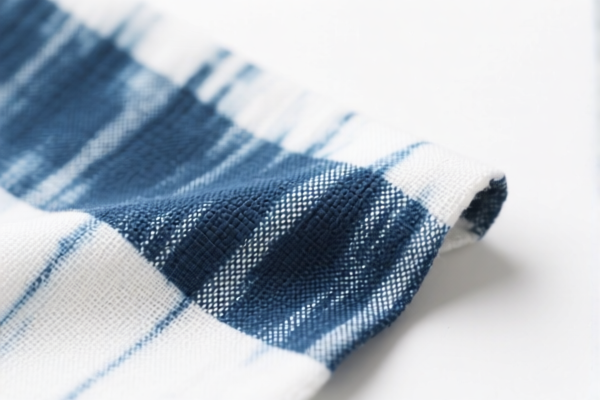
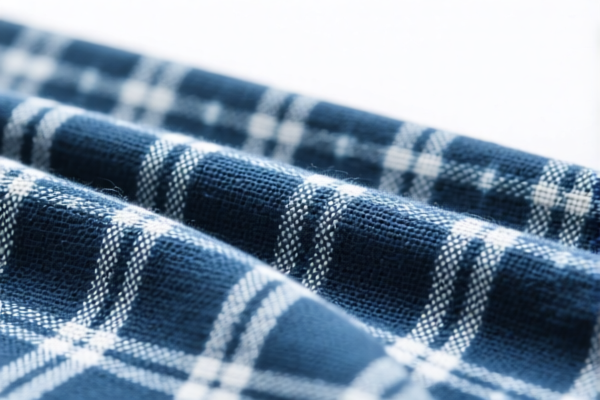
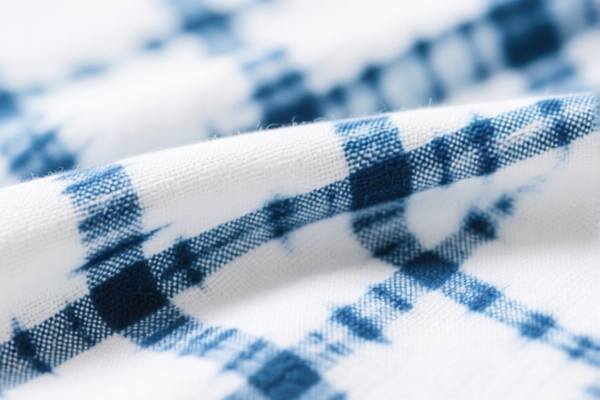
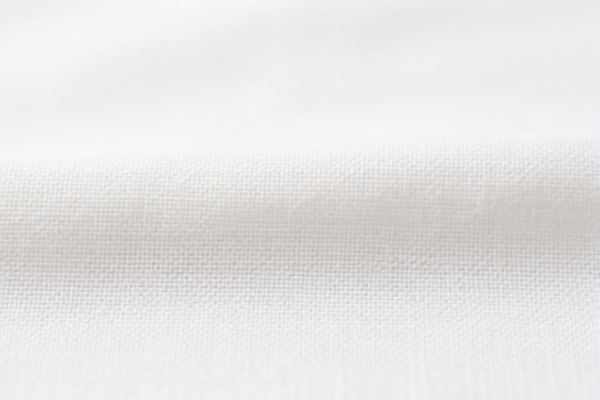
AI Analysis
🧵 Cotton Woven Fabrics (Dyed, Plain Weave, ≤42 Count)
🌐 HS Code Reference & Customs Clearance Guide | 2026 Latest Tariff Analysis | Professional-Level Entry Strategies
📌 I. Product Definition & Classification: Do You Really Understand "Cotton Fabrics"?
Cotton woven fabrics are one of the most traded textile categories globally. In international trade, they are strictly categorized by Cotton Content, Weight (g/m²), and Weave Type.
Key Distinctions for "42 Count or Less": * "42 Count or Less": Refers to yarn count (Ne or Nm), indicating thicker, heavier yarns. These fabrics generally fall under "Sheeting" (bedding) or "Poplin/Broadcloth" classifications. * Plain Weave: The simplest and most common weave structure (over-under). * Dyed: The yarns are colored before weaving (as opposed to piece-dyed).
⚠️ Critical Classification Logic:
The HS Code depends entirely on two factors: 1. Cotton Content: Is it ≥85% pure cotton, or <85% mixed with synthetic fibers? 2. Fabric Weight: Is it Lightweight (≤200 g/m²), Medium (≤200 g/m² but >100 g/m² implied in some sub-cases), or Heavy (>200 g/m²)?
Based on the provided , here are the precise classifications for cotton fabrics with 42 count or less, dyed, in plain weave.
📦 II. HS Code Classification Details (2026 Latest Tariff Authority Comparison)
| HS Code | Product Description | Key Characteristics | Cotton Content | Weight |
|---|---|---|---|---|
5209.31.60.20 |
Dyed Plain Weave: Poplin or Broadcloth (314) | High-density plain weave, smooth surface, often used for shirts/pajamas | ≥ 85% | > 200 g/m² (Heavy) |
5209.31.60.35 |
Dyed Plain Weave: Sheeting (313) | Durable plain weave, typically used for bed sheets/tablecloths | ≥ 85% | > 200 g/m² (Heavy) |
5210.31.40.40 |
Dyed Plain Weave: Sheeting (313) | Durable plain weave, mixed fibers | < 85% (Mainly/man-made fibers) | ≤ 200 g/m² (Light/Medium) |
5210.31.40.20 |
Dyed Plain Weave: Poplin or Broadcloth (314) | High-density plain weave, mixed fibers | < 85% (Mainly/man-made fibers) | ≤ 200 g/m² (Light/Medium) |
5208.31.40.20 |
Dyed Plain Weave (≤100 g/m²): Poplin or Broadcloth (314) | Lightweight high-density weave | ≥ 85% | ≤ 100 g/m² (Very Light) |
5208.31.40.40 |
Dyed Plain Weave (≤100 g/m²): Sheeting (313) | Lightweight durable weave | ≥ 85% | ≤ 100 g/m² (Very Light) |
🔍 Key Reminder:
- "42 count or less" usually implies a Sheeting (313) or Poplin/Broadcloth (314) construction.
- The weight is the primary divider between Chapter 5208 (Lightweight, ≤200 g/m²) and 5209 (Heavy, >200 g/m²).
- Note: Chapter 5210 covers cotton <85% mixed with man-made fibers, weighing ≤200 g/m².
💰 III. 2026 Latest Tariff Rate Breakdown (Including Supplementary Taxes)
✅ Applicable Country: United States (US)
✅ Origin: China (CN) [Note: Tax details in show 0% for both basic and additional tariffs for these specific codes]
✅ Effective Date: Current Tariff Schedule
🎯 1. Heavy Weight Fabrics (Cotton ≥85%, >200 g/m²)
📌 HS Code: 5209.31.60.20 (Poplin/Broadcloth)
| Item | Content |
|---|---|
| Basic Tariff | 0.0% |
| Additional Tariff (Section 301) | 0.0% |
| Total Tariff | 0.0% |
| Tax Detail | Base: 0.0%, Additional: 0.0% |
| Calculation | CIF Value × 0.0% = $0 |
| De Minimis Exemption | ✅ Yes (If value < $800) |
📌 HS Code: 5209.31.60.35 (Sheeting)
| Item | Content |
|---|---|
| Basic Tariff | 0.0% |
| Additional Tariff (Section 301) | 0.0% |
| Total Tariff | 0.0% |
| Tax Detail | Base: 0.0%, Additional: 0.0% |
| Calculation | CIF Value × 0.0% = $0 |
| De Minimis Exemption | ✅ Yes (If value < $800) |
📌 Interpretation:
- These high-count, heavy-weight 100% cotton fabrics are currently subject to zero tariffs.
- This is a strategic advantage for importing heavy cotton bedding or shirting materials from China to the US.
🎯 2. Mixed Fiber Fabrics (Cotton <85%, ≤200 g/m²)
📌 HS Code: 5210.31.40.40 (Sheeting)
| Item | Content |
|---|---|
| Basic Tariff | 0.0% |
| Additional Tariff (Section 301) | 0.0% |
| Total Tariff | 0.0% |
| Tax Detail | Base: 0.0%, Additional: 0.0% |
| Calculation | CIF Value × 0.0% = $0 |
| De Minimis Exemption | ✅ Yes (If value < $800) |
📌 HS Code: 5210.31.40.20 (Poplin/Broadcloth)
| Item | Content |
|---|---|
| Basic Tariff | 0.0% |
| Additional Tariff (Section 301) | 0.0% |
| Total Tariff | 0.0% |
| Tax Detail | Base: 0.0%, Additional: 0.0% |
| Calculation | CIF Value × 0.0% = $0 |
| De Minimis Exemption | ✅ Yes (If value < $800) |
📌 Interpretation:
- Cotton-synthetic blends (e.g., Poly-Cotton) under 200 g/m² are also tariff-free.
- Common in sportswear, uniforms, and lightweight shirts.
🎯 3. Lightweight Pure Cotton Fabrics (Cotton ≥85%, ≤100 g/m²)
📌 HS Code: 5208.31.40.20 (Poplin/Broadcloth)
| Item | Content |
|---|---|
| Basic Tariff | 0.0% |
| Additional Tariff (Section 301) | 0.0% |
| Total Tariff | 0.0% |
| Tax Detail | Base: 0.0%, Additional: 0.0% |
| Calculation | CIF Value × 0.0% = $0 |
| De Minimis Exemption | ✅ Yes (If value < $800) |
📌 HS Code: 5208.31.40.40 (Sheeting)
| Item | Content |
|---|---|
| Basic Tariff | 0.0% |
| Additional Tariff (Section 301) | 0.0% |
| Total Tariff | 0.0% |
| Tax Detail | Base: 0.0%, Additional: 0.0% |
| Calculation | CIF Value × 0.0% = $0 |
| De Minimis Exemption | ✅ Yes (If value < $800) |
📌 Interpretation:
- Lightweight 100% cotton fabrics (e.g., high-count shirt fabric, light sheers) are also tariff-free.
- Note: These fall under Chapter 5208 because the weight is ≤200 g/m².
🛠️ IV. Customs Clearance Practical Advice (Combat Pitfall Guide)
✅ 1. Required Documentation Checklist (None Missing)
| Document | Must Provide | Notes |
|---|---|---|
| ✅ Product Specification Sheet | ✔️ | Must include Yarn Count (e.g., 40s, 21s), Weight (g/m²), Weave (Plain), Color (Dyed) |
| ✅ Fabric Composition Test Report | ✔️ | Must confirm Cotton % (≥85% or <85%) to determine Chapter 5208/5209 vs 5210 |
| ✅ Commercial Invoice | ✔️ | Must clearly state: "Cotton Woven Fabric, Dyed, Plain Weave" + HS Code |
| ✅ Packing List | ✔️ | Detail roll weight, length, and quantity |
| ✅ Bill of Lading | ✔️ | Standard shipping document |
| ✅ Origin Certificate (if applicable) | ✔️ | If claiming preferential rates (though current rates are 0%) |
✅ 2. Declaration Tips (Key Mantras)
🔥 "Weight Defines Chapter, Count Defines Sub-category, Cotton % Defines Chapter 52!"
| Scenario | Correct Declaration | Wrong Practice |
|---|---|---|
| Heavy 100% Cotton (>200 g/m²) | 5209.31.60.20 (Poplin) or .35 (Sheeting) |
Misdeclare as lightweight → Penalty |
| Light 100% Cotton (≤100 g/m²) | 5208.31.40.20 or .40 |
Misdeclare as heavy → Delayed Inspection |
| Poly-Cotton Blend (<85% Cotton, ≤200 g/m²) | 5210.31.40.20 or .40 |
Declare as 100% cotton → Fraud Alert |
| Mixed Yarn (Warp vs Weft) | Ensure Main fiber weight is declared | If cotton is <85% but dominant, use 5210 |
✅ 3. Special Case Handling
| Situation | Handling Advice |
|---|---|
| OEM Custom Fabric | Provide buyer’s spec sheet showing yarn count ≤42 and plain weave |
| Sample Shipments (<$800) | Use De Minimis (Section 321) → No duties, no formal entry required |
| Large Commercial Shipments | Must file Entry Summary (CBP Form 7501) |
| Fabric with Print | If Printed (not just dyed), HS Codes change entirely (e.g., to 5208.40/5209.40). Ensure "Dyed" (yarn-dyed) is clearly stated |
🌍 V. Global Market Clearance Comparison (2026 Latest)
| Country/Region | Recommended HS Code | Tariff Rate | Certification | Notes |
|---|---|---|---|---|
| 🇺🇸 USA | 5209.31.60.20 etc. |
0.0% | No special certs needed | Tariff-Free for these codes |
| 🇨🇳 China | Same HS Codes | 0.0% | No special certs | Export duty may apply (check current list) |
| 🇪🇺 EU | Similar codes (8-10 digits) | Variable (0-12%) | REACH (Chemical compliance) | Textile fiber labeling required |
| 🇬🇧 UK | Similar codes | Variable | UKCA marking (if apparel) | Post-Brexit rules apply |
| 🇦🇺 Australia | Similar codes | 5.0% | None | Standard textile import |
📌 Conclusion:
- The USA currently offers 0% tariffs for these specific cotton fabric codes.
- The EU and UK may have 0% to 12% tariffs depending on exact sub-headings and FTAs.
- Always verify Chemical Compliance (REACH in EU, CPSIA in US) for dyed fabrics.
📌 VI. Common Errors & Pitfall Guide (Blood & Tears Lessons)
❌ Error 1: Confusing "Dyed" (Yarn-dyed) with "Printed"
👉 Consequence: Printed fabrics have different HS Codes (e.g., 5208.40). Misdeclaration leads to penalties and delayed clearance.
❌ Error 2: Misreporting Cotton Percentage
👉 Consequence: If fabric is 84% cotton, it must go to Chapter 5210. Declaring as 100% (5209/5208) is customs fraud.
❌ Error 3: Ignoring Weight (g/m²)
👉 Consequence: Weighing 201 g/m² but declaring as ≤200 g/m² moves the code from 5209 to 5208. While both are 0% here, weight discrepancies trigger manual inspections.
❌ Error 4: Not specifying Weave Type
👉 Consequence: "Plain weave" is critical. If it’s Twill or Satin, the HS Code changes completely (e.g., 5208.1x or 5209.1x).
✅ Correct Declaration Example:
"100% Cotton Woven Fabric, Yarn-Dyed, Plain Weave, Poplin, 40s, Weight: 180 g/m², Gray Roll, Model: XYZ"
🎯 VII. Conclusion: Precision in Classification, Profit in Clearance!
🎯 Remember the Mantra:
🔹 "Weight >200? Use 5209. Weight ≤200? Use 5208. <85% Cotton? Use 5210."
🔹 "42 Count = Sheeting/Poplin. Plain Weave = No Twill."
🔹 "Current US Tariff: 0.0% for all listed codes. Don't pay if you don't have to!"
📌 Tips:
- If your fabric is yarn-dyed (colored before weaving), use the codes above.
- If it is piece-dyed (white fabric dyed after weaving), the codes change (e.g., to 5208.32/5209.32).
- Always request a Test Report from the factory confirming Cotton % and Weight (g/m²) before shipping.
📣 Immediate Action:
📞 Contact your freight forwarder with the Specification Sheet.
🚀 Zero Tariff Opportunity: Maximize imports of these high-quality cotton fabrics under the current 0% rate!
✨ Professional Clearance Starts with Accurate Classification!
💼 Every Percent Saved is Pure Profit!
Customer Reviews
About HS Code Classification
The Harmonized System (HS) is an internationally standardized nomenclature developed by the World Customs Organization (WCO) to classify traded products. Over 200 countries use the HS system as the basis for customs tariffs, trade statistics, and import/export regulations.
Each HS code follows a hierarchical structure:
- Chapter (2 digits) — Broad category of goods (e.g., Chapter 84: Machinery and Mechanical Appliances)
- Heading (4 digits) — More specific grouping within the chapter
- Subheading (6 digits) — Internationally standardized breakdown, used by all WCO member countries
- National subdivisions (8-10 digits) — Country-specific extensions for further classification, such as US HTSUS 10-digit codes
Correct HS code classification is essential for smooth customs clearance, accurate duty payment, and compliance with trade regulations. Misclassification can lead to customs delays, overpayment of duties, or penalties.
When importing from CN to US, the applicable tariff rates may include:
- Most-Favored-Nation (MFN) rate — The standard duty rate applied to WTO members
- General rate — Applied to countries without trade agreements
- Trade remedy duties — Additional tariffs such as Section 301 (anti-dumping), Section 232 (national security), or countervailing duties
The information provided on this page is for reference purposes only. For official classification, please consult with your local customs authority or a licensed customs broker.