5 Artificial Pampas Grass
CN → US| HS编码 | 关税税率 | 原产国 | 目的国 | 文档 |
|---|---|---|---|---|
| 6702104000 | 13.4% | CN | US | 官方文档 |
| 6702903500 | 19.0% | CN | US | 官方文档 |
| 6701006000 | 39.7% | CN | US | 官方文档 |
| 3926400090 | 15.3% | CN | US | 官方文档 |
| 3926909989 | 22.8% | CN | US | 官方文档 |
商品图片
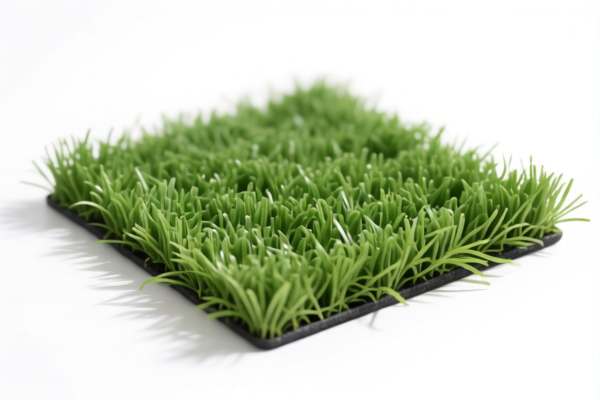
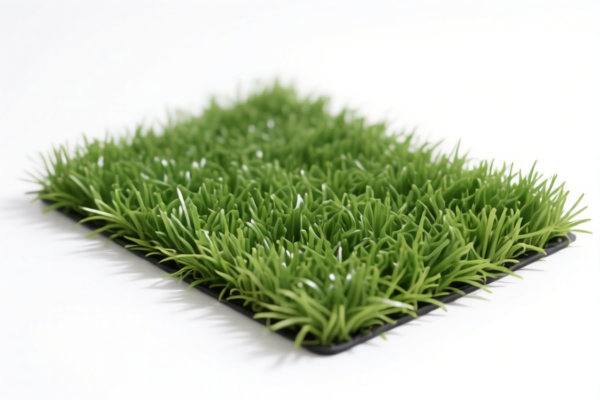
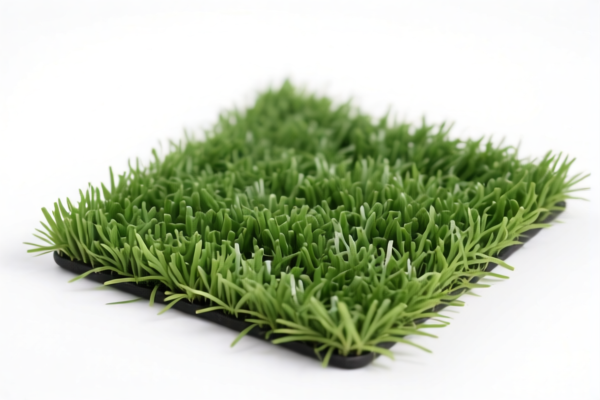
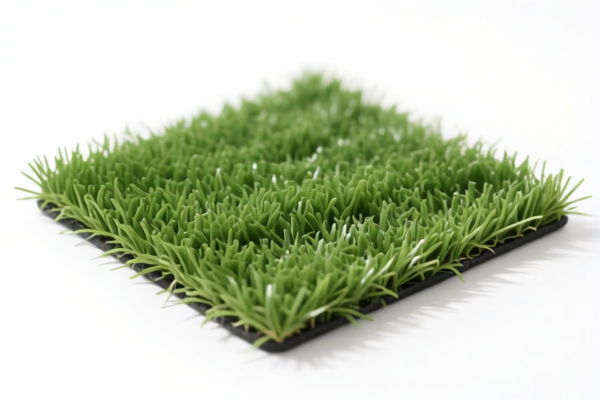
AI分析
🌾 Artificial Pampas Grass (Faux Reeds & Dried Flora Decor)
🌐 HS Code Reference & Clearance Guide | 2026 Latest Tariff Analysis | Professional Customs Strategy
📌 I. Product Definition & Classification: What Exactly is "Artificial Pampas Grass"?
Artificial Pampas Grass is a leading aesthetic component in modern interior design, particularly for the "Boho," "Maximalist," and "Modern Farmhouse" decor styles. In international trade, it is not a single uniform product but is classified based on its material composition and manufacturing process.
The classification depends heavily on whether the product is made from plastic/synthetic fibers, other materials, or natural plant fibers (dyed/stabilized). Misclassification here can lead to massive tariff discrepancies, ranging from ~13% to nearly 40%.
⚠️ Key Distinction Points:
- If made primarily of plastic or synthetic fibers resembling natural reeds → Falls under 6702 or 3926.
- If made from other materials (e.g., paper, rayon, non-synthetic textiles) → Falls under 6702.90.
- If made from natural plant fibers (dried/preserved grasses) or matches the morphology of natural dried flora → Falls under 6701.
- If it is a plastic decoration not specifically shaped as floral/vegetal items in Chapter 67 → Falls under 3926.
📦 II. HS Code Classification Details (2026 Latest Tariff Authority Comparison)
| HS Code | Product Description | Applicable Scenario | Material/Nature | Total Tax Rate |
|---|---|---|---|---|
6702.10.40.00 |
Artificial Flowers/Foliage: Plastic or Synthetic Fiber | Plastic-based faux pampas, polyester fiber reeds, "faux" attribute | Plastic/Synthetic Fiber | 13.4% |
6702.90.35.00 |
Artificial Flowers/Foliage: Other Materials | Rayon, paper, mixed materials, or non-plastic faux flora | Other Materials | 19.0% |
6701.00.60.00 |
Prepared Taxidermy/Plant Materials: Dried Grasses/Reeds | Natural dried pampas, stabilized plant fibers, matches "reeds" morphology | Natural Plant Fiber/Dried Flora | 39.7% |
3926.40.00.90 |
Plastic Articles: Decorations | Plastic ornaments, vases, or generic plastic decor items | Plastic (Generic) | 15.3% |
3926.90.99.89 |
Plastic Articles: Other | Unlisted plastic products, generic plastic reeds not fitting floral codes | Plastic (Unspecified) | 22.8% |
🔍 Critical Reminder:
- Chapter 67 (6701/6702) is generally preferred for items specifically designed to imitate flowers or plant foliage.
- Chapter 39 (3926) is a residual category. Using it for floral-shaped items may trigger海关 (Customs) scrutiny if they can be clearly classified under Chapter 67.
- Natural vs. Artificial: Even if "dyed" or "treated," if the base material is natural dried grass, it often falls under 6701, which carries a much higher tax burden due to Section 301 and IEEPA penalties.
💰 III. 2026 Latest Tariff Rate Details (Including Surcharges & Policy Add-ons)
✅ Applicable Country: United States (US)
✅ Country of Origin: China (CN)
✅ Effective Time: Post-2025 (Including subsequent imports)
🎯 1. 6702.10.40.00 —— Artificial Flowers/Foliage (Plastic/Synthetic)
| Item | Content |
|---|---|
| Base Tariff | 3.4% (ad valorem) |
| Section 301 Surcharge | 0.0% (Note: See specific footnote interpretations, but generally low for this subheading in some contexts, OR see breakdown below) |
| IEEPA Surcharge (122) | +10% (Targeting Chinese imports) |
| Total Effective Rate | 13.4% |
| Tax Calculation | CIF Value × 13.4% |
| De Minimis Exemption | ❌ Not Applicable for China-origin goods under current enforcement trends for decorative plants/plastics |
| Legal Path | USITC:6702.10.40.00 → IEEPA:10% |
📌 Explanation:
- This is one of the most cost-effective classifications for faux pampas if the material is strictly plastic/synthetic.
- The "122 Clause" (IEEPA) adds a flat 10% on top of the base rate for Chinese goods.
- Total 13.4% is significantly lower than natural dried flower alternatives.
🎯 2. 6702.90.35.00 —— Artificial Flowers/Foliage (Other Materials)
| Item | Content |
|---|---|
| Base Tariff | 9.0% |
| Section 301 Surcharge | 0.0% |
| IEEPA Surcharge (122) | +10% |
| Total Effective Rate | 19.0% |
| Tax Calculation | CIF Value × 19.0% |
| De Minimis Exemption | ❌ Not Applicable |
| Legal Path | USITC:6702.90.35.00 → IEEPA:10% |
📌 Explanation:
- Applies if your faux grass uses rayon, paper, or mixed fibers rather than pure plastic.
- Higher base rate than plastic, but still moderate compared to natural products.
🎯 3. 6701.00.60.00 —— Dried Plant Materials/Reeds
| Item | Content |
|---|---|
| Base Tariff | 4.7% |
| Section 301 Surcharge | +25.0% |
| IEEPA Surcharge (122) | +10% |
| Total Effective Rate | 39.7% |
| Tax Calculation | CIF Value × 39.7% |
| De Minimis Exemption | ❌ Not Applicable |
| Legal Path | USITC:6701.00.60.00 → Section 301: 25% → IEEPA: 10% |
📌 Critical Warning:
- If your product is real dried pampas grass (even if dyed purple/gold), it falls here.
- The 25% Section 301 tariff is the killer here. This category is high-cost and should be avoided by sellers of "faux" products unless they are genuinely natural.
🎯 4. 3926.40.00.90 & 3926.90.99.89 —— Plastic Decorations/Other
| HS Code | Total Tax | Breakdown |
|---|---|---|
3926.40.00.90 |
15.3% | Base 5.3% + IEEPA 10% |
3926.90.99.89 |
22.8% | Base 5.3% + Sec 301 7.5%* + IEEPA 10% |
📌 Explanation:
-3926.40is for specific plastic decorations. If customs argues your item is not "artificial flowers" (Chapter 67) but a "plastic ornament," this might apply.
-3926.90is a residual code. If the item doesn't fit 6702 or 3926.40, it falls here. Note the 7.5% Section 301 component in the data provided.
🛠️ IV. Customs Clearance Practical Advice (Battle-Tested Pitfall Guide)
✅ 1. Preparation Checklist (Non-Negotiable)
| Document | Required? | Purpose |
|---|---|---|
| ✅ Product Composition Statement | ✔️ | Must explicitly state: "100% Polyester Plastic Fiber" vs. "Natural Dried Grass." |
| ✅ High-Resolution Photos | ✔️ | Show texture, stem structure, and lack of natural seeds/organic decay. |
| ✅ Material Safety Data Sheet (MSDS) | ✔️ | Prove non-toxic, stable plastic composition. |
| ✅ Commercial Invoice Description | ✔️ | Use terms like "Artificial Faux Pampas Grass," "Polyester Reeds," or "Synthetic Floral Decor." |
| ❌ Avoid Terms Like | 🚫 | "Organic," "Natural Dried," "Real Plant" (unless it IS real). |
✅ 2. Classification Strategy (Key Mantra)
🔥 "Synthetic = Ch 67.02 (Low Tax). Natural = Ch 67.01 (High Tax). Plastic Decor = Ch 39 (Medium/Variable)."
| Scenario | Recommended HS Code | Why? |
|---|---|---|
| Polyester/Plastic Faux Grass | 6702.10.40.00 |
Lowest tax (13.4%). Clearly "artificial." |
| Rayon/Mixed Fabric Faux Grass | 6702.90.35.00 |
Moderate tax (19.0%). Fits "other materials." |
| Real Dried Grass (Dyed) | 6701.00.60.00 |
High tax (39.7%). Cannot be avoided if natural. |
| Plastic Vases/Props | 3926.40.00.90 |
If selling standalone plastic decor, not grass-like. |
✅ 3. Special Handling Cases
| Situation | Handling Advice |
|---|---|
| OEM Custom Colors | Ensure invoices say "Artificial" regardless of color. Color does not change classification from Ch 67.02 to 67.01. |
| Mixed Packaging | If a box contains 100% plastic grass and 1 real wooden stick, the principal use/material dictates classification. Usually, the bulk item (grass) determines the code. |
| De Minimis (Section 321) | ⚠️ Risk: While some de minimis shipments bypass duties, Section 301 (25%) and IEEPA (10%) tariffs often still apply to Chinese-origin goods in current enforcement. Do not rely on $800 exemption without professional advice. |
🌍 V. Global Market Comparison (2026)
| Market | Recommended HS Code | Est. Tariff (CN Origin) | Notes |
|---|---|---|---|
| 🇺🇸 USA | 6702.10.40.00 |
13.4% | High scrutiny on "natural" claims. |
| 🇨🇳 China | 6702.10.40.00 |
~3-6% | Low export/import tax, no Section 301. |
| 🇪🇺 EU | 6702.10.40.00 |
~2.5% | No major trade wars, lower duties. |
| 🇬🇧 UK | 6702.10.40.00 |
~2.5% | Post-Brexit tariffs similar to EU for plastics. |
📌 Conclusion:
The US market is the most expensive due to IEEPA and potential Section 301 duties.
For US importers, ensuring the product is declared as Synthetic/Plastic (6702) is critical to saving ~25%+ in tariffs compared to natural dried grass.
📌 VI. Common Errors & Pitfalls (Lessons Learned)
❌ Error 1: Labeling "Faux Pampas" as "Natural Dried Grass"
👉 Result: Classifies under 6701.00.60.00 → 39.7% Tax instead of 13.4%. Overpayment of ~26%.
❌ Error 2: Mixing "Plastic Grass" with "Natural Wood Bases" in one HS Code without breakdown
👉 Result: Customs may split the shipment. The grass part is taxed at 13.4%, the wood at a different rate, causing clearance delays.
❌ Error 3: Using vague terms like "Home Decor Item"
👉 Result: Customs assigns a random code, likely the highest duty one (e.g., 3926.90 → 22.8% or higher).
✅ Correct Approach:
"Artificial Pampas Grass Reeds, Made of Polyester Plastic, Dyed Natural Beige, For Home Decoration"
→ HS Code: 6702.10.40.00
🎯 VII. Conclusion: Precision in Classification Saves Profit Margins
🎯 Remember the Mantra:
🔹 "Fake is Plastic (13.4%), Real is Dried (39.7%)."
🔹 "Chapter 67.02 is your friend. Chapter 67.01 is your enemy."
📌 Pro Tip:
If you are selling faux pampas grass to the US, ensure your supplier provides a Material Certificate stating 100% synthetic fibers. This documentation is your shield against customs audits that might misclassify your product as "natural dried flora."
📣 Immediate Action:
📞 Verify Material: Confirm if your pampas grass is Polyester (Ch 67.02) or Rayon/Paper (Ch 67.02.90).
📄 Document: Attach material specs to every commercial invoice.
🚀 Save Cost: Aim for 6702.10.40.00 to lock in the 13.4% rate.
✨ Professional Clearance Starts with Accurate Classification!
💼 Your Product is Plastic, Not Plant: Declare It Right, Pay Less, Sell More!
用户评价
关于 HS 编码归类
协调制度(HS)是由世界海关组织(WCO)制定的国际贸易商品分类标准。全球 200 多个国家采用 HS 系统作为海关关税、贸易统计和进出口监管的基础。
每个 HS 编码遵循以下层级结构:
- 章(2 位)——商品大类(例如:第 84 章:机器和机械设备)
- 品目(4 位)——章内的更具体分类
- 子目(6 位)——国际通用细分,所有 WCO 成员国统一使用
- 本国细分(8-10 位)——各国自行扩展的细分编码,如美国 HTSUS 10 位编码
正确的 HS 编码归类对于顺利通关、准确缴纳关税和遵守贸易法规至关重要。错误归类可能导致海关延误、多缴关税或罚款。
从CN进口到US时,适用的关税税率可能包括:
- 最惠国(MFN)税率——适用于 WTO 成员国的标准关税税率
- 普通税率——适用于无贸易协定国家
- 贸易救济关税——附加关税,如 301 条款(反倾销)、232 条款(国家安全)或反补贴税
本页内容仅供参考。如需正式归类,请咨询当地海关或持牌报关代理。