5 Artificial Pampas Grass
CN → US| HS Code | Tariff Rate | Origin | Destination | Doc |
|---|---|---|---|---|
| 6702104000 | 13.4% | CN | US | Official Doc |
| 6702903500 | 19.0% | CN | US | Official Doc |
| 6701006000 | 39.7% | CN | US | Official Doc |
| 3926400090 | 15.3% | CN | US | Official Doc |
| 3926909989 | 22.8% | CN | US | Official Doc |
Product Images
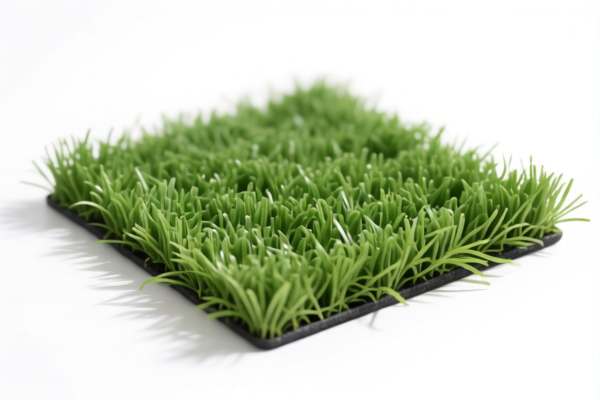
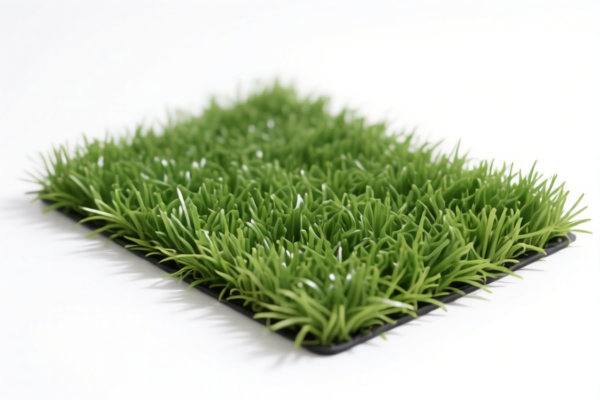
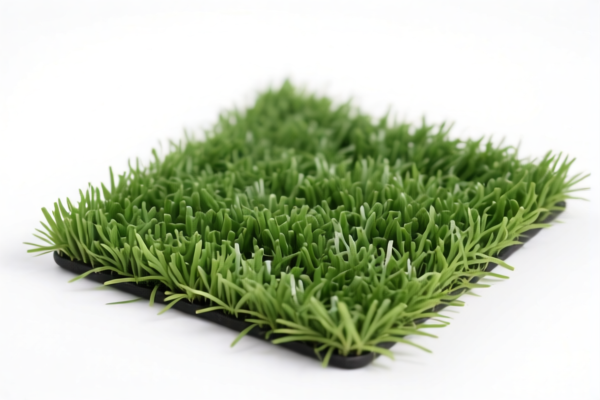
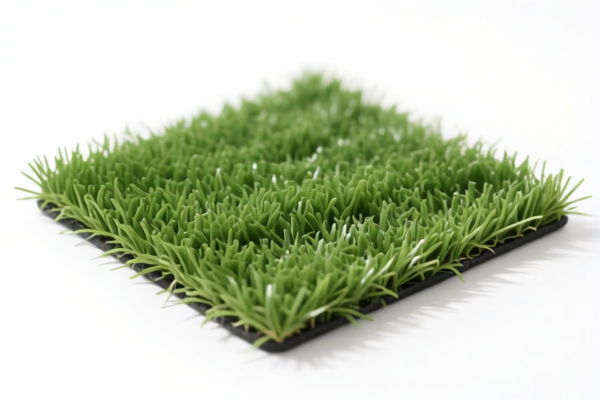
AI Analysis
🌾 Artificial Pampas Grass (Faux Reeds & Dried Flora Decor)
🌐 HS Code Reference & Clearance Guide | 2026 Latest Tariff Analysis | Professional Customs Strategy
📌 I. Product Definition & Classification: What Exactly is "Artificial Pampas Grass"?
Artificial Pampas Grass is a leading aesthetic component in modern interior design, particularly for the "Boho," "Maximalist," and "Modern Farmhouse" decor styles. In international trade, it is not a single uniform product but is classified based on its material composition and manufacturing process.
The classification depends heavily on whether the product is made from plastic/synthetic fibers, other materials, or natural plant fibers (dyed/stabilized). Misclassification here can lead to massive tariff discrepancies, ranging from ~13% to nearly 40%.
⚠️ Key Distinction Points:
- If made primarily of plastic or synthetic fibers resembling natural reeds → Falls under 6702 or 3926.
- If made from other materials (e.g., paper, rayon, non-synthetic textiles) → Falls under 6702.90.
- If made from natural plant fibers (dried/preserved grasses) or matches the morphology of natural dried flora → Falls under 6701.
- If it is a plastic decoration not specifically shaped as floral/vegetal items in Chapter 67 → Falls under 3926.
📦 II. HS Code Classification Details (2026 Latest Tariff Authority Comparison)
| HS Code | Product Description | Applicable Scenario | Material/Nature | Total Tax Rate |
|---|---|---|---|---|
6702.10.40.00 |
Artificial Flowers/Foliage: Plastic or Synthetic Fiber | Plastic-based faux pampas, polyester fiber reeds, "faux" attribute | Plastic/Synthetic Fiber | 13.4% |
6702.90.35.00 |
Artificial Flowers/Foliage: Other Materials | Rayon, paper, mixed materials, or non-plastic faux flora | Other Materials | 19.0% |
6701.00.60.00 |
Prepared Taxidermy/Plant Materials: Dried Grasses/Reeds | Natural dried pampas, stabilized plant fibers, matches "reeds" morphology | Natural Plant Fiber/Dried Flora | 39.7% |
3926.40.00.90 |
Plastic Articles: Decorations | Plastic ornaments, vases, or generic plastic decor items | Plastic (Generic) | 15.3% |
3926.90.99.89 |
Plastic Articles: Other | Unlisted plastic products, generic plastic reeds not fitting floral codes | Plastic (Unspecified) | 22.8% |
🔍 Critical Reminder:
- Chapter 67 (6701/6702) is generally preferred for items specifically designed to imitate flowers or plant foliage.
- Chapter 39 (3926) is a residual category. Using it for floral-shaped items may trigger海关 (Customs) scrutiny if they can be clearly classified under Chapter 67.
- Natural vs. Artificial: Even if "dyed" or "treated," if the base material is natural dried grass, it often falls under 6701, which carries a much higher tax burden due to Section 301 and IEEPA penalties.
💰 III. 2026 Latest Tariff Rate Details (Including Surcharges & Policy Add-ons)
✅ Applicable Country: United States (US)
✅ Country of Origin: China (CN)
✅ Effective Time: Post-2025 (Including subsequent imports)
🎯 1. 6702.10.40.00 —— Artificial Flowers/Foliage (Plastic/Synthetic)
| Item | Content |
|---|---|
| Base Tariff | 3.4% (ad valorem) |
| Section 301 Surcharge | 0.0% (Note: See specific footnote interpretations, but generally low for this subheading in some contexts, OR see breakdown below) |
| IEEPA Surcharge (122) | +10% (Targeting Chinese imports) |
| Total Effective Rate | 13.4% |
| Tax Calculation | CIF Value × 13.4% |
| De Minimis Exemption | ❌ Not Applicable for China-origin goods under current enforcement trends for decorative plants/plastics |
| Legal Path | USITC:6702.10.40.00 → IEEPA:10% |
📌 Explanation:
- This is one of the most cost-effective classifications for faux pampas if the material is strictly plastic/synthetic.
- The "122 Clause" (IEEPA) adds a flat 10% on top of the base rate for Chinese goods.
- Total 13.4% is significantly lower than natural dried flower alternatives.
🎯 2. 6702.90.35.00 —— Artificial Flowers/Foliage (Other Materials)
| Item | Content |
|---|---|
| Base Tariff | 9.0% |
| Section 301 Surcharge | 0.0% |
| IEEPA Surcharge (122) | +10% |
| Total Effective Rate | 19.0% |
| Tax Calculation | CIF Value × 19.0% |
| De Minimis Exemption | ❌ Not Applicable |
| Legal Path | USITC:6702.90.35.00 → IEEPA:10% |
📌 Explanation:
- Applies if your faux grass uses rayon, paper, or mixed fibers rather than pure plastic.
- Higher base rate than plastic, but still moderate compared to natural products.
🎯 3. 6701.00.60.00 —— Dried Plant Materials/Reeds
| Item | Content |
|---|---|
| Base Tariff | 4.7% |
| Section 301 Surcharge | +25.0% |
| IEEPA Surcharge (122) | +10% |
| Total Effective Rate | 39.7% |
| Tax Calculation | CIF Value × 39.7% |
| De Minimis Exemption | ❌ Not Applicable |
| Legal Path | USITC:6701.00.60.00 → Section 301: 25% → IEEPA: 10% |
📌 Critical Warning:
- If your product is real dried pampas grass (even if dyed purple/gold), it falls here.
- The 25% Section 301 tariff is the killer here. This category is high-cost and should be avoided by sellers of "faux" products unless they are genuinely natural.
🎯 4. 3926.40.00.90 & 3926.90.99.89 —— Plastic Decorations/Other
| HS Code | Total Tax | Breakdown |
|---|---|---|
3926.40.00.90 |
15.3% | Base 5.3% + IEEPA 10% |
3926.90.99.89 |
22.8% | Base 5.3% + Sec 301 7.5%* + IEEPA 10% |
📌 Explanation:
-3926.40is for specific plastic decorations. If customs argues your item is not "artificial flowers" (Chapter 67) but a "plastic ornament," this might apply.
-3926.90is a residual code. If the item doesn't fit 6702 or 3926.40, it falls here. Note the 7.5% Section 301 component in the data provided.
🛠️ IV. Customs Clearance Practical Advice (Battle-Tested Pitfall Guide)
✅ 1. Preparation Checklist (Non-Negotiable)
| Document | Required? | Purpose |
|---|---|---|
| ✅ Product Composition Statement | ✔️ | Must explicitly state: "100% Polyester Plastic Fiber" vs. "Natural Dried Grass." |
| ✅ High-Resolution Photos | ✔️ | Show texture, stem structure, and lack of natural seeds/organic decay. |
| ✅ Material Safety Data Sheet (MSDS) | ✔️ | Prove non-toxic, stable plastic composition. |
| ✅ Commercial Invoice Description | ✔️ | Use terms like "Artificial Faux Pampas Grass," "Polyester Reeds," or "Synthetic Floral Decor." |
| ❌ Avoid Terms Like | 🚫 | "Organic," "Natural Dried," "Real Plant" (unless it IS real). |
✅ 2. Classification Strategy (Key Mantra)
🔥 "Synthetic = Ch 67.02 (Low Tax). Natural = Ch 67.01 (High Tax). Plastic Decor = Ch 39 (Medium/Variable)."
| Scenario | Recommended HS Code | Why? |
|---|---|---|
| Polyester/Plastic Faux Grass | 6702.10.40.00 |
Lowest tax (13.4%). Clearly "artificial." |
| Rayon/Mixed Fabric Faux Grass | 6702.90.35.00 |
Moderate tax (19.0%). Fits "other materials." |
| Real Dried Grass (Dyed) | 6701.00.60.00 |
High tax (39.7%). Cannot be avoided if natural. |
| Plastic Vases/Props | 3926.40.00.90 |
If selling standalone plastic decor, not grass-like. |
✅ 3. Special Handling Cases
| Situation | Handling Advice |
|---|---|
| OEM Custom Colors | Ensure invoices say "Artificial" regardless of color. Color does not change classification from Ch 67.02 to 67.01. |
| Mixed Packaging | If a box contains 100% plastic grass and 1 real wooden stick, the principal use/material dictates classification. Usually, the bulk item (grass) determines the code. |
| De Minimis (Section 321) | ⚠️ Risk: While some de minimis shipments bypass duties, Section 301 (25%) and IEEPA (10%) tariffs often still apply to Chinese-origin goods in current enforcement. Do not rely on $800 exemption without professional advice. |
🌍 V. Global Market Comparison (2026)
| Market | Recommended HS Code | Est. Tariff (CN Origin) | Notes |
|---|---|---|---|
| 🇺🇸 USA | 6702.10.40.00 |
13.4% | High scrutiny on "natural" claims. |
| 🇨🇳 China | 6702.10.40.00 |
~3-6% | Low export/import tax, no Section 301. |
| 🇪🇺 EU | 6702.10.40.00 |
~2.5% | No major trade wars, lower duties. |
| 🇬🇧 UK | 6702.10.40.00 |
~2.5% | Post-Brexit tariffs similar to EU for plastics. |
📌 Conclusion:
The US market is the most expensive due to IEEPA and potential Section 301 duties.
For US importers, ensuring the product is declared as Synthetic/Plastic (6702) is critical to saving ~25%+ in tariffs compared to natural dried grass.
📌 VI. Common Errors & Pitfalls (Lessons Learned)
❌ Error 1: Labeling "Faux Pampas" as "Natural Dried Grass"
👉 Result: Classifies under 6701.00.60.00 → 39.7% Tax instead of 13.4%. Overpayment of ~26%.
❌ Error 2: Mixing "Plastic Grass" with "Natural Wood Bases" in one HS Code without breakdown
👉 Result: Customs may split the shipment. The grass part is taxed at 13.4%, the wood at a different rate, causing clearance delays.
❌ Error 3: Using vague terms like "Home Decor Item"
👉 Result: Customs assigns a random code, likely the highest duty one (e.g., 3926.90 → 22.8% or higher).
✅ Correct Approach:
"Artificial Pampas Grass Reeds, Made of Polyester Plastic, Dyed Natural Beige, For Home Decoration"
→ HS Code: 6702.10.40.00
🎯 VII. Conclusion: Precision in Classification Saves Profit Margins
🎯 Remember the Mantra:
🔹 "Fake is Plastic (13.4%), Real is Dried (39.7%)."
🔹 "Chapter 67.02 is your friend. Chapter 67.01 is your enemy."
📌 Pro Tip:
If you are selling faux pampas grass to the US, ensure your supplier provides a Material Certificate stating 100% synthetic fibers. This documentation is your shield against customs audits that might misclassify your product as "natural dried flora."
📣 Immediate Action:
📞 Verify Material: Confirm if your pampas grass is Polyester (Ch 67.02) or Rayon/Paper (Ch 67.02.90).
📄 Document: Attach material specs to every commercial invoice.
🚀 Save Cost: Aim for 6702.10.40.00 to lock in the 13.4% rate.
✨ Professional Clearance Starts with Accurate Classification!
💼 Your Product is Plastic, Not Plant: Declare It Right, Pay Less, Sell More!
Customer Reviews
About HS Code Classification
The Harmonized System (HS) is an internationally standardized nomenclature developed by the World Customs Organization (WCO) to classify traded products. Over 200 countries use the HS system as the basis for customs tariffs, trade statistics, and import/export regulations.
Each HS code follows a hierarchical structure:
- Chapter (2 digits) — Broad category of goods (e.g., Chapter 84: Machinery and Mechanical Appliances)
- Heading (4 digits) — More specific grouping within the chapter
- Subheading (6 digits) — Internationally standardized breakdown, used by all WCO member countries
- National subdivisions (8-10 digits) — Country-specific extensions for further classification, such as US HTSUS 10-digit codes
Correct HS code classification is essential for smooth customs clearance, accurate duty payment, and compliance with trade regulations. Misclassification can lead to customs delays, overpayment of duties, or penalties.
When importing from CN to US, the applicable tariff rates may include:
- Most-Favored-Nation (MFN) rate — The standard duty rate applied to WTO members
- General rate — Applied to countries without trade agreements
- Trade remedy duties — Additional tariffs such as Section 301 (anti-dumping), Section 232 (national security), or countervailing duties
The information provided on this page is for reference purposes only. For official classification, please consult with your local customs authority or a licensed customs broker.