52cm long evening satin gloves
CN → US| HS编码 | 关税税率 | 原产国 | 目的国 | 文档 |
|---|---|---|---|---|
| 6217109530 | 32.1% | CN | US | 官方文档 |
| 6216009000 | 21.3% | CN | US | 官方文档 |
| 6117809570 | 32.1% | CN | US | 官方文档 |
| 6117809540 | 32.1% | CN | US | 官方文档 |
| 6116999560 | 13.8% | CN | US | 官方文档 |
商品图片

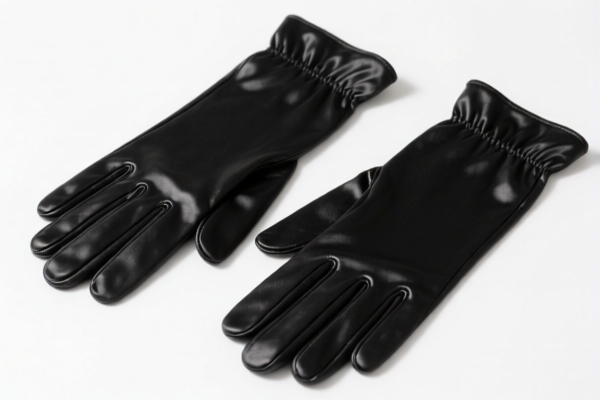
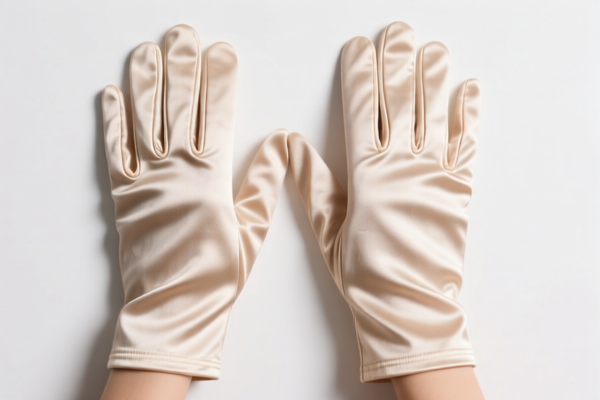
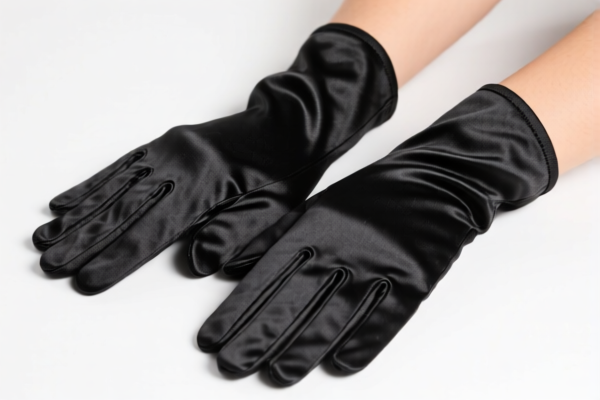
AI分析
🧤 Long Evening Satin Gloves: HS Code Classification & Tax Analysis (US Market)
🌐 HS Code Reference & Customs Clearance Guide | 2026 Latest Tariff Analysis | Professional Clearance Strategy
📌 I. Product Definition: What are "Long Evening Satin Gloves"?
Long evening satin gloves are formal accessories primarily worn for evening gowns, weddings, or high-end fashion events. In international trade, they are classified under Head 61 (Knitted/Crocheted) or Head 62 (Non-knitted/Non-crocheted), depending on the manufacturing method and material composition.
Key Classification Factors: * Material: The data specifies "Satin" (缎面), which can be made from synthetic fibers (rayon/polyester) or natural fibers (silk/acetate). The classification differs significantly based on whether it is "Man-made Fibers" (人造纤维) or "Other Textiles" (non-cotton, non-wool, non-man-made). * Construction: Are they knitted (弹性较大) or woven/non-knitted (结构较硬挺)? * Length: 52cm indicates "Opera Length" or full-length gloves, falling under general glove categories.
⚠️ Critical Distinction:
- If made of synthetic fibers (e.g., polyester/nylon satin) → Often falls under 6217 or 6117 (Synthetic).
- If made of other textiles (e.g., silk, acetate, or non-specified) → Falls under 6116 or 6117 (Other).
- The "122 Article Tariff" (122条款) and "Section 301" (加征关税) apply differently based on this material distinction.
📦 II. HS Code Classification Details (Based on Provided Data)
| HS Code | Product Description (Summary) | Material/Type | Total Tax Rate |
|---|---|---|---|
6217.10.95.30 |
Satin Evening Gloves | Man-made Fibers Accessory | 32.1% |
6216.00.90.00 |
Long Evening Satin Gloves | Textile Gloves (Satin) | 21.3% |
6117.80.95.70 |
Long Evening Satin Gloves | Other Textiles (Silk/Acetate?) | 32.1% |
6117.80.95.40 |
Long Evening Satin Gloves | Man-made Fibers Accessory | 32.1% |
6116.99.95.60 |
Long Evening Satin Gloves | Other Textiles (Specific Restricted) | 13.8% |
🔍 Note: The data provided contains multiple potential classifications depending on the specific fiber content (Man-made vs. Other) and whether it is considered a "Glove" (Head 61/62 specific) or a "Clothing Accessory" (Head 61/62 general).
💰 III. 2026 Latest Tariff Rate Breakdown
✅ Applicable Country: United States (US)
✅ Country of Origin: China (CN)
✅ Effective Time: Current rates as per data
🎯 1. 6217.10.95.30 & 6117.80.95.70 & 6117.80.95.40 — High Tax Scenarios (32.1%)
These codes represent cases where the gloves are classified as accessories or made of specific synthetic fibers, attracting higher base tariffs.
| Item | Detail |
|---|---|
| Base Tariff | 14.6% |
| Section 301 Tariff (加征关税) | +7.5% |
| "122 Article" Tariff (122条款) | +10.0% |
| Total Tax Rate | 32.1% |
| Calculation Base | CIF Value × 32.1% |
| Legal Path | Base Tariff 14.6% + Section 301 7.5% + Article 122 10% |
📌 Explanation:
- Base Tariff (14.6%): Standard MFN rate for these specific textile accessories/gloves.
- Section 301 (7.5%): US trade remedy tariff on Chinese goods.
- Article 122 (10%): Specific U.S. trade provision affecting certain textile/apparel categories from China.
- Total: 32.1%. This is a high-cost classification.
🎯 2. 6216.00.90.00 — Moderate Tax Scenario (21.3%)
This code classifies the item specifically as textile gloves (likely woven/non-knitted), with a lower base tariff.
| Item | Detail |
|---|---|
| Base Tariff | 3.8% |
| Section 301 Tariff (加征关税) | +7.5% |
| "122 Article" Tariff (122条款) | +10.0% |
| Total Tax Rate | 21.3% |
| Calculation Base | CIF Value × 21.3% |
| Legal Path | Base Tariff 3.8% + Section 301 7.5% + Article 122 10% |
📌 Note:
- The base tariff is significantly lower (3.8%) compared to the accessory classifications (14.6%).
- However, the Section 301 (7.5%) and Article 122 (10%) remain constant, leading to a 21.3% total.
- Savings: 10.8% lower than the 32.1% scenario.
🎯 3. 6116.99.95.60 — Low Tax Scenario (13.8%)
This is the most favorable classification in the provided data, but it comes with specific restrictions.
| Item | Detail |
|---|---|
| Base Tariff | 3.8% |
| Section 301 Tariff (加征关税) | 0.0% |
| "122 Article" Tariff (122条款) | +10.0% |
| Total Tax Rate | 13.8% |
| Calculation Base | CIF Value × 13.8% |
| Legal Path | Base Tariff 3.8% + Section 301 0% + Article 122 10% |
📌 Crucial Insight:
- Section 301 Tariff is 0% for this specific subheading (6116.99.95.60). This is a major cost saver.
- Base Tariff is low (3.8%).
- Article 122 (10%) still applies.
- Total: 13.8%.
- ⚠️ Warning: The description says "non-cotton, non-wool, non-man-made fiber specific restricted category." You must prove the material fits this narrow definition (e.g., specific natural fiber blend or non-classified textile) to qualify. Misclassification here can lead to penalties.
🛠️ IV. Customs Clearance Practical Advice
✅ 1. Documentation Checklist
| Document | Required? | Purpose |
|---|---|---|
| Product Specification Sheet | ✔️ | Must detail material composition (e.g., 100% Polyester Satin, Silk Blend, etc.). |
| Material Composition Proof | ✔️ | Crucial for distinguishing between 6217 (Synthetic), 6216 (Textile Glove), and 6116 (Restricted Other). |
| Commercial Invoice | ✔️ | Clearly state "Evening Gloves, 52cm, Satin Finish." |
| Packing List | ✔️ | Weight, dimensions, and packaging details. |
| Photos | ✔️ | Show the glove's construction (knitted vs. woven), lining, and length. |
| Certificate of Origin (CO) | ✔️ | Required to verify Chinese origin for Section 301/Article 122 application. |
✅ 2. Classification Strategy & Cost Optimization
🔥 "Material Matters, Code Saves!"
| Scenario | Recommended HS Code | Total Tax | Strategy |
|---|---|---|---|
| 100% Synthetic (Poly/Nylon) | 6217.10.95.30 or 6117.80.95.40 |
32.1% | High cost. Consider if value-add justifies it. |
| Standard Textile Glove (Woven) | 6216.00.90.00 |
21.3% | Moderate Cost. Good balance if material is not strictly synthetic accessory. |
| Specific Restricted Material | 6116.99.95.60 |
13.8% | Lowest Cost! Must verify material fits the "non-cotton, non-wool, non-man-made" specific restriction. |
📌 Recommendation:
- If possible, aim for6116.99.95.60to save 18.3% in taxes compared to the highest bracket.
- How? Consult with a customs broker to confirm if your satin material (e.g., acetate, specific rayon, or blend) qualifies as "other textiles" under this specific restricted subheading.
- Avoid6217.10.95.30unless you have no other option, as it attracts the highest total tax.
✅ 3. Common Pitfalls to Avoid
❌ Pitfall 1: Assuming all "Satin" gloves are the same.
👉 Result: Using 6217 (32.1%) when 6116 (13.8%) might apply.
✅ Fix: Provide detailed material test reports.
❌ Pitfall 2: Ignoring the "Section 301" exemption possibility.
👉 Result: Paying 7.5% extra.
✅ Fix: Check if the specific material code 6116.99.95.60 has an exemption (it does: 0% Section 301).
❌ Pitfall 3: Misdeclaring "Accessory" vs. "Glove".
👉 Result: Incorrect tariff rate and potential customs seizure.
✅ Fix: Clearly describe as "Gloves" in the invoice if they fit Head 61/62 glove definitions.
🌍 V. Global Market Comparison (2026)
| Market | Likely HS Code | Est. Total Tax | Notes |
|---|---|---|---|
| 🇺🇸 USA | 6116.99.95.60 |
13.8% | Best rate if material qualifies. |
| 🇺🇸 USA | 6216.00.90.00 |
21.3% | Common for woven textile gloves. |
| 🇺🇸 USA | 6217.10.95.30 |
32.1% | High cost for synthetic accessories. |
| 🇨🇳 China | 6116.99.95.60 |
Low (Import Duty) | Varies by trade agreement. |
| 🇪🇺 EU | 6116.99.99 |
~4-6% | No Section 301/Article 122 equivalent. |
📌 Conclusion:
The US market imposes significant layered tariffs. Material classification is key to tax optimization.
📌 VI. Final Recommendation & Action Plan
- Identify Material Precisely: Determine if your satin gloves are made of polyester, nylon, acetate, silk, or a blend.
- Consult Customs Broker: Verify if your material qualifies for
6116.99.95.60(13.8% tax) or if it must be6216.00.90.00(21.3%) or6217.10.95.30(32.1%). - Prepare Documentation: Ensure invoices and specs clearly state material composition to support the chosen HS Code.
- Apply for Advance Ruling (Optional): If the classification is ambiguous, request a binding ruling from CBP to avoid post-entry audits.
🎯 Remember:
🔹 "Code Choice = Cost Control"
🔹 "13.8% vs 32.1% is a huge difference!"
🔹 "Check your material, save your margin."
📣 Immediate Action:
📞 Contact a licensed customs broker with your material test report.
🚀 Optimize your HS Code to6116.99.95.60if possible to minimize US customs duties.
✨ Professional clearance starts with precise classification!
💼 Don't let high tariffs eat your profits!
用户评价
关于 HS 编码归类
协调制度(HS)是由世界海关组织(WCO)制定的国际贸易商品分类标准。全球 200 多个国家采用 HS 系统作为海关关税、贸易统计和进出口监管的基础。
每个 HS 编码遵循以下层级结构:
- 章(2 位)——商品大类(例如:第 84 章:机器和机械设备)
- 品目(4 位)——章内的更具体分类
- 子目(6 位)——国际通用细分,所有 WCO 成员国统一使用
- 本国细分(8-10 位)——各国自行扩展的细分编码,如美国 HTSUS 10 位编码
正确的 HS 编码归类对于顺利通关、准确缴纳关税和遵守贸易法规至关重要。错误归类可能导致海关延误、多缴关税或罚款。
从CN进口到US时,适用的关税税率可能包括:
- 最惠国(MFN)税率——适用于 WTO 成员国的标准关税税率
- 普通税率——适用于无贸易协定国家
- 贸易救济关税——附加关税,如 301 条款(反倾销)、232 条款(国家安全)或反补贴税
本页内容仅供参考。如需正式归类,请咨询当地海关或持牌报关代理。